
Introduction: The Critical Role of Particle Size in Cobalt Applications
Cobalt powder is a vital material in numerous high-tech industries, including the manufacturing of cemented carbides, diamond tools, batteries, and magnetic materials. The performance of cobalt in these applications is heavily dependent on its particle size distribution, purity, and morphology. Producing powder at a specific mesh size, such as 80 mesh (approximately 177 microns), requires precise control over the comminution process. This guide explores the essential grinding equipment and production line configurations for efficiently and consistently producing 80-mesh cobalt powder, balancing throughput, energy consumption, and product quality.
Understanding the 80 Mesh Specification
In powder metallurgy, “mesh” refers to the number of openings per linear inch in a sieve. An 80 mesh screen has openings of about 177 micrometers (μm). Therefore, producing 80 mesh cobalt powder typically means achieving a particle size where the majority of the powder passes through a 177μm sieve. It’s important to note that industrial specifications often call for a specific particle size distribution (PSD), not just a top size. The ideal equipment must not only reach the target size but also produce a narrow PSD for consistent product behavior in subsequent processes like pressing and sintering.
Key Equipment for Grinding Cobalt to 80 Mesh
Selecting the right mill is paramount. The choice depends on feed material characteristics (e.g., sponge cobalt, atomized powder, or cobalt cake), required capacity, desired particle shape, and economic factors like energy and wear costs.
1. Ball Mills: The Traditional Workhorse
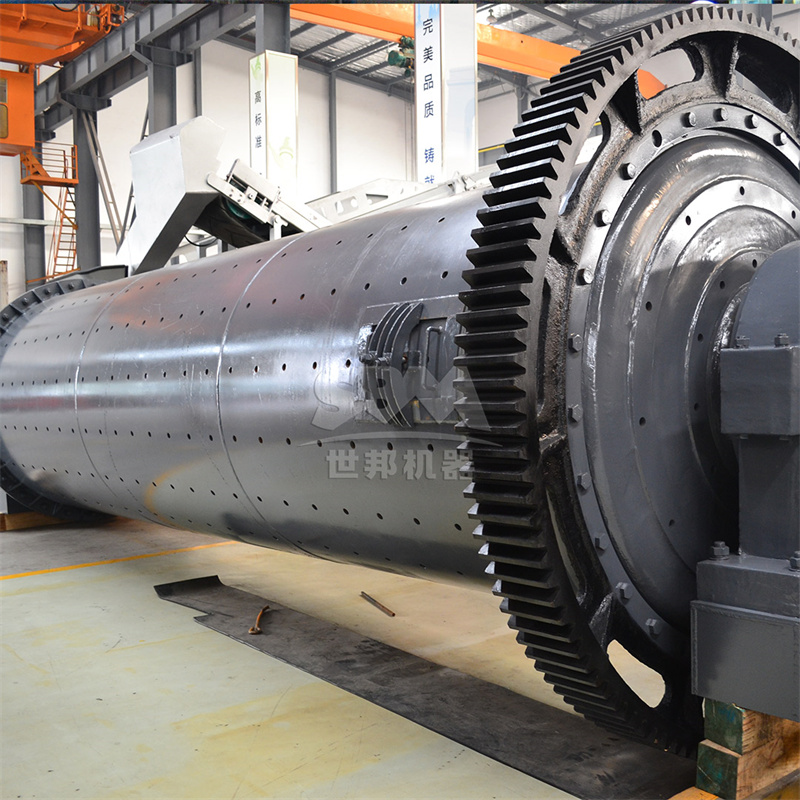
Ball mills operate on the principle of impact and attrition. A rotating cylinder filled with grinding media (steel or ceramic balls) lifts and drops the media onto the material, gradually reducing its size. For producing 80-mesh powder, ball mills are a proven and reliable option, especially for wet grinding processes which can minimize oxidation and aid in particle size control.
Advantages for Cobalt Processing: High capacity, ability to handle a wide range of feed sizes, and suitability for both batch and continuous operation. They are well-understood and can produce a relatively consistent product.
Considerations: Energy efficiency is lower compared to more modern mills. Grinding media and liner wear can introduce iron contamination, which is a critical concern for high-purity cobalt applications. Careful selection of lining and media material (e.g., alumina) is essential.
2. Raymond Mill (MTW Series European Trapezium Mill)
For dry grinding of cobalt to medium fineness like 80 mesh, roller mills like the Raymond mill or its modern successors are highly effective. Our MTW Series European Trapezium Mill represents a significant advancement in this technology class, specifically engineered for efficiency and durability in mineral processing.
This mill utilizes curved grinding rollers and a wear-resistant grinding ring. Material is fed into the grinding chamber and crushed by the roller’s pressure against the rotating ring. An integrated classifier immediately separates fine particles, sending oversize material back for further grinding. This closed-circuit system allows for precise control over the final product fineness.
Why the MTW Series is Ideal for 80-Mesh Cobalt:
- Precise Classification: Its efficient classifier system can reliably target the 80 mesh (177μm) range, producing a uniform product with minimal oversize or ultra-fines.
- High Efficiency & Low Wear: The anti-wear shovel design and optimized grinding curve reduce energy consumption and extend the life of wear parts, lowering operational costs for abrasive materials like cobalt.
- Large Capacity Range: With models offering capacities from 3 to 45 tons per hour, it can scale from pilot plants to large-scale industrial production.
- Clean Operation: The system operates under negative pressure with efficient pulse dust collection, crucial for containing valuable and potentially hazardous cobalt powder.
For producers seeking a robust, high-capacity dry grinding solution for cobalt, the MTW175G or MTW215G models would be excellent candidates for a dedicated 80-mesh production line.
3. Vertical Roller Mills (LM Series)
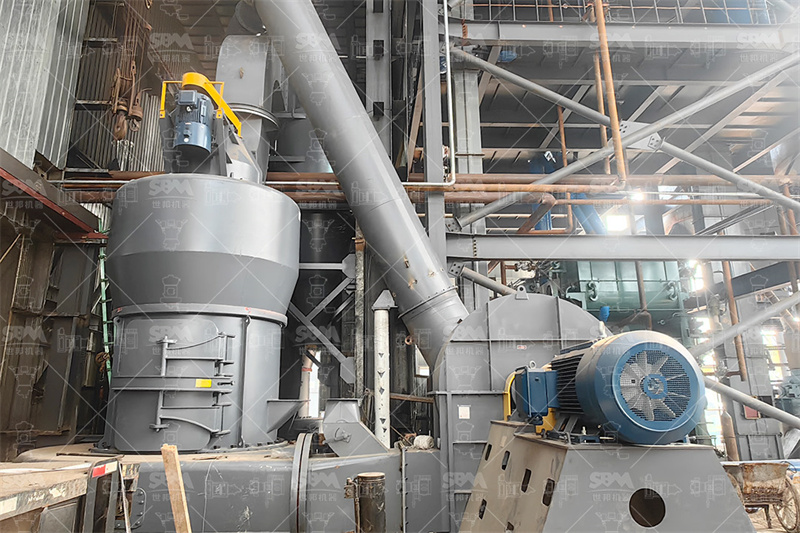
Vertical Roller Mills (VRMs) like our LM Series are another top-tier choice for dry grinding cobalt. They integrate grinding, drying, classifying, and material conveying into a single, compact unit. Material is ground between rollers and a rotating table, with hot air (if drying is needed) transporting fines to the classifier.
Advantages for Cobalt Production: Exceptional energy efficiency (30-40% lower than ball mills), excellent drying capability if the feed is moist, and a very small physical footprint. Their ability to handle feed sizes up to 50mm can simplify upstream crushing stages.
4. Hammer Mills for Preliminary Size Reduction
Before fine grinding to 80 mesh, cobalt feedstock often requires initial crushing. Hammer mills are perfect for this primary or secondary crushing stage, reducing lump cobalt or coarse powder to a size suitable for feed into a fine grinding mill (e.g., <10mm). Our hammer mills feature high manganese steel liners and a robust design to handle hard metals, providing a reliable first step in the comminution chain.
Designing a Complete Production Line for 80 Mesh Cobalt Powder
A typical, efficient production line involves more than just a grinding mill. It is a synchronized system:
- Feeding System: A controlled feeder (e.g., vibratory or screw feeder) ensures a steady, regulated supply of raw cobalt to the mill, which is critical for stable operation and consistent product quality.
- Grinding Mill (Core Unit): The selected mill (e.g., MTW Series or Ball Mill) reduces the particle size.
- Classification System: This is often integrated within the mill (like in the MTW or LM series) or can be a separate external air classifier. It continuously separates product-sized powder from oversize material, creating the closed-loop grinding circuit.
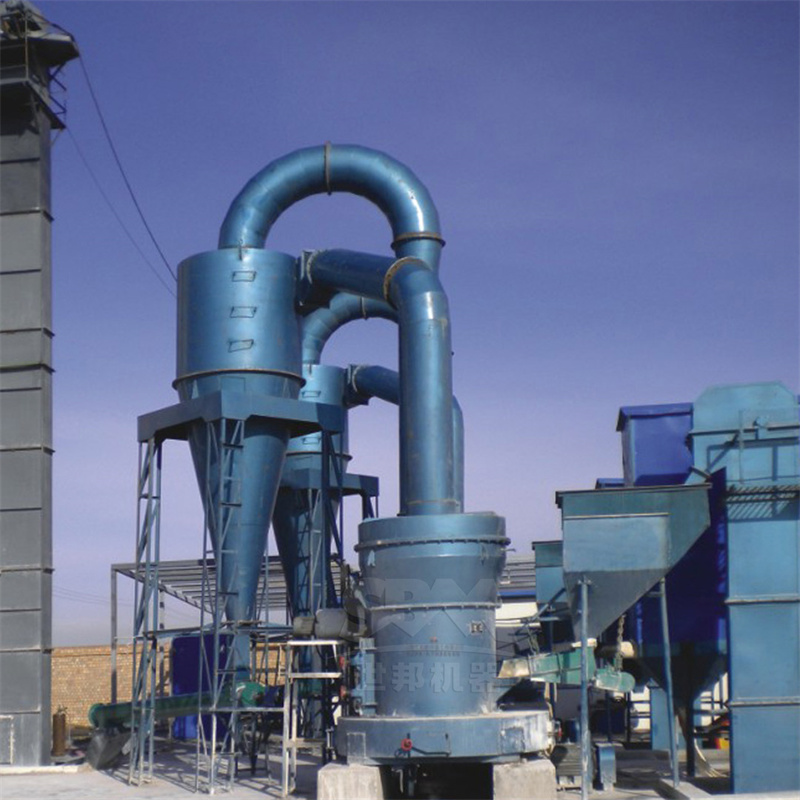
- Product Collection: Cyclone separators and baghouse filter systems capture the finished powder from the air stream. For cobalt, a high-efficiency pulse-jet dust collector is mandatory to achieve high recovery rates and meet environmental standards.
- Packaging & Automation: The collected powder is conveyed to silos or automated packaging systems. Advanced PLC controls can monitor and adjust mill parameters in real-time for optimal performance.
Why Choose Our Grinding Solutions for Cobalt?
Selecting equipment from a specialist manufacturer ensures access to technology designed for the rigors of metal powder processing. Our SCM Series Ultrafine Mill, while capable of producing much finer powders, exemplifies the engineering principles we apply across our range: high-precision classification, energy efficiency, and durable, low-wear designs. For the specific goal of 80-mesh cobalt, the MTW Series European Trapezium Mill stands out as the optimal balance of precision, capacity, and operational economy. Its patented technologies, such as the integral bevel gear drive and wear-resistant volute structure, translate directly into higher availability and lower cost-per-ton for our customers.
Conclusion
Producing high-quality 80-mesh cobalt powder demands a carefully selected grinding system. While traditional ball mills remain viable, modern dry grinding technologies like the European Trapezium Mill (MTW Series) and Vertical Roller Mills (LM Series) offer superior efficiency, control, and cleanliness. The key to a successful operation lies in matching the equipment’s capabilities—particularly its classification precision and wear resistance—to the specific requirements of cobalt processing. By investing in the right mill and designing a coherent production line around it, producers can achieve consistent product quality, maximize yield, and maintain a competitive edge in the advanced materials market.