
Introduction
Silica, or silicon dioxide (SiO2), is one of the most abundant and versatile minerals on Earth. Its applications span from the foundational production of glass, ceramics, and construction materials to high-tech uses in semiconductors, solar panels, and advanced composites. The key to unlocking silica’s value lies in its processing, specifically in reducing it to a precise and consistent particle size. The choice of grinding mill is therefore a critical decision that directly impacts product quality, production efficiency, and operational cost. This article provides a comprehensive overview of silica processing equipment, explores their applications, and offers a framework for selecting the optimal grinding solution.
Understanding Silica Grinding Requirements
Before selecting equipment, it is essential to define the process requirements. Key parameters include:
- Feed Size: The initial particle size of the raw silica (e.g., from crushed quartz).
- Target Fineness: The desired final particle size distribution, often measured in mesh (e.g., 200 mesh, 325 mesh) or micrometers (μm).
- Required Capacity: The throughput rate, measured in tons per hour (t/h).
- Product Purity: The need to avoid contamination from grinding media or mill internals.
- Moisture Content & Processing Method: Whether the process is dry or wet.
Types of Grinding Mills for Silica Processing
Different milling technologies are suited for different stages and fineness requirements in silica processing.
1. Coarse & Intermediate Grinding (Down to ~45μm / 325 mesh)
This stage prepares raw silica for further refinement or for applications like foundry sand or filler.
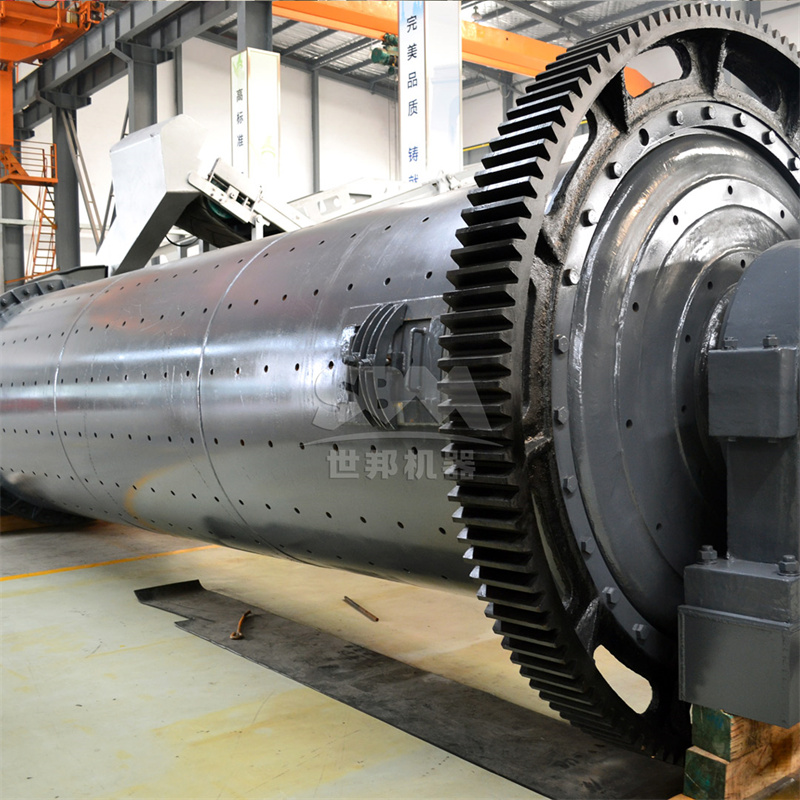
- Ball Mills: A workhorse for wet or dry grinding. They use steel balls as grinding media to crush material via impact and attrition. Ideal for high-capacity, continuous production but less energy-efficient for very fine grinding.
- Hammer Mills: Best for primary crushing and coarse grinding of brittle materials like silica. They use high-speed rotating hammers to shatter the feed material against breaker plates.
2. Fine & Ultrafine Grinding (45μm to 5μm and below)
This is critical for high-value applications such as electronics, high-performance ceramics, and fine fillers.
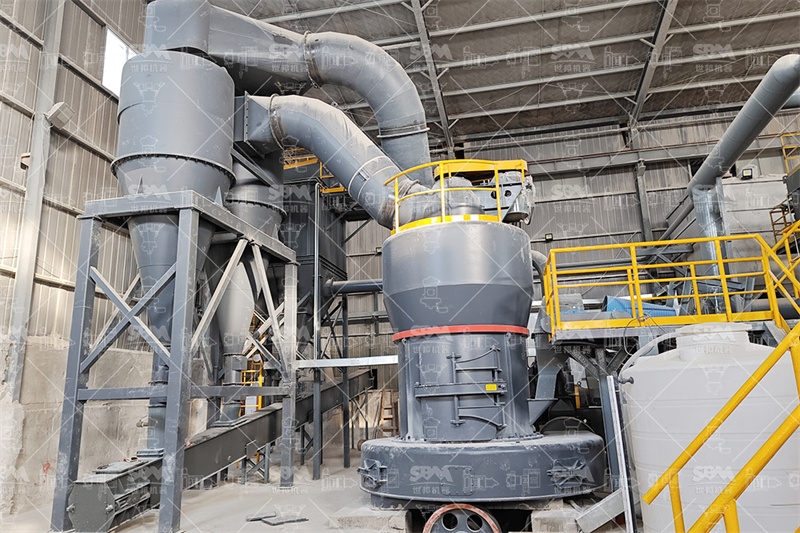
- Vertical Roller Mills (VRM): Such as the LM Series, are highly efficient for large-scale fine grinding. Material is ground between rollers and a rotating table. They offer integrated drying, grinding, and classification, significantly reducing energy consumption (30-40% lower than ball mills) and footprint. For silica processing requiring high capacity and fineness between 30-325 mesh, a VRM is an excellent choice.
- European Trapezium Mills: Advanced versions of traditional ring-roller mills. The MTW Series, for example, features an integral bevel gear drive for high transmission efficiency and an optimized air duct system. It is well-suited for producing silica powder in the 30-325 mesh range with capacities from 3 to 45 t/h, offering a balance of efficiency, precision, and durability.
3. Ultrafine & Superfine Grinding (Below 5μm / 2500 mesh)
Producing ultrafine silica with a narrow particle size distribution demands advanced technology.
- Ultrafine Vertical Roller Mills: Advanced VRMs designed for extreme fineness.
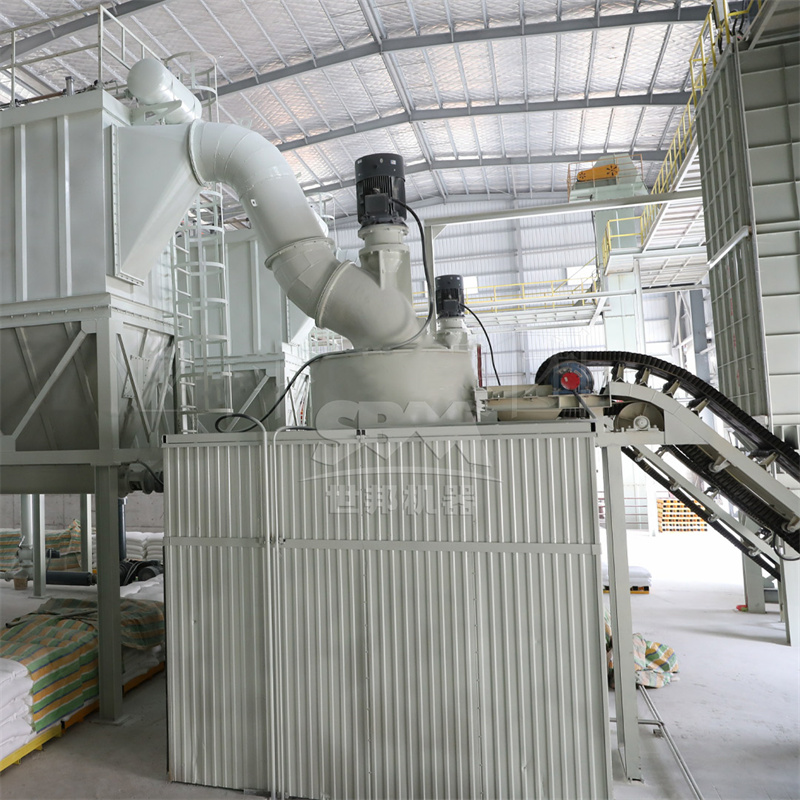
- Ultrafine Ring-Roller Mills: This is where technology like our SCM Series Ultrafine Mill excels. Engineered for producing powders between 325-2500 mesh (45-5μm), it represents a leap in efficiency and precision. Its vertical turbine classifier ensures sharp particle size cuts with no coarse powder mixing, resulting in a uniform product essential for premium applications. Furthermore, its innovative design and special material rollers offer extended service life, while the integrated pulse dust collection system ensures environmentally compliant operation. For operations targeting high-value silica markets with stringent fineness requirements, the SCM Series provides a reliable and energy-saving solution.
Key Applications and Recommended Mill Types
| Application | Typical Fineness | Recommended Mill Type | Key Considerations |
|---|---|---|---|
| Glass & Ceramics Batch | 20-100 mesh | Ball Mill, MTW Series Mill | High capacity, consistent sizing |
| Foundry Sand | 70-140 mesh | Ball Mill, Hammer Mill | High purity, controlled grain shape |
| Fillers (Paint, Polymer) | 325-1250 mesh | SCM Series Mill, LUM Mill | Brightness, low contamination, narrow distribution |
| Electronics & Solar Grade | >1250 mesh ( | SCM Series Mill | Extreme purity, precise particle size control |
| Cement & Concrete Additive | 200-325 mesh | LM Vertical Roller Mill | Very high capacity, energy efficiency |
How to Choose the Right Grinding Mill: A Decision Framework
- Define Your Product Specification: Clearly establish your target fineness (D50, D97), particle shape, and allowable contamination levels.
- Evaluate Feed Characteristics: Consider hardness (Mohs scale for silica is ~7), moisture content, and initial feed size.
- Calculate Capacity Needs: Determine both current and future throughput requirements (t/h).
- Analyze Total Cost of Ownership (TCO):
- Capital Cost: Initial investment in the mill and auxiliary equipment.
- Operational Cost: Energy consumption (kWh/ton) is often the largest factor. Mills like the LM Vertical Roller Mill and SCM Ultrafine Mill are designed for significant energy savings.
- Maintenance Cost: Consider wear part life and ease of replacement. Look for features like the quick-change roller system in the LM Series or the durable material design in the SCM Series.
- Prioritize Environmental & Operational Factors: Ensure the system meets dust emission and noise standards. Modern mills feature fully sealed negative pressure operation and advanced pulse dust collectors.
- Consider Automation & Control: Intelligent control systems, like those in the LM and SCM series, ensure stable operation, reduce manual intervention, and guarantee consistent product quality.
Conclusion
Selecting the optimal grinding mill for silica is not a one-size-fits-all process. It requires a careful analysis of technical requirements, economic factors, and long-term operational goals. From the high-capacity efficiency of the LM Vertical Roller Mill for fine grinding to the precision and ultra-fine capabilities of the SCM Series Ultrafine Mill, the right technology can dramatically enhance product quality, reduce energy consumption, and improve your bottom line. By thoroughly understanding your process needs and the advanced solutions available, you can make an informed investment that powers your silica processing operations for years to come.