
1. Introduction: The Role of Bentonite in Modern Lubricants
Bentonite, a naturally occurring clay mineral primarily composed of montmorillonite, has become an indispensable additive in the formulation of high-performance lubricating oils. Its unique layered silicate structure, high surface area, and cation exchange capacity impart exceptional properties to lubricants, including enhanced viscosity index, improved thermal stability, superior suspension of contaminants, and reduced friction and wear. The effectiveness of bentonite as a lubricant additive is intrinsically linked to its particle size, purity, and degree of activation. Therefore, the selection of appropriate production equipment and the optimization of the processing route are critical for manufacturers aiming to produce consistent, high-quality bentonite additives that meet the stringent specifications of the lubricant industry.
2. The Bentonite Processing Chain: From Raw Ore to Lubricant Additive
The transformation of raw bentonite ore into a functional lubricant additive involves several key stages, each requiring specialized equipment.
2.1. Primary Crushing and Drying
Raw bentonite, typically mined with a moisture content of 25-35%, first undergoes primary crushing to reduce lump size. This is followed by a crucial drying stage to reduce moisture to below 10-15%, a prerequisite for efficient fine grinding. Rotary dryers or flash dryers are commonly employed here.
2.2. Purification and Activation
For lubricant-grade bentonite, purification to remove quartz, feldspar, and other non-clay minerals is often necessary. This may involve wet processing techniques like hydrocycloning. Subsequently, sodium activation (using sodium carbonate) is performed to enhance its swelling and gelling properties, which are vital for its performance in oil.
2.3. The Core Stage: Fine and Ultrafine Grinding
This is the most critical step defining the final product’s performance. The particle size distribution (PSD) directly influences the additive’s thickening efficiency, dispersion stability in oil, and its ability to form protective films. The target fineness for high-end lubricant applications typically ranges from 45 microns (325 mesh) down to 5 microns (2500 mesh) or even finer.
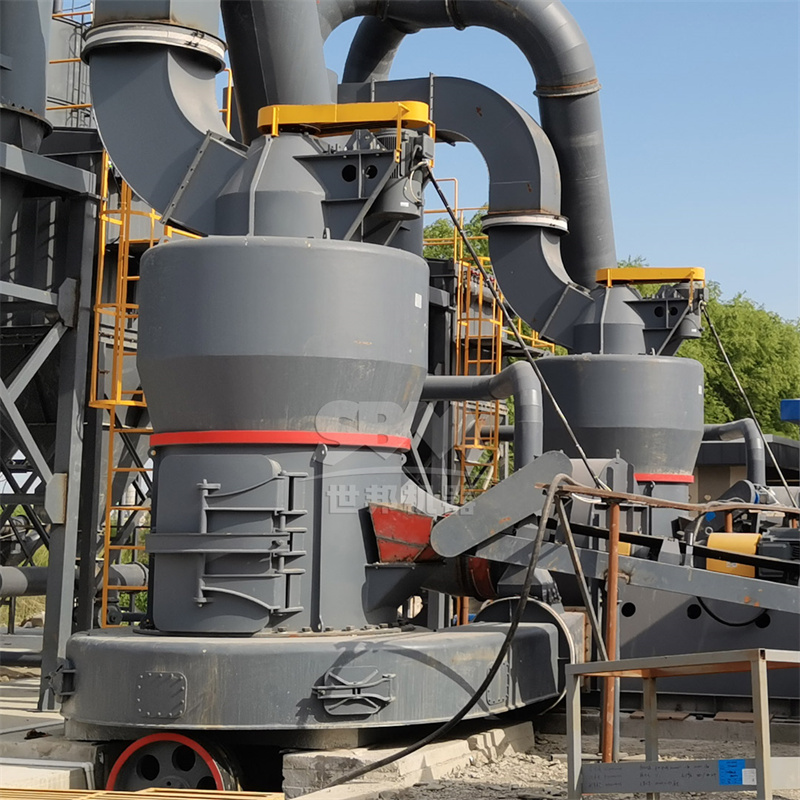
Traditional equipment like ball mills can achieve coarser grinds but often lack the energy efficiency and precise particle size control required for premium products. The industry has progressively moved towards more advanced milling technologies.
3. Critical Production Equipment for Bentonite Additives
The choice of grinding and classification equipment is paramount. Key considerations include energy efficiency, particle size control, product uniformity, wear resistance, and environmental compliance.
3.1. For Coarse to Medium Fineness (600-45μm / 30-325 mesh)
When the target is to produce bentonite powders in the 30 to 325 mesh range for certain industrial lubricants or as a feed material for further processing, robust and high-capacity mills are ideal.
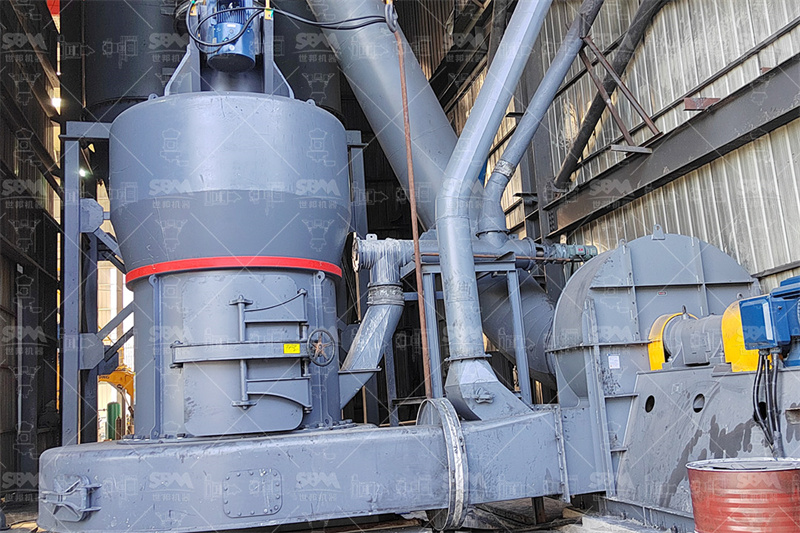
For this application range, our MTW Series European Trapezium Mill stands out as an optimal solution. Its anti-wear shovel design and combined shovel blades significantly reduce maintenance costs associated with processing abrasive bentonite. The optimized arc air duct minimizes energy loss, while the integral bevel gear drive boasts a 98% transmission efficiency, leading to substantial operational savings. With a capacity range of 3-45 tons per hour and the ability to handle feed sizes up to 50mm, the MTW series is engineered for large-scale, continuous production of consistent-quality bentonite powder.
3.2. For Ultrafine Fineness (45-5μm / 325-2500 mesh)
The production of premium lubricant-grade bentonite, where sub-10-micron particles are essential for performance, demands specialized ultrafine grinding technology. The process must achieve a narrow, controlled PSD without contamination from grinding media.
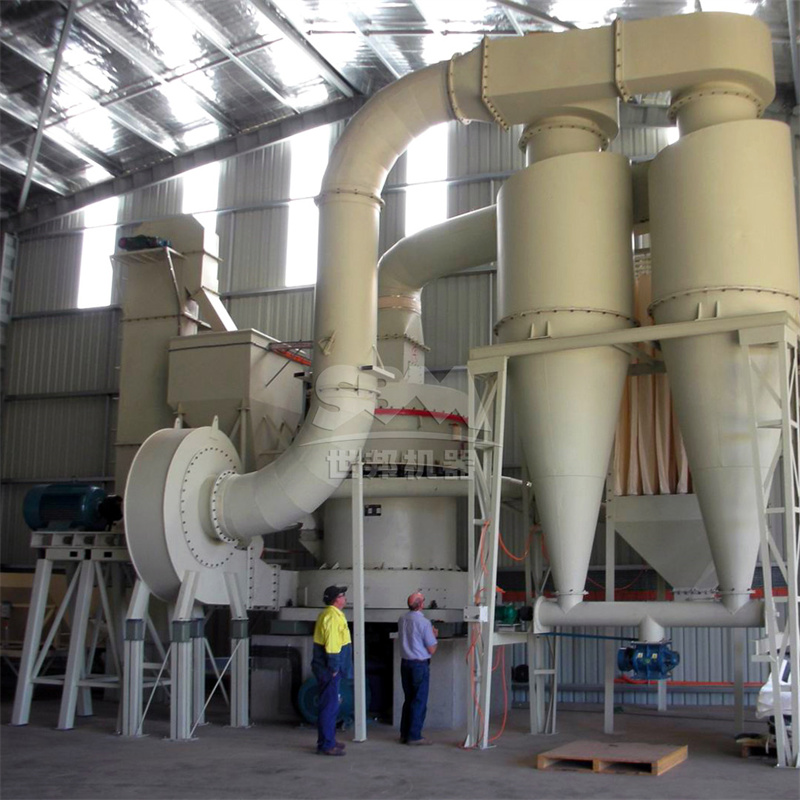
This is precisely where our flagship SCM Series Ultrafine Mill excels. Designed specifically for producing powders between 325 and 2500 mesh, it is the cornerstone technology for high-value bentonite additives. Its vertical turbine classifier ensures high-precision particle size cutting, eliminating coarse powder mixing and guaranteeing a uniform finished product—a critical factor for lubricant formulation stability. The mill operates with remarkable efficiency, offering twice the capacity of traditional jet mills while consuming 30% less energy. Furthermore, its durable design, featuring special material rollers and rings, and an eco-friendly pulse dust collection system (efficiency >99.9%), makes it a reliable and sustainable choice for modern production facilities.
3.3. Auxiliary and Supporting Equipment
- Classifiers: Independent air classifiers (often integrated into mills like the SCM series) are vital for precise size separation and ensuring the final product meets tight PSD specifications.
- Dust Collection Systems: Pulse-jet baghouse filters are essential to maintain a clean working environment, recover product, and comply with emission standards. Our milling systems incorporate high-efficiency pulse dust collectors as standard.
- Packaging and Automation: Automated weighing, bagging, and palletizing systems ensure final product integrity and handling efficiency.
4. Process Overview and Quality Control
A typical advanced process flow for lubricant-grade bentonite is as follows: Raw Ore → Primary Crusher → Drying → (Purification/Activation) → MTW Series Mill (for intermediate sizing, if needed) → SCM Series Ultrafine Mill → Precision Air Classification → Surface Modification (e.g., organophilization for oil dispersion) → Product Silo → Automated Packaging.
Quality control is integrated throughout. Key parameters monitored include:
- Particle Size Distribution (PSD): Analyzed using laser diffraction.
- Moisture Content: Critical for preventing caking and ensuring flowability.
- Swelling Index/Gel Viscosity: Direct indicators of bentonite’s activation level and performance potential in oil.
- Chemical Composition: XRF analysis to monitor purity and activation agent content.
5. Conclusion: Investing in the Right Technology
The competitive landscape of lubricant additives demands not only high-quality raw bentonite but also superior processing technology. The transition from conventional grinding methods to advanced, integrated systems like the MTW European Trapezium Mill for efficient intermediate processing and the SCM Ultrafine Mill for premium product finishing represents a strategic investment. This approach guarantees manufacturers the ability to produce bentonite additives with consistent, tailored particle sizes, superior performance characteristics, and optimal production economics. By leveraging such equipment, producers can reliably supply the lubricant industry with the high-performance bentonite additives required for next-generation engine oils, industrial lubricants, and greases, ensuring enhanced equipment protection and longevity.