
Introduction: The Unique Role of Attapulgite in Papermaking
Attapulgite, a hydrated magnesium aluminum silicate clay mineral, has carved a significant niche in the paper industry as a functional filler and coating pigment. Its unique colloidal properties, high surface area, and fibrous crystal structure contribute to improved paper properties such as opacity, brightness, ink receptivity, and dimensional stability. However, to unlock its full potential and meet the stringent specifications of modern paper mills, attapulgite must undergo precise processing. This guide explores the essential equipment used in the grinding and processing of attapulgite for papermaking filler applications, outlining the technological journey from raw ore to a high-performance additive.
Key Processing Stages for Attapulgite Filler
The transformation of raw attapulgite clay into a consistent, high-quality paper filler involves several critical stages, each demanding specific machinery.
1. Primary Crushing and Drying
Raw attapulgite ore is typically mined in large lumps. The first step is primary crushing to reduce the size to a manageable dimension (usually below 50mm) for subsequent drying and grinding. Jaw crushers or hammer mills are commonly employed here. Concurrently, attapulgite often contains significant moisture. Efficient drying, using rotary dryers or flash dryers, is crucial to reduce moisture content to optimal levels (typically below 10-15%) for efficient grinding and to prevent clogging in milling equipment.
2. The Core Stage: Fine and Ultrafine Grinding
This is the most critical phase, determining the final particle size distribution (PSD), surface area, and activation level of the attapulgite. The target fineness for paper filler applications generally ranges from 325 mesh (45μm) to 2500 mesh (5μm) or even finer. Different grinding technologies are selected based on the desired end product.
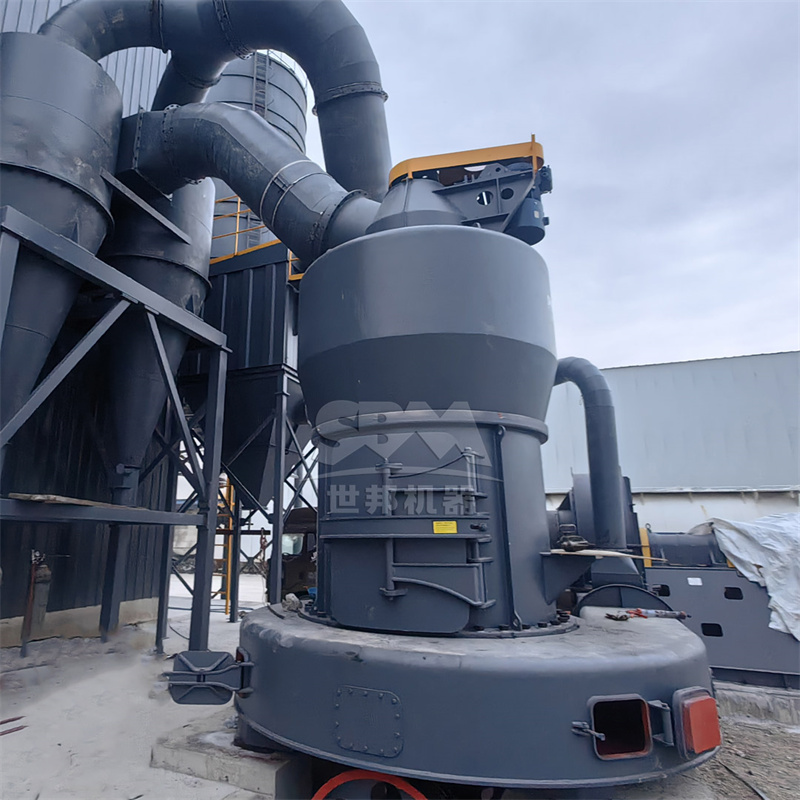
- Coarse to Medium Grinding (600-45μm / 30-325 mesh): For applications requiring a slightly coarser filler or as a pre-grinding step. Equipment like the MTW Series European Trapezium Mill or Ball Mills are highly effective. The MTW mill, with its anti-wear shovel design and optimized arc air duct, offers high capacity (3-45 t/h) and energy efficiency, making it ideal for initial size reduction.
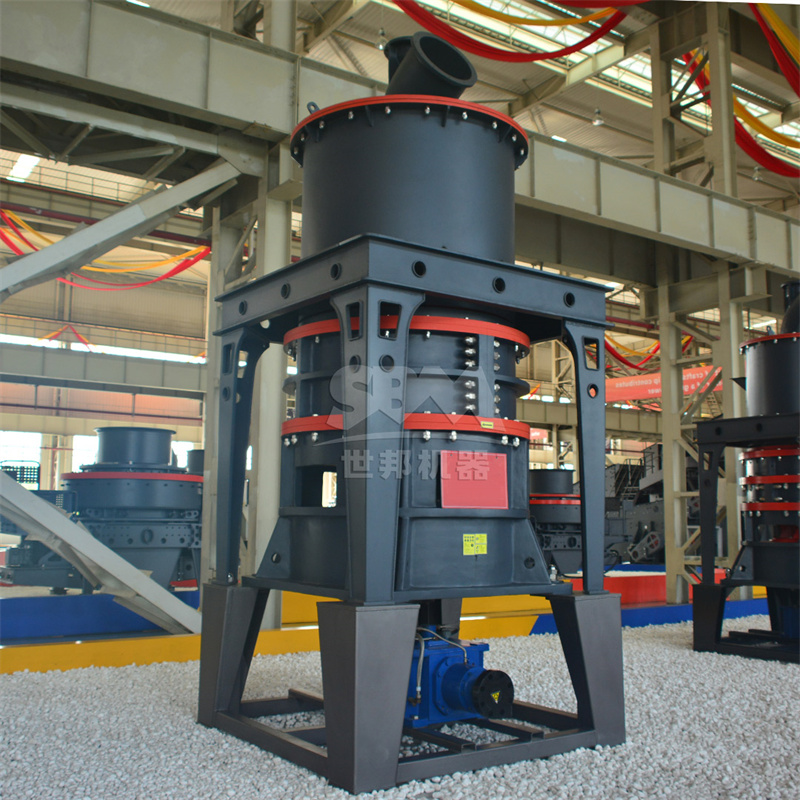
- Ultrafine Grinding (45-5μm / 325-2500 mesh): This is essential for maximizing the colloidal and surface properties of attapulgite. Achieving this level of fineness requires advanced milling technology. The SCM Series Ultrafine Mill is specifically engineered for this purpose. Its vertical turbine classifier ensures precise particle size cutting, eliminating coarse powder mixing and delivering a uniform product crucial for consistent paper quality. With a capacity of 0.5-25 t/h and energy consumption 30% lower than traditional jet mills, it represents a high-efficiency solution for premium filler production.
3. Classification and Separation
Integrated or standalone air classifiers are vital for controlling the top cut of the particle size distribution. They separate oversized particles, returning them to the mill for further grinding, while allowing the correctly sized product to proceed. Modern mills like the SCM and MTW series feature high-precision, internal classifiers that are integral to their operation.
4. Surface Modification (Optional but Beneficial)
To enhance compatibility with paper fibers and improve retention in the sheet, attapulgite may undergo surface modification using silanes or other coupling agents. This process typically requires a high-intensity mixer or a coating machine where the finely ground powder is uniformly blended with the modifier.
5. Packaging and Dust Collection
The final, processed attapulgite powder is collected using efficient cyclone separators and baghouse filter systems. An advanced pulse dust removal system, as featured in our SCM and MTW mills, ensures emissions exceed international standards, protecting the workplace environment. The product is then conveyed to silos or bagging machines for storage and shipment.
Selecting the Right Processing Equipment: Key Considerations
Choosing the optimal grinding circuit for attapulgite depends on several factors:
- Target Fineness and PSD: Define the required mesh size and distribution curve for your paper grade.
- Production Capacity: Match the equipment throughput (t/h) to your plant’s requirements.
- Energy Efficiency: Operating costs are heavily influenced by power consumption. Modern roller mills and vertical mills typically offer significant savings over older technologies like ball mills.
- Product Contamination: Equipment with minimal wear-part contamination (using advanced material technology) is essential for maintaining product brightness and purity.
- System Integration & Automation: Look for mills with intelligent control systems that allow for automatic finished product granularity feedback and stable, low-intervention operation.
Recommended Solutions for Attapulgite Processing
Based on the common requirements for producing high-quality paper filler, we recommend a two-stage processing approach utilizing our flagship equipment:
Stage 1: Pre-grinding with the MTW Series European Trapezium Mill
For initial crushing and drying of raw attapulgite to a medium fineness (e.g., 100 mesh), the MTW mill is an excellent choice. Its robust construction, featuring wear-resistant combined shovel blades and a curved grinding roller design, handles the abrasive nature of clay efficiently. The integral bevel gear drive offers up to 98% transmission efficiency, saving energy and space. This stage prepares a consistent feed for the final ultrafine grinding.
Stage 2: Ultrafine Grinding with the SCM Series Ultrafine Mill
To achieve the superior fineness and activation needed for high-performance paper fillers, the SCM Series Ultrafine Mill is the industry-preferred technology. Its working principle involves material being crushed by roller pressure against grinding rings in a layered fashion. The standout feature is its high-precision vertical turbine classifier, which guarantees a sharp particle size cut and a uniform finished product without coarse particles—a critical factor for paper smoothness and printability. Furthermore, its durable design with special material rollers and rings, coupled with an eco-friendly pulse dust collection system exceeding international standards, ensures reliable, clean, and cost-effective operation. For a typical attapulgite filler line targeting 1250 mesh (10μm), the SCM1000 or SCM1250 model would provide an ideal balance of capacity and fineness control.
Conclusion
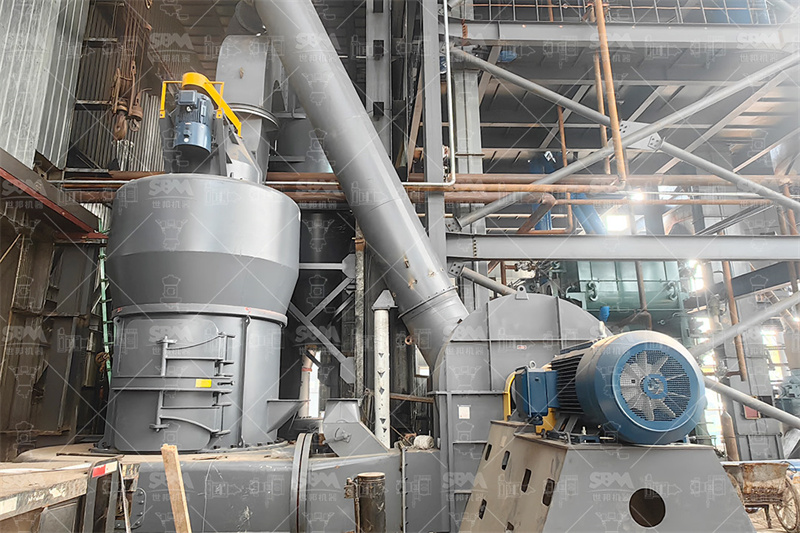
The journey of attapulgite from a raw clay to a valuable papermaking filler is a precise engineering process centered around advanced grinding technology. The selection of equipment directly impacts the functional properties, consistency, and economic viability of the final product. By implementing a tailored processing circuit, such as one utilizing the robust MTW Series mill for pre-grinding and the high-precision SCM Series Ultrafine Mill for final refinement, producers can reliably manufacture attapulgite fillers that meet the exacting demands of the global paper industry, enhancing paper quality while optimizing production costs.