
Introduction: The Critical Role of Bauxite in Glass Manufacturing
In the sophisticated world of glass manufacturing, raw material purity and consistency are paramount. Bauxite, a primary source of alumina (Al2O3), serves as a crucial additive in many glass formulations. Its primary functions are to increase chemical durability, improve resistance to thermal shock, enhance mechanical strength, and control the viscosity of the molten glass. However, raw bauxite ore is unsuitable for direct use in glass furnaces. It requires extensive processing—primarily crushing, grinding, and classification—to transform it into a finely ground, chemically consistent powder with a tightly controlled particle size distribution. This article explores the essential equipment used in the production of bauxite additives for the glass industry, focusing on the technological requirements and optimal solutions for achieving the desired product specifications.
Key Specifications for Glass-Grade Bauxite Additives
Before delving into equipment, it is vital to understand the end-product requirements dictated by glass manufacturing:
- Fineness & Particle Size Distribution (PSD): A consistent and ultra-fine powder is essential for rapid and uniform melting in the glass furnace. For many applications, a fineness range between 200 mesh (74μm) and 325 mesh (45μm) is standard, while some high-performance glasses may require additives ground as fine as 1250 mesh (10μm) or finer.
- Chemical Consistency: The grinding process must not introduce contaminants that could alter the glass’s color or properties (e.g., iron contamination).
- High Production Capacity & Efficiency: Glass plants operate continuously, requiring a steady, high-volume supply of additives.
- Energy Efficiency: Grinding is an energy-intensive process; optimizing specific energy consumption (kWh/ton) is critical for operational economics.
- Environmental Compliance: Dust control and low noise emissions are non-negotiable in modern mineral processing plants.
Core Equipment in the Bauxite Processing Circuit
The transformation of lump bauxite into glass-grade powder involves a multi-stage process, each stage employing specialized machinery.
1. Primary and Secondary Crushing
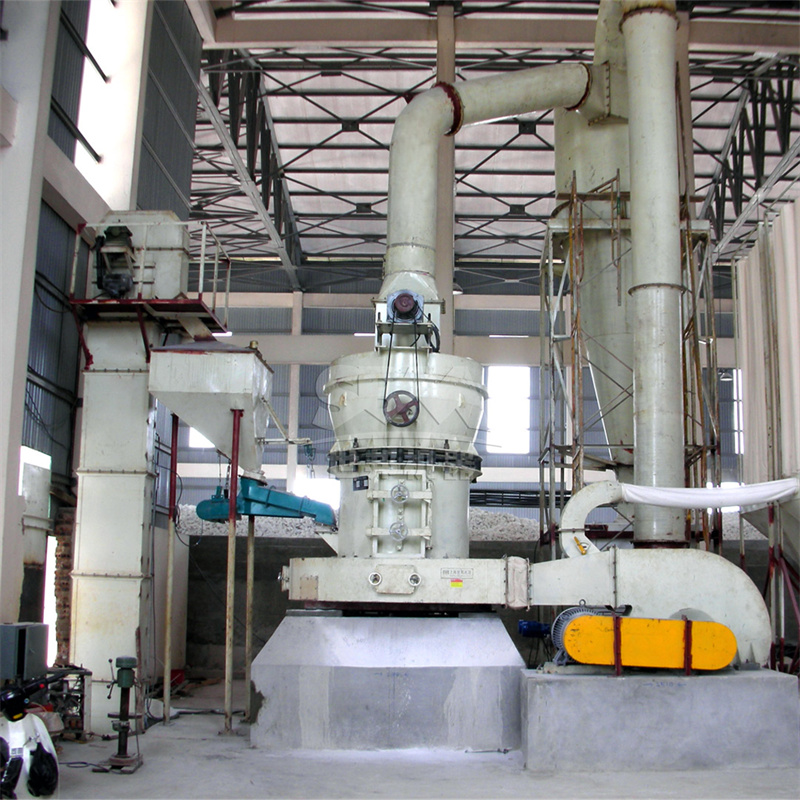
Run-of-mine bauxite is first reduced to a manageable size (typically below 50mm) using jaw crushers, gyratory crushers, or impact crushers. This stage prepares the feed for the subsequent fine grinding mills.
2. Drying
Bauxite often contains moisture, which can hinder grinding efficiency and cause clogging in fine mills. Rotary dryers or flash dryers are commonly integrated into the circuit to reduce moisture content to optimal levels (typically below 1%).
3. Fine Grinding & Classification: The Heart of the Process
This is the most critical stage, where the crushed and dried bauxite is pulverized to the target fineness. The choice of grinding mill is decisive for product quality and plant economics. Several mill types are employed, each with distinct advantages.
a) Ball Mills
The traditional workhorse for mineral grinding. Ball mills operate on the principle of impact and attrition as grinding media (steel balls) cascade inside a rotating shell. They are robust and capable of producing a wide range of fineness. However, for achieving very fine powders (<45μm), they become less energy-efficient, with high wear rates on liners and media, and generate significant heat and noise.
b) Vertical Roller Mills (VRM)
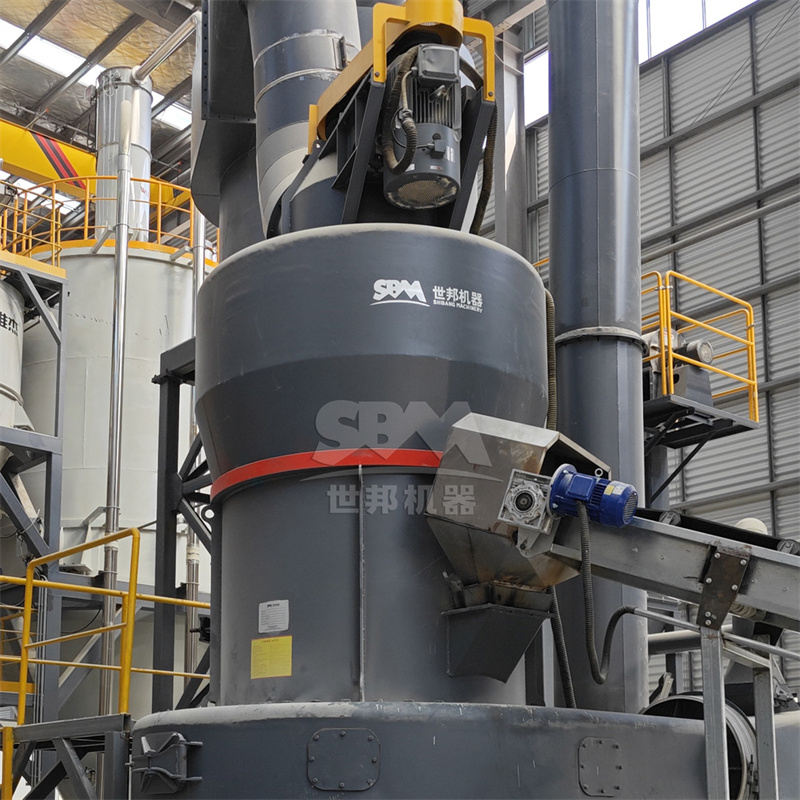
VRMs represent a significant advancement in dry grinding technology. Material is fed onto a rotating table and crushed under rollers pressed against the table. Hot gas flowing through the mill simultaneously dries and transports the ground material to an integrated classifier. VRMs offer superior energy efficiency (30-50% less than ball mills), excellent drying capability, and a compact footprint.
For high-capacity production of bauxite in the 30-325 mesh range, the LM Series Vertical Roller Mill is an exemplary solution. Its integrated design combines crushing, grinding, drying, and classification in a single unit, reducing floor space by 50%. With a capacity range of 3-250 tons per hour and energy consumption 30-40% lower than traditional ball mill systems, it is ideal for large-scale glass additive production. The fully sealed negative pressure operation ensures dust emissions meet the strictest environmental standards.
c) Ultrafine Grinding Mills
When the application demands bauxite powder in the superfine range (e.g., 800-2500 mesh), specialized ultrafine mills are required. These mills utilize mechanical force from rollers or rings to achieve extreme fineness through repeated compression and shearing.
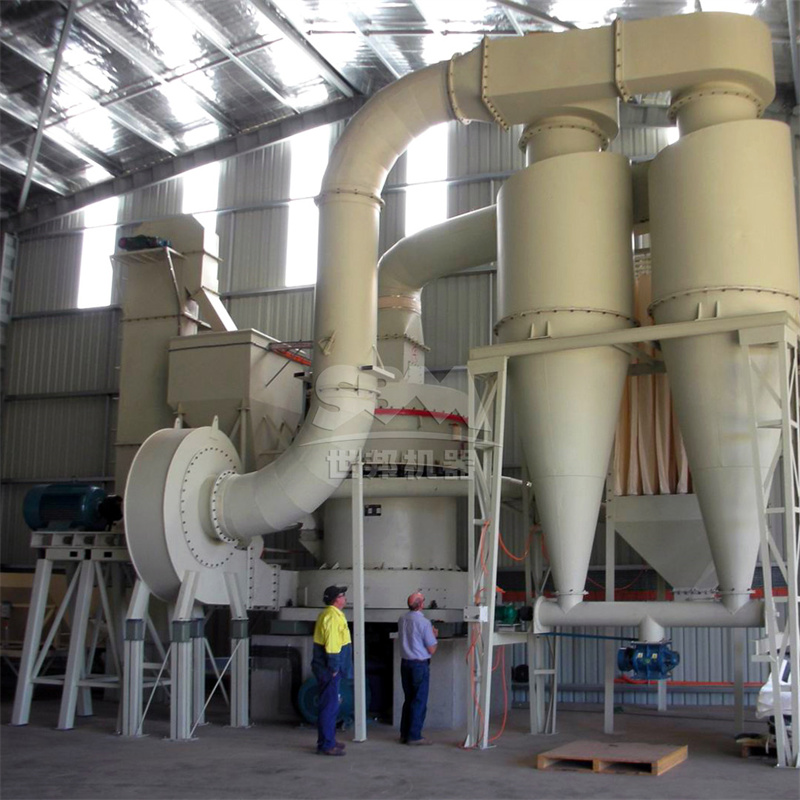
For producing the finest, most consistent bauxite powders critical for high-clarity and specialty glass, the SCM Series Ultrafine Mill is the technology of choice. Engineered to produce powder from 325 to 2500 mesh (45-5μm), it features a high-precision vertical turbine classifier that ensures no coarse particles are mixed into the final product, guaranteeing uniformity. Its high-efficiency design offers double the capacity of jet mills with 30% lower energy consumption. Furthermore, its durable construction with special material rollers and rings, coupled with an advanced pulse dust collection system, makes it a reliable and eco-friendly cornerstone for premium additive production.
4. Classification & Separation
Integrated or standalone air classifiers are used to separate fine particles from coarse ones. The coarse material is recirculated back to the mill for further grinding, ensuring a tight PSD in the final product. Modern mills like the SCM and LM series feature advanced dynamic classifiers for this precise control.
5. Dust Collection & Material Handling
Pulse-jet baghouse filters are standard for capturing dust throughout the process, maintaining a clean plant environment and recovering product. The final powder is then conveyed via screw conveyors or pneumatic systems to storage silos, ready for bagging or bulk shipment.
Selecting the Right Equipment: A Comparative Summary
The optimal equipment chain depends on the target fineness, required capacity, moisture content, and capital/operating cost considerations.
- For high-volume, coarse to medium-fine grinding (30-200 mesh): A circuit with a dryer followed by an MTW Series European Trapezium Mill or an LM Series Vertical Roller Mill offers an excellent balance of efficiency, capacity, and low operating costs. The MTW series, with its anti-wear shovel design and integral bevel gear drive (98% efficiency), is a robust and reliable choice for this fineness bracket.
- For high-volume, medium to fine grinding with integrated drying: The LM Series Vertical Roller Mill is arguably the most efficient and compact solution.
- For premium, ultrafine bauxite powders (325-2500 mesh): The SCM Series Ultrafine Mill is the definitive technology, delivering unmatched fineness control and product uniformity for the most demanding glass applications.
Conclusion
Procing high-quality bauxite additives for glass manufacturing is a precise engineering challenge that goes beyond simple crushing. It demands a carefully selected suite of equipment designed for efficiency, consistency, and environmental responsibility. While primary crushers and dryers set the stage, the core of the process lies in advanced grinding technology. Modern vertical roller mills and ultrafine grinding mills have revolutionized this stage, offering glass producers a path to superior additive quality with significantly reduced energy consumption and operational footprint. Investing in the right grinding technology, such as the high-efficiency LM Series for general use or the precision-focused SCM Series for ultrafine applications, is not merely an equipment purchase—it is a strategic decision that enhances final glass product quality, optimizes furnace performance, and secures long-term production sustainability.