
Introduction
The production of high-purity, chemical-grade talc powder is a demanding process that requires precision engineering at every stage. Talc, a hydrated magnesium silicate, finds critical applications in pharmaceuticals, cosmetics, food additives, plastics, and high-performance ceramics. To meet the stringent specifications for brightness, chemical inertness, and particle size distribution (PSD) in these sectors, a carefully selected and integrated equipment line is paramount. This article explores the key machines and technological considerations for processing premium talc powder, from primary crushing to ultrafine classification and dedusting.
1. The Talc Processing Chain: From Ore to Premium Powder
The journey from raw talc ore to chemical-grade powder involves several sequential stages, each requiring specialized machinery.
1.1 Primary Crushing and Beneficiation
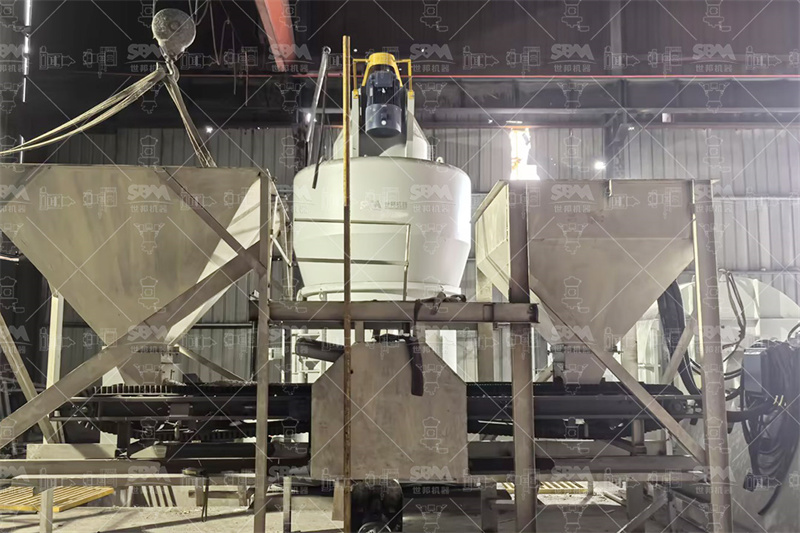
Run-of-mine talc ore is first reduced in size using jaw crushers or hammer mills to a manageable feed size (typically below 50mm). Beneficiation processes, such as flotation or magnetic separation, may follow to remove impurities like chlorite, carbonates, and iron-bearing minerals, which are detrimental to brightness and chemical purity. The output is a purified talc concentrate ready for fine grinding.
1.2 Drying
Moisture content must be controlled before fine grinding. Rotary dryers or flash dryers efficiently reduce moisture to optimal levels (often below 1%), ensuring efficient milling and preventing clogging in subsequent equipment.
2. Core Equipment for Fine and Ultrafine Grinding
This is the heart of the chemical-grade talc production line. The choice of mill dictates the final product’s fineness, particle shape, and thermal history.
2.1 Coarse to Medium Fine Grinding (600-45μm / 30-325 mesh)
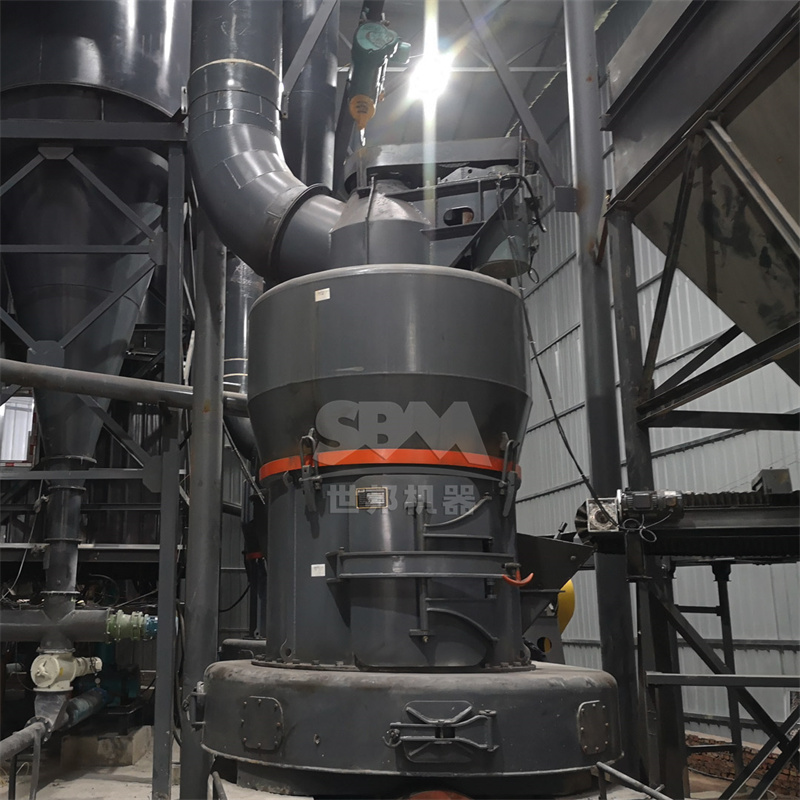
For producing talc powders in the range of 30 to 325 mesh, robust and efficient grinding systems are essential. The MTW Series European Trapezium Mill represents an excellent solution in this category. Its advanced design features, such as the anti-wear combined shovel blades and optimized arc air duct, ensure high grinding efficiency with reduced maintenance costs. The integral bevel gear drive offers transmission efficiency up to 98%, making it an energy-conscious choice for medium-scale production. With capacities ranging from 3 to 45 tons per hour and the ability to handle feed sizes up to 50mm, the MTW series provides a reliable and versatile platform for the initial fine grinding stage of talc.
2.2 Ultrafine and Superfine Grinding (45-5μm / 325-2500 mesh)
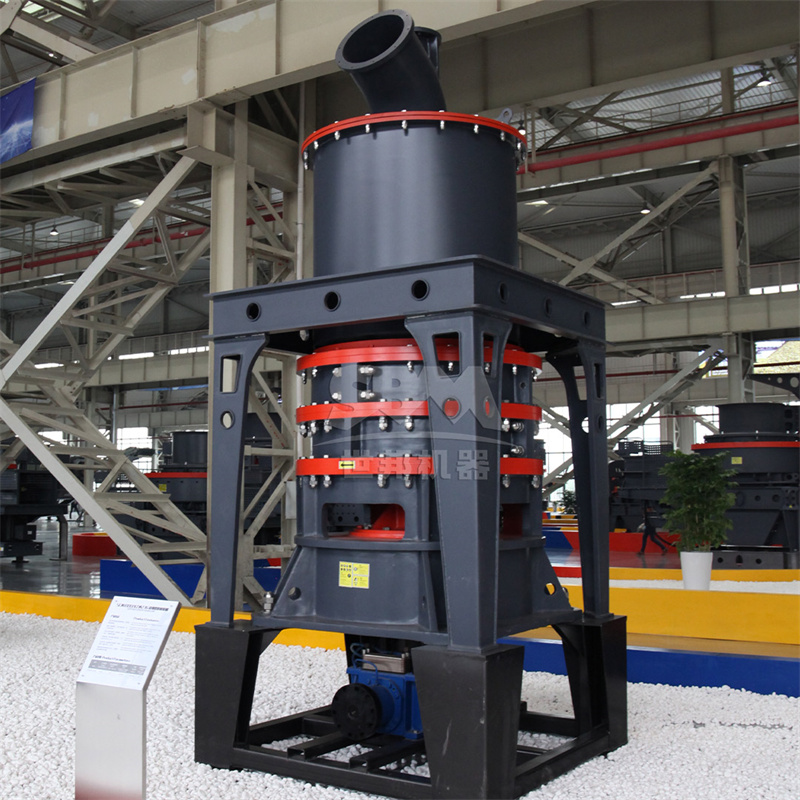
Achieving the sub-10-micron and even sub-5-micron particle sizes required for high-value applications demands specialized ultrafine grinding technology. Jet mills have been traditionally used but often suffer from high energy consumption and broad PSD. A superior alternative is the SCM Series Ultrafine Mill. This mill is engineered specifically for producing high-volume, consistent ultrafine powder. Its core advantages make it ideal for chemical-grade talc:
- High Efficiency & Energy Saving: It offers twice the capacity of comparable jet mills while consuming 30% less energy, significantly lowering operational costs.
- High-Precision Classification: The integrated vertical turbine classifier enables precise particle size “cutting,” ensuring a uniform finished product without coarse powder contamination.
- Durable Design: Special material rollers and rings, coupled with a shaftless screw grinding chamber, guarantee extended service life and stable, long-term operation—a critical factor for continuous production lines.
- Eco-friendly Operation: With a pulse dust collection system exceeding international standards and soundproof design, it meets stringent environmental and workplace regulations.
Capable of producing powder from 325 to 2500 mesh (45-5μm) at rates from 0.5 to 25 tons per hour, the SCM Ultrafine Mill is a cornerstone machine for producers targeting the premium talc market.
3. Auxiliary and Critical Support Systems
The performance of the grinding mill is only as good as the systems that support it.
3.1 Precise Classification
Dynamic classifiers, like the turbine classifier in the SCM mill, are essential for tight PSD control. For even higher precision, standalone high-efficiency cyclonic air classifiers can be installed in a closed circuit with a grinding mill to continuously separate and return oversize material.
3.2 Dedusting and Product Collection
A robust dust collection system is non-negotiable for product yield, plant cleanliness, and operator safety. Pulse-jet baghouse filters with high filtration efficiency (>99.9%) are the industry standard. They ensure that all airborne fines are captured and returned to the product stream, maximizing yield and achieving near-zero emissions.
3.3 Automation and Process Control
Modern mills feature PLC-based control systems that automate feed rate, grinding pressure, classifier speed, and air flow. This intelligent control ensures consistent product quality, optimizes energy use, and allows for remote monitoring, reducing the need for manual intervention and enhancing overall line reliability.
4. Material Handling and Packaging
The final, delicate talc powder requires gentle handling. Pneumatic conveying systems are preferred for transferring powder between silos. For bagging, fully automatic valve packers or big bag (FIBC) stations with integrated dust containment are used to ensure a clean, efficient, and accurate packaging process.
5. Key Considerations for Equipment Selection
When designing a chemical-grade talc line, several factors must be evaluated:
- Product Specifications: Target fineness (D50, D97), whiteness/brightness, and chemical purity are the primary drivers.
- Capacity and Scalability: Equipment must match required throughput with room for future expansion.
- Energy Consumption: Grinding is energy-intensive. Selecting high-efficiency mills like the SCM or MTW series is crucial for long-term profitability.
- Contamination Control: Equipment must be constructed with appropriate wear liners (e.g., ceramic, specialized alloys) to prevent iron contamination.
- Plant Footprint and Integration: Compact, integrated designs like vertical roller mills can save significant space and reduce civil costs.
Conclusion
Producing high-purity, chemical-grade talc powder is a sophisticated endeavor that relies on a synergistic combination of advanced machinery. The process chain, from beneficiation to ultrafine grinding and precise classification, must be designed with quality, efficiency, and reliability as top priorities. Investing in core technologies like the energy-efficient SCM Series Ultrafine Mill for superfine production and the robust MTW Series European Trapezium Mill for fine grinding forms a powerful foundation for a competitive talc processing plant. By integrating these key machines with intelligent control and comprehensive dedusting systems, producers can consistently meet the exacting standards of the global chemical-grade talc market.