
Introduction
The comprehensive utilization of coal gangue, a significant by-product of coal mining, has become a critical pathway for the sustainable development of the coal industry. Transforming this solid waste into valuable fine powder for applications in construction materials, cement additives, soil conditioners, and lightweight aggregates requires a systematic and efficient processing line. The heart of this transformation lies in the selection of appropriate grinding and processing machinery. This guide provides a detailed overview of the essential equipment needed for coal gangue powder production, focusing on the characteristics of different grinding mills to help you make an informed decision for your specific project requirements.
Understanding Coal Gangue: Feedstock Characteristics
Before selecting equipment, it is crucial to understand the material. Coal gangue is a heterogeneous mixture of clay minerals, sandstone, shale, and carbonaceous matter. Its properties, such as hardness (often 3-5 on the Mohs scale), moisture content, and abrasiveness, vary significantly depending on the source mine. These characteristics directly influence the choice of crushing and grinding technology, wear part selection, and overall system design. A typical processing flow involves primary crushing, secondary crushing (if necessary), drying, grinding, classification, and collection.
Core Processing Machinery: From Crushing to Fine Grinding
1. Primary and Secondary Crushing Equipment
The first step is size reduction of raw coal gangue from large lumps (often several hundred millimeters) to a manageable feed size for grinding mills (typically below 50mm).
- Jaw Crushers: Ideal for primary crushing due to their robust construction and ability to handle large, hard feed material. They provide high reduction ratios.
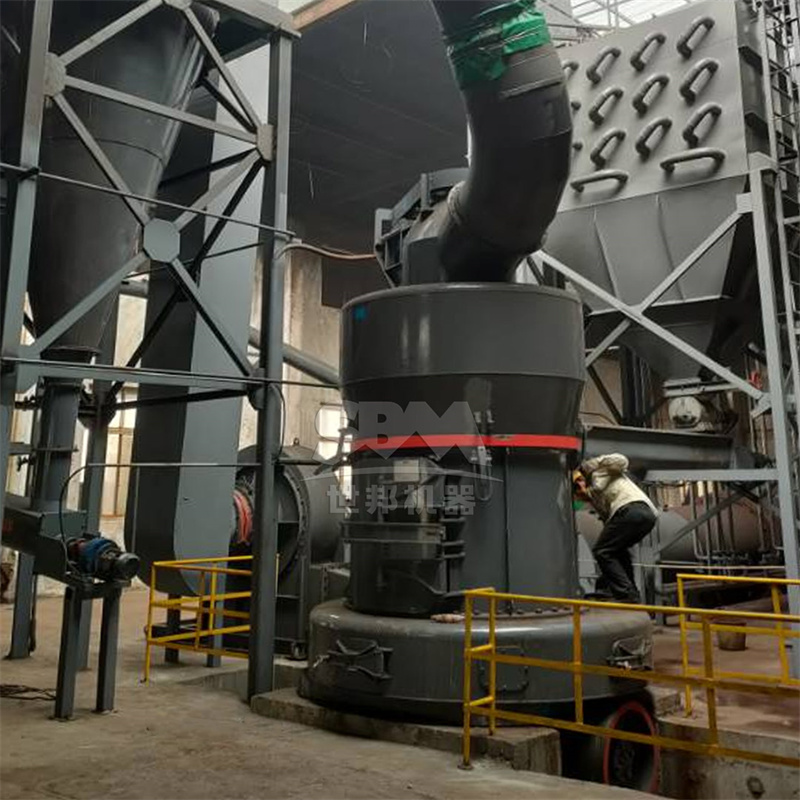
- Hammer Crushers: Excellent for secondary crushing of medium-hard materials like coal gangue. They offer a high crushing ratio and can produce a relatively uniform product size. Their simple structure and ease of maintenance make them a popular choice. For instance, a PC4012-90 Hammer Crusher can process 15-40 tons per hour, reducing feed from 0-40mm down to 0-3mm, making it a perfect pre-grinding stage unit.
2. Drying Systems
Coal gangue often has high inherent moisture. Efficient grinding requires dry material. Rotary dryers are commonly used, utilizing hot gases (often from a dedicated furnace or waste heat) to reduce moisture content to below 1-2%.
3. The Heart of the Process: Grinding Mills
This is the most critical stage where the crushed gangue is pulverized into fine powder. The choice of mill depends on the target fineness, capacity, energy efficiency goals, and investment budget.
a) For Coarse to Medium Fineness (30-325 mesh / 600-45μm)
When the target product is for use in concrete, bricks, or road base, mills producing powder in this range are optimal.
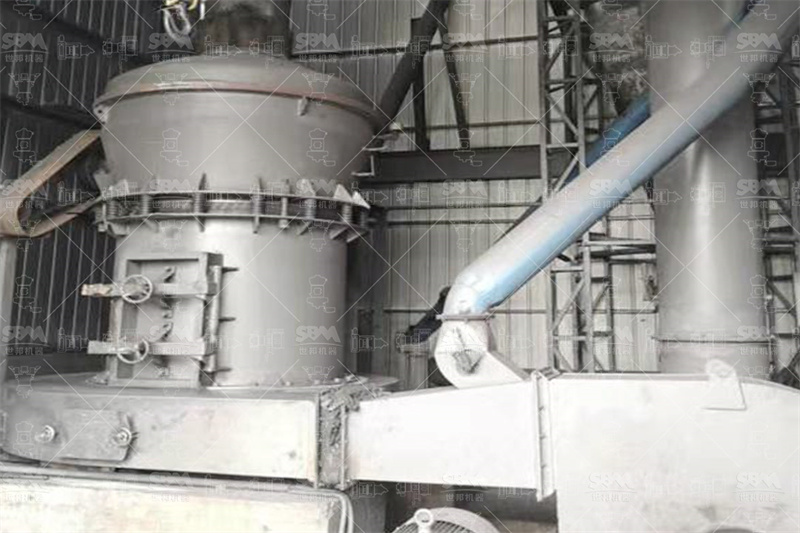
- MTW Series European Trapezium Mill: This represents an advanced generation of ring-roller mills. Its curved air duct, bevel gear overall drive, and wear-resistant volute structure offer significant advantages in transmission efficiency (up to 98%) and reduced maintenance costs. With a capacity range of 3-45 TPH and the ability to handle feed up to 50mm, it’s a versatile and reliable workhorse for medium-fine grinding of coal gangue. Models like the MTW215G can deliver 15-45 TPH, making it suitable for large-scale production lines.
- Ball Mills: A traditional and proven technology. They are highly versatile, capable of both dry and wet grinding, and can achieve a wide range of fineness. However, for dry grinding applications like coal gangue, they are generally less energy-efficient compared to vertical roller mills or trapezium mills, as energy is consumed in rotating the entire drum and grinding media.
b) For Fine and Ultrafine Fineness (325-2500 mesh / 45-5μm)
High-value applications such as high-performance cement additives, polymer fillers, or advanced ceramics require ultrafine powders. This demands more specialized grinding technology.
- SCM Series Ultrafine Mill: This mill is specifically engineered for producing fine and ultrafine powders. It operates on a layered grinding principle with a high-precision vertical turbine classifier. This ensures a narrow particle size distribution without coarse particle contamination. Its standout features include high efficiency (capacity can be twice that of jet mills), energy savings (approximately 30% lower consumption), and an eco-friendly design with high-efficiency pulse dust collection. For coal gangue aiming for markets in high-grade materials, the SCM Series is an excellent choice. A model like the SCM1250 can produce 2.5-14 TPH of powder ranging from 325 to 2500 mesh, balancing capacity with exceptional fineness control.
- LUM Ultrafine Vertical Roller Mill: Combines the benefits of vertical roller grinding (high efficiency, low wear) with advanced classifying technology for ultrafine products. Its multi-rotor classifier and intelligent PLC control system ensure stable production of consistent, high-quality superfine powder.
4. Classification and Collection Systems
Grinding is always paired with classification. Dynamic classifiers (integrated into mills like the MTW or SCM) continuously separate fine particles that meet the specification from coarse ones that are returned for further grinding. This closed-circuit operation is key to efficiency. The final product is then collected by a cyclone collector and a pulse jet baghouse dust collector, which ensures a clean working environment and recovers over 99.9% of the product.
Selecting the Right Mill: Key Considerations
- Target Product Fineness: This is the primary deciding factor. Choose MTW series for 30-325 mesh, and SCM or LUM series for 325-2500 mesh.
- Required Production Capacity: Match the mill model to your hourly or annual output goals.
- Energy Efficiency: Vertical roller mills (LUM) and advanced trapezium mills (MTW) typically offer 20-40% lower energy consumption per ton than traditional ball mills for similar fineness.
- Total Cost of Ownership: Consider not just the initial investment but also wear part life (e.g., rollers, rings), maintenance frequency, and power consumption.
- System Integration and Automation: Modern mills offer PLC-based control systems for stable operation, reduced manpower, and consistent product quality.
Conclusion
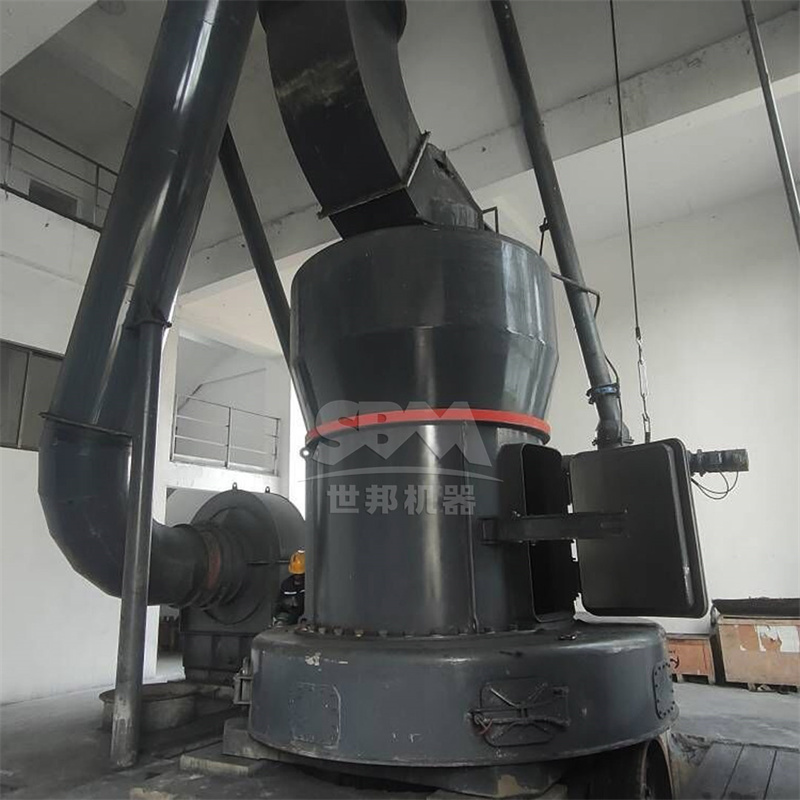
Establishing a successful coal gangue powder production line requires a careful matching of equipment to the raw material characteristics and the desired end product. The journey from raw gangue to valuable powder involves robust crushing, efficient drying, and most importantly, selecting the right grinding mill. For coarse to medium-fine applications, the MTW Series European Trapezium Mill stands out for its reliability, efficiency, and large capacity range. For ventures into the high-value ultrafine powder market, the SCM Series Ultrafine Mill provides the necessary precision, energy savings, and product quality. By investing in the appropriate processing machinery, operators can not only turn waste into wealth but also contribute significantly to environmental conservation and the circular economy.