
Introduction: The Critical Role of Talc in Modern Papermaking
The paper industry is a cornerstone of global communication and packaging, demanding continuous innovation in both materials and processes. Among the various functional additives used, talc stands out for its unique and multifaceted contributions. Primarily, talc acts as a highly effective pitch control agent, adsorbing and dispersing sticky wood resins that can otherwise cause production disruptions and paper defects. Furthermore, its lamellar structure enhances sheet smoothness, printability, and opacity while improving drainage on the paper machine wire. To unlock these benefits, raw talc ore must be transformed into a fine, consistently sized powder with specific chemical and physical properties. This transformation is achieved through a carefully selected sequence of grinding and processing machinery. This guide provides a detailed overview of the essential equipment used in producing high-quality talc additives for papermaking.
1. The Talc Processing Chain: From Ore to Additive
The journey from mined talc ore to a paper mill-ready additive involves several key stages, each requiring specialized machinery.
1.1 Primary Crushing and Drying
Raw talc ore extracted from mines varies significantly in size and moisture content. The first step is primary size reduction using crushers like jaw crushers or hammer mills to achieve a manageable feed size (typically below 50mm) for subsequent grinding. If the moisture content is high, rotary dryers are employed to reduce it, preventing clogging in fine grinding mills and ensuring efficient processing.
1.2 Fine and Ultrafine Grinding – The Heart of the Process
This is the most critical stage, where talc gains its functional properties. The choice of grinding mill depends on the target fineness, production capacity, and energy efficiency goals. Papermaking talc typically requires a top cut (D97) ranging from 10 microns (approx. 1,250 mesh) for high-end coatings to 45 microns (approx. 325 mesh) for filler applications. Achieving a narrow particle size distribution is crucial for performance.
1.3 Classification and Collection
Integrated or standalone air classifiers are used to separate fine particles from coarse ones. The coarse fraction is returned to the mill for further grinding (closed-circuit system), ensuring precise size control. Cyclone collectors and high-efficiency baghouse filter systems (pulse jet dust collectors) then capture the finished talc powder, ensuring high yield and meeting environmental standards for dust emission.
1.4 Packaging and Storage
The final talc powder is conveyed to silos for bulk storage or to automated bagging machines for packaging in bags or big bags, ready for shipment to paper mills.
2. Key Machinery for Talc Grinding and Their Applications
Different grinding technologies offer distinct advantages for talc processing. Here’s a breakdown of the most relevant types.
2.1 Raymond Mill / Pendulum Roller Mill (For 30-325 Mesh)
This is a traditional and robust workhorse for producing medium-fineness talc. It operates on the principle of spring-loaded rollers rotating against a stationary ring, crushing the material. Modern versions like the MTW Series European Trapezium Mill offer significant advancements. With an output fineness range of 30-325 mesh (600-45μm) and capacities from 3 to 45 tons per hour, it is ideal for high-volume production of talc for filler applications. Its technical advantages are particularly suited for reliable, large-scale operation: the anti-wear shovel design and combined shovel blades drastically reduce maintenance costs, while the integral bevel gear drive boasts up to 98% transmission efficiency, saving energy. The optimized arc air duct and wear-resistant volute structure further enhance overall system efficiency and longevity.

2.2 Vertical Roller Mill (VRM) (For 30-325 Mesh, High Capacity)
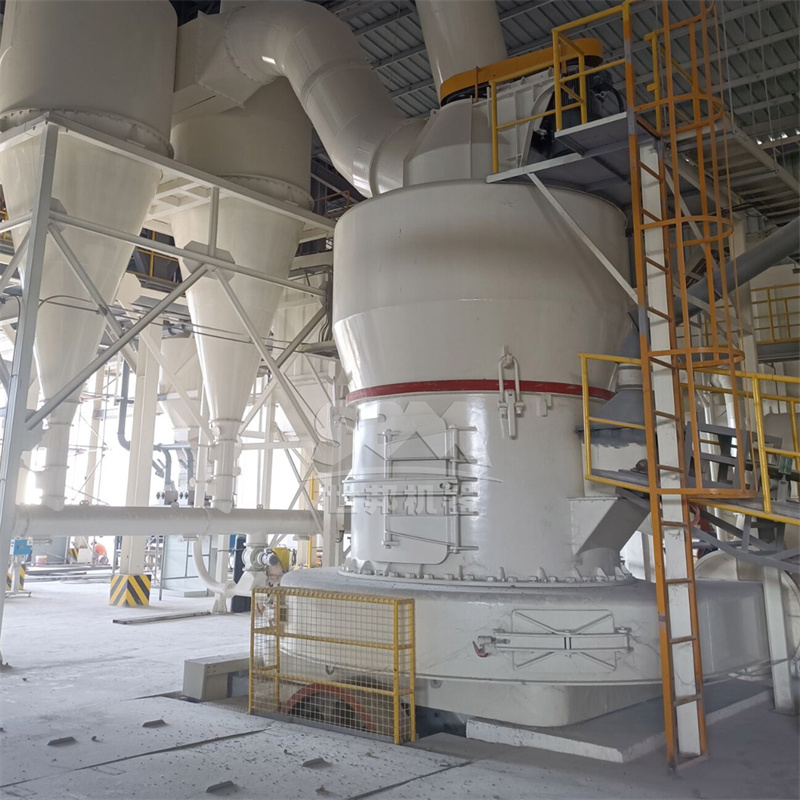
VRMs have become increasingly popular for large-scale mineral processing due to their excellent energy efficiency. Material is ground between a rotating table and two or more hydraulically pressurized rollers. The LM Series Vertical Roller Mill exemplifies this technology for talc. Its integrated design combines crushing, grinding, drying, and classification in a single unit, reducing floor space by up to 50%. Most notably, it offers 30-40% lower energy consumption compared to traditional ball mill systems, making it a top choice for cost-sensitive, high-capacity production lines (3-250 t/h). Its fully sealed negative pressure operation also ensures excellent environmental compliance.
2.3 Ball Mill (For 0.074-0.8mm / 200-20 Mesh)
While less common for modern, high-value paper talc due to higher energy consumption and broader particle size distribution, ball mills are still used, especially in wet grinding processes or where a very wide fineness range (0.074-0.8mm) is acceptable. They operate via impact and attrition as grinding media (steel balls) cascade inside a rotating cylinder.
2.4 Ultrafine Grinding Mills (For 325-2500 Mesh / 45-5μm)
For premium paper coatings and high-performance pitch control, ultrafine talc with a top cut below 10 microns is required. This demands advanced grinding technology.
- Jet Mills: Use high-speed jets of compressed air or steam to cause particle-on-particle impact, ideal for heat-sensitive materials and extremely fine products. However, they can have high energy costs.
- Ultrafine Vertical Roller Mills: An evolution of the VRM, designed for higher fineness. The LUM Ultrafine Vertical Roller Mill can produce talc in the 325-2500 mesh range, featuring multi-rotor classification for precise cuts and smart PLC control.
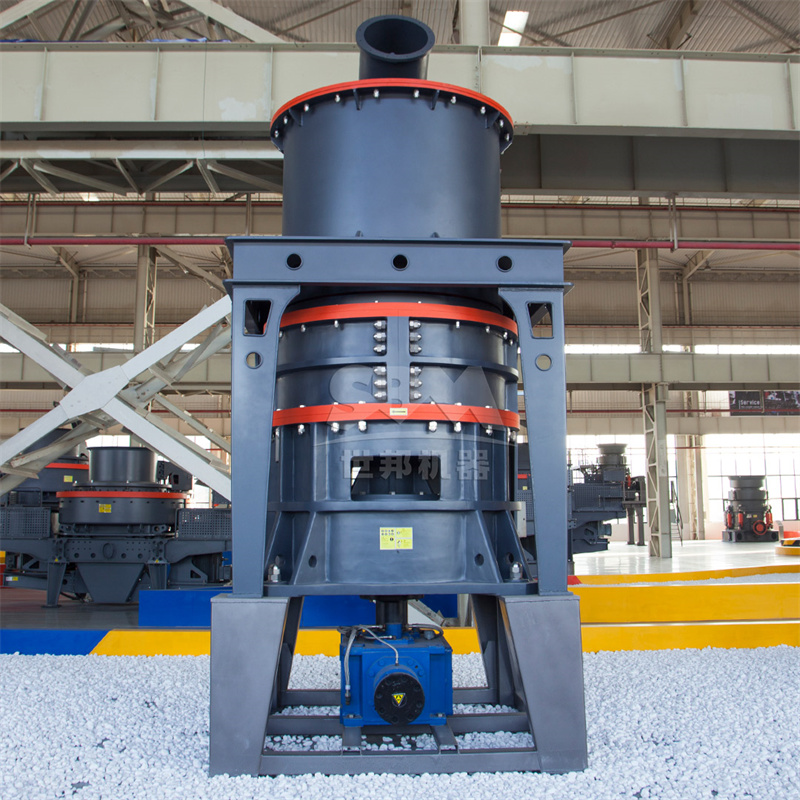
- Ring-Roller Mills (Ultrafine): These mills, such as the SCM Series Ultrafine Mill, are among the most efficient and popular choices for producing high-quality paper-grade talc. They utilize a unique principle where material is crushed by roller pressure against a grinding ring in a multi-layered path. The SCM series is particularly noteworthy for producing talc in the critical 325-2500 mesh (45-5μm) range. It combines high efficiency with energy savings, offering capacity that is twice that of jet mills while consuming 30% less energy. Its high-precision vertical turbine classifier ensures no coarse powder mixing, delivering a uniform product essential for consistent papermaking performance. Furthermore, its durable design with special material rollers and an eco-friendly, low-noise operation makes it a superior and reliable solution for modern talc processing plants aiming for the premium additive market.
3. Selecting the Right Machinery: A Decision Framework
Choosing the optimal equipment requires balancing several factors:
- Target Fineness and Particle Size Distribution (PSD): Define the D50, D97, and top cut required by your paper mill customers. Narrow PSDs demand mills with high-precision classifiers.
- Required Production Capacity (tons/hour): Match the mill model to your plant’s throughput requirements.
- Energy Efficiency: Consider the total system power consumption. VRMs and advanced ring-roller mills like the SCM series often lead in this category.
- Capital and Operational Costs (CAPEX/OPEX): Evaluate the initial investment against long-term costs for wear parts, maintenance, and power.
- Product Whiteness and Contamination: Ensure the mill’s grinding elements and design minimize iron contamination, which can affect talc brightness.
- System Integration and Automation: Modern mills with integrated drying, grinding, and classification, along with PLC control systems, reduce manpower and improve consistency.
Conclusion
The production of high-performance talc additives for the paper industry is a sophisticated process underpinned by advanced grinding technology. From the robust, high-capacity grinding of the MTW Series Mill for filler-grade products to the precise, energy-efficient ultrafine processing of the SCM Series Ultrafine Mill for coating and premium pitch control grades, selecting the right machinery is paramount. By understanding the capabilities and advantages of different mill types—such as vertical roller mills for integrated efficiency and ring-roller mills for superior ultrafine classification—processors can invest in a system that delivers the precise talc properties papermakers demand, ensuring optimal runnability and final paper quality while maintaining competitive operational costs.