Introduction
The production of high-quality barite-based dehydrating agents, crucial for applications in oil and gas drilling fluids, paints, and chemical industries, demands a sophisticated and precise processing chain. The quality of the final product—characterized by its fineness, particle size distribution, whiteness, and chemical purity—is directly dependent on the efficiency and capability of the machinery employed. From primary crushing to ultra-fine grinding, each stage requires specialized equipment designed to handle barite’s specific properties, such as its moderate hardness (3-3.5 on Mohs scale) and high specific gravity. This article explores the essential machinery in a modern barite processing plant, focusing on the technological advancements that ensure consistent, high-grade output suitable for premium dehydrating agents.
The Barite Processing Chain: An Overview
A typical barite processing line involves several sequential stages: primary crushing, secondary crushing, grinding, classification, and sometimes surface modification. The raw barite ore, often containing impurities like quartz, calcite, and sulfides, first undergoes crushing to reduce its size for subsequent grinding. The grinding stage is the most critical, as it determines the final particle size and surface area, which are key parameters for a dehydrating agent’s performance. Efficient classification systems are then integrated to ensure a narrow and consistent particle size distribution, removing both oversize and undersize fractions. The selection of equipment at each juncture must balance throughput, energy consumption, product quality, and operational costs.
Core Machinery in Barite Processing
1. Primary and Secondary Crushing
Jaw crushers and impact crushers are commonly used for the initial size reduction of large barite lumps (up to several hundred millimeters). The goal here is to achieve a feedstock size suitable for the grinding mills, typically below 50mm. Equipment with high crushing ratios and wear-resistant components is essential to handle barite’s abrasive nature.
2. Grinding: The Heart of the Process
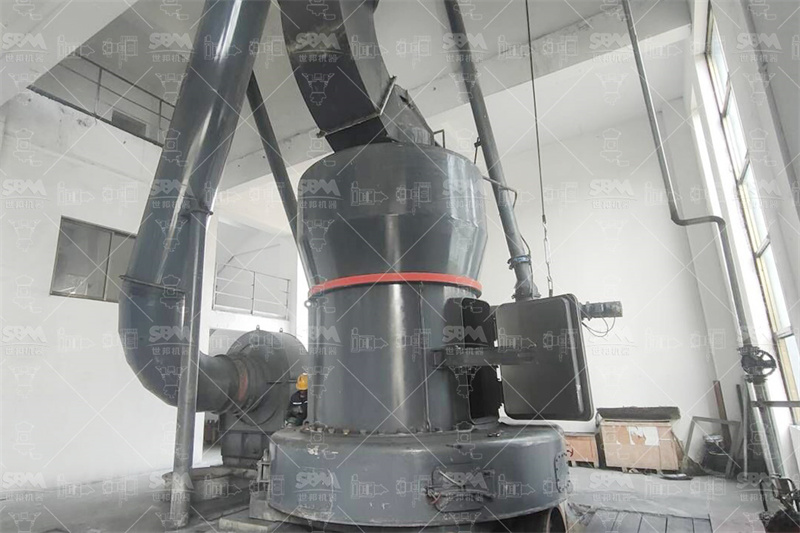
This is where the decisive transformation occurs. The choice of grinding mill dictates the product’s fineness range, capacity, and overall efficiency. Different mill types cater to different final product specifications.
- For Coarse to Medium Grinding (30-325 mesh / 600-45μm): Mills like the Raymond mill (pendulum mill) or European Trapezium Mills are workhorses for producing barite powder for standard-grade weighting agents. They offer robust construction and high capacity for this fineness range.
- For Fine and Ultra-fine Grinding (325-2500 mesh / 45-5μm and below): Producing high-quality dehydrating agents often requires ultra-fine barite powder with high surface area. This demands advanced grinding technology capable of delivering precise particle size control with minimal energy input.
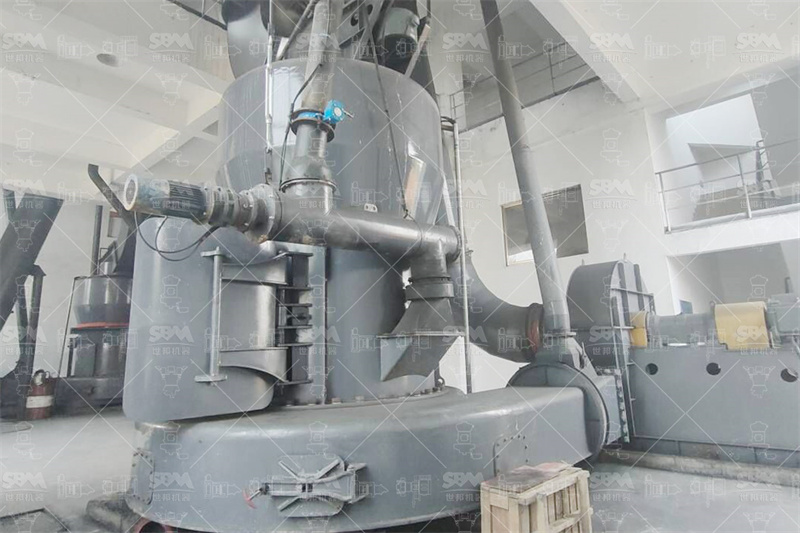
For operations targeting the premium ultra-fine barite market, the SCM Series Ultrafine Mill represents a paradigm shift in efficiency and precision. With an output fineness range of 325-2500 mesh (45-5μm) and capacities from 0.5 to 25 tons per hour, it is engineered specifically for high-value mineral processing. Its core advantages include high-efficiency classification via a vertical turbine classifier ensuring no coarse powder mixing, and a durable design featuring special material rollers and rings that extend service life significantly. Furthermore, its energy consumption is up to 30% lower than traditional jet mills while offering double the capacity, making it an economically and environmentally superior choice for producing top-tier dehydrating agents.
3. Classification and Separation
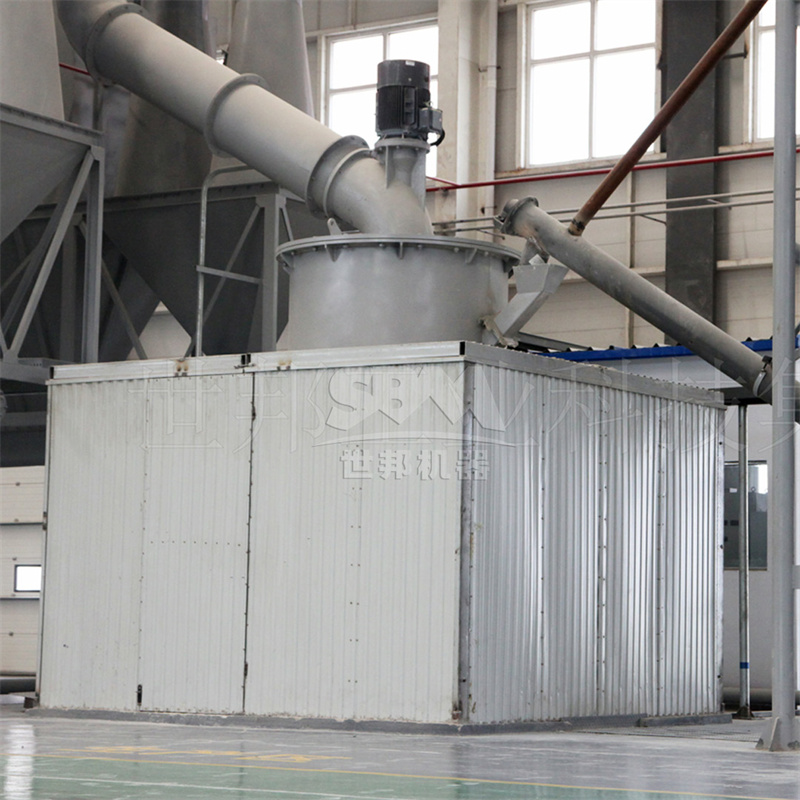
Integrated or standalone classifiers, such as dynamic air classifiers or turbo classifiers, are vital for controlling the top cut size and ensuring a tight particle distribution. For barite, high-efficiency cyclones and baghouse dust collectors are also integral to the system, recovering product and meeting environmental standards.
4. Drying
If the processing involves wet grinding or if the raw material has high moisture content, rotary dryers or vertical turbo dryers are employed to reduce moisture to acceptable levels (typically below 1% for dehydrating agents).
Technological Advancements Driving Quality
Modern barite processing equipment incorporates several key advancements that directly contribute to product quality:
- Intelligent Control Systems: PLC-based automation allows for real-time monitoring and adjustment of mill parameters like feed rate, classifier speed, and grinding pressure. This ensures consistent product fineness despite variations in feed material.
- High-Precision Classification Technology: Advanced classifier designs enable sharper particle size cuts, directly enhancing the dehydration efficiency and flow properties of the final barite powder.
- Wear-Resistant Material Science: The use of high-chrome alloys, ceramics, and other advanced materials for grinding rollers, rings, and liners drastically reduces metallic contamination and maintenance downtime, preserving product purity and plant availability.
- Integrated System Design: Contemporary mill systems often combine grinding, classification, and collection into a single, compact unit. This not only reduces footprint and energy loss but also improves the overall stability of the production process.
An exemplary model of this integrated, high-capacity approach is the LM Series Vertical Roller Mill. Particularly suitable for large-scale production of barite powder in the 30-325 mesh range (with special models reaching 600 mesh), it offers unparalleled efficiency. Its integrated design crushes, grinds, dries, and classifies in one unit, reducing floor space by 50% and energy consumption by 30-40% compared to traditional ball mill systems. Features like its intelligent expert control system, fully sealed negative pressure operation for dust-free environments, and a modular grinding roller quick-change system make it a cornerstone for reliable, high-volume production of consistent-quality barite.
Conclusion
The journey from raw barite ore to a high-performance dehydrating agent is a technological one, paved with specialized machinery. The selection of the right processing equipment—from robust crushers to high-efficiency, intelligent grinding mills like the SCM Ultrafine Mill for ultra-fine applications or the LM Vertical Roller Mill for large-scale production—is not merely an operational decision but a strategic one. It defines the product’s market positioning, cost structure, and environmental footprint. Investing in advanced, reliable, and efficient processing technology is, therefore, the fundamental key to unlocking the full value of barite and securing a competitive edge in the demanding market for high-quality dehydrating agents.