
The production of high-quality cosmetic talc additives is a sophisticated process that demands precision, consistency, and stringent control over particle size and purity. Talc, a naturally occurring magnesium silicate mineral, is prized in cosmetics for its softness, slip, oil absorption, and ability to provide a matte finish. To transform raw talc ore into the fine, uniform powder suitable for foundations, powders, and blushes, a carefully selected array of grinding and processing machinery is essential. This guide explores the key equipment used in the cosmetic talc production line, from primary crushing to ultra-fine milling and classification.
1. The Cosmetic Talc Production Process: An Overview
The journey from raw talc block to cosmetic-grade powder involves several critical stages. First, mined talc ore undergoes beneficiation to remove impurities like carbonates, chlorite, and iron oxides. The purified talc is then dried to reduce moisture content. The core of the process lies in the size reduction stages: primary crushing to reduce large lumps, secondary grinding to a coarse powder, and finally, ultra-fine milling to achieve the desired fineness (typically ranging from 45 microns down to 5 microns or less). Each stage requires specific machinery designed for efficiency, cleanliness, and particle size control.
2. Primary Crushing and Coarse Grinding Equipment
The initial size reduction of talc ore is handled by robust crushers and coarse grinders.
2.1 Jaw Crushers
Jaw crushers are typically the first point of contact for large talc blocks. They use a fixed and a movable jaw to apply compressive force, breaking the material into manageable pieces of 50-150mm. Their rugged design makes them ideal for handling the initial, abrasive stage of size reduction.
2.2 Hammer Mills
For further reduction to a finer granulate (0-3mm), hammer mills are highly effective. They operate on the principle of impact by rapidly rotating hammers. Their advantages include a high crushing ratio, simple structure, and ease of maintenance. For cosmetic talc production, models with fully sealed designs and efficient dust collection ports are preferred to maintain purity.
3. Key Machinery for Fine and Ultra-Fine Grinding
This is the most critical phase for cosmetic talc, where the final particle size distribution, whiteness, and texture are determined. Several types of mills are employed, each with distinct advantages.
3.1 Raymond Mill / Pendulum Roller Mill
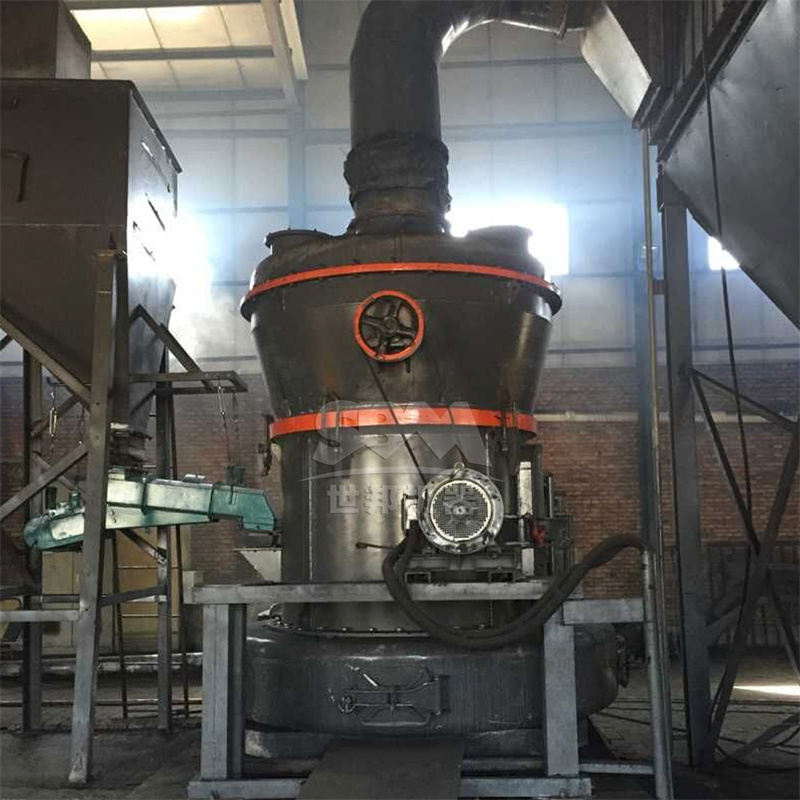
Traditional Raymond mills or modern pendulum roller mills (like the MTW Series) are excellent for producing talc powder in the medium-fineness range (30-325 mesh/600-45μm). They work by grinding material between rotating rollers and a stationary ring. They are known for their reliability, stable output, and relatively low operating costs. The MTW Series European Trapezium Mill represents an advanced evolution of this technology. It features an anti-wear shovel design and an optimized arc air duct that reduces energy loss. Its integral bevel gear drive boasts up to 98% transmission efficiency. For cosmetic talc producers needing consistent output in the 30-325 mesh range with capacities from 3 to 45 tons per hour, the MTW series offers a robust and efficient solution, significantly reducing maintenance costs with its wear-resistant components.
3.2 Ball Mills
Ball mills are versatile workhorses that can operate in both dry and wet modes. They consist of a rotating cylinder filled with grinding media (steel balls). The cascading and tumbling action of the balls provides a combination of impact and attrition to grind the talc. While capable of producing fine powder (0.074-0.8mm), they are less energy-efficient for achieving ultra-fine sizes compared to more modern mills and may introduce higher iron contamination risks from media wear, a critical concern for cosmetic-grade talc.
3.3 Vertical Roller Mills (VRM)
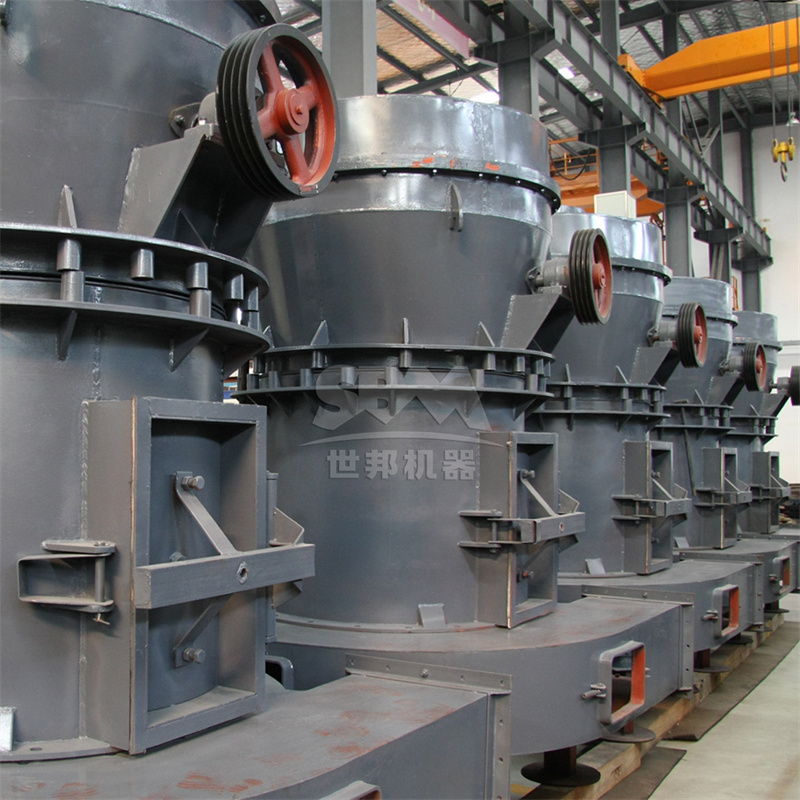
VRMs, such as the LM Series, represent a significant leap in grinding technology. They integrate crushing, grinding, drying, and classification in a single compact unit. Material is ground between rollers and a rotating table before being carried by an air stream to an integrated classifier. Their primary advantages are remarkable energy savings (30-40% lower than ball mills), a small footprint, and excellent drying capability if hot air is introduced. They are perfectly suited for high-capacity production of fine talc powder (30-325 mesh).
4. The Pinnacle of Fineness: Ultrafine Grinding Mills
To achieve the superfine and ultrafine powders (325-2500 mesh / 45-5μm) required for high-end cosmetic applications, specialized equipment is necessary.
4.1 Jet Mills
Jet mills use high-speed jets of compressed air or steam to cause particle-on-particle impact and attrition. They can produce extremely fine, contamination-free powder with a narrow particle size distribution. However, they are characterized by high energy consumption and operational costs.
4.2 Ultrafine Vertical Roller Mills
Advanced VRMs designed for ultrafine grinding, like the LUM series, combine the principles of bed grinding with highly precise classification systems. They offer better energy efficiency than jet mills while maintaining excellent product quality.
4.3 The Ideal Choice: SCM Series Ultrafine Mill
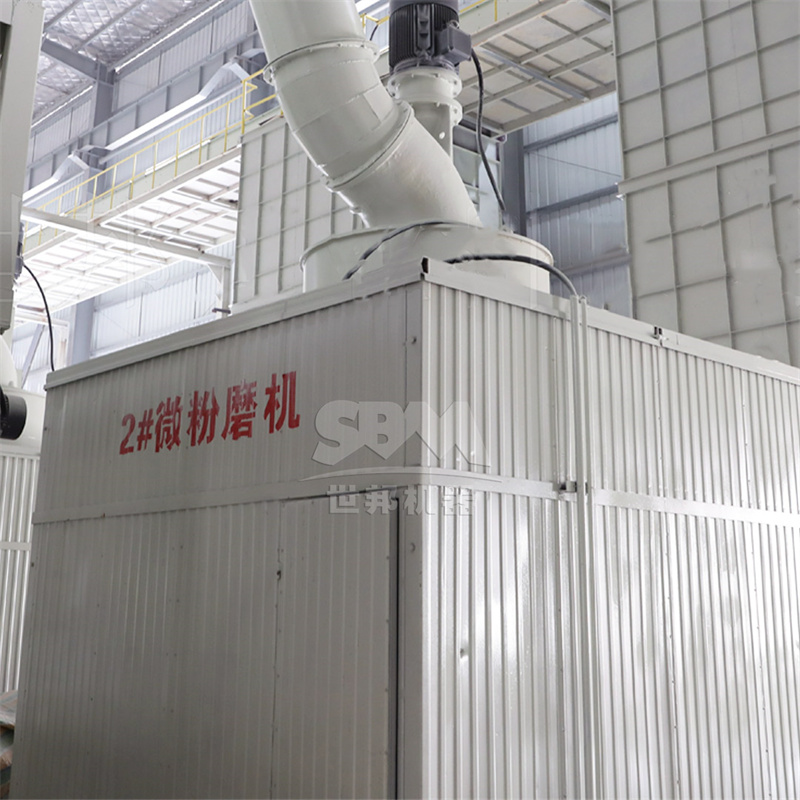
For cosmetic talc producers targeting the high-value ultrafine market, the SCM Series Ultrafine Mill stands out as a premier solution. Engineered to produce powder from 325 to 2500 mesh (45-5μm), it directly addresses the core need for exceptional fineness and uniformity in cosmetic additives.
Its technical advantages are particularly relevant:
- High Efficiency & Energy Saving: With a capacity twice that of jet mills and 30% lower energy consumption, it dramatically reduces production costs. Its intelligent control system with automatic granularity feedback ensures consistent quality.
- High-Precision Classification: The vertical turbine classifier provides precise particle size cutting, eliminating coarse powder mixing. This results in a uniform finished product with a tight particle size distribution—a critical factor for the smooth feel and performance of cosmetic talc.
- Durable & Eco-friendly: Special material rollers and rings extend service life, while the pulse dust collection system (efficiency exceeding international standards) and soundproof design ensure clean and quiet operation, aligning with modern factory environmental and safety standards.
With models like the SCM800 (0.5-4.5 t/h) up to the SCM1680 (5.0-25 t/h), this mill series offers scalable solutions for cosmetic talc manufacturers of all sizes, enabling them to produce premium-grade additives with superior control and economy.
5. Auxiliary and Critical Supporting Equipment
No grinding line is complete without its supporting systems.
5.1 Classifiers
Dynamic classifiers, often integrated into mills like the SCM or MTW series, are vital for controlling the top particle size. They use centrifugal force and airflow to separate fine particles (which proceed to collection) from coarse ones (which are returned for further grinding).
5.2 Dust Collection Systems
Pulse-jet baghouse dust collectors are standard in modern talc plants. They maintain negative pressure in the milling system, preventing dust escape, ensuring worker safety, and recovering valuable product. High-efficiency filters are mandatory to meet emission regulations.
5.3 Conveying and Feeding Systems
Screw conveyors, bucket elevators, and volumetric or weigh feeders ensure a steady, controlled supply of material to each stage of the process, which is crucial for stable mill operation and consistent product quality.
6. Conclusion: Selecting the Right Machinery
The choice of equipment for producing cosmetic talc additives depends on the target fineness, required capacity, capital budget, and operational cost goals. A typical, efficient flowsheet might involve a jaw crusher and hammer mill for primary reduction, followed by an MTW Series Mill for fine grinding if a coarser grade is needed, and invariably, an SCM Series Ultrafine Mill as the final processing stage to achieve the exquisite fineness demanded by the cosmetics industry. Investing in advanced, energy-efficient, and precisely controllable machinery like the SCM and MTW series is not merely an equipment purchase—it is an investment in product quality, market competitiveness, and sustainable, profitable manufacturing. By understanding the roles and capabilities of each machine, producers can build a talc processing line that delivers purity, performance, and perfection in every batch.