
Introduction: The Critical Role of Titanium Additives in Advanced Ceramics
The production of high-performance ceramics, from structural components to electronic substrates, increasingly relies on precise material engineering. Titanium-based additives, such as titanium dioxide (TiO2) and titanium carbide (TiC), are pivotal in this field. They are used to modify dielectric properties, enhance mechanical strength, improve thermal conductivity, and control sintering behavior. However, the efficacy of these additives is intrinsically tied to their particle size, distribution, purity, and morphology. Achieving the required specifications—often in the ultrafine (micron) to nano-scale range—demands specialized grinding and processing machinery. This guide explores the essential equipment used in the production chain for titanium ceramic additives, from primary size reduction to final precision classification.
Stage 1: Primary Crushing and Coarse Grinding
The journey begins with raw titanium-bearing minerals or synthesized intermediates. The initial goal is to reduce large chunks or agglomerates to a manageable feed size for fine grinding mills.
Jaw Crushers and Hammer Mills
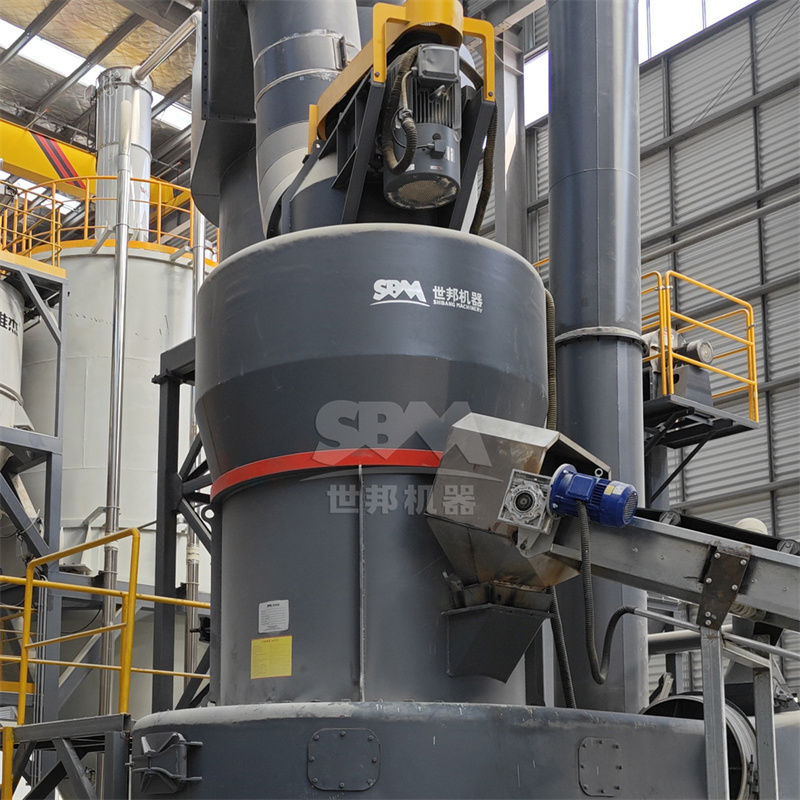
For feed materials up to 50mm, robust primary crushers like jaw crushers are employed. For softer or medium-hard materials, Hammer Mills offer an efficient solution. Operating on the impact principle with high-speed rotating hammers, they can quickly reduce material to below 3mm. Their advantages include a high crushing ratio, simple structure, and relatively low investment cost. For instance, a model like the PC4012-90 Hammer Mill can process 15-40 tons per hour with a 90kW motor, making it suitable for initial size reduction in a titanium processing line.
Stage 2: Fine and Ultrafine Grinding – The Core of Additive Production
This is the most critical stage, where the final particle characteristics are defined. The choice of mill depends on the target fineness, required throughput, energy efficiency goals, and need for contamination control.
1. Ball Mills: The Traditional Workhorse
Ball mills operate on the principle of impact and attrition as grinding media (steel or ceramic balls) cascade inside a rotating shell. They are versatile and can produce powders in the range of 0.074-0.8mm (approximately 200-20 mesh). While effective, they are less energy-efficient for achieving very fine (< 45μm) powders and can introduce iron contamination from media wear, a significant concern for high-purity ceramic additives. Modern large-scale models, like the GMQG2445, offer capacities up to 55 t/h but are often used for intermediate grinding or where extreme fineness is not the primary goal.
2. Vertical Roller Mills (VRM): Efficiency for Medium Fines
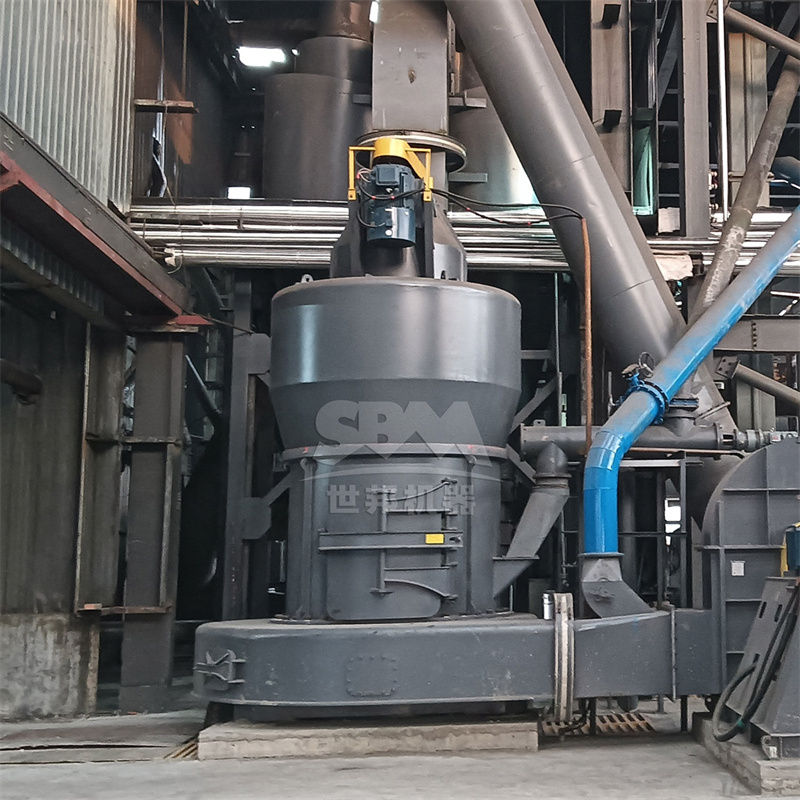
Vertical Roller Mills, such as the LM Series and MTW Series European Trapezium Mill, represent a leap in efficiency for producing powders in the 30-325 mesh (600-45μm) range. Material is ground between rollers and a rotating table, with immediate classification by internal airflow. Their integrated design reduces floor space by up to 50% and offers energy savings of 30-40% compared to ball mills. The MTW Series, in particular, features patented technologies like an optimized arc air duct and integral bevel gear drive (98% transmission efficiency), making it an excellent choice for high-capacity (3-45 t/h) production of titanium powders where precise control in the medium-fine range is required.
3. Ultrafine Grinding Mills: Achieving Ceramic-Grade Fineness
For titanium additives destined for advanced ceramics, achieving fineness of 325 mesh (45μm) and beyond—into the 2500 mesh (5μm) range—is often mandatory. This demands specialized ultrafine grinding technology.
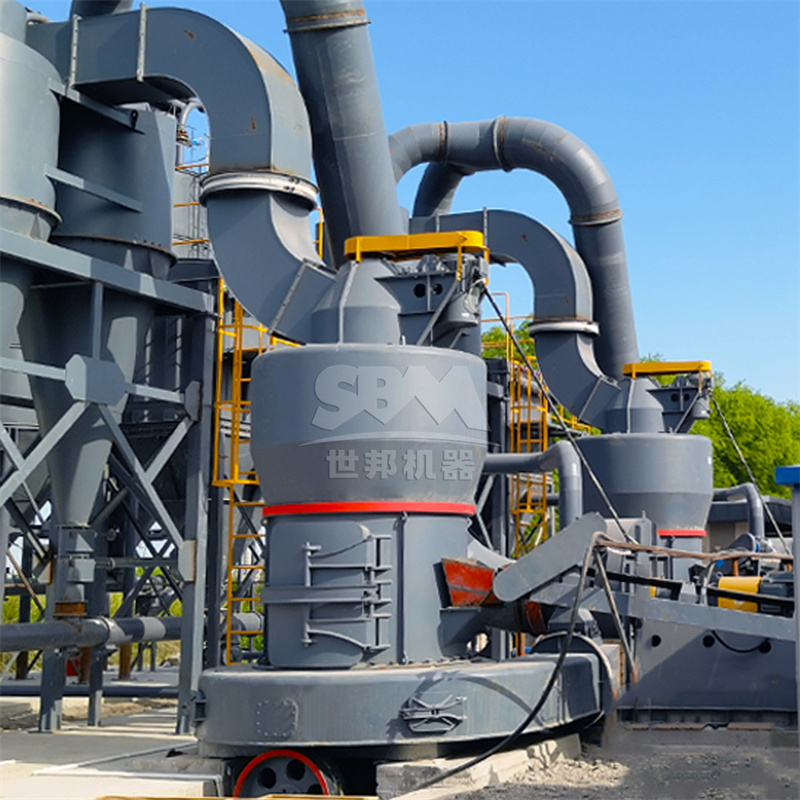
SCM Series Ultrafine Mill is a standout solution in this category. Engineered specifically for producing micro-powders, it combines grinding, classification, and conveying into one system. Its vertical turbine classifier ensures precise particle size cutting, eliminating coarse powder mixing for a highly uniform product—a critical factor for consistent ceramic performance. With an output fineness adjustable between 325-2500 mesh (45-5μm) and capacities from 0.5 to 25 t/h, it covers the exact needs of titanium additive production. Furthermore, its design emphasizes durability with special material rollers and rings, and eco-friendliness with a high-efficiency pulse dust collection system. For producers aiming for the highest quality titanium dioxide or titanium compound powders with superior uniformity and controlled top-size, the SCM Ultrafine Mill is a highly recommended technology.
Stage 3: Classification and Collection
Grinding is only half the process; precise separation of particles by size is equally important.
Dynamic Classifiers and Cyclone Collectors
Modern mills like the SCM and MTW series incorporate high-efficiency dynamic classifiers (often turbine-type) that instantly separate fine particles from the grinding zone. This prevents over-grinding and ensures a sharp particle size distribution. The separated powder is then collected using cyclone collectors and final-stage baghouse filters or pulse dust collectors, which achieve collection efficiencies exceeding 99.9%, ensuring product yield and a clean working environment.
Stage 4: Auxiliary Systems and Process Control
A complete processing line involves more than just the mill.
- Feeding Systems: Vibratory or screw feeders ensure a steady, controlled supply of material to the mill.
- Drying Systems: If the titanium feedstock is moist, integrated hot air generators or separate dryers may be necessary.
- Automation & Control: Advanced mills feature PLC-based control systems that monitor key parameters (motor load, temperature, pressure) and allow for automatic adjustment of classifier speed and feed rate to maintain consistent product fineness.
Conclusion: Selecting the Right Machinery for Your Needs
The production of titanium additives for ceramics is a precision engineering task. The selection of grinding equipment should be guided by:
- Target Fineness and Distribution: Define your D50 and D97 requirements.
- Production Capacity: Determine required hourly or annual throughput.
- Contamination Tolerance: Choose materials and designs (e.g., ceramic-lined) that minimize impurity introduction.
- Total Cost of Ownership: Consider energy consumption, wear part life, and maintenance needs alongside initial investment.
For coarse to medium-fine grinding with high capacity, the MTW European Trapezium Mill offers an optimal balance of efficiency and reliability. For the definitive step into true ultrafine powders essential for modern ceramics, the SCM Series Ultrafine Mill provides the precision, uniformity, and environmental controls necessary to produce premium-grade titanium additives. By investing in the appropriate grinding technology, manufacturers can ensure their ceramic additives deliver the enhanced properties that define next-generation ceramic materials.