
Introduction: The Critical Role of Fly Ash Processing in Wastewater Treatment
The management of by-products is a significant operational and environmental challenge for modern wastewater treatment plants (WWTPs). Among these, fly ash—a fine, powdery residue collected from the flue gases of sludge incineration facilities—presents both a disposal problem and a potential resource. Properly processed fly ash can be utilized in construction materials, cement production, and soil stabilization, transforming a waste liability into a valuable commodity. The key to unlocking this potential lies in selecting the appropriate processing equipment. This article provides a comprehensive guide for WWTP engineers and managers on the critical factors to consider when choosing fly ash grinding and classification systems, ensuring efficiency, compliance, and economic viability.
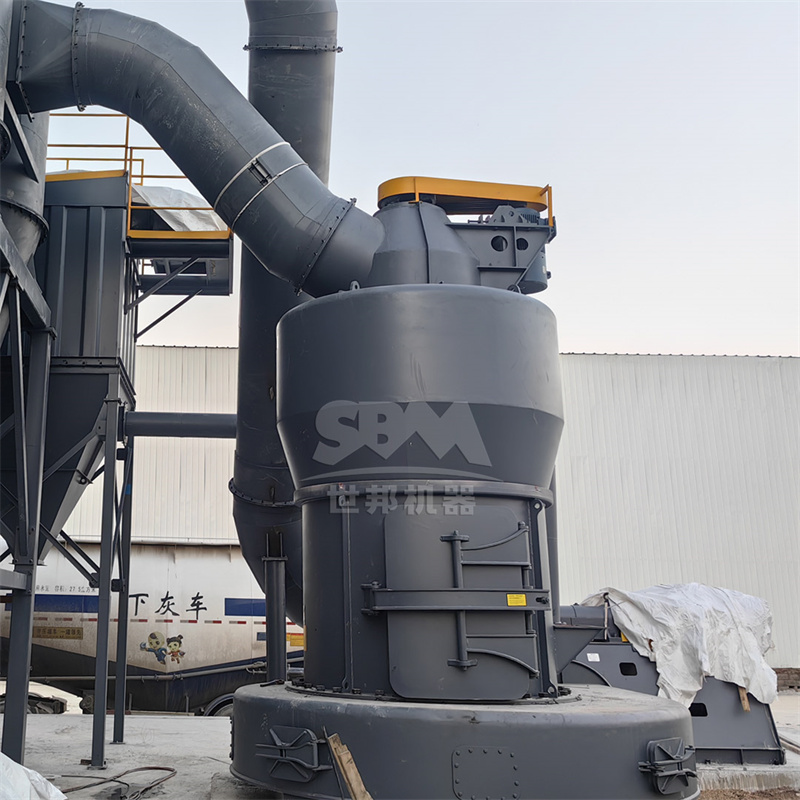
1. Key Considerations for Equipment Selection
Selecting the right equipment is not a one-size-fits-all decision. It requires a careful analysis of your plant’s specific needs and constraints.
1.1. Feedstock Characteristics
- Particle Size & Moisture: The initial size (typically ≤20mm after primary crushing) and moisture content of the collected fly ash directly impact the choice of mill. High moisture may require integrated drying systems.
- Abrasiveness & Composition: Fly ash can be highly abrasive, containing silica and other hard minerals. Equipment with superior wear-resistant materials is essential to minimize downtime and maintenance costs.
- Desired Final Product Specification: The end-use application dictates the required fineness. For use as a cement substitute (pozzolan), a fineness of 325-600 mesh is common. For high-value applications like filler materials, ultrafine grinding to 2500 mesh may be necessary.
1.2. Capacity and Throughput Requirements
Match the equipment’s hourly capacity (e.g., 3-45 t/h) with your plant’s daily ash production volume. Consider both current output and future expansion plans. Under-sizing leads to bottlenecks, while over-sizing results in unnecessary capital expenditure and energy waste.
1.3. Energy Efficiency and Operational Costs
Grinding is an energy-intensive process. Modern, optimized mills can offer energy savings of 30-50% compared to traditional ball mills. Evaluating the total cost of ownership—including power consumption, wear part replacement, and labor—is crucial for long-term profitability.
1.4. Environmental Compliance and Plant Integration
WWTPs operate under strict environmental regulations. Processing equipment must feature fully sealed, negative-pressure operation and highly efficient pulse dust collection systems (exceeding 99.9% efficiency) to prevent secondary pollution. The system’s footprint and noise levels must also be compatible with the plant’s layout and community standards.
2. Overview of Fly Ash Processing Equipment Technologies
Different grinding technologies offer distinct advantages depending on the application’s requirements.
2.1. Vertical Roller Mills (VRM)
VRMs, such as the LM Series, are renowned for their integrated design, combining crushing, grinding, drying, and classification in a single unit. They are highly energy-efficient, with consumption 30-40% lower than ball mill systems, and their compact footprint reduces plant space requirements by up to 50%. They are ideal for medium to large-scale operations requiring fineness between 30-325 mesh.
2.2. Ultrafine Grinding Mills
For producing superfine fly ash powder (325-2500 mesh), specialized ultrafine mills are required. These systems, like the SCM Series Ultrafine Mill, utilize a layered grinding principle with high-precision turbine classifiers. They achieve precise particle size cuts without coarse powder mixing, ensuring a uniform, high-value product. Their intelligent control systems allow for automatic feedback on product granularity, ensuring consistent quality.
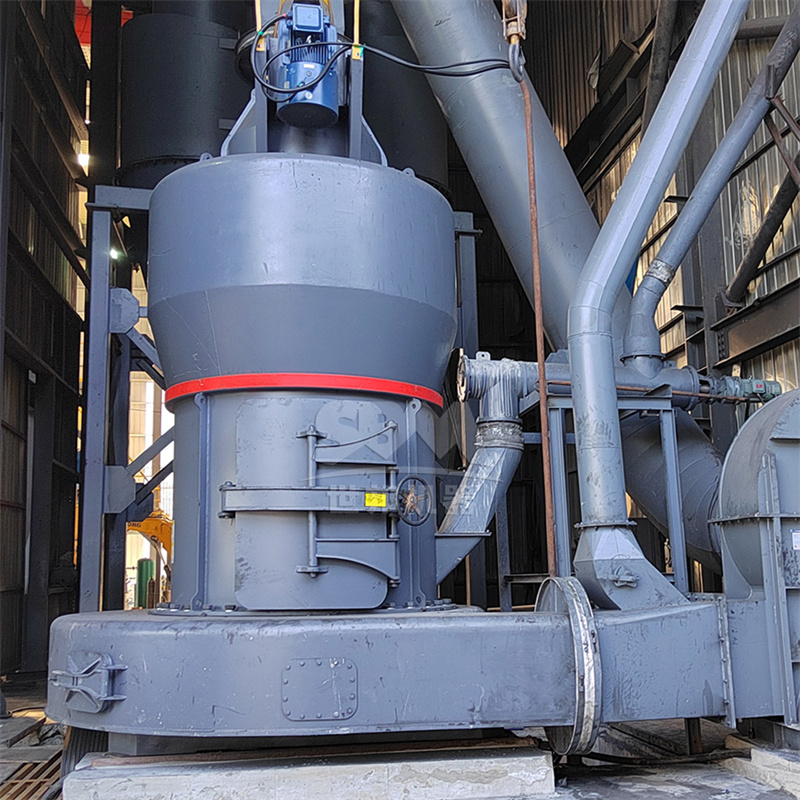
2.3. European Trapezium Mills
This technology, exemplified by the MTW Series, offers a robust and reliable solution for high-capacity grinding to medium fineness. Key features include anti-wear shovel designs and optimized arc air ducts that reduce energy loss. Their integral bevel gear drive boasts up to 98% transmission efficiency, making them a durable and low-maintenance option for continuous processing.
2.4. Traditional Ball Mills
While a proven technology, ball mills are generally less energy-efficient for fly ash processing compared to newer vertical and roller mill designs. They may still be considered for specific applications or where very coarse grinding is acceptable, but their higher operating costs and larger footprint are significant drawbacks for modern WWTPs.
3. Spotlight on Recommended Solutions
Based on the common needs of wastewater treatment plants for reliable, efficient, and versatile fly ash processing, we highly recommend evaluating the following technologies from our portfolio.
3.1. For High-Value, Ultrafine Fly Ash Production: SCM Series Ultrafine Mill
When the project goal is to maximize the commercial value of fly ash by producing a consistent, superfine powder, the SCM Series Ultrafine Mill is the premier choice. Its core advantages align perfectly with WWTP demands:
- Superior Efficiency: It delivers a capacity twice that of jet mills while consuming 30% less energy, directly lowering operational costs.
- Unmatched Product Quality: The vertical turbine classifier guarantees precise particle size distribution, critical for meeting stringent specifications in concrete admixtures or advanced composites.
- Built for Durability: Specially hardened rollers and grinding rings extend service life dramatically, reducing maintenance frequency in abrasive fly ash environments.
- Eco-Friendly Design: Its pulse dust collector ensures emissions are kept well below international standards, and the soundproof room option maintains low noise levels, supporting a compliant and neighbor-friendly operation.
With models like the SCM1000 (1.0-8.5 t/h) or the larger SCM1680 (5.0-25 t/h), plants can select a system that scales precisely with their incineration output.
3.2. For High-Capacity, General-Purpose Processing: MTW Series European Trapezium Mill
For plants focused on processing large volumes of fly ash for bulk applications like cement blending or soil amendment, the MTW Series European Trapezium Mill offers an optimal balance of capacity, reliability, and cost-effectiveness.
- Robust and Low-Cost Operation: The patented wear-resistant volute and combined shovel blade design reduce maintenance costs by an estimated 30%.
- High Throughput: Models such as the MTW215G can process 15-45 tons per hour, making it suitable for large-scale municipal sludge incineration facilities.
- Energy Efficient Transmission: The integral bevel gear drive maximizes power transfer, saving energy over the long term.
4. Implementation and Best Practices
Successful integration goes beyond equipment purchase.
4.1. Pilot Testing and Feasibility
Always conduct pilot tests with a representative sample of your fly ash. This determines the exact grinding behavior, energy draw, and final product quality achievable with a specific mill model, de-risking the capital investment.
4.2. System Integration and Automation
Choose equipment with modern PLC control systems that support remote monitoring. Automation ensures stable operation, minimizes manual intervention, and provides real-time data on production parameters and energy use.
4.3. Lifecycle Cost Analysis
Look beyond the initial price. Calculate the 5-10 year lifecycle cost, factoring in energy consumption (kWh/ton), wear part replacement cycles, required maintenance labor, and potential revenue from the sale of processed ash.
Conclusion
Selecting the optimal fly ash processing equipment is a strategic decision that impacts a wastewater treatment plant’s operational efficiency, environmental footprint, and financial bottom line. By thoroughly understanding feedstock properties, capacity needs, and end-product goals, plant operators can choose between advanced technologies like the high-precision SCM Ultrafine Mill for premium markets or the high-capacity MTW European Trapezium Mill for bulk applications. Investing in the right grinding solution transforms fly ash from a costly waste stream into a managed, profitable resource, contributing to a more sustainable and circular economy within the water treatment sector.