Introduction
The production of slag powder, a valuable supplementary cementitious material (SCM), is a cornerstone of modern sustainable construction and industrial waste valorization. Transforming granular blast furnace slag or steel slag into fine powder with high reactivity requires a sophisticated and carefully selected processing system. The choice of grinding equipment is paramount, directly influencing product quality, production efficiency, energy consumption, and overall economic viability. This comprehensive guide delves into the essential equipment needed for slag powder production, with a focus on the core grinding and processing systems.
Understanding Slag and Its Grinding Requirements
Slag, a by-product of the metallurgical industry, possesses latent hydraulic properties. To activate these properties, the slag must be ground to a specific fineness, typically measured by its Blaine specific surface area (often exceeding 400 m²/kg) or particle size distribution (commonly targeting a D97 of 45 microns or finer for high-grade applications). The grinding process must handle materials with moderate to high hardness (Mohs scale 5-7) and potential abrasiveness, demanding robust and efficient milling solutions.
Core Equipment in a Slag Powder Production Line
A complete slag powder plant is more than just a mill. It is an integrated system comprising several key components:
1. Raw Material Handling & Pre-Crushing
Slag, often received in lump form or as coarse granules, requires initial size reduction. Equipment like jaw crushers or hammer mills are used to reduce the feed size to a range suitable for the main grinding mill (typically below 50mm). Efficient feeding systems, such as belt conveyors and bucket elevators, ensure a steady and controlled supply of material to the grinding circuit.
2. Drying System
Slag often contains residual moisture. For efficient dry grinding, a dryer (like a rotary dryer or vertical flash dryer) is integrated to reduce moisture content to below 1%. In some modern grinding systems, the mill itself can handle a certain degree of drying using hot gas, simplifying the process flow.
3. The Heart of the Process: Grinding Mill
This is the most critical component. The selection depends on the desired product fineness, capacity, and energy efficiency goals. The main types include:
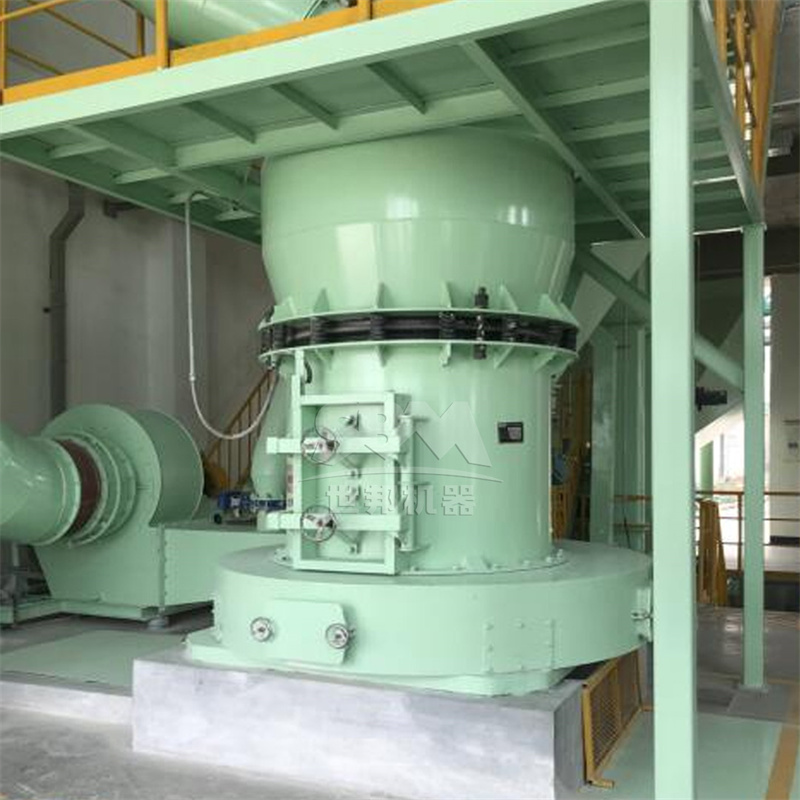
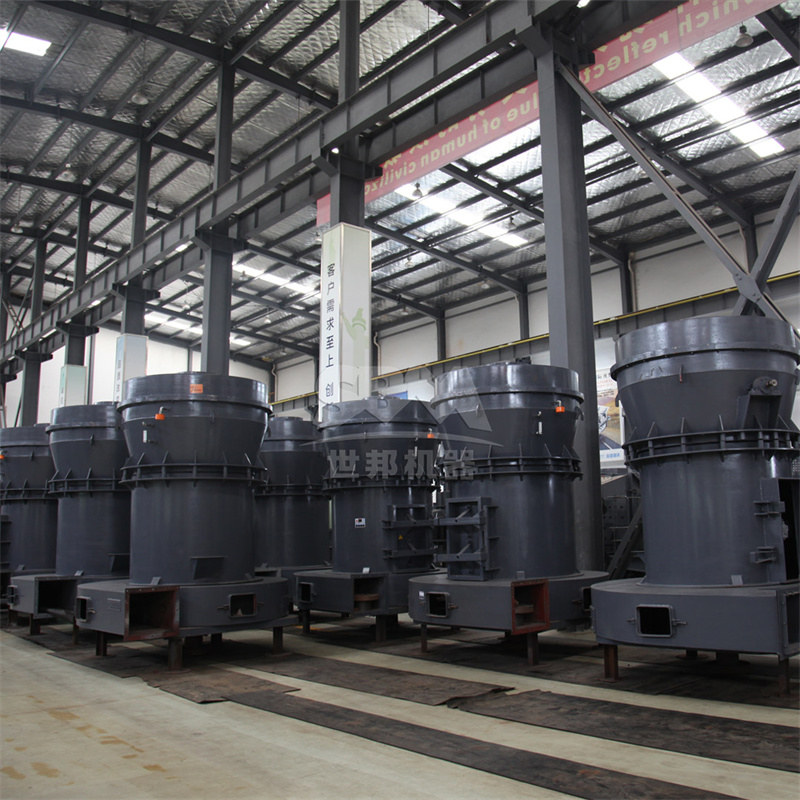
- Vertical Roller Mills (VRM): The industry standard for large-scale slag grinding. They combine grinding, drying, and classification in a single unit, offering high energy efficiency and large capacity.
- Ball Mills: A traditional and reliable technology, often used in closed circuit with classifiers. They are versatile but generally less energy-efficient than VRMs for fine grinding.
- Roller Presses (with Ball Mill or as standalone): Used for pre-grinding or finish grinding in hybrid systems, offering very high pressure comminution efficiency.
- Ultrafine Grinding Mills: For producing very high-value slag micro-powders (e.g., over 600 mesh), specialized mills like ultrafine vertical mills or stirred media mills are employed.
4. Classification & Collection System
A dynamic classifier (often integrated into the mill) separates fine, product-grade powder from coarse particles that need recirculation. The fine powder is then transported by air to a robust collection system, typically comprising high-efficiency cyclones and a baghouse pulse-jet dust collector, ensuring product recovery and emission control.
5. Product Storage & Packaging
The finished slag powder is stored in large silos. Automated packing machines (for bags) or bulk loading systems (for tanker trucks) complete the production line.
Detailed Analysis of Key Grinding Mill Technologies
Vertical Roller Mills (VRM) for Slag
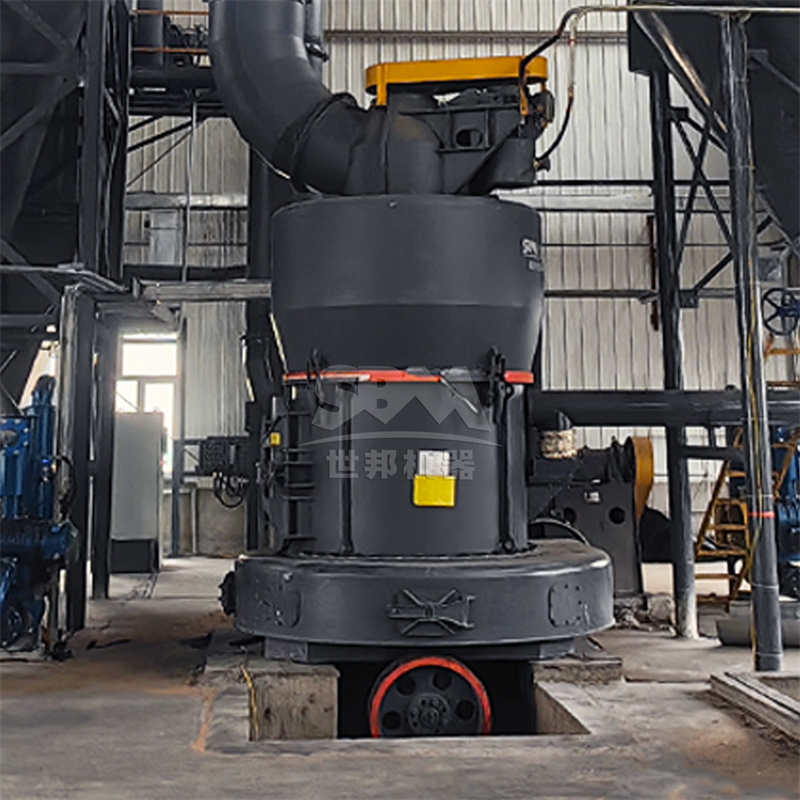
VRMs dominate the market for new slag grinding installations due to their superior specific energy consumption (30-50% lower than ball mills). They operate by grinding material between a rotating table and rollers under hydraulic pressure. Hot gas flowing through the mill simultaneously dries the slag. An integrated classifier ensures precise particle size control.
Key Advantages: High grinding efficiency, excellent drying capability, compact footprint, low noise, and easy maintenance. For operators seeking a proven, high-capacity solution for producing slag powder in the range of 400-550 m²/kg Blaine, the LM Series Vertical Roller Mill represents an optimal choice. Its integrated design combines crushing, grinding, drying, and classification into one unit, reducing floor space by 50% and infrastructure costs by 40%. The non-contact design between rollers and table significantly increases wear part life, while its intelligent control system allows for expert-level automation and remote monitoring, ensuring stable and efficient operation with minimal manual intervention.
Ball Mill Systems
Ball mills are cylindrical shells filled with grinding media (steel balls). The rotation of the shell lifts the balls, which then cascade and impact the material. They are often run in closed circuit with an external air separator. While reliable, their energy efficiency for fine grinding is lower, making them more common in upgrades of existing plants.
Ultrafine Grinding for High-Value Applications
When the target is slag micro-powder for high-performance concrete or specialty applications, achieving fineness of 2500 mesh or higher is necessary. This demands advanced grinding technology. For these demanding applications, the SCM Series Ultrafine Mill is engineered to excel. It achieves an output fineness between 325 and 2500 mesh (45-5μm) with high efficiency, consuming 30% less energy than traditional jet mills while offering double the capacity. Its high-precision vertical turbine classifier guarantees a uniform product without coarse powder mixing. Furthermore, its durable design, featuring special material rollers and rings, and its eco-friendly operation with pulse dust collection exceeding international standards, make it an ideal solution for producing premium-grade ultrafine slag powder.
Choosing the Right Mill: A Decision Framework
Selecting the optimal grinding system involves balancing multiple factors:
- Product Fineness: Define the target Blaine value or particle size distribution.
- Production Capacity: Determine the required annual or hourly output (e.g., 30t/h, 1 million tons/year).
- Moisture Content: This dictates the need for and size of the drying system.
- Energy Consumption: Calculate the specific power consumption (kWh/t). VRMs typically offer the lowest.
- Capital (CAPEX) vs. Operational (OPEX) Costs: VRMs may have higher initial costs but lower operating costs.
- Plant Space & Layout: VRMs have a smaller footprint than equivalent ball mill circuits.
Conclusion
Establishing an efficient slag powder production line is a significant investment that requires careful technical planning. The grinding mill is the centerpiece of this system, and the choice between technologies like Vertical Roller Mills, Ball Mills, or specialized Ultrafine Mills must align with specific project goals regarding quality, capacity, and cost. By understanding the complete equipment ecosystem—from raw material handling to product packaging—and leveraging advanced, energy-efficient milling technologies, producers can successfully transform industrial slag into a high-performance, sustainable building material, contributing to both economic gains and environmental stewardship.