
Introduction: The Critical Role of Quartz Powder
Quartz powder, derived from one of the most abundant minerals on Earth, is a cornerstone material for numerous modern industries. Its applications span from electronics and semiconductors, where high-purity quartz is essential, to construction materials, ceramics, paints, coatings, and advanced composites. The value and performance of quartz powder are intrinsically linked to its particle size, particle size distribution (PSD), purity, and morphology. Producing quartz powder that meets these stringent specifications requires a sophisticated understanding of grinding technology and the selection of appropriate equipment. This guide delves into the essential machinery used in quartz powder production, from primary crushing to ultra-fine grinding, and provides insights into configuring an efficient production line.
1. From Raw Ore to Feedstock: Primary Crushing and Pre-Processing
The journey of quartz powder begins with raw quartz ore, which can vary significantly in size and purity. The first stage involves primary crushing to reduce large lumps (often up to several hundred millimeters) to a manageable size, typically below 50mm. Jaw crushers are commonly employed for this coarse crushing duty due to their robust construction and high reduction ratio.
Following primary crushing, a washing and beneficiation stage is often necessary to remove impurities like clay, feldspar, and iron oxides. Magnetic separators and flotation cells may be used to achieve the desired chemical purity. The cleaned quartz is then dried, as moisture can hinder subsequent grinding processes. The pre-processed material, now a clean, dry feedstock of ≤50mm, is ready for the grinding circuit.
2. The Heart of the Process: Grinding Mills for Quartz
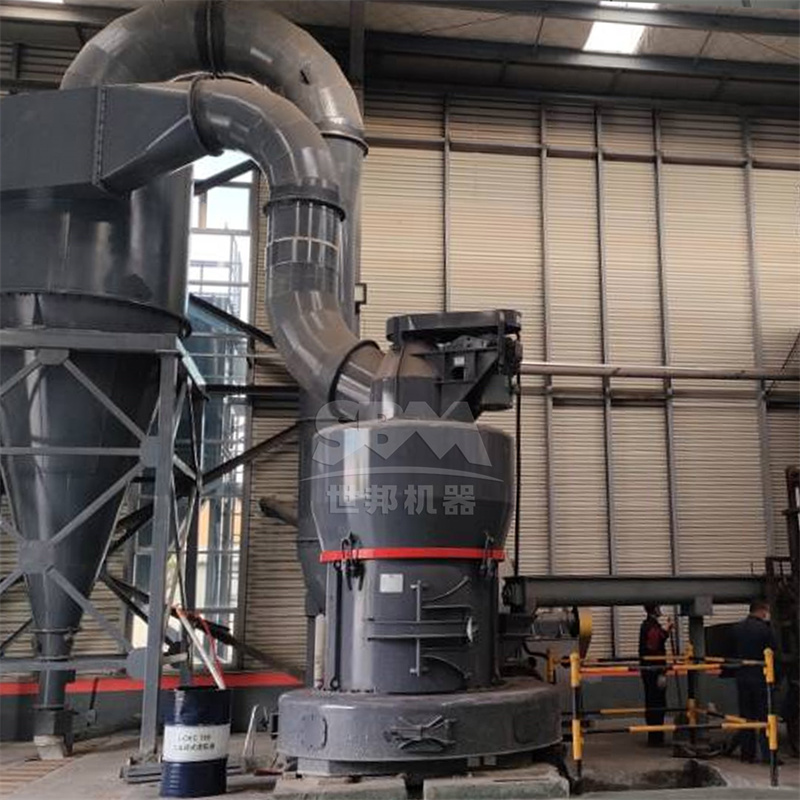
The selection of a grinding mill is the most critical decision in a quartz powder production line. The choice depends primarily on the target fineness (mesh or micron size) and the required production capacity. Quartz, with a Mohs hardness of 7, is a moderately hard and abrasive material, demanding mills built with wear-resistant components.
2.1. For Coarse to Medium Fineness (30-325 Mesh / 600-45μm)
This range is typical for fillers in construction, ceramics, and foundry sands. High-capacity, robust mills are ideal.
- MTW Series European Trapezium Mill: This advanced generation of Raymond mill technology is exceptionally well-suited for high-volume production of quartz powder in the 30-325 mesh range. Its integral bevel gear drive achieves up to 98% transmission efficiency, saving energy and space. The anti-wear shovel design and wear-resistant volute structure are specifically advantageous for handling abrasive materials like quartz, significantly reducing maintenance costs. With capacities ranging from 3 to 45 tons per hour, the MTW series offers a reliable and efficient solution for medium-fineness quartz grinding.
- Ball Mill: A traditional and versatile workhorse. For quartz, it operates in a dry grinding mode. The grinding action from steel balls produces a relatively wide particle size distribution. It is a proven technology but generally less energy-efficient than roller mills for the same output fineness.
2.2. For Fine to Ultra-Fine Fineness (325-2500 Mesh / 45-5μm)
High-value applications in electronics, advanced ceramics, and high-performance polymers demand ultra-fine, high-purity quartz powder.
- SCM Series Ultrafine Mill: This mill is a premier choice for producing high-value ultra-fine quartz powder. It utilizes a layer-by-layer grinding principle where material is crushed by roller pressure against grinding rings. Its standout feature is the high-precision vertical turbine classifier, which ensures precise particle size cutting and eliminates coarse powder mixing, resulting in a uniform and consistent product. With an output fineness range of 325-2500 mesh (45-5μm) and capacities from 0.5 to 25 t/h, the SCM series combines high efficiency with 30% lower energy consumption compared to jet mills. Its durable design with special material rollers and rings is engineered to withstand the abrasiveness of quartz, extending service life and ensuring stable operation.
- LUM Ultrafine Vertical Roller Mill: Represents the cutting edge in ultra-fine grinding. It integrates grinding, classification, and conveying within a single unit. Its multi-rotor classifier technology allows for extremely sharp particle size cuts. The fully sealed, negative-pressure operation is ideal for maintaining the purity of high-grade quartz powder.
3. Auxiliary Equipment: The Supporting Cast
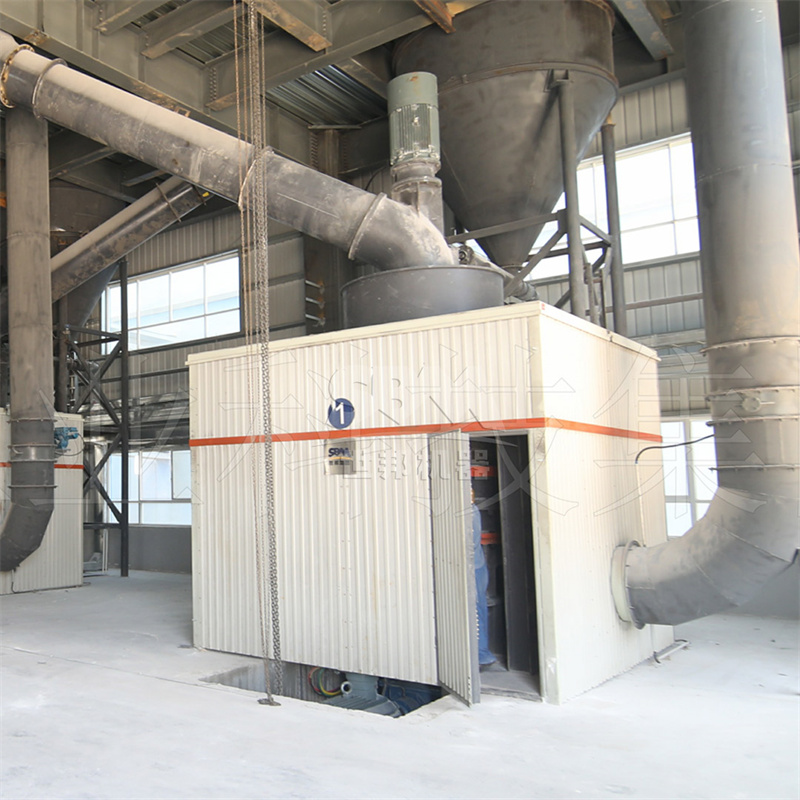
A complete production line is more than just a mill. Key auxiliary systems include:
- Feeding System: Vibrating feeders or screw conveyors ensure a stable and controlled feed rate into the mill, which is crucial for optimal grinding efficiency and product consistency.
- Classification System: Often integrated into the mill (like in SCM or LUM mills), classifiers are vital for controlling the top size of the product. For some applications, external air classifiers or sieves may be used for further precision.
- Dust Collection System: Quartz dust is a respiratory hazard (silicosis). A high-efficiency pulse jet baghouse dust collector is mandatory. It captures over 99.9% of airborne particles, ensuring a clean working environment and allowing for product recovery.
- Product Conveying & Packaging: Pneumatic conveying systems or screw conveyors transport the finished powder to silos. Automated bagging or big-bag filling stations complete the line.
- Electrical & Control System: A centralized PLC control panel allows for automated operation, monitoring of key parameters (power, temperature, pressure), and ensures stable product quality.
4. Designing a Quartz Powder Production Line
A typical layout follows a logical sequence:
- Raw Material Yard & Primary Crushing: Quartz ore is dumped, fed to a jaw crusher, and reduced to ~50mm.
- Beneficiation & Drying: Material is washed, purified (if needed), and dried in a rotary dryer.
- Intermediate Storage & Feeding: Clean, dry feedstock is stored in a silo and metered to the grinding mill.
- Grinding & Classification: The core stage. The mill (e.g., MTW for 200 mesh, SCM for 1250 mesh) grinds and classifies the material in a closed circuit.
- Dust Collection & Product Recovery: The cyclone and pulse dust collector separate the fine powder from the air stream.
- Final Product Handling: Powder is conveyed to product silos and packaged for shipment.
Key Considerations:
- Purity: Use of ceramic or special alloy liners in contact zones to prevent iron contamination.
- Energy Efficiency: Modern roller mills (MTW, SCM, LUM) offer significantly lower specific energy consumption (kWh/ton) than traditional ball mills, especially for finer products.
- Flexibility: The ability to easily adjust the classifier speed to produce different product grades from the same mill is a major advantage.
5. Product Spotlight: Tailored Solutions for Quartz
Based on the specific requirements of quartz processing, two of our flagship products stand out:
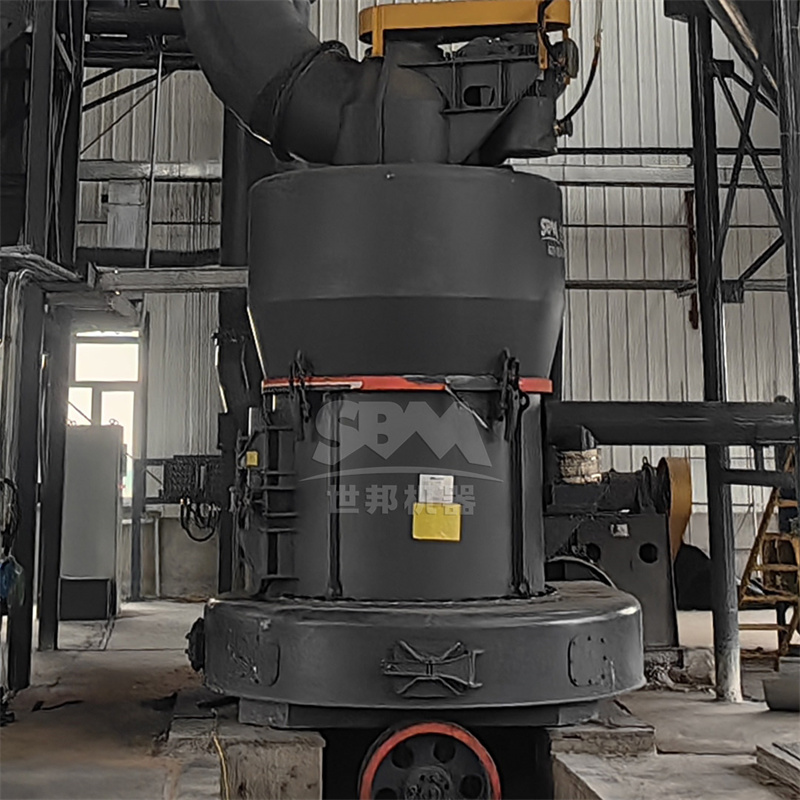
For High-Capacity, Medium-Fine Production: The MTW Series European Trapezium Mill is engineered for durability and efficiency. Its patented curved air duct, wear-resistant components, and high-efficiency drive system make it an economically superior choice for producing 30-325 mesh quartz powder at rates from 3 to 45 t/h, minimizing both energy and maintenance costs over the plant’s lifetime.
For Premium Ultra-Fine Production: The SCM Series Ultrafine Mill is the technology of choice for the most demanding applications. Its ability to deliver a tightly controlled particle size distribution between 325 and 2500 mesh, coupled with its energy-saving design and robust construction for abrasive materials, makes it an ideal investment for producers targeting high-value markets in electronics, specialty coatings, and functional fillers.
Conclusion
Producing high-quality quartz powder is a precise engineering undertaking. Success hinges on selecting the right grinding technology matched to the target product specifications. From the robust, high-volume MTW Series for construction-grade fillers to the precision-engineered SCM Series for ultra-fine electronic-grade powders, modern milling equipment offers efficient, reliable, and controllable solutions. By integrating the correct mill with well-designed auxiliary systems, producers can build a quartz powder production line that delivers consistent quality, operational efficiency, and a strong return on investment in a competitive global market.