
In the metallurgical industry, the production of high-quality flux is a critical process that directly influences the efficiency of smelting, slag formation, and impurity removal. Quartz stone, primarily composed of silicon dioxide (SiO2), is a fundamental raw material for many metallurgical fluxes. To achieve optimal performance in the furnace, quartz must be ground to a specific, often very fine, particle size with a narrow distribution. This requirement makes the selection of the grinding mill a pivotal decision for any producer. This article delves into the technical considerations for choosing the best quartz grinding mill for flux production and highlights advanced solutions that meet these demanding criteria.
The Critical Role of Particle Size in Metallurgical Flux
Metallurgical fluxes act as chemical cleaning agents. They react with impurities (gangue) in the ore to form a slag that can be easily separated from the molten metal. The reactivity and efficiency of a quartz-based flux are heavily dependent on its surface area, which is a function of particle size and distribution. Finer particles react more quickly and completely, leading to more efficient impurity removal, lower flux consumption, and better control over the slag’s physicochemical properties. An inconsistent or overly coarse grind can result in incomplete reactions, higher energy consumption in the furnace, and variable product quality. Therefore, the ideal grinding mill must deliver not just fine powder, but powder with high uniformity and controllable fineness.
Key Challenges in Grinding Quartz for Flux
- Abrasive Nature: Quartz is highly abrasive (Mohs hardness of 7), causing rapid wear on grinding components, which increases maintenance costs and can contaminate the product with worn metal.
- Precise Fineness Control: Flux specifications often require fineness between 200 mesh (74μm) and 600 mesh (23μm) or even finer, demanding advanced classification systems.
- High Capacity & Efficiency: Metallurgical operations are large-scale, requiring mills with high throughput and low specific energy consumption to be economically viable.
- System Stability & Cleanliness: The process must be reliable, with minimal downtime, and environmentally compliant, featuring effective dust collection to protect workers and equipment.
Evaluating Mill Technologies for Quartz Flux Grinding
Several traditional and modern milling technologies are employed in mineral processing. Here’s how they stack up for the specific task of quartz flux production:
1. Ball Mills
The traditional workhorse, ball mills operate on the principle of impact and attrition as grinding media (steel balls) tumble inside a rotating shell. While capable of grinding quartz, they are generally less efficient for producing very fine powders. Energy consumption is high, as much of the energy is wasted on noise, heat, and wear. Furthermore, achieving a tight particle size distribution requires closed-circuit classification, adding to system complexity. Wear from the abrasive quartz is significant, leading to high media and liner replacement costs.
2. Raymond Mills (or Pendulum Roller Mills)
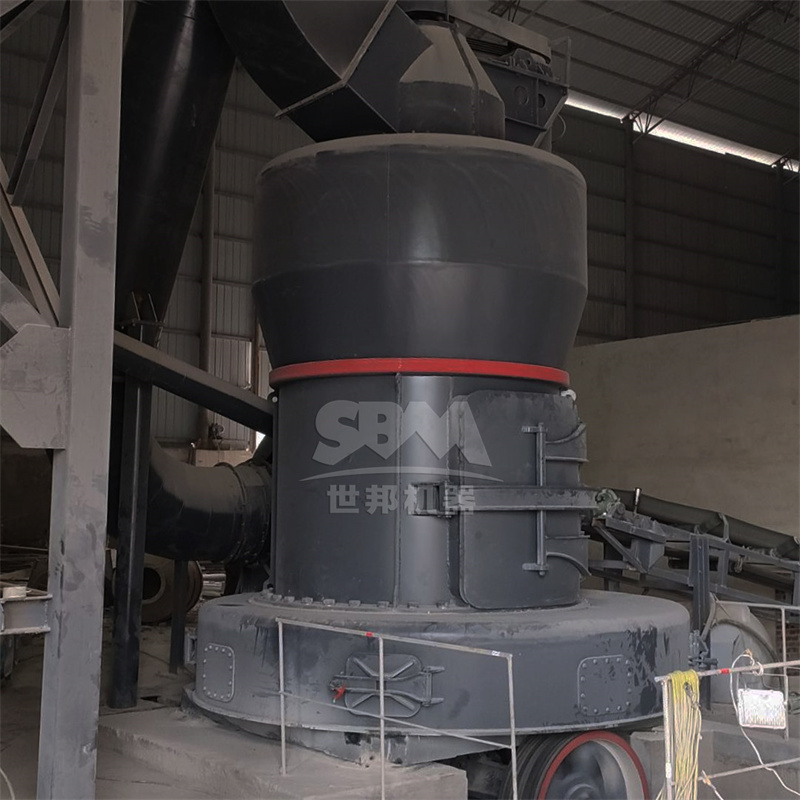
These mills use spring-loaded rollers to crush material against a stationary ring. They are efficient for producing powders in the 30-325 mesh range. Modern versions, like the MTW Series European Trapezium Mill, offer significant improvements. For instance, its anti-wear shovel design and wear-resistant volute structure directly address the abrasiveness of quartz. The integral bevel gear drive ensures high transmission efficiency (up to 98%) and stable operation. The MTW series is an excellent choice for flux production where the target fineness is in the coarse to medium-fine range (e.g., 100-325 mesh), offering a robust balance of capacity, efficiency, and durability.
3. Vertical Roller Mills (VRM)
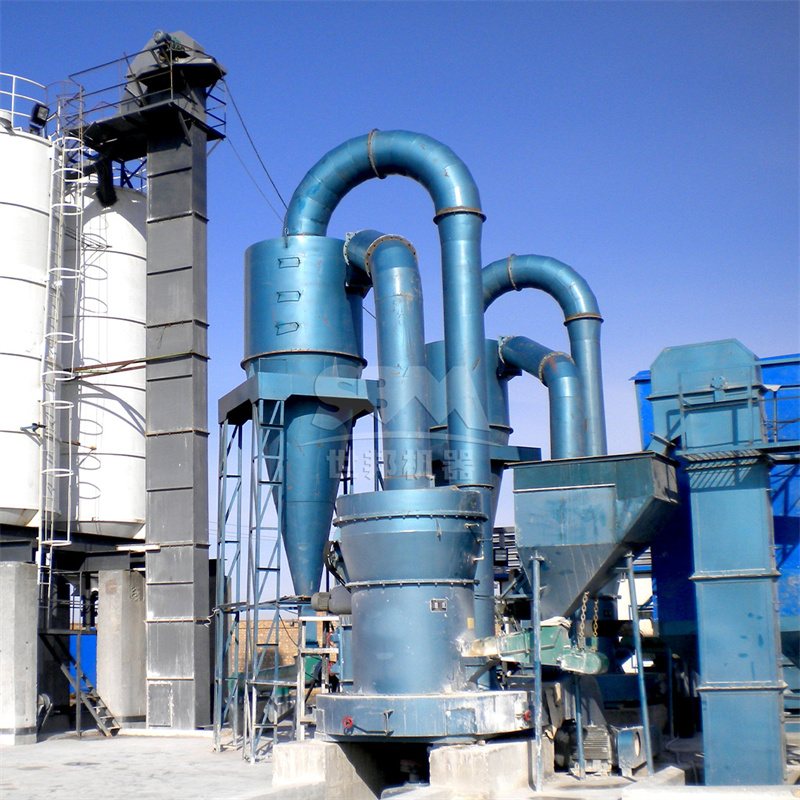
VRMs represent a leap in grinding technology. Material is ground between a rotating table and two or more hydraulically loaded rollers. The ground material is immediately transported by air to an integrated classifier. This design offers superior energy efficiency—typically 30-40% lower than a ball mill system. The direct grinding principle and the ability to dry materials with hot air are advantages. Models like the LM Series Vertical Roller Mill are particularly suited for large-scale flux production. Their integrated design reduces footprint by 50%, and the non-contact design between rollers and table (material bed grinding) drastically reduces wear from abrasive quartz. The intelligent control system allows for precise, automated fineness control, which is crucial for consistent flux quality.
4. Ultrafine Grinding Mills
When the flux formulation demands ultrafine quartz powder (e.g., >600 mesh or 23μm) to maximize reactivity, specialized mills are required. Jet mills can achieve this but at very high energy costs. A more efficient solution is the modern ultrafine vertical mill or ring roller mill.
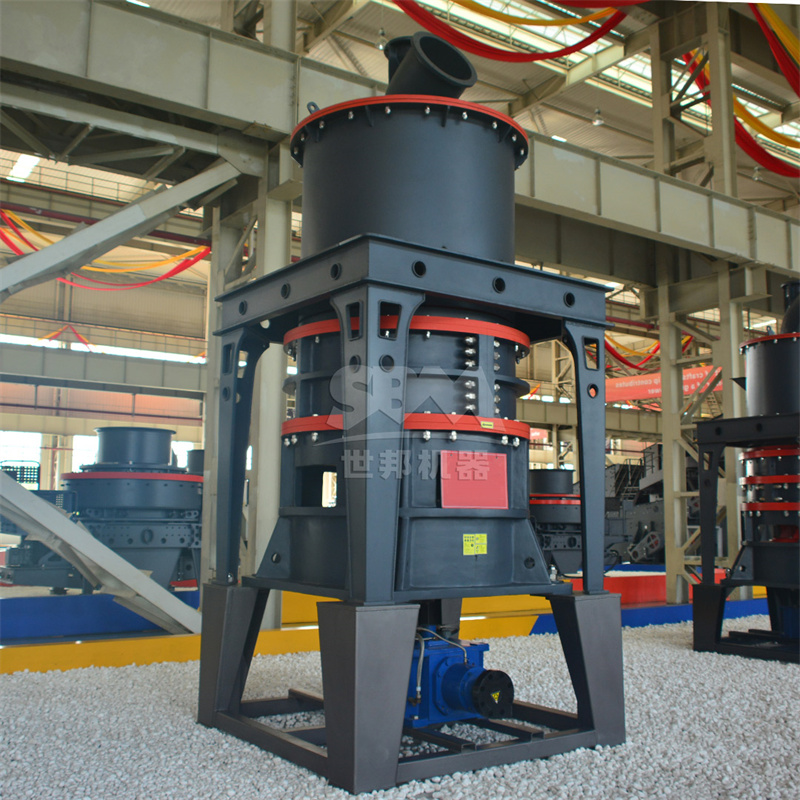
For the most demanding ultrafine flux applications, the SCM Series Ultrafine Mill stands out. Engineered to produce powder from 325 to an impressive 2500 mesh (5μm), it is ideal for high-performance specialty fluxes. Its core advantages directly tackle the challenges of grinding abrasive quartz:
- High Efficiency & Energy Saving: It offers twice the capacity of a jet mill with 30% lower energy consumption, a critical factor for cost-sensitive metallurgical operations.
- High-Precision Classification: Its vertical turbine classifier ensures a sharp particle size cut, delivering the uniform fineness essential for predictable flux behavior in the furnace.
- Durable Design: The grinding rollers and rings are made from special wear-resistant materials, extending service life several times over when processing abrasive quartz.
- Eco-friendly Operation: With a pulse dust collection efficiency exceeding 99.9%, it ensures a clean working environment.
Recommendation: Matching the Mill to Your Flux Specification
The “best” mill is the one that most precisely and economically meets your specific production goals. Based on common flux requirements, we can make the following tailored recommendations:
For High-Capacity, Coarse to Medium-Fine Flux Production (30-325 mesh)
Choose the MTW Series European Trapezium Mill (e.g., Model MTW215G). With a capacity of up to 45 tons per hour and robust construction featuring anti-wear components, it is a powerhouse for standard flux grinding. Its optimized arc air duct and efficient drive system keep operational costs low while delivering the consistent fineness required.
For Ultrafine, High-Reactivity Flux Production (325-2500 mesh)
The SCM Series Ultrafine Mill (e.g., Model SCM1250 or SCM1680) is the definitive choice. When your metallurgical process benefits from the extreme surface area and rapid dissolution of ultrafine quartz, this mill provides an unparalleled combination of fineness, output (up to 25 t/h), and energy efficiency. Its intelligent control system with automatic granularity feedback guarantees that your flux powder meets the tightest specifications batch after batch.
Conclusion
Selecting the optimal grinding mill for quartz stone in metallurgical flux production is a strategic decision that impacts product quality, operational efficiency, and bottom-line profitability. While traditional mills have their place, advanced technologies like the MTW European Trapezium Mill and the SCM Ultrafine Mill offer superior solutions tailored to the abrasiveness and precise fineness requirements of quartz. By focusing on energy efficiency, wear resistance, precise classification, and system stability, these mills empower metallurgical producers to create higher-quality, more consistent fluxes, ultimately leading to more efficient and controlled metal production processes. Investing in the right grinding technology is, therefore, an investment in the core quality and efficiency of the entire metallurgical operation.