
Introduction
The production of high-performance refractory materials demands the use of precisely engineered additives to enhance properties such as thermal stability, mechanical strength, and corrosion resistance. Kaolin, a naturally occurring aluminosilicate clay mineral, is a cornerstone additive in this industry. Its transformation from raw clay to a functional refractory component, however, is a sophisticated process heavily reliant on advanced processing equipment. The journey involves several critical stages—crushing, drying, calcination, and most importantly, fine and ultrafine grinding—to achieve the specific particle size distribution, purity, and reactivity required. This article provides a comprehensive overview of the essential equipment used in producing kaolin additives for refractories, with a focus on grinding and milling technologies that define final product quality.
1. The Importance of Kaolin Processing for Refractories
Raw kaolin rarely meets the stringent specifications for modern refractory formulations. Processing aims to:
- Control Particle Size: Fine and uniform particle size ensures better packing density, reduces porosity, and improves the sintering behavior and mechanical strength of the final refractory product.
- Enhance Purity & Reactivity: Removing impurities (like quartz and iron oxides) and calcining to produce metakaolin (Al2Si2O7) increases alumina content and pozzolanic activity.
- Modify Surface Properties: Processing can alter the surface chemistry of kaolin particles, improving their dispersion within the refractory matrix and compatibility with binders.
The choice of processing equipment directly impacts these parameters, influencing the performance and cost-effectiveness of the final refractory material.
2. Key Stages in Kaolin Additive Production and Their Equipment
2.1 Primary Crushing and Drying
Mined kaolin often contains significant moisture and comes in large lumps. Initial processing involves:
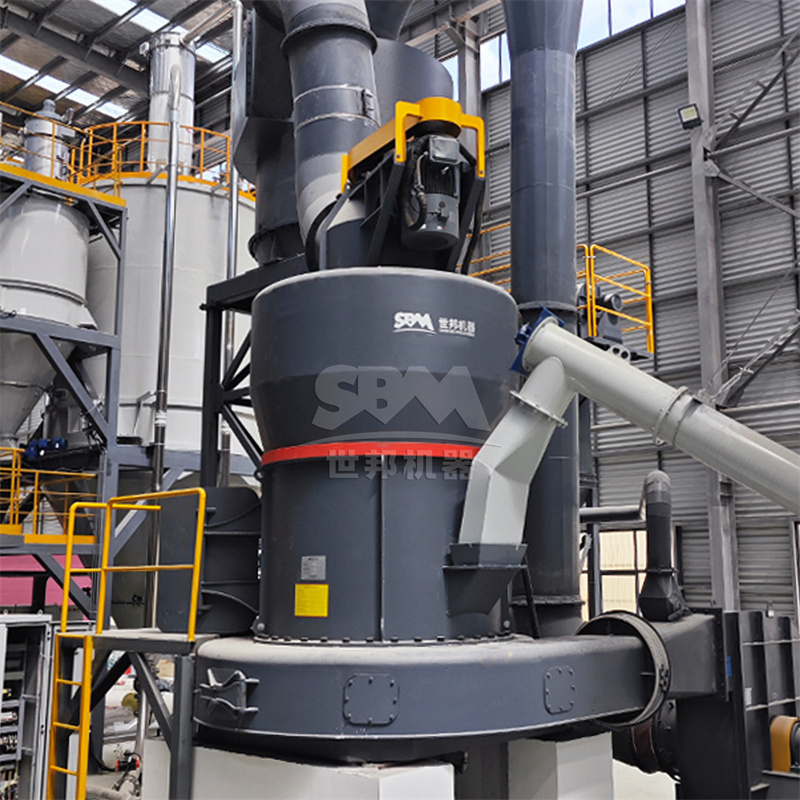
- Jaw Crushers & Hammer Mills: For reducing large lumps to a manageable size (typically below 50mm). A Hammer Mill is particularly effective for brittle materials like dried kaolin, capable of producing a coarse powder of 0-3mm efficiently.
- Rotary Dryers: Essential for reducing moisture content before fine grinding and calcination, as moisture can hinder grinding efficiency and cause handling issues.
2.2 Calcination
To produce metakaolin, a highly reactive refractory additive, kaolin is thermally treated in:
- Rotary Kilns or Flash Calciners: These units heat kaolin to temperatures between 650°C and 850°C, driving off chemically bound water. The equipment must provide precise temperature control and uniform heating to ensure consistent product quality.
2.3 Fine and Ultrafine Grinding – The Core of Additive Production
This is the most critical stage, defining the fineness and particle size distribution of the kaolin additive. Different refractory applications require different fineness levels, from coarse fillers (30-100 mesh) to ultra-reactive micro-fillers (over 1250 mesh).
2.3.1 For Coarse to Medium Fineness (600-45μm / 30-325 mesh)
Applications requiring a balance between cost and performance often use this range.
- Ball Mills: A traditional and robust solution for grinding calcined kaolin to a consistent medium fineness. They operate on the principle of impact and attrition using steel balls. While reliable, they can be less energy-efficient for very fine grinding and require significant space.
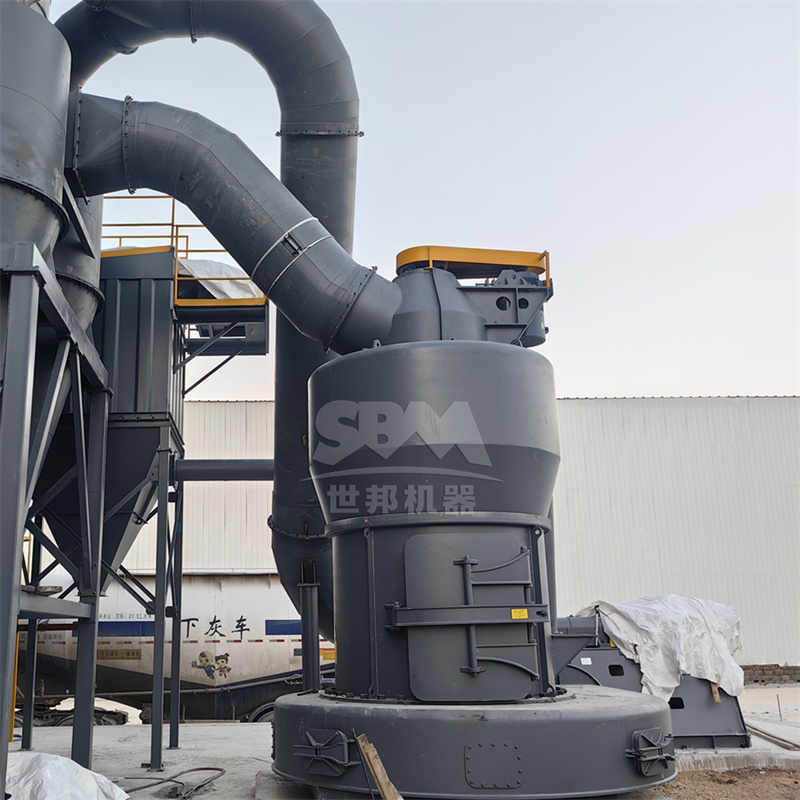
- European Trapezium Mills (e.g., MTW Series): These represent a significant advancement. They combine grinding, drying, and classifying in a single unit. Their advantages for kaolin processing include high grinding efficiency, lower energy consumption compared to ball mills, and integrated precise classification. The anti-wear shovel design and optimized air duct are crucial for handling abrasive materials, ensuring longer service life and stable output quality.
For producers seeking high-capacity, efficient grinding of kaolin to the 30-325 mesh range, our MTW Series European Trapezium Mill is an exemplary solution. Its integral bevel gear drive achieves up to 98% transmission efficiency, saving energy and space. The wear-resistant volute structure and curved shovel blade design significantly reduce maintenance costs—a key consideration in continuous refractory additive production. With capacities ranging from 3 to 45 tons per hour, it can be scaled to meet various production needs.
2.3.2 For High and Ultrafine Fineness (45-5μm / 325-2500 mesh)
High-performance refractories, especially low-cement castables and advanced ceramics, demand ultrafine kaolin to fill micro-pores and enhance reactivity.
- Ultrafine Vertical Roller Mills (e.g., LUM Series): These are designed for producing fine and ultrafine powders. They utilize a bed-grinding principle with multiple rollers, offering high efficiency, precise particle size control via advanced classifiers, and excellent environmental performance with fully sealed operation.
- Ultrafine Ring Roller Mills (e.g., SCM Series): This technology is arguably the most suitable and popular choice for producing high-volume, consistent ultrafine kaolin powder. It operates by grinding material between rollers and a stationary ring. The key to its success is the integration of an efficient grinding mechanism with a high-precision turbine classifier.
For the most demanding applications requiring ultrafine, high-purity kaolin additives, the SCM Series Ultrafine Mill is the industry-preferred technology. Its vertical turbine classifier ensures precise particle size cutting, delivering products from 325 to 2500 mesh without coarse powder mixing. The mill’s design emphasizes durability and efficiency; special material rollers and rings extend service life, while its intelligent control system with automatic granularity feedback maintains consistent product quality. Furthermore, its energy consumption is up to 30% lower than traditional jet mills, and with pulse dust collection efficiency exceeding international standards, it meets the most stringent environmental regulations for refractory materials plants.
3. Auxiliary and Supporting Equipment
A complete production line also relies on:
- Classifiers: Often integrated into mills (like in the SCM or MTW series), standalone air classifiers are used for precise separation of particles post-grinding.
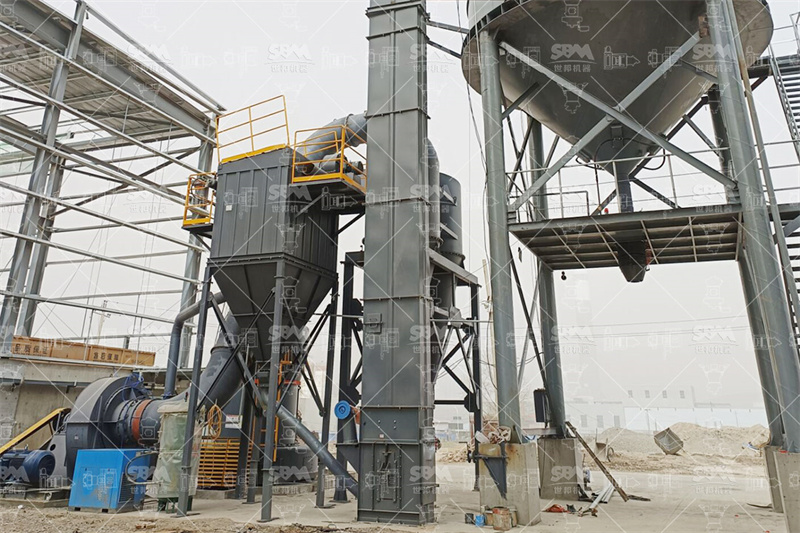
- Dust Collection Systems: Pulse-jet baghouse filters are essential to capture fine kaolin dust, ensuring a clean working environment and product recovery.
- Packing and Conveying Systems: Automated systems for packing the fine powder into bulk bags or sacks without contamination or dust emission.
4. Conclusion
The production of kaolin additives for refractory materials is a precision engineering process where equipment selection dictates product efficacy. From primary size reduction to the pivotal ultrafine grinding stage, each piece of technology plays a vital role. While hammer mills and dryers handle initial preparation, and kilns enable chemical activation, the grinding mill is the heart of the operation. For medium-fineness requirements, advanced trapezium mills like the MTW Series offer an optimal blend of efficiency and durability. For producing the ultrafine grades that enable next-generation refractories, the SCM Series Ultrafine Mill stands out with its superior classification accuracy, energy efficiency, and operational reliability. Investing in the right grinding technology is not merely a capital decision; it is a strategic choice that defines the quality, performance, and competitiveness of the final refractory product.