
Introduction
The production of high-performance water treatment additives relies heavily on the precise processing of raw materials. Bentonite, a naturally occurring clay mineral composed primarily of montmorillonite, is a cornerstone material in this industry. Its exceptional properties—including high cation exchange capacity, swelling behavior, and adsorption capabilities—make it invaluable for applications such as flocculation, clarification, heavy metal removal, and as a carrier for other active agents. However, unlocking these properties for effective water treatment requires the bentonite to be processed into a powder of specific fineness, particle size distribution, and surface activity. The selection of the appropriate grinding mill is, therefore, not merely an operational decision but a critical strategic choice that directly impacts product efficacy, production cost, and overall plant efficiency. This article provides a comprehensive guide to selecting the optimal bentonite grinding mill for water treatment additive production.
Key Factors in Bentonite Grinding for Water Treatment
Before evaluating mill types, it is essential to understand the target specifications for bentonite used in water treatment.
1. Required Fineness and Particle Size Distribution
The effectiveness of bentonite in water treatment is profoundly influenced by its surface area. Finer particles offer a greater surface area per unit mass, enhancing adsorption and ion exchange rates. For most advanced water treatment applications, a fineness ranging from 200 mesh (74 μm) to 2500 mesh (5 μm) is often targeted. Ultrafine particles (below 10μm) are particularly effective for creating stable suspensions and maximizing reactive sites. The grinding mill must consistently produce the desired fineness with a narrow particle size distribution to ensure predictable performance in the final additive.
2. Preservation of Crystalline Structure
Bentonite’s value lies in the layered structure of montmorillonite. Overly aggressive or high-temperature grinding can damage this crystalline lattice, reducing its swelling capacity and ion exchange capability—the very properties needed for water treatment. The ideal mill applies a combination of compression, shear, and attrition with minimal impact and heat generation to delaminate the clay platelets without destroying them.
3. Moisture Content and Drying
Raw bentonite often contains significant moisture (25-35%). An integrated drying system within the grinding circuit or a pre-drying stage is frequently necessary. Some advanced mill designs incorporate hot air, allowing simultaneous drying and grinding, which is highly efficient for moisture-sensitive materials like bentonite.
4. Production Capacity and Scalability
The required hourly or annual output dictates the size and model of the mill. Planning for future expansion should also be considered. Mills with modular designs or a range of models offering different capacities provide flexibility.
5. Energy Efficiency and Operational Costs
Grinding is an energy-intensive process. Selecting a mill with high grinding efficiency and low specific energy consumption (kWh/ton) is crucial for long-term operational economy. Factors like wear part longevity and maintenance frequency also contribute significantly to the total cost of ownership.
6. Environmental and Safety Considerations
The system must feature effective dust collection to protect the workplace and environment. Fully sealed, negative-pressure operation is preferred. Low noise levels are also an important consideration for plant safety and regulatory compliance.
Comparative Analysis of Grinding Mill Technologies
Different mill technologies offer distinct advantages and limitations for bentonite processing.
1. Raymond Mill (Pendulum Roller Mill)
Typical Output: 30-325 mesh (600-45μm).
Pros: Mature technology, reliable, lower initial investment, suitable for coarse to medium-fine grinding.
Cons: Limited upper fineness, higher energy consumption per ton for fine products compared to newer vertical mills, particle size distribution can be wider.
Best For: Medium-scale production of bentonite for standard clarification applications where ultra-fineness is not critical.
2. Ball Mill
Typical Output: 0.074-0.8mm (200-20 mesh).
Pros: Simple principle, can handle wet or dry grinding, high capacity.
Cons: Very high energy consumption, significant heat generation (risk to bentonite structure), noisy, produces a broad particle size distribution, and requires closed-circuit classification for finer products.
Best For: Primary grinding or situations where very high throughput of coarser bentonite is the sole requirement. It is generally not the first choice for high-value water treatment additives due to inefficiency and potential product degradation.
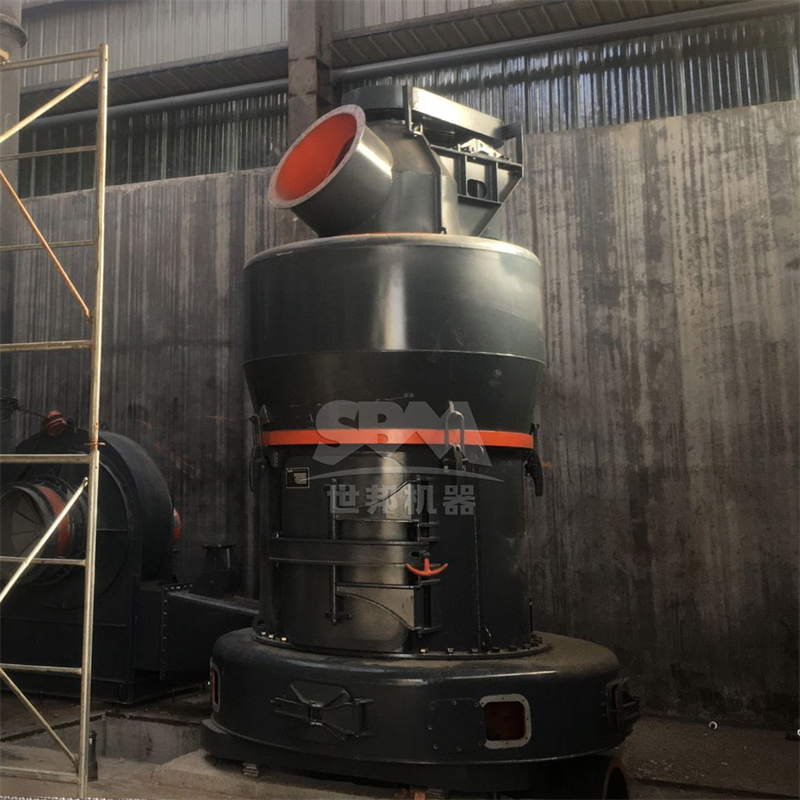
3. Vertical Roller Mill (VRM)
Typical Output: 30-325 mesh (600-45μm), with special models reaching 600 mesh.
Pros: Excellent energy efficiency (30-40% lower than ball mills), integrated drying-grinding-classification, compact footprint, lower noise, good particle size control.
Cons: Higher initial cost, more complex operation and maintenance than Raymond mills.
Best For: Large-scale production of bentonite powders where energy efficiency, capacity, and consistent medium-fine quality are paramount.
4. Ultrafine Grinding Mill
This category includes advanced mills like Ultrafine Vertical Roller Mills and Ring Roller Mills designed specifically for producing micron and sub-micron powders.
Typical Output: 325-2500 mesh (45-5μm).
Pros: Ability to produce the finest powders essential for high-performance additives, high classification precision for narrow particle distribution, often more energy-efficient than traditional methods for ultrafine grinding, designed to minimize heat impact.
Cons: Highest capital cost, requires careful feed preparation (e.g., small input size), operational expertise is beneficial.
Best For: Premium water treatment additive production where maximizing bentonite’s surface area and reactivity is critical for advanced applications like heavy metal sequestration or nano-composite additives.
Product Recommendations for Bentonite Grinding
Based on the stringent requirements for water treatment bentonite—particularly the need for high fineness, structural preservation, and efficiency—we recommend focusing on advanced grinding solutions. Our company’s portfolio includes several ideal technologies for this application.
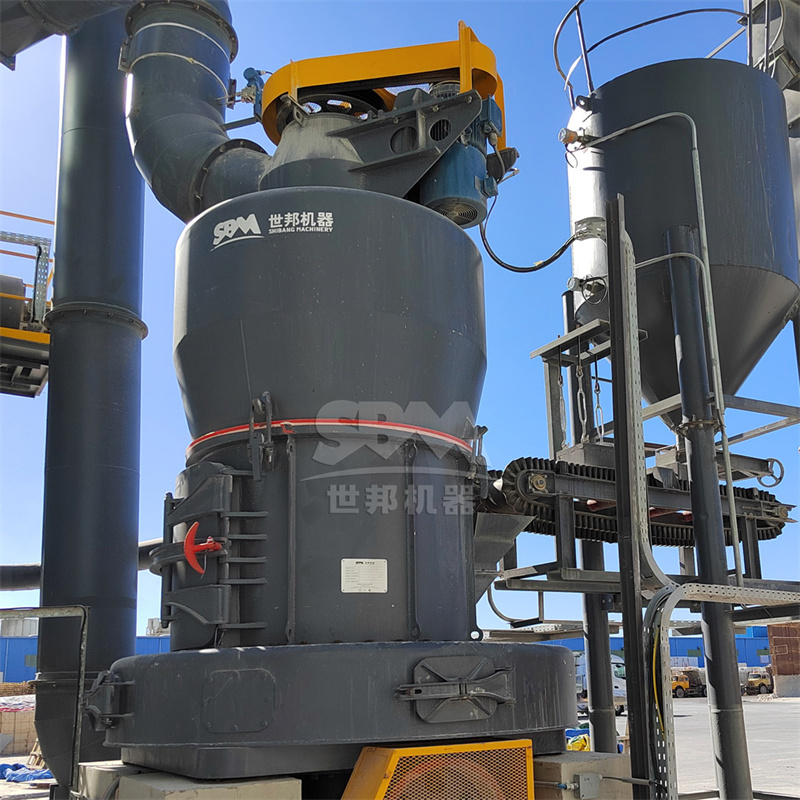
Primary Recommendation: SCM Series Ultrafine Mill
For producers targeting the high-end water treatment additive market with products requiring ultrafine fineness (up to 2500 mesh/5μm), our SCM Series Ultrafine Mill is the superior choice. This mill is engineered to overcome the limitations of traditional grinding equipment when processing minerals like bentonite.
Its high-efficiency & energy-saving design delivers capacity twice that of jet mills while consuming 30% less energy, directly lowering production costs. The high-precision vertical turbine classifier is a key feature, ensuring precise particle size cuts and delivering a uniform finished product without coarse powder mixing—a critical factor for consistent additive performance.
Bentonite’s abrasive nature is addressed by the mill’s durable design, featuring special material rollers and rings that extend service life significantly. The working principle, involving material being crushed by roller pressure on rotating grinding rings, is gentler than high-impact methods, helping to preserve the valuable montmorillonite structure. Furthermore, its eco-friendly operation with pulse dust collection exceeding international standards and low-noise design makes it an responsible choice for modern plants.
With models like the SCM1000 (1.0-8.5t/h, 132kW) or the larger SCM1680 (5.0-25t/h, 315kW), the SCM series can be scaled to match any production requirement for premium bentonite powders.
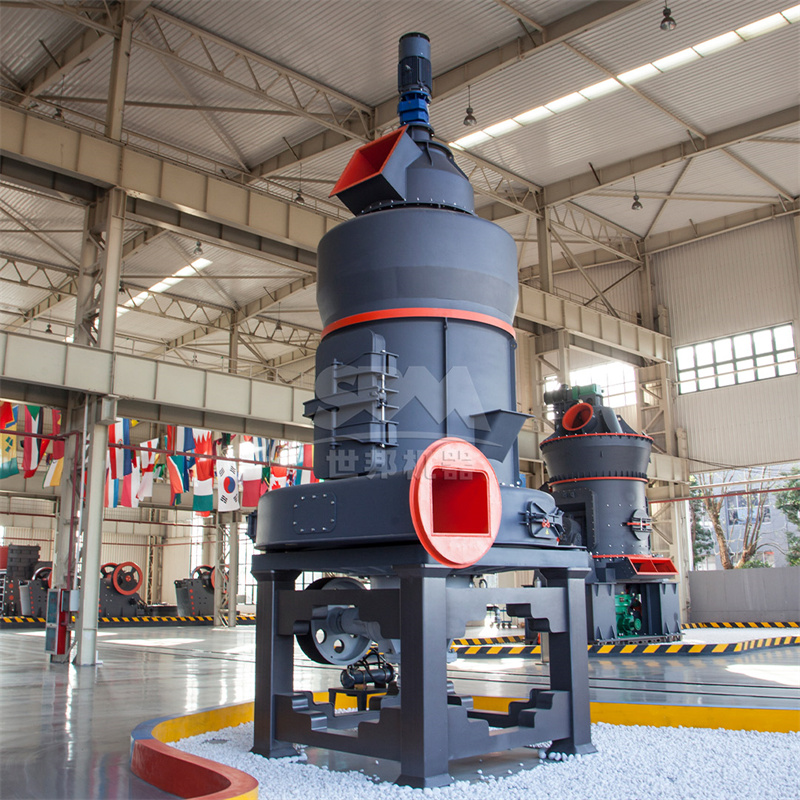
Alternative for High-Capacity, Fine Grinding: MTW Series European Trapezium Mill
For operations requiring high-volume production of fine bentonite powder in the 30-325 mesh range, our MTW Series European Trapezium Mill presents an outstanding balance of capacity, efficiency, and reliability. It is particularly suited for large-scale production of bentonite for municipal water treatment or industrial effluent applications.
Its advantages include an anti-wear shovel design and wear-resistant volute structure that drastically reduce maintenance costs and downtime—a vital consideration for continuous production. The integral bevel gear drive achieves a remarkable 98% transmission efficiency, contributing to its overall energy-saving profile. The optimized arc air duct enhances airflow and classification efficiency, ensuring stable product quality.
Models such as the MTW175G (9.5-25t/h) or the MTW215G (15-45t/h) offer the robust throughput needed for major suppliers, while the advanced internal classification system ensures the fine, consistent powder quality required for effective water treatment additives.
Selection and Implementation Workflow
- Define Product Specifications: Precisely determine the target fineness (D50, D97), moisture content, and required annual capacity.
- Sample Testing: Conduct grinding tests with your bentonite sample in a pilot facility or through the manufacturer’s test center. This is the most reliable way to confirm final product quality, output, and energy consumption.
- Mill Technology Shortlisting: Based on test results and capacity needs, shortlist suitable mill types (e.g., VRM for large-scale fine powder, Ultrafine Mill for premium products).
- Auxiliary System Planning: Design the complete circuit: feeding system (potentially with a pre-crusher like a Hammer Mill for >20mm feed), drying source (if needed), grinding mill, classification, dust collection (pulse bag filter), and product conveying/packaging.
- Total Cost of Ownership Analysis: Evaluate not just the purchase price, but installation, energy consumption per ton, wear part cost and life, and maintenance labor over a 5-10 year period.
- Supplier Evaluation: Choose a supplier with proven experience in bentonite and mineral processing, strong after-sales support, and the ability to provide a comprehensive system solution.
Conclusion
Selecting the right bentonite grinding mill is a multifaceted decision that sits at the heart of successful water treatment additive production. The choice hinges on a clear understanding of the final product’s performance requirements and a careful evaluation of how different milling technologies—from traditional roller mills to advanced ultrafine systems—meet those needs in terms of fineness, quality preservation, efficiency, and cost. For manufacturers aiming to lead in the high-performance segment, investing in advanced grinding technology like the SCM Series Ultrafine Mill is not an expense but a strategic enabler, ensuring their bentonite-based additives deliver superior clarity, purification, and value in the critical field of water treatment.