
Introduction
Metallurgical Grade Calcined Petroleum Coke (MG-CPC) is a critical carbon additive in modern steelmaking, particularly in Electric Arc Furnace (EAF) and Basic Oxygen Furnace (BOF) operations. Its primary function is to act as a recarburizer, introducing high-purity carbon into the molten steel to achieve precise chemical compositions and desired material properties. The performance of MG-CPC in the furnace is intrinsically linked to its physical characteristics—specifically its particle size distribution, fineness, and purity. Therefore, the processing equipment used to transform raw, calcined coke into a suitable product for steel plants is of paramount importance. This article explores the essential equipment in the MG-CPC processing chain and highlights advanced solutions for achieving optimal product quality and operational efficiency.
The Processing Chain: From Raw CPC to Steelmaking Additive
The journey of MG-CPC from a calcination plant to a steel mill involves several key stages, each requiring specialized machinery.
1. Primary Crushing
Raw calcined coke is typically received in large lumps (up to 200mm or more). The first step is primary size reduction to a manageable feed size for subsequent fine grinding equipment. Jaw crushers, impact crushers, or hammer mills are commonly employed here. The goal is to reduce the material to below 50mm, often targeting a top size of 20-30mm.
2. Intermediate Storage and Feeding
Consistent, controlled feeding is crucial for stable downstream grinding operation. Vibrating feeders and belt conveyors transport the crushed coke to intermediate silos. Precise weigh feeders or screw feeders then meter the material into the grinding mill at a constant rate, ensuring optimal mill loading and product consistency.
3. Fine and Ultrafine Grinding (The Core Stage)
This is the most critical stage, where the coke attains its final technical specifications. Steelmakers require specific size ranges: a coarse fraction (e.g., 1-5mm) for bulk recarburization and a fine or ultrafine fraction (often below 200 mesh or 74μm) for injection or precise ladle treatment. The choice of grinding mill depends on the required capacity, fineness, and energy efficiency targets.
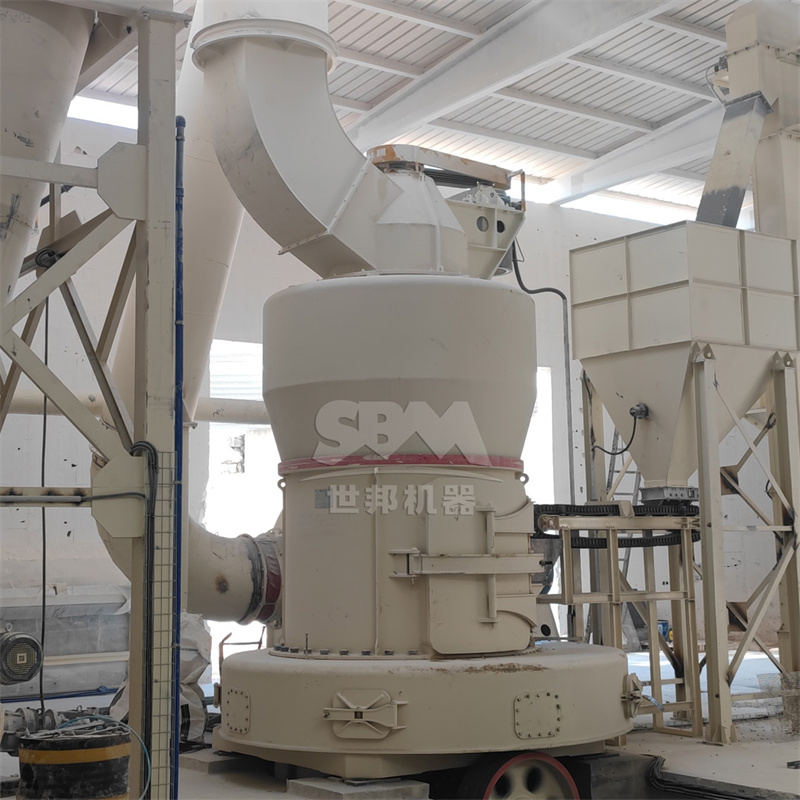
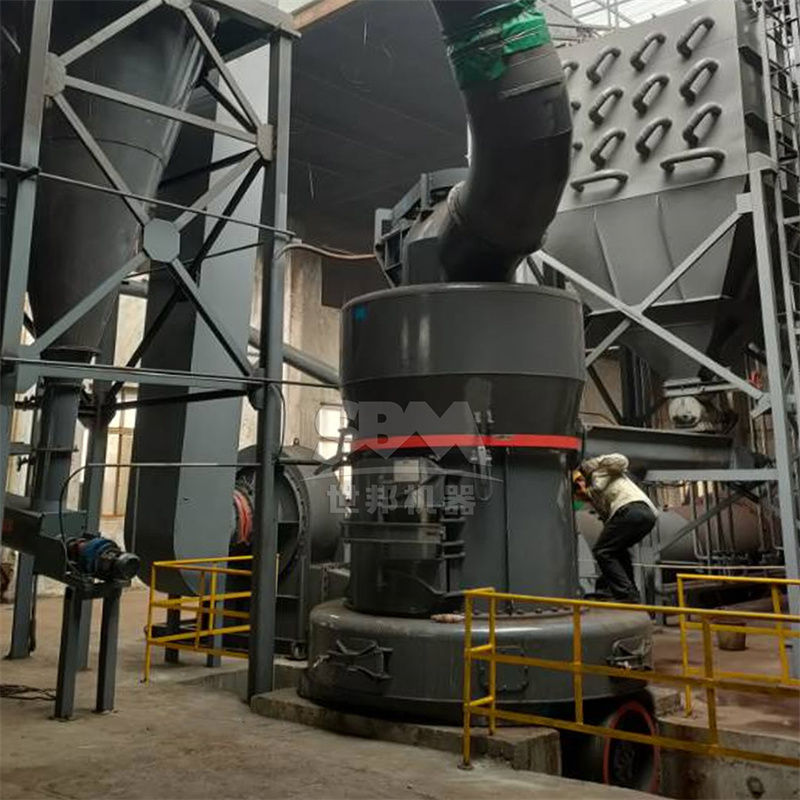
- For Coarse to Medium Fineness (30-100 mesh / 600-150μm): Pendulum roller mills or European-type trapezium mills are highly effective. They offer robust construction, high capacity, and relatively low energy consumption for this range.
- For Fine to Ultrafine Fineness (200-2500 mesh / 74-5μm): This is where advanced grinding technology becomes essential. Raymond mills or traditional ball mills can be used, but they often lack efficiency at the finer end. Modern vertical roller mills and specialized ultrafine mills are the preferred choices for high-quality, high-volume production.
4. Precise Classification
Grinding must be paired with accurate classification. Integrated or standalone air classifiers separate the ground powder into precise cuts. This ensures the final product meets tight particle size distribution (PSD) specifications, minimizing both oversize (which dissolves slowly) and excessive super-fines (which can cause dusting and losses).
5. Dedusting and Environmental Control
CPC dust is combustible and a pollutant. A robust, pulse-jet baghouse dust collection system is non-negotiable. It captures product fines, improves yield, and ensures plant emissions comply with stringent environmental standards. The collected ultrafine coke can often be recycled or sold as a separate product grade.
6. Packaging and Loading
The finished product is conveyed to storage silos. It is then packaged in bulk bags (FIBCs) for smaller orders or loaded directly into bulk tanker trucks or railcars for large-scale delivery to steel mills.
Critical Equipment Spotlight: Advanced Grinding Solutions
Given that grinding determines the key properties of the final MG-CPC, investing in the right mill technology is crucial for profitability and market competitiveness.
Recommendation 1: MTW Series European Trapezium Mill for High-Capacity, Efficient Grinding
For producers focusing on the coarse to fine range (30-325 mesh) with high tonnage requirements, the MTW Series European Trapezium Mill is an outstanding choice. Its design is tailored for durability and efficiency when processing abrasive materials like calcined coke.
Why it excels for MG-CPC:
- Anti-Wear Design: The combined shovel blade and curved roller design significantly reduce wear part costs, a major concern when processing abrasive coke.
- High Transmission Efficiency: The integral bevel gear drive achieves up to 98% efficiency, translating directly to lower energy costs per ton of product.
- Optimized Airflow: The arc air duct and wear-resistant volute structure minimize pressure loss, improving the efficiency of the internal classification system and ensuring a sharp particle size cut.
- Large Capacity Range: With models like the MTW215G offering capacities up to 45 tons per hour, it is ideal for large-scale MG-CPC production lines.
This mill provides the perfect balance of output, fineness control, and operational cost for a significant portion of the metallurgical coke market.
Recommendation 2: SCM Series Ultrafine Mill for Premium, High-Value Products
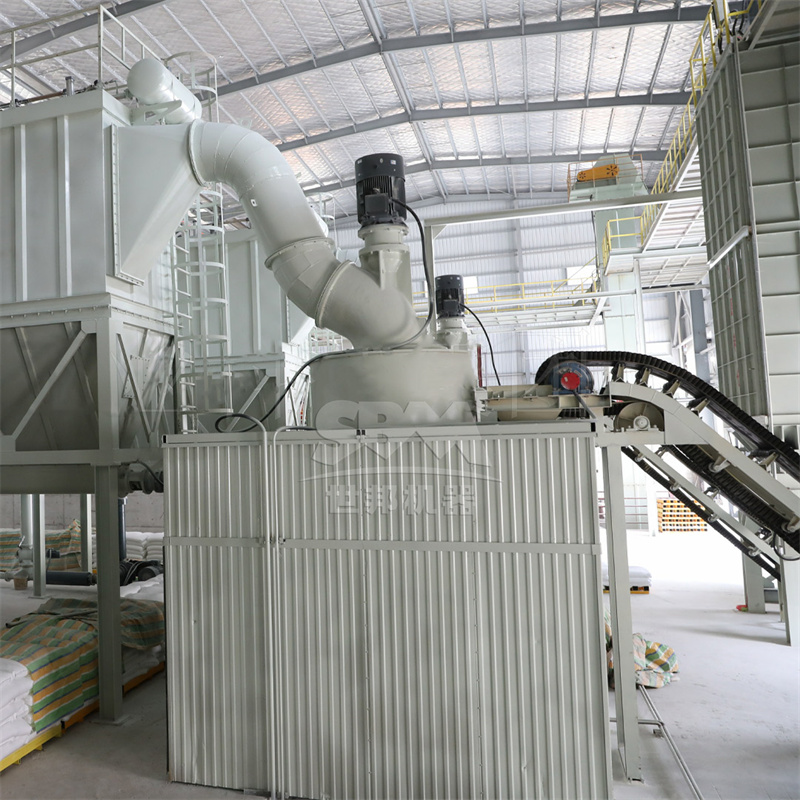
When the product strategy involves producing high-purity, ultrafine (325-2500 mesh) calcined coke for specialized ladle treatment or high-performance applications, the SCM Series Ultrafine Mill is the technological leader.
Why it is the ideal solution for premium MG-CPC:
- Unmatched Fineness & Precision: It reliably produces powder in the 5-45μm range (325-2500 mesh), meeting the most stringent specifications for ultrafine recarburizers.
- High-Precision Classification: Its vertical turbine classifier guarantees a narrow, consistent particle size distribution with no coarse powder mixing, leading to predictable and faster dissolution in molten steel.
- Superior Energy Efficiency: Compared to traditional jet mills, the SCM mill can double the capacity while reducing energy consumption by approximately 30%, offering a dramatic reduction in operating costs for ultrafine production.
- Durable and Clean Operation: Special material rollers and a shaftless screw grinding chamber ensure stability and long service life. Coupled with a high-efficiency pulse dust collector, the system operates cleanly and safely.
For example, the SCM1250 model, with a capacity range of 2.5-14 t/h and main power of 185kW, is a powerful yet efficient choice for establishing a dedicated ultrafine MG-CPC production circuit. Its ability to deliver a uniform, ultra-fine product creates a significant competitive advantage in niche markets.
Conclusion
The processing of Metallurgical Grade Calcined Petroleum Coke is a sophisticated operation that extends far beyond simple crushing. It is a precision manufacturing process where equipment selection directly impacts the value and performance of the final product in the steelmaking furnace. From primary crushing through to precise classification and dedusting, each stage must be carefully engineered.
Investing in modern, efficient grinding technology—such as the high-capacity MTW Series European Trapezium Mill for standard grades or the precision SCM Series Ultrafine Mill for premium ultrafine products—is the cornerstone of a successful MG-CPC processing plant. These advanced mills not only ensure product quality that meets the exacting demands of global steelmakers but also deliver the energy efficiency and operational reliability required for long-term profitability in this essential sector of the metallurgical supply chain.