
Magnesite, a crucial industrial mineral primarily composed of magnesium carbonate (MgCO3), is the main source for magnesium oxide (MgO) production. Its processed powder finds extensive applications in refractories, agriculture, construction, and chemical industries. The transformation of raw magnesite ore into a fine, consistent powder is a critical process that demands specialized machinery. The choice of grinding and processing equipment directly impacts product quality, particle size distribution, energy efficiency, and overall operational cost. This guide explores the essential machinery used in magnesite powder production, from primary crushing to ultra-fine grinding.
1. The Magnesite Processing Chain: From Ore to Powder
The production of magnesite powder typically follows a staged size reduction process:
- Primary Crushing: Large magnesite rocks (up to several hundred millimeters) are reduced to a manageable size, usually below 50-100mm, using jaw crushers or gyratory crushers.
- Secondary Crushing & Preliminary Grinding: The crushed material is further reduced to a finer feed size (often below 20-30mm) suitable for fine grinding mills. Hammer mills or impact crushers are commonly employed here.
- Fine & Ultra-fine Grinding: This is the core stage where the material is pulverized to the desired fineness, ranging from coarse granules (several hundred microns) to ultra-fine powders (a few microns).
- Classification & Collection: Ground powder is separated by size using air classifiers. Qualified fine powder is collected via cyclone separators and baghouse dust collectors, while oversized particles are returned for further grinding.
The heart of this system lies in the fine grinding stage. Selecting the right mill is paramount.
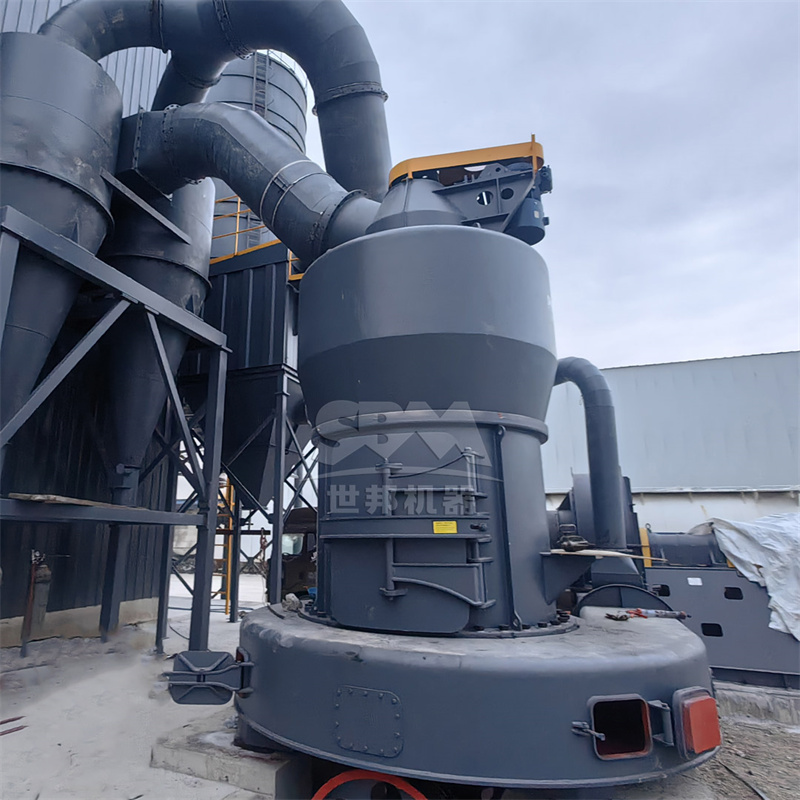
2. Key Grinding Mills for Magnesite Powder Production
Different applications require different powder specifications. Here’s an overview of the main types of grinding mills used, categorized by output fineness.
2.1 For Coarse to Medium Fineness (600 – 45μm / 30 – 325 mesh)
This range is often suitable for magnesia cement, fertilizers, and some refractory applications.
- Ball Mill: A traditional and versatile workhorse. Magnesite feed (<25mm) and steel balls are tumbled within a rotating cylinder. Impact and attrition grind the material. Ball mills are robust and offer a wide fineness adjustment (0.074-0.8mm) but are less energy-efficient for fine grinding and have a larger footprint.
- MTW Series European Trapezium Mill & MTM Series Medium-speed Trapezium Mill: These are advanced Raymond mill-type systems. They operate on the principle of grinding rollers revolving around a central axis, applying centrifugal force to crush material against a stationary ring. They are highly efficient for producing powder in the 30-325 mesh range. Key advantages include integrated classification, high transmission efficiency (up to 98% for MTW), and eco-friendly designs with efficient dust collection.
2.2 For Fine to Ultra-fine Fineness (45 – 5μm / 325 – 2500 mesh)
High-purity refractory grades, advanced ceramics, and specialty chemicals demand ultra-fine magnesite powder.
- LM Series & LUM Series Vertical Roller Mills (VRM): These represent a leap in grinding technology. Material is fed onto a rotating table and crushed under hydraulic pressure from grinding rollers. Integrated classifiers immediately separate fines. VRMs are celebrated for their integrated design (crushing, grinding, drying, classification in one unit), significantly lower energy consumption (30-40% less than ball mills), and ability to handle moist feed with hot air. They are ideal for large-scale production of fine magnesite powder.
- SCM Series Ultrafine Mill: This mill is specifically engineered for producing ultra-fine powders consistently. It utilizes a unique grinding chamber design with multiple grinding rings and rollers. Material is ground layer by layer under high pressure. Its standout feature is the high-precision vertical turbine classifier, which ensures precise particle size cuts and eliminates coarse powder contamination, guaranteeing a uniform product. For operations targeting the high-value 325-2500 mesh magnesite powder market, the SCM Ultrafine Mill offers a compelling combination of precision, energy efficiency, and stable output.
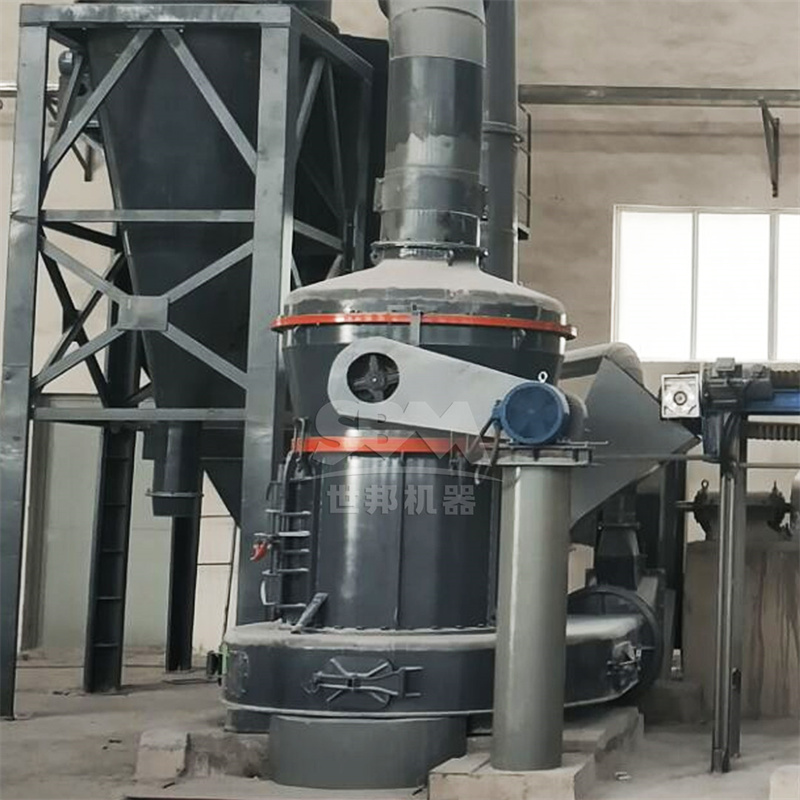
3. Critical Factors in Selecting Magnesite Grinding Equipment
Choosing the right mill involves balancing several technical and economic factors:
- Target Fineness & Particle Size Distribution: The required top size and uniformity dictate the mill and classifier type.
- Required Capacity (TPH): From pilot-scale (0.5 TPH) to large industrial lines (250+ TPH).
- Moisture Content of Feed: Mills like VRMs can integrate drying, while others may require a pre-dryer.
- Energy Efficiency: Operational cost is dominated by power consumption. Modern VRMs and ultrafine mills like the SCM series are designed for lower specific energy consumption.
- Wear & Maintenance: Magnesite’s abrasiveness demands wear-resistant materials in grinding zones. Look for mills with special alloy rollers/rings and accessible maintenance designs.
- System Footprint & Automation: Plant space and the desire for automated, stable operation with minimal manual intervention are key considerations.
4. Spotlight on Advanced Solutions: SCM Ultrafine Mill and MTW European Mill
For producers seeking to optimize their magnesite powder lines, modern, integrated solutions offer significant advantages. Two exemplary models from our portfolio are particularly well-suited for different stages of magnesite processing.
For final-stage, high-value ultra-fine powder production, our SCM Series Ultrafine Mill is a top-tier choice. Engineered to produce powder between 325 and 2500 mesh (45-5μm), it excels where precision is paramount. Its high-precision vertical turbine classifier ensures no coarse particles mix into the final product, delivering exceptional uniformity. Furthermore, it operates with remarkable efficiency, offering twice the capacity of a jet mill while consuming 30% less energy. The mill features a durable, shaftless screw grinding chamber for stable operation and special material rollers that extend service life significantly. For magnesite processors targeting specialty markets with strict fineness requirements, the SCM series provides a reliable and economical grinding solution.
For high-capacity production of fine magnesite powder in the 30-325 mesh range, the MTW Series European Trapezium Mill stands out. This mill incorporates advanced European technology and several patented improvements. Its integral bevel gear drive achieves a transmission efficiency of up to 98%, saving energy and reducing maintenance costs. The anti-wear shovel design and wear-resistant volute structure are specifically beneficial for abrasive materials like magnesite, extending component life and reducing downtime. With capacities ranging from 3 to 45 tons per hour, it is an ideal workhorse for large-scale production of magnesia for refractories or other industrial uses, offering an excellent balance of performance, durability, and cost-effectiveness.
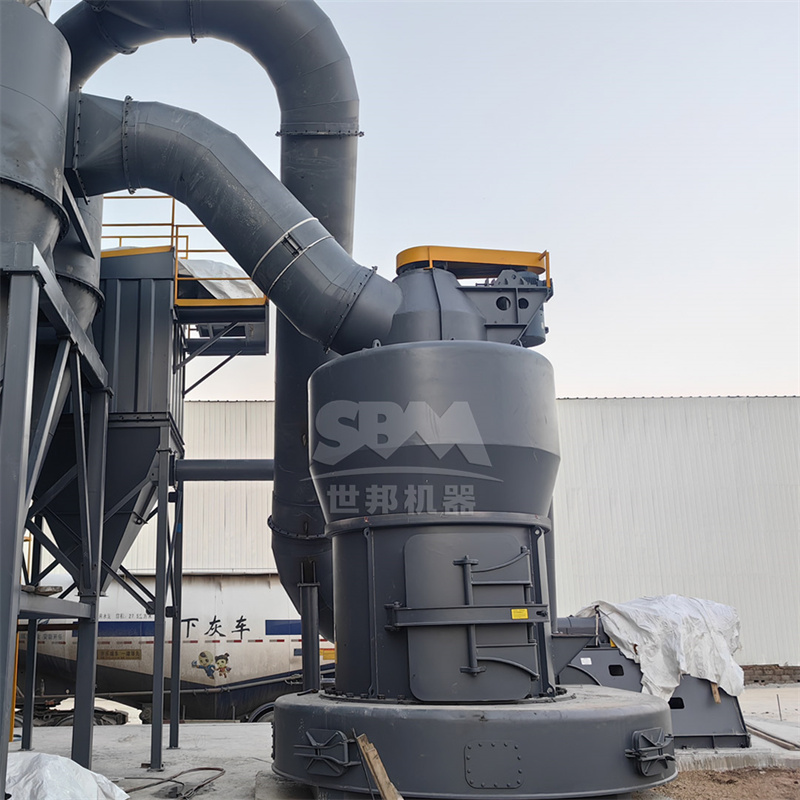
5. Auxiliary Processing Machinery
A complete magnesite powder plant relies on more than just the grinding mill:
- Feeders & Conveyors: Ensure consistent, controlled feed to the mill (e.g., vibrating feeders, screw conveyors).
- Classifiers: Dynamic air classifiers are often integrated with the mill but are critical for final size control.
- Dust Collection Systems: Pulse-jet baghouse dust collectors are essential for meeting environmental standards and recovering product. Modern mills feature highly efficient integrated systems.
- Packaging & Storage: Silos, big bag stations, and automated packing machines for final product handling.
Conclusion
The production of high-quality magnesite powder is a sophisticated engineering process centered on selecting the appropriate grinding technology. From traditional ball mills for coarse grinding to advanced vertical roller mills for integrated processing and specialized ultrafine mills for precision micronization, the options are diverse. The key to a successful operation lies in matching the mill’s capabilities—fineness range, capacity, energy profile, and wear resistance—to the specific product goals and economic parameters of the project. By leveraging modern, efficient machinery like the SCM Ultrafine Mill for specialty grades or the MTW European Mill for high-volume fine powder, producers can achieve superior product quality, operational reliability, and long-term profitability in the competitive magnesite market.