
Introduction
Molybdenum ore processing demands precision, efficiency, and durability. As a critical material in steel alloys, lubricants, and electronics, molybdenum powder must meet strict particle size specifications—often around 300 mesh (approximately 45–48 microns). Achieving this consistently requires advanced milling equipment that balances high throughput with energy savings. This guide explores the key features of high-efficiency production equipment for 300-mesh molybdenum ore powder and provides a practical selection framework.
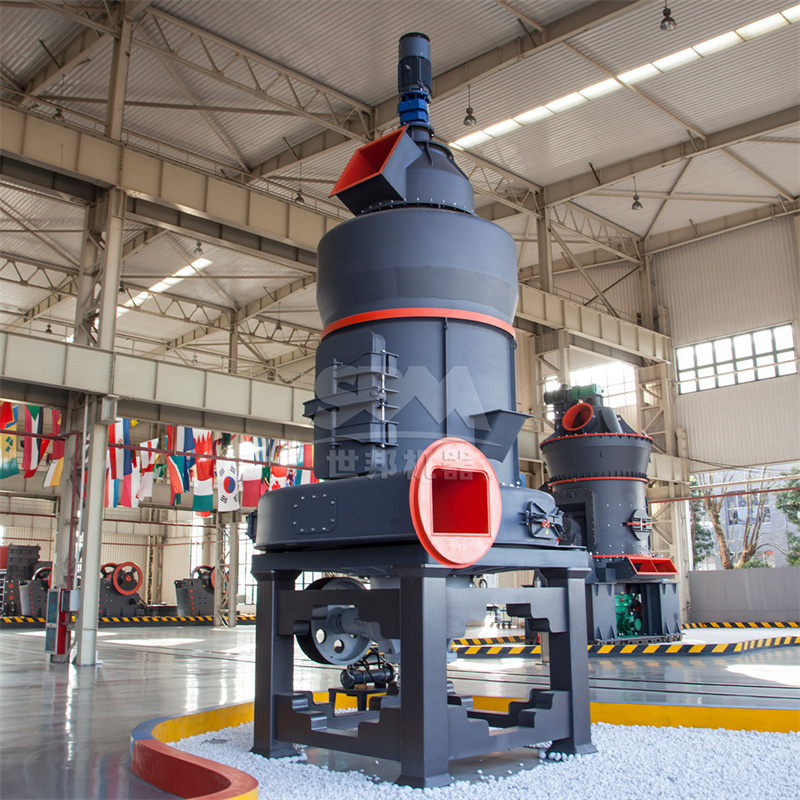
Key Features of High-Efficiency 300-Mesh Molybdenum Ore Powder Equipment
1. Advanced Grinding Mechanism
Modern mills use roller-ring or roller-table grinding principles to crush molybdenum ore efficiently. For example, our SCM Series Ultrafine Mill operates by centrifugally dispersing material onto a grinding path where rollers apply optimized pressure. This layered grinding action ensures uniform particle size distribution—critical for 300-mesh applications. Moreover, capacity can reach 2 times that of traditional jet mills while consuming 30% less energy.
2. Precision Classification System
High-efficiency equipment integrates vertical turbine classifiers that cut particles sharply at the target mesh size. No coarse powder mixing guarantees that your final product meets exact specifications. For molybdenum ore, where impurity control is paramount, this feature prevents quality downgrades and reduces reprocessing costs.
3. Durable and Wear-Resistant Components
Molybdenum ore is abrasive. Special materials for rollers and rings—such as high-chrome alloys or composite ceramics—extend service life several times over. Shaftless screw grinding chambers further stabilize operation, minimizing downtime and maintenance. For instance, our MTW Series European Trapezium Mill uses anti-wear combined shovel blades and a wear-resistant volute structure, lowering maintenance costs by 30%.
4. Intelligent Control and Automation
Automation systems with real-time feedback on product granularity allow operators to adjust parameters on the fly. This is especially valuable for molybdenum ore mills that must switch between different ore grades. Intelligent control reduces manual intervention, ensures consistent quality, and optimizes energy use.
5. Environmental Compliance and Low Noise
Pulse dust collection systems now exceed international emission standards. Soundproof rooms and damping technologies keep noise levels below 85 decibels, making these mills suitable for near-residential or environmentally sensitive areas.
Selection Guide for 300-Mesh Molybdenum Ore Powder Equipment
Choosing the right mill depends on several factors. Below are the key considerations:
1. Feed Size and Hardness
Molybdenum ore typically enters the mill at <50mm. Our MTW Series (input ≤50mm) and LM Series Vertical Roller Mill (input ≤50mm) handle this range well. For finer feeds (<20mm), the SCM Series Ultrafine Mill is optimal.
2. Capacity Requirements
Small-to-medium operations (0.5–25 t/h) benefit from the SCM Series, which includes models like SCM800 (0.5–4.5 t/h) up to SCM1680 (5–25 t/h). Larger operations (3–250 t/h) should consider LM Series vertical mills, which also offer integrated crushing and selection, reducing floor space by 50%.
3. Fineness and Mesh Consistency
For precisely 300 mesh (approx. 48 microns), both the SCM Series (325–2500 mesh) and the LUM Ultrafine Vertical Roller Mill (325–2500 mesh) excel. The LUM series uses multi-rotor classification to ensure no coarse particles remain, making it ideal for high-value molybdenum concentrates.
4. Energy Efficiency and Operating Cost
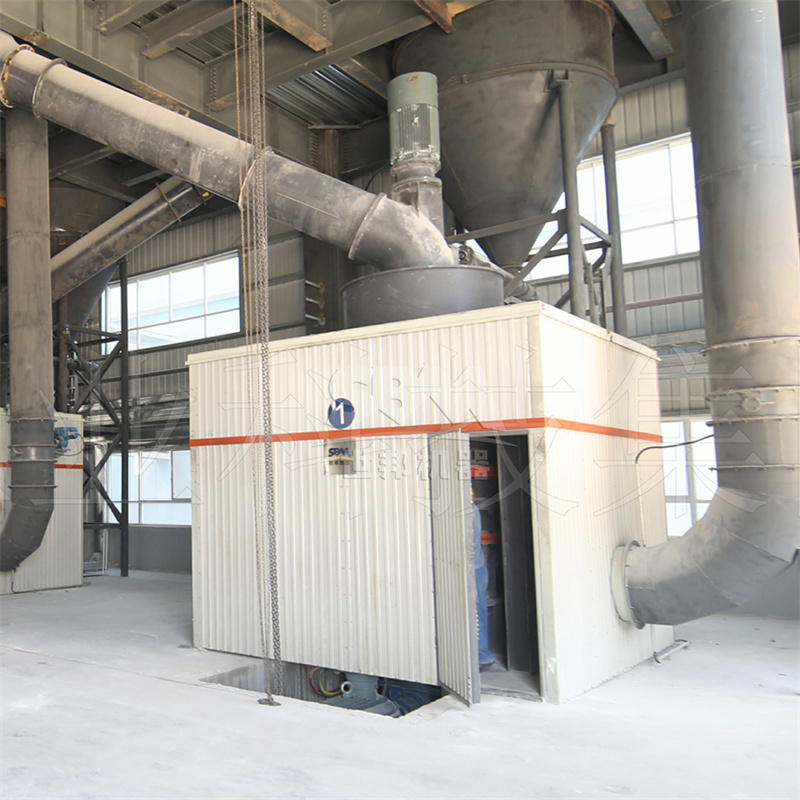
Energy is a major cost in milling. The SCM Series reduces energy consumption by 30% vs. jet mills. The LM Series cuts energy use by 30–40% compared to ball mill systems due to its bed grinding principle. If reducing carbon footprint is a priority, these are strong choices.
5. Maintenance and Part Life
Equipment with quick-change assemblies, modular rollers, and automatic lubrication systems (like the MRN Pendulum Mill’s thin oil lubrication) minimize downtime. Our MTM Series also features spring pressure compensation that extends roller life by 30%.
Recommended Product: SCM Series Ultrafine Mill
For operations targeting 300-mesh molybdenum ore powder with high efficiency and low energy use, we recommend the SCM Series Ultrafine Mill. With a feed size up to 20mm and output fineness ranging from 325 to 2500 mesh, the SCM800 (0.5–4.5 t/h, 75kW) and SCM1000 (1.0–8.5 t/h, 132kW) are particularly well-suited. Their intelligent control system automatically adjusts based on product granularity feedback, ensuring consistent 300-mesh output without waste. Additionally, the special material rollers and rings extend service life, making this a cost-effective solution for medium-scale molybdenum processors.
Alternative Product: MTW Series European Trapezium Mill
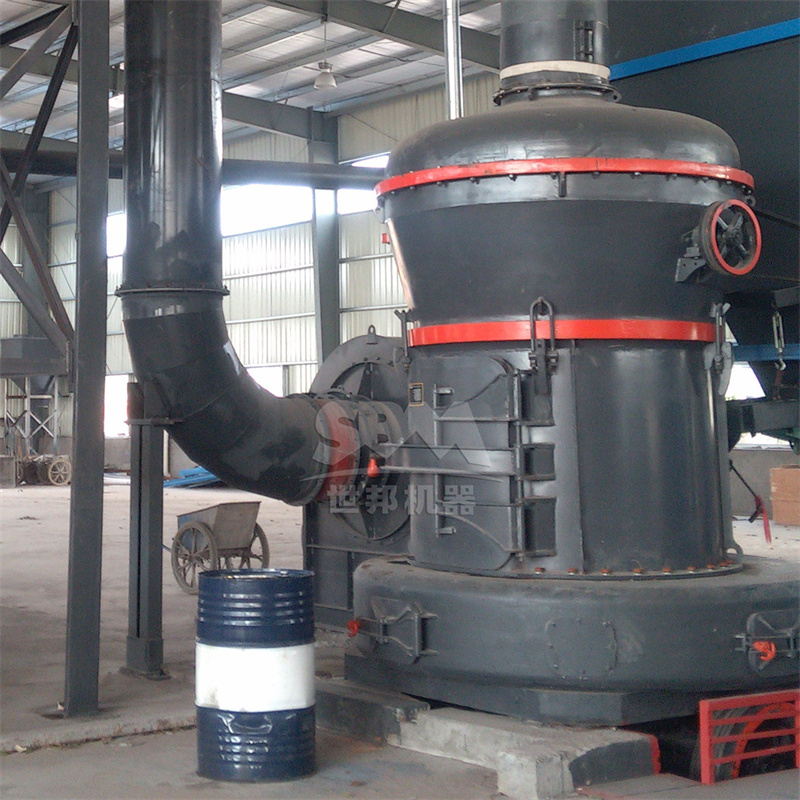
For larger capacities (3–45 t/h) and coarser feeds (up to 50mm), the MTW Series European Trapezium Mill is an excellent alternative. Its integral bevel gear drive achieves 98% transmission efficiency, and the anti-wear shovel design reduces maintenance frequency. Models like the MTW138Z (6–17 t/h, 90kW) and MTW175G (9.5–25 t/h, 160kW) can reach 325 mesh, covering 300-mesh requirements with room to spare.
Conclusion
Selecting high-efficiency equipment for 300-mesh molybdenum ore powder production is a strategic decision that affects product quality, operating costs, and environmental compliance. By focusing on grinding mechanism, classification precision, durability, and intelligent controls, processors can achieve consistent results. Whether you choose the SCM Series for ultrafine precision or the MTW Series for high-volume output, our equipment is engineered to meet the demands of modern molybdenum processing. For a tailored recommendation, consult our technical team with your specific feed characteristics and capacity targets.