
Introduction: The Role of Talc in Glass Manufacturing
Talc (magnesium silicate) is a critical raw material in the glass industry, primarily used as a fluxing agent and stabilizer. When added to glass batches, talc improves the melting process, enhances the chemical resistance of the final product, and reduces the viscosity of the molten glass. The addition of finely ground talc can also improve the thermal shock resistance and mechanical strength of glass containers and flat glass. However, the effectiveness of talc as an additive heavily depends on its particle size distribution, purity uniformity, and production consistency. Achieving the optimal fineness—typically between 45 μm and 5 μm (325-2500 mesh)—requires specialized grinding equipment that can handle the abrasive nature of talc while maintaining high throughput and energy efficiency. This guide explores the key technologies and equipment for producing high-quality talc additives for the glass sector.
Why Particle Size Matters for Talc in Glass
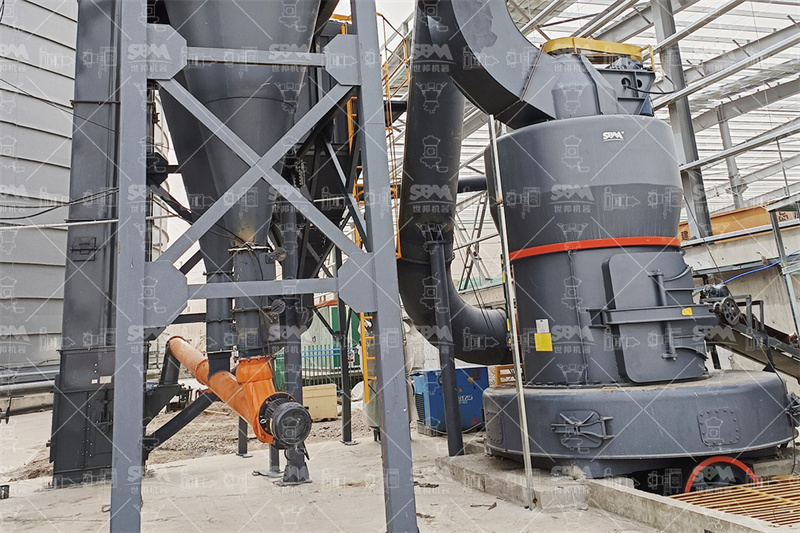
The performance of talc in glass manufacturing is directly linked to its particle size. Coarse particles (>100 μm) may not melt completely, leading to defects such as stones or cords in the finished glass. Overly fine particles (<5 μm) can cause dusting issues and may agglomerate, reducing dispersion uniformity. The sweet spot for most glass applications is a narrow distribution in the range of 10-30 μm. This is where the SCM Series Ultrafine Mill excels. Designed with a vertical turbine classifier, the SCM series achieves precise particle size cutting with no coarse powder mixing. Intelligent control systems provide automatic feedback on finished product granularity, ensuring that every batch of talc additive meets the exact specifications of your glass formulation.
Key Criteria for Selecting Talc Grinding Equipment
When evaluating equipment for talc additive production, manufacturers should consider five critical factors: energy consumption, capacity scalability, fineness precision, wear resistance, and environmental compliance. Talc is a soft mineral (Mohs hardness 1-1.5), but it can contain abrasive impurities like quartz. Equipment must be designed to handle these contaminants without excessive wear. The SCM Series Ultrafine Mill addresses this with specially formulated rollers and rings that offer several times the service life of standard components. Additionally, its shaftless screw grinding chamber ensures stable operation even when processing materials with variable moisture content. For operations requiring larger throughput, the LM Series Vertical Roller Mill provides an integrated solution that combines crushing, grinding, and selection in a single system, reducing floor space by 50% and infrastructure costs by 40%.
SCM Series Ultrafine Mill: The Premier Solution for Fine Talc Additives
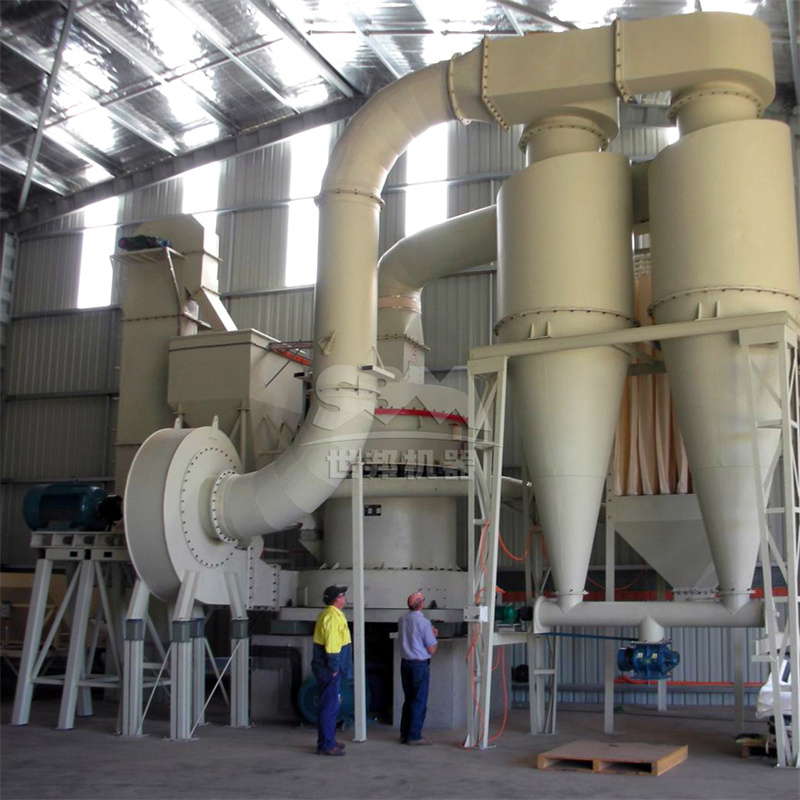
For glass manufacturers seeking to produce high-value talc additives in the 45-5 μm range, the SCM Series Ultrafine Mill is the industry benchmark. Its working principle involves a main motor driving three layers of grinding rings to rotate. Materials are dispersed into the grinding path by centrifugal force, crushed by roller pressure, and ground layer by layer until the desired fineness is achieved. The system uses a cyclone collector and pulse dust removal system for powder collection, ensuring an eco-friendly operation with dust emissions well below international standards.
Recommended Product: SCM1250 Ultrafine Mill – This model offers a capacity of 2.5-14 t/h with a main power of 185 kW, capable of processing feed sizes up to 20 mm to a fineness of 325-2500 mesh. Its intelligent control system allows for automatic adjustment of grinding parameters to maintain consistent product quality, making it ideal for medium-to-large scale talc additive production.
Key technical advantages of the SCM series include: capacity that is 2 times that of jet mills with 30% lower energy consumption; a vertical turbine classifier for precise particle size cutting; and soundproof room design ensuring noise levels are kept to a minimum. The durable design features special material rollers and rings that extend service life significantly, while the shaftless screw grinding chamber ensures stable operation even during long production runs.
LM Series Vertical Roller Mill: High-Capacity Talc Processing
For glass manufacturing plants that require massive volumes of talc additive (up to 250 t/h), the LM Series Vertical Roller Mill provides an unmatched solution. This system features an integrated design that combines crushing, grinding, and selection in one unit, reducing floor space by 50% compared to traditional ball mill systems. The non-contact design between rollers and table increases wear part life by 3 times, while energy consumption is 30-40% lower than ball mill systems. The LM series operates under fully sealed negative pressure conditions, ensuring no dust leakage and noise levels below 85 dB.
Recommended Product: LM190K Vertical Roller Mill – With a grinding table diameter of 1900 mm, this model delivers a capacity of 23-68 t/h with a main power of 500 kW. It can process feed sizes up to 45 mm to a fineness range of 170-40 μm (approximately 90-325 mesh). The expert-level auto-control system supports remote or local operation, with real-time monitoring of all critical parameters to reduce manual intervention. This makes the LM190K an excellent choice for large-scale glass manufacturing operations that demand high throughput and consistent product quality.
Working Principle Comparison: SCM vs. LM vs. Ball Mill
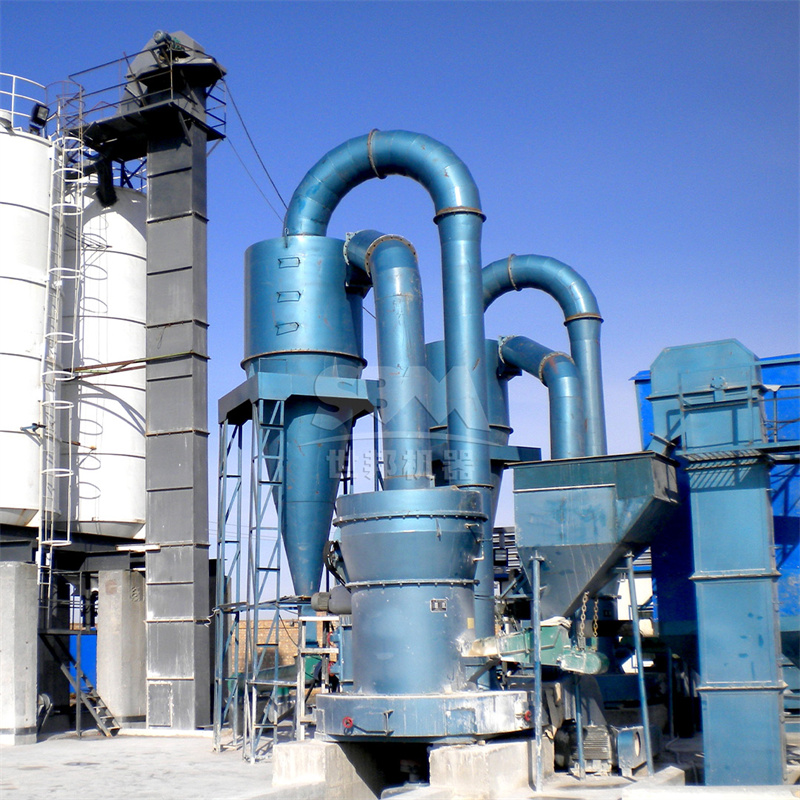
Understanding the working principles of different mills helps in selecting the right equipment for specific talc additive requirements. The SCM Series uses a centrifugal grinding path where materials are crushed by roller pressure between three layers of grinding rings, followed by classification through a vertical turbine classifier. This design is optimal for achieving ultrafine particles (down to 5 μm) with high precision.
The LM Series operates on a different principle: the main motor drives the grinding table via a reducer, while materials enter through the central feed port and spread evenly via centrifugal force. Grinding rollers apply pressure to crush the material layer; qualified fines are then carried by hot air (or ambient air for non-drying applications) to the dynamic classifier, while coarse powder returns to the table for re-grinding. This bed grinding principle is highly energy-efficient and ideal for large throughputs.
In contrast, traditional Ball Mills rely on impact and attrition from steel balls dropping onto the material. While ball mills are versatile and capable of handling wet or dry grinding, they consume 30-40% more energy than vertical roller mills and produce a wider particle size distribution. For high-value talc additives requiring narrow size distributions, the SCM or LM series are strongly preferred.
Environmental and Operational Benefits of Modern Talc Mills
Modern talc grinding equipment from leading manufacturers emphasizes environmental sustainability and operational safety. Both the SCM and LM series incorporate advanced pulse dust collection systems that achieve collection efficiencies exceeding international standards. The fully sealed negative pressure operation of the LM series ensures that no dust escapes into the workplace, creating a safer environment for operators. Additionally, soundproof room designs in the SCM series effectively reduce noise pollution, allowing these mills to be installed in noise-sensitive areas.
From an operational standpoint, the intelligent control systems in these mills provide significant advantages. Expert-level auto-control systems can adjust grinding parameters in real-time based on feed characteristics and product specifications, reducing the need for manual intervention and minimizing the risk of human error. This automation leads to more consistent product quality, reduced downtime, and lower overall operating costs.
Conclusion: Optimizing Your Talc Additive Production Line
Producing high-quality talc additives for glass manufacturing requires careful consideration of particle size requirements, production capacity, energy efficiency, and environmental compliance. The SCM Series Ultrafine Mill is the ideal choice for manufacturers targeting the 45-5 μm range with high precision and low energy consumption, while the LM Series Vertical Roller Mill offers unmatched capacity and integration for large-scale operations. Both systems deliver the durability, wear resistance, and intelligent control that modern glass manufacturing demands.
By investing in the right grinding equipment, glass manufacturers can ensure a consistent supply of high-quality talc additives that improve melting efficiency, enhance product quality, and reduce overall production costs. As the glass industry continues to evolve toward higher performance and environmentally sustainable practices, the role of advanced talc processing equipment will only become more critical.