
Introduction
Autoclaved Aerated Concrete (AAC) is a lightweight, precast building material that provides excellent insulation, fire resistance, and structural integrity. One of the key raw materials in AAC production is limestone powder, which serves as a source of calcium oxide (CaO) when combined with silica, cement, and water. The quality of limestone powder—specifically its fineness, particle size distribution, and purity—directly influences the strength, density, and thermal efficiency of the final AAC blocks. Therefore, selecting the right limestone powder production equipment is a critical decision for any AAC plant. This article provides a comprehensive guide on how to choose the best equipment, covering key factors such as fineness requirements, capacity, energy efficiency, and maintenance.
Understanding the Role of Limestone Powder in AAC
In the AAC manufacturing process, limestone (primarily calcium carbonate) is calcined to produce quicklime, which then reacts with water and silica to form calcium silicate hydrate (CSH) gel. This reaction is fundamental to the curing and strength development of AAC. The fineness of the limestone powder affects the reaction rate: finer particles react faster, leading to more uniform hydration and higher early strength. However, excessively fine powder can increase energy consumption and production costs. Typical AAC plants require limestone powder with a fineness of 30-80% passing through a 200 mesh (75 μm) sieve, though specific requirements may vary based on the formulation and autoclaving conditions.
Key Factors to Consider When Choosing Limestone Grinding Equipment
1. Output Fineness and Particle Size Distribution
The most critical parameter is the required fineness. For AAC, the limestone powder must fall within a specific micron range to optimize the chemical reaction. Equipment selection should be based on its ability to produce consistent, uniform particle sizes. For example, if your process requires a fineness of 325 mesh (45 μm) or finer, high-efficiency ultrafine mills are necessary. On the other hand, if a coarser product (e.g., 100-200 mesh) is acceptable, traditional ball mills or trapezium mills might suffice.
2. Production Capacity
The capacity of the grinding equipment must match the daily output of your AAC plant. Overestimating capacity leads to unnecessary capital expenditure, while underestimating can cause production bottlenecks. Modern vertical roller mills and pendulum mills offer flexible capacity ranges from a few tons per hour to over 100 tons per hour, allowing AAC manufacturers to scale operations efficiently.
3. Energy Efficiency
Grinding limestone is energy-intensive, often accounting for a significant portion of the plant’s electricity costs. High-efficiency equipment can reduce energy consumption by 30-50% compared to traditional ball mills. Features such as intelligent control systems, optimized grinding paths, and advanced classifiers contribute to lower specific energy consumption (kWh per ton).
4. Wear Resistance and Maintenance
Abrasive limestone can cause rapid wear of grinding components. Choosing equipment with durable materials—such as special alloys for rollers and rings, or high-manganese steel liners—extends service life and reduces downtime. Additionally, ease of maintenance (e.g., quick-change roller assemblies, automated lubrication systems) should be considered to minimize operational disruptions.
5. Environmental Compliance
Modern environmental regulations require low noise and dust emissions. Look for equipment that features fully sealed negative-pressure operation, pulse dust collection systems, and soundproof enclosures. These features not only protect workers and the environment but also help avoid costly fines and permit issues.
Types of Grinding Equipment for Limestone Powder
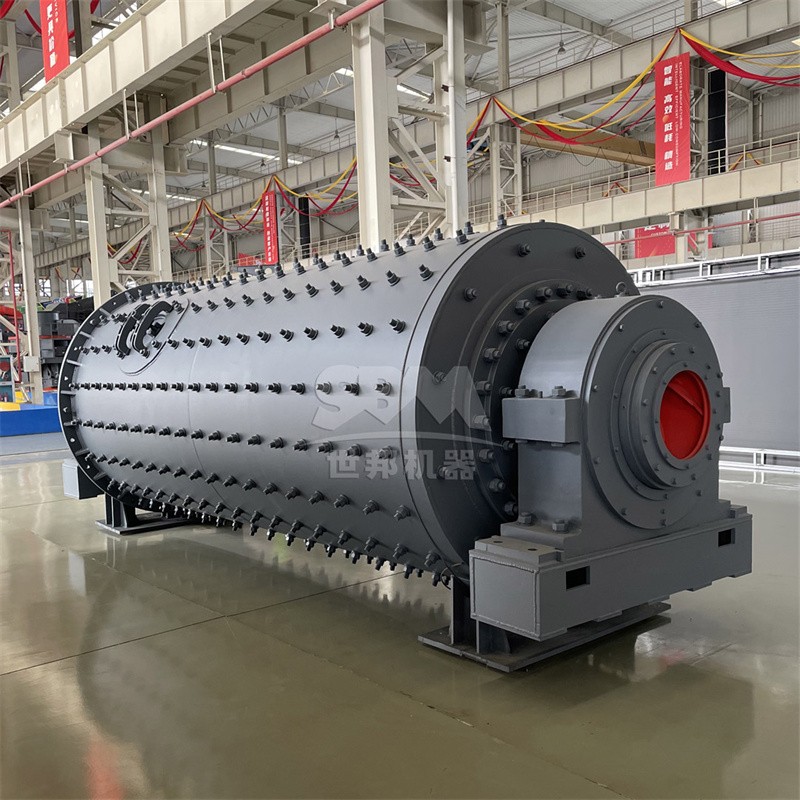
Ball Mills
Traditional ball mills are reliable and widely used for coarse to medium grinding. They are suitable for plants with lower fineness requirements (<200 mesh) and can handle large feed sizes. However, they are less energy-efficient and occupy a larger footprint compared to modern alternatives.
Vertical Roller Mills (VRMs)
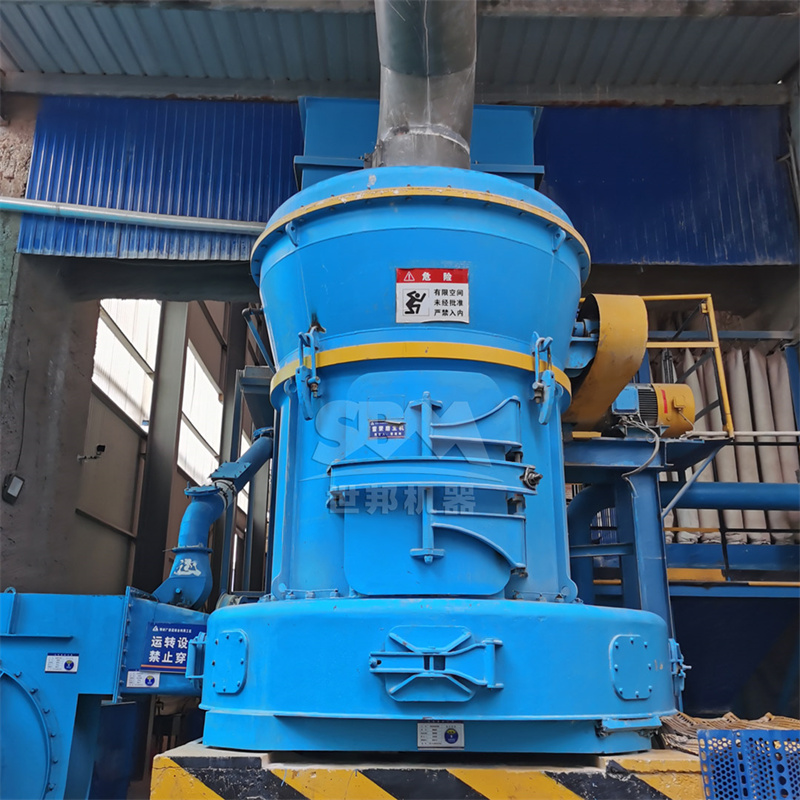
VRMs, such as the LM series, integrate crushing, grinding, and classification in one system. They offer 30-40% lower energy consumption than ball mills, a smaller footprint, and intelligent control. They are ideal for large capacity AAC plants requiring consistent fineness between 30-325 mesh. The LM-Y vertical pre-grinding roller mill is specifically designed for cement and limestone pre-grinding, offering the additional benefit of sand-making functionality.
Ultrafine Mills
For AAC plants that demand extremely fine limestone powder (325-2500 mesh), modern ultrafine grinding mills are the top choice. These mills use advanced classifying technology to ensure zero coarse powder mixing and high-precision particle size control. They are particularly beneficial for producing high-strength, lightweight AAC blocks.
Our Recommended Products for AAC Limestone Powder Production
Based on years of experience in the mineral processing industry, we recommend two of our flagship products that are particularly well-suited for AAC limestone powder production:
1. SCM Series Ultrafine Mill (for Fineness 325-2500 mesh)
The SCM Series Ultrafine Mill is engineered for high-efficiency fine grinding. Its capacity is 2 times that of jet mills, with 30% lower energy consumption. The vertical turbine classifier provides precise particle size cutting (45-5 μm), ensuring uniform finished products essential for AAC. The special material rollers and rings extend service life several times over. With models ranging from SCM800 (0.5-4.5 t/h) to SCM1680 (5.0-25 t/h), this mill is perfect for AAC plants requiring ultra-fine limestone powder. Intelligent control with automatic feedback on finished product granularity ensures consistent quality and reduces manual intervention.
2. MTW Series European Trapezium Mill (for Fineness 30-325 mesh)
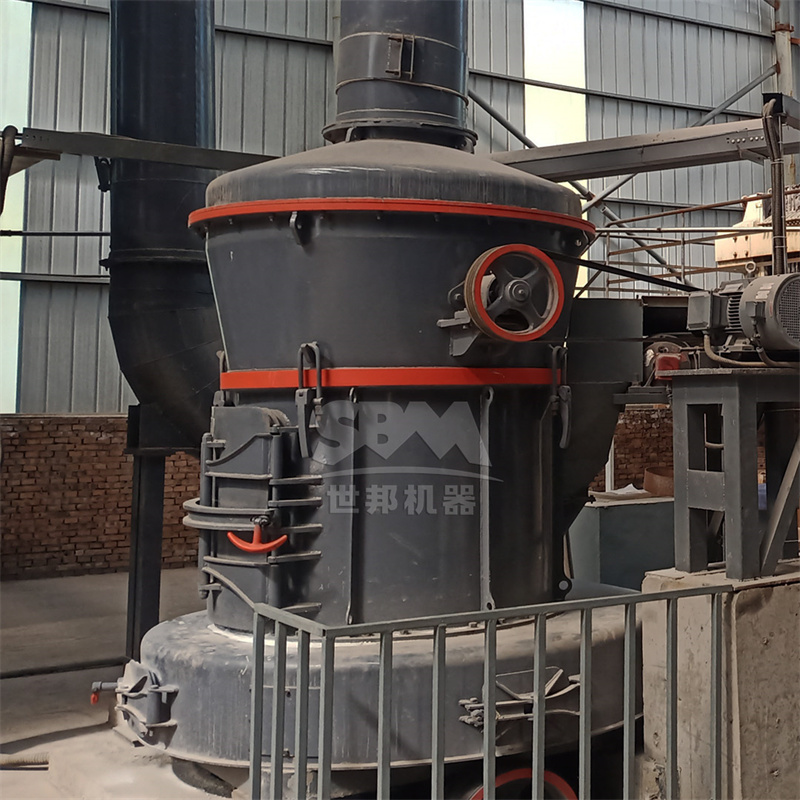
For standard AAC limestone powder requirements, the MTW Series European Trapezium Mill is an ideal solution. It features an anti-wear shovel design and an optimized arc air duct that reduces airflow energy loss. The integral bevel gear drive achieves transmission efficiency up to 98%, saving both space and installation costs. The wear-resistant volute structure reduces maintenance costs by 30%. With capacity ranging from 3 to 45 tons per hour (models MTW110 to MTW215G), this mill offers excellent flexibility for medium to large AAC operations. The patented internal suction oil lubrication system and internationally advanced pulse dust removal technology ensure eco-friendly and reliable operation.
Case Study: Optimal Selection for a 50,000 m³/year AAC Plant
Consider a medium-sized AAC plant with an annual production capacity of 50,000 cubic meters. The plant requires approximately 10-15 tons of limestone powder per day, with a target fineness of 80% passing 200 mesh (75 μm). After evaluating various options, the plant chose the SCM900 Ultrafine Mill (capacity 0.8-6.5 t/h, fineness 325-2500 mesh) for its higher precision, ensuring that even when producing finer powder for specialized AAC products, the mill can adapt. The energy savings of 30% compared to a conventional ball mill system resulted in a payback period of less than 18 months. The intelligent control system allowed the plant to automate the grinding process, reducing labor costs and minimizing human error.
Conclusion
Choosing the best limestone powder production equipment for Autoclaved Aerated Concrete involves balancing fineness requirements, capacity, energy efficiency, and long-term maintenance costs. For AAC producers aiming for high-quality products with consistent performance, modern vertical roller mills and ultrafine mills offer significant advantages over traditional equipment. The SCM Series Ultrafine Mill and MTW Series European Trapezium Mill from our company represent the pinnacle of grinding technology, providing AAC manufacturers with reliable, efficient, and eco-friendly solutions. By investing in the right equipment, you can optimize your AAC production line, improve product quality, and reduce operational costs for years to come.