
Introduction
Petroleum coke, or petcoke, is a high-carbon byproduct of the oil refining industry. Its value as a fuel and as a raw material in industries like aluminum smelting, steel manufacturing, and power generation is well established. However, to unlock its full potential, petroleum coke must be processed into a fine, uniform powder. The choice of grinding equipment for your petroleum coke powder production plant is a critical strategic decision that directly impacts product quality, operational costs, energy efficiency, and overall profitability. This guide provides a comprehensive framework for evaluating and selecting the right equipment for your specific needs.
Understanding Your Material: Petroleum Coke
Before diving into machinery, it is essential to characterize your feedstock. Petroleum coke can vary significantly in hardness, moisture content, and volatile matter. Two common types are:
- Green Petcoke: High in volatile matter and moisture, often requiring drying before grinding.
- Calcined Petcoke: Low in volatiles, harder, and more abrasive, demanding equipment with superior wear resistance.
Understanding the Hardgrove Grindability Index (HGI) of your petcoke feed is the first step. A lower HGI means the material is harder and more energy-intensive to grind. Your equipment must be capable of handling the abrasive nature of petcoke without excessive wear and tear.
Key Criteria for Equipment Selection
Choosing the right mill involves balancing several critical factors. Here are the most important ones to consider for your processing plant.
1. Output Fineness (Mesh Size)
The required fineness of your final product is the primary driver of equipment choice. Different applications demand different particle sizes.
- Fuel for Power Plants and Cement Kilns: Typically requires a fineness of 80-90% passing 200 mesh (74 microns) or 325 mesh (45 microns).
- Pre-baked Anodes for Aluminum Smelting: Requires a very precise and consistent fineness, often with a specific particle size distribution (PSD), targeting a range of 30-325 mesh (600-45 microns).
- Specialty Applications (e.g., Carbon additives): May demand ultrafine powders down to 2500 mesh (5 microns).
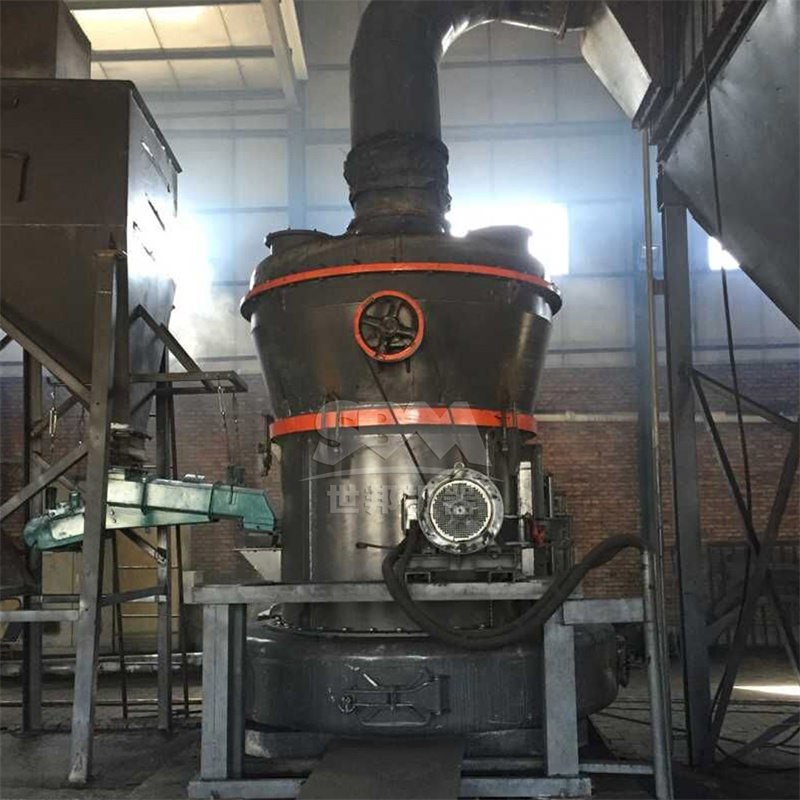
For standard industrial applications requiring 30-325 mesh, heavy-duty equipment like the MTW Series European Trapezium Mill or the LM Series Vertical Roller Mill are excellent, high-capacity choices. For higher fineness requirements, such as those needed in advanced carbon products, the SCM Series Ultrafine Mill is the ideal solution.
2. Production Capacity (Throughput)
Your required tonnage per hour (TPH) will narrow your options significantly. Mills come in various sizes to match different production scales.
- Small-to-Medium Scale (1-15 TPH): The SCM Series Ultrafine Mill (0.5-25 TPH) and MTM Series Medium-speed Trapezium Mill (3-22 TPH) are highly efficient.
- Medium-to-Large Scale (10-50 TPH): The MTW Series European Trapezium Mill (3-45 TPH) offers robust performance and high reliability.
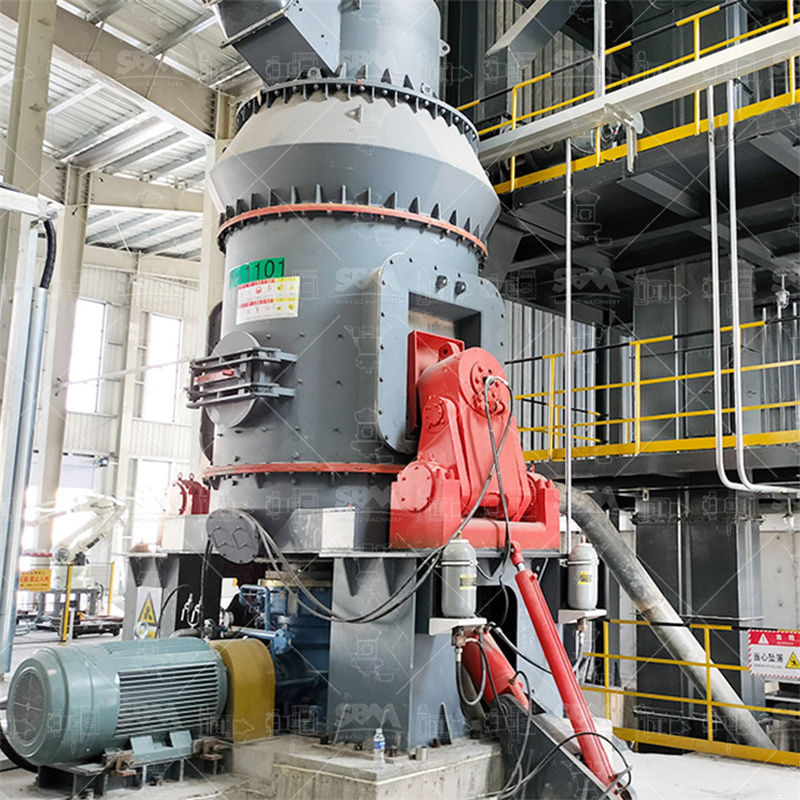
- Large-to-Bulk Scale (50-250+ TPH): The LM Series Vertical Roller Mill (3-250 TPH) is the undisputed leader for high-capacity, continuous operations, thanks to its integrated design that combines grinding, drying, and classification.
3. Energy Consumption and Operating Costs
Grinding is an energy-intensive process. Choosing an energy-efficient mill can lead to massive operational cost savings over the life of the plant.
- Vertical Roller Mills (VRMs) like the LM Series are highly efficient, typically consuming 30-40% less energy than traditional ball mill systems for the same application. Their integrated design also saves on ancillary equipment power.
- Trapezium Mills like the MTW Series utilize advanced arc air ducts and integral bevel gear drives to minimize energy loss.
- Ultrafine Mills like the SCM Series offer double the capacity of a jet mill with 30% lower energy consumption, a significant advantage for fine grinding.
4. Equipment Durability and Wear Life
The abrasive nature of petroleum coke makes equipment wear a primary concern. A mill with short-lived wearing parts will incur high maintenance costs and frequent downtime.
- Look for mills that use special alloy materials for grinding rollers and rings. The SCM Series features special material rollers and rings that extend service life several times over.
- The MTW Series uses an anti-wear shovel design and a wear-resistant volute structure, reducing maintenance costs by up to 30%.
- The LM Series uses a non-contact design between the roller and the grinding table, meaning the parts don’t touch during operation, which drastically increases their lifespan.
For the most demanding and abrasive petcoke applications, we strongly recommend our MTW Series European Trapezium Mill. Its robust build, combined with patented anti-wear technology like the combined shovel blades and optimized volute structure, ensures it handles the hardest calcined petcoke with minimal downtime and extends the operational life of your plant.
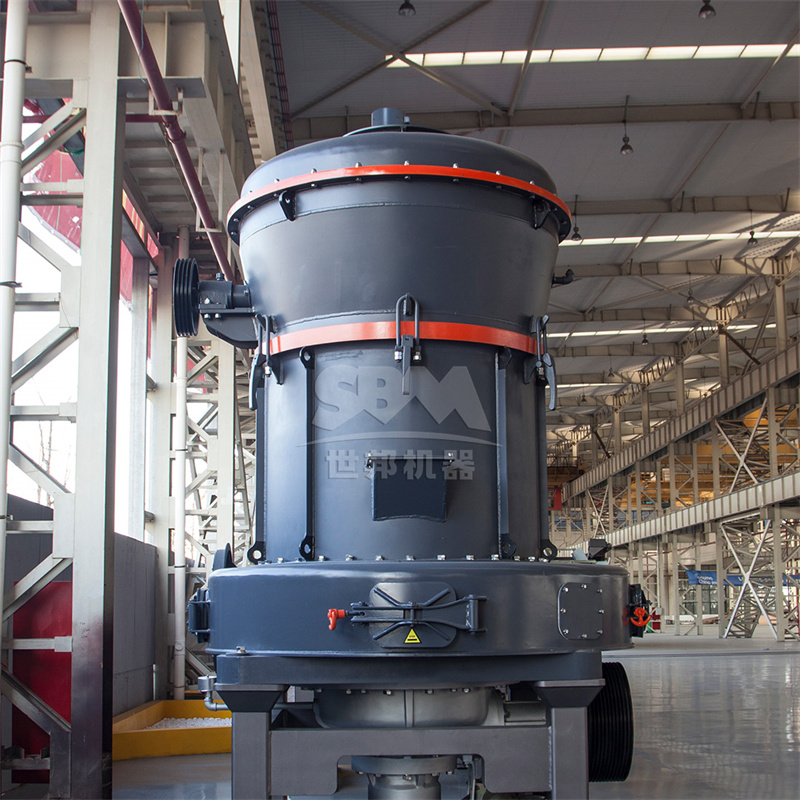
The MTW Series is designed for a feed size of up to 50mm and delivers a fineness of 30-325 mesh, making it perfectly suited for the bulk of petcoke processing for the anode and fuel industries. Models like the MTW215G offer a capacity range of 15-45 TPH, ideal for a modern processing plant.
5. Classification Precision
High-quality powder production requires precise classification to eliminate coarse particles and ensure a uniform final product.
- Vertical Turbine Classifiers found in the SCM Series Ultrafine Mill provide high-precision particle size cutting, ensuring no coarse powder is mixed into the final product, which is critical for high-value applications.
- The MTW Series and LM Series both feature advanced dynamic classifiers that allow for multi-stage adjustment of fineness, providing excellent control over the particle size distribution.
6. Environmental Compliance and Plant Safety
Petroleum coke dust is a combustible material, making explosion safety a non-negotiable priority. Furthermore, dust emissions must be controlled to meet strict environmental regulations.
- Dust Collection: Choose a mill that integrates a high-efficiency pulse dust collector. Our equipment features pulse dust removal technology with efficiency exceeding international standards.
- Negative Pressure Operation: Systems that operate under fully sealed negative pressure, like the LM Series Vertical Roller Mill, prevent any dust leakage into the plant environment.
- Inerting Systems: For extremely combustible materials, consider mills that can be integrated with an inert gas (e.g., Nitrogen) system. Our LM Series coal mill models are specifically designed to operate safely in explosive environments.
- Noise Control: Look for features like soundproof room designs, which are standard in the SCM Series, to ensure a low-noise working environment.
Conclusion: A Structured Selection Process
Choosing the right petroleum coke powder production equipment is a multi-faceted decision. Start by clearly defining your input material (green vs. calcined), your target output fineness and capacity, and your budget for both capital and operating expenses. Follow this structured approach:
- Start with Fineness: Determine your primary target mesh size (e.g., 200 mesh, 325 mesh, or 2500 mesh).
- Calculate Capacity: Define your required throughput in tons per hour.
- Prioritize Wear: For high-abrasivity inputs, prioritize mills with proven long-life wear parts.
- Model the Energy Costs: Factor in the energy savings from efficient designs.
- Ensure Safety: Verify the mill system can meet your safety and environmental requirements.
By following this guide and evaluating your specific needs against the technical strengths of available equipment, you can make an informed investment that will optimize your production line for years to come. Whether you need the high-capacity integration of a LM Series Vertical Roller Mill, the robust, wear-resistant design of our MTW Series Trapezium Mill, or the ultra-fine precision of the SCM Series Ultrafine Mill, the key is to match the machine’s strengths perfectly with your operational goals.