
Introduction
In the petroleum and aluminum industries, calcinated coke (petroleum coke) is a critical raw material used in anodes for aluminum smelting, as well as in titanium dioxide, steel, and carbon products. The quality and fineness of calcinated coke powder directly impact production efficiency, product performance, and energy consumption. Selecting the right grinding mill is therefore a strategic decision for any industrial operation. This article provides a comprehensive guide to the key features of high-efficiency calcinated coke powder production equipment, focusing on petroleum coke grinding mills, and offers a structured selection framework to help you choose the optimal solution for your specific needs.
Understanding the Challenges of Grinding Calcinated Coke
Calcinated coke is a hard, brittle, and highly abrasive material with a high carbon content. Its unique physical properties pose several challenges for conventional grinding equipment:
- Abrasiveness: High wear on grinding parts reduces equipment lifespan and increases maintenance costs.
- Hardness: Requires high crushing forces and energy input, leading to potential inefficiencies.
- Fineness Requirements: Different applications demand various particle sizes, from coarse (200 mesh) to ultra-fine (500 mesh or finer).
- Moisture Content: While typically low, any residual moisture can cause sticking and clogging.
- Safety: Fine carbon dust is combustible and explosive, necessitating stringent safety and dust control measures.
A high-efficiency calcinated coke grinding mill must overcome these challenges through advanced design, robust materials, and intelligent control systems.
Key Features of High-Efficiency Petroleum Coke Grinding Mills
Modern grinding mills designed for petroleum coke incorporate several advanced features to maximize productivity, minimize operational costs, and ensure product quality.
1. High Grinding Efficiency and Low Energy Consumption
Energy costs represent a significant portion of the total grinding operation. High-efficiency mills utilize advanced grinding principles, such as layer grinding or high-pressure roller grinding, to reduce specific energy consumption. For example, vertical roller mills and trapezium mills can consume 30-50% less energy than traditional ball mills. Intelligent control systems automatically adjust operating parameters based on feedback from the finished product granularity, ensuring energy is used precisely where it is needed without over-grinding.
2. High-Precision Classification System
Consistent product fineness is crucial for downstream processes like anode baking. A high-quality grinding mill integrates a high-precision classifier, typically a vertical turbine classifier or a multi-stage dynamic classifier. This ensures a sharp particle size cut with no coarse powder mixing, producing uniformly-sized powders that meet strict specifications. The ability to adjust fineness on-the-fly (e.g., from 45 microns to 2500 mesh) adds significant operational flexibility.
3. Durable Wear Parts and Long Service Life
Given the abrasive nature of calcinated coke, the durability of grinding rollers, rings, and liners is paramount. The best mills use specialized alloy materials (e.g., high-chrome or composite materials) for these components, extending their service life several times over compared to standard materials. Features like anti-wear shovel designs, combined shovel blades, and non-contact roller/table designs further reduce wear and maintenance frequency. A shaftless screw grinding chamber design can also ensure stable operation, reducing downtime.
4. Eco-Friendly and Low-Noise Operation
Environmental regulations and workplace safety standards are becoming increasingly stringent. High-efficiency grinding mills are designed for eco-friendly operation. This includes fully sealed negative pressure systems to prevent dust leakage, high-efficiency pulse dust collectors that exceed international emission standards, and soundproof room designs that keep noise levels within comfortable limits. For processing combustible materials like petroleum coke, inert gas blanketing and explosion-proof designs are available to ensure safe operation.
5. Intelligent and Automated Control
Modern mills are equipped with expert-level auto-control systems that support remote and local switching. These systems provide real-time monitoring of key parameters such as grinding pressure, temperature, vibration, and power draw. This reduces manual intervention, ensures stable operation, and allows for predictive maintenance, ultimately increasing overall equipment effectiveness (OEE).
Selection Guide for Petroleum Coke Grinding Mills
Choosing the right mill depends on a careful evaluation of your specific requirements. Use the following criteria to guide your selection process.
Step 1: Define Your Production Target
- Required Capacity (ton/h): Determine your throughput requirement. Production lines range from small pilot plants (0.5 t/h) to large industrial facilities (over 200 t/h).
- Target Fineness (mesh / micron): Specify the desired particle size (e.g., 45-5μm (325-2500 mesh) for ultra-fine applications, or 600-45μm (30-325 mesh) for standard anode production).
- Feed Material Size: The maximum size of your calcinated coke (e.g., ≤20mm, ≤35mm, ≤50mm) will determine the mill’s feed port size and pre-crushing requirements.
Step 2: Assess Your Budget and Operational Priorities
- Capital Investment (CAPEX): Ball mills generally have a lower initial cost, while vertical roller mills or ultra-fine mills have higher upfront costs but offer lower operating costs.
- Operating Cost (OPEX): Consider energy consumption (kWh/ton), wear part replacement costs, and maintenance labor. Mills with integrated, smart designs and durable parts offer lower OPEX.
- Floor Space: Vertical mills and integrated systems save significant floor space (up to 50% reduction) compared to horizontal ball mill systems.
Step 3: Match Mill Type to Application
| Mill Type | Best For (Petroleum Coke) | Typical Fineness Range | Key Advantage |
|---|---|---|---|
| Ultrafine Vertical Roller Mill | Ultra-fine coke powder (e.g., for Li-ion battery anodes) | 45-5μm (325-2500 mesh) | Highest precision, lowest energy for ultra-fine grinding |
| European Trapezium Mill | Medium to fine grinding (standard anode & filler) | 600-45μm (30-325 mesh) | Excellent wear-resistance, balanced CAPEX/OPEX |
| Vertical Roller Mill (for mineral) | Large-scale, high-capacity fine grinding | 600-45μm (30-325 mesh) | Lowest energy consumption per ton, integrated system |
| Hammer Mill | Coarse crushing or pre-grinding (0-3mm) | 0-3mm | Very high capacity for coarse size reduction |
Recommended Products for Calcinated Coke Grinding
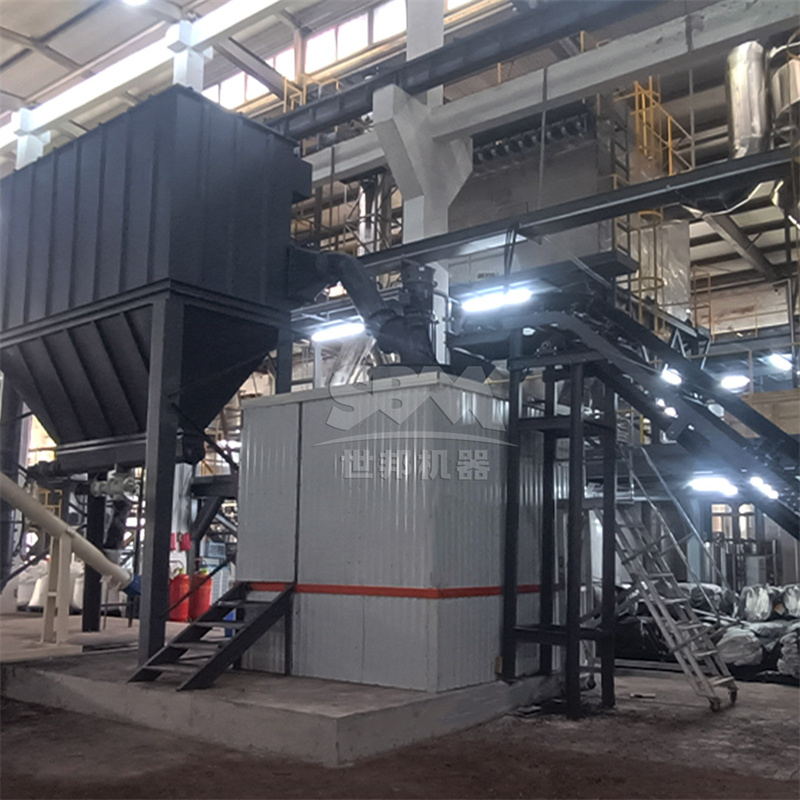
For customers requiring ultra-fine calcinated coke powder (below 325 mesh, down to 5 microns), we strongly recommend the SCM Series Ultrafine Mill. This mill is engineered for high-efficiency, high-precision grinding of hard materials like petroleum coke. Its capacity is twice that of jet mills with 30% lower energy consumption. The vertical turbine classifier ensures a precise particle size distribution, making it ideal for high-value applications such as high-grade carbon products and battery materials. Key models include the SCM1250 (capacity 2.5-14 t/h, main power 185kW) and the SCM1680 (capacity 5.0-25 t/h, main power 315kW).
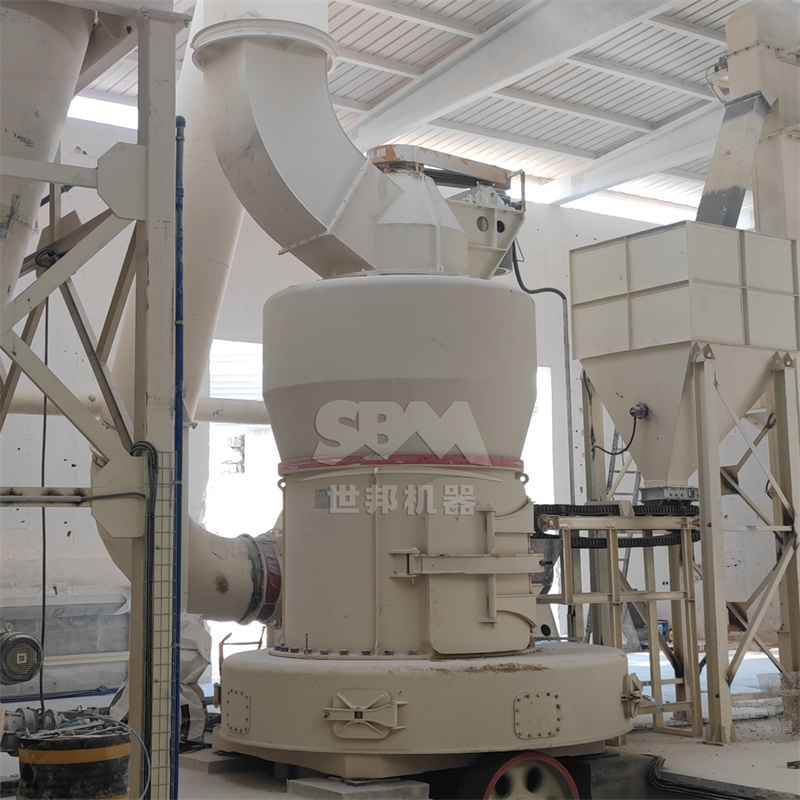
For medium to large-scale production of calcinated coke powder with fineness ranging from 30 to 325 mesh, the MTW Series European Trapezium Mill is an excellent choice. It features an anti-wear shovel design that reduces maintenance costs, an optimized arc air duct that improves transmission efficiency, and an integral bevel gear drive with up to 98% efficiency. This mill is perfect for producing standard anode-grade coke powder. The MTW175G (capacity 9.5-25 t/h, main power 160kW) and the MTW215G (capacity 15-45 t/h, main power 280kW) are particularly well-suited for high-capacity industrial lines.
Conclusion
Investing in high-efficiency calcinated coke powder production equipment is a critical step toward optimizing your manufacturing process. By focusing on key features such as energy efficiency, precision classification, wear durability, and environmental compliance, you can significantly reduce operational costs and improve product quality. The selection process should be data-driven, aligning the mill’s technical specifications with your specific capacity, fineness, and budget requirements. Whether you need ultra-fine powder for specialized applications or high-volume production for standard anode use, the SCM and MTW series mills offer proven, reliable solutions for the petroleum coke grinding industry.