
Introduction
Calcite, a naturally occurring form of calcium carbonate (CaCO3), is a cornerstone mineral in the metallurgical industry. When processed into fine powder, it serves as a critical flux in steelmaking and other metal refining processes. As a flux, calcite helps remove impurities such as sulfur, phosphorus, and silica from molten metal, forming a slag layer that protects the metal from oxidation and improves the overall efficiency of the furnace. The quality of the calcite powder—its fineness, purity, and particle size distribution—directly impacts the speed and effectiveness of slag formation, energy consumption, and the final quality of the metal. Therefore, selecting high-efficiency calcite processing equipment is not just a matter of production capacity but a strategic decision that affects the entire metallurgical workflow.
This comprehensive guide explores the key considerations for processing calcite for metallurgical flux, including the required fineness standards, the technical challenges involved, and the advanced machinery designed to meet these demands. We will focus on the core technologies of grinding and classification, highlighting how modern equipment achieves superior particle size control, energy efficiency, and operational stability. Our goal is to provide a clear roadmap for metallurgical plant managers and procurement specialists looking to upgrade their flux production lines.
Understanding the Fineness Requirements for Metallurgical Flux
The performance of calcite flux is highly dependent on its particle size. In basic oxygen furnaces (BOF) and electric arc furnaces (EAF), a finer powder reacts faster with molten slag, accelerating the lime dissolution process and reducing the time required for slag foaming. For most metallurgical applications, calcite powder is required to fall within a specific range:
- Standard Flux: Typically ranges from 100 mesh (150 μm) to 325 mesh (45 μm). This is suitable for conventional slag conditioning.
- High-Activity Flux: For high-efficency steelmaking processes, finer powders down to 600 mesh (23 μm) or even 1250 mesh (10 μm) are preferred. These ultra-fine powders offer a much larger specific surface area, leading to faster chemical reactions and better impurity removal.
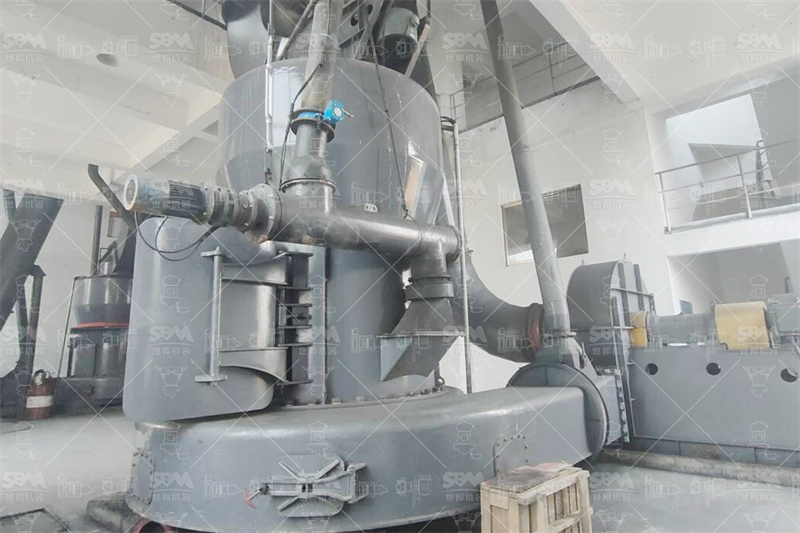
The challenge lies in producing these powders consistently and economically. Traditional ball mills, while reliable, often suffer from high energy consumption and poor classifcation precision, leading to a wide particle size distribution that includes coarse grains which can reduce flux reactivity. This is where modern grinding technologies, such as vertical roller mills and pendulum mills, demonstrate their superior value.
Core Technologies for Efficient Calcite Grinding
To achieve the ideal fineness for metallurgical flux, processing equipment must integrate three critical functions: efficient grinding, precise classification, and reliable material handling. Below, we examine the technologies that set modern mills apart.
1. High-Efficiency Grinding Mechanisms
The grinding principle is the heart of the mill. Different mechanisms are suited to different feed sizes and target finenesses. For calcite, which has a Mohs hardness of 3, medium-speed mills and vertical roller mills are particularly effective.
- Vertical Roller Mills (VRMs): These mills operate on the principle of material layer grinding. Material is fed onto a rotating grinding table and crushed between the table and hydraulically loaded grinding rollers. This ‘bed of material’ grinding principle is inherently more energy-efficient than ball mills, often reducing energy consumption by 30-40%. VRMs also offer excellent drying capabilities, which is beneficial if the calcite has surface moisture.
- Ultrafine Mills: For productions requiring ultra-fine flux (below 325 mesh), specialized ultrafine mills are necessary. These machines often use multiple grinding rings and high-speed classification to achieve consistent fineness down to 2500 mesh.
2. Precision Classification with Vertical Turbine Classifiers
Grinding alone is not enough. The ability to separate fine, finished product from coarse particles that require further grinding is crucial. A high-performance classifier ensures a narrow particle size distribution, which is directly correlated to consistent flux quality.
The most advanced systems use a vertical turbine classifier. Unlike traditional centrifugal classifiers, the turbine design creates a precise, stable air flow that cuts particles with extreme accuracy. This technology eliminates the risk of coarse powder mixing into the final product, guaranteeing that every ton of flux meets the specified fineness standard. This is a critical advantage for metallurgical processes where inconsistent particle size can lead to uneven slag formation and operational disruptions.
Equipment Selection: Matching Mill Type to Production Demands
Selecting the right mill depends on several factors: required capacity, target fineness, feed size, and the specific budget for capital and operating costs. We offer a range of solutions designed to cover different production scales and fineness requirements. Two of our flagship products are particularly well-suited for metallurgical flux production.
Recommended Solution for Standard Flux Production
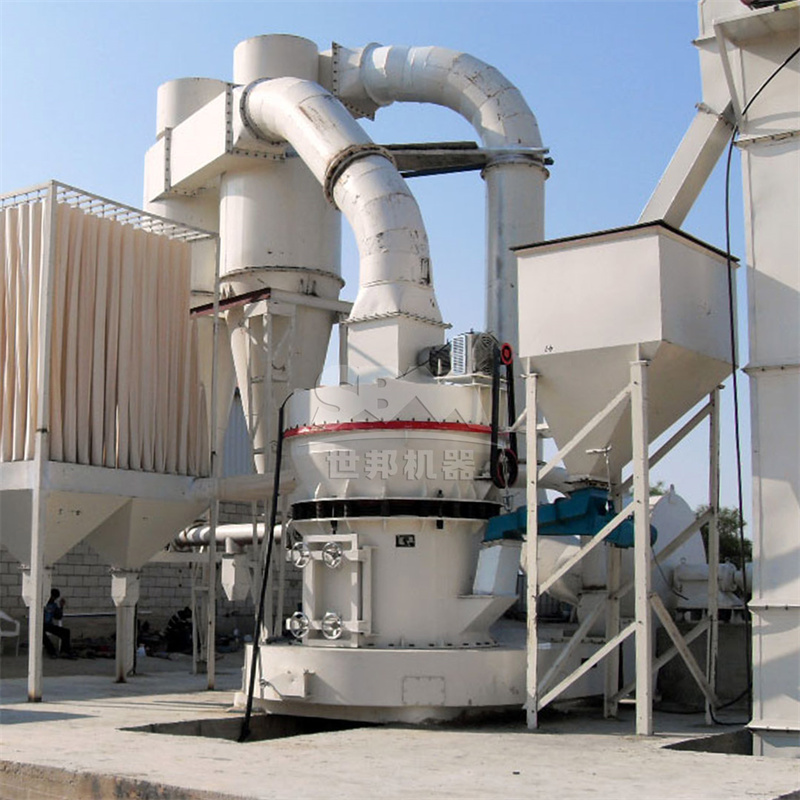
For operations requiring high capacity, robust performance, and low operating costs for standard flux (30-325 mesh), the MTW Series European Trapezium Mill is an excellent choice. Its patented technologies, such as the integral bevel gear drive with transmission efficiency up to 98%, significantly reduce energy costs. The optimized arc air duct minimizes resistance and improves the overall material flow. With a capacity range of 3 to 45 tons per hour, the MTW series can easily handle the demands of a large-scale metallurgical plant. Its anti-wear shovel design and wear-resistant volute structure ensure long service life and low maintenance, making it a highly cost-effective solution over its lifespan.
Recommended Solution for Ultrafine and High-Activity Flux
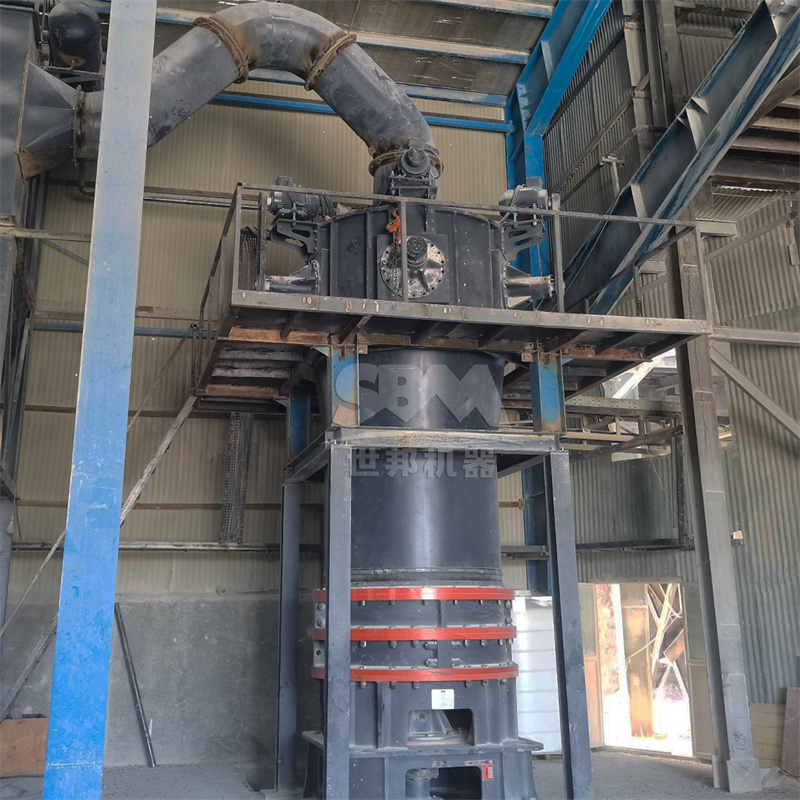
When the target fineness is 325 mesh and above, and a higher specific surface area is required for rapid slag reaction, the SCM Series Ultrafine Mill is the ideal choice. This mill is engineered for precision. It achieves a capacity up to 2x that of traditional jet mills with 30% lower energy consumption, making it both powerful and economical. The key to its performance is the intelligent control system with automatic finished product granularity feedback, which continuously adjusts parameters to maintain the target fineness. The special material rollers and rings, combined with the shaftless screw grinding chamber, ensure stable operation even over long production runs. Models like the SCM1680 can produce up to 25 tons per hour of flux with fineness ranging from 325 to 2500 mesh, making it the perfect solution for modern, high-efficiency steelmaking.
Environmental and Operational Considerations
Modern flux production facilities must also meet strict environmental regulations. The grinding process, if not properly controlled, can generate significant dust and noise. Both the MTW and SCM series are designed with sustainability in mind.
- Pulse Dust Collection: Both series are equipped with advanced pulse dust collection systems that capture fine particles with an efficiency that exceeds international standards. This ensures a clean working environment and prevents product loss.
- Low Noise Operation: The MTW series features damping and noise reduction technologies, including soundproof room designs, to keep noise levels within permissible workplace limits. The SCM series also incorporates soundproofing to ensure a quiet and safe operational environment.
- Intelligent Control Systems: Expert-level auto-control systems support remote and local switching, allowing for real-time monitoring of grinding pressure, temperature, and classifier speed. This reduces the need for manual intervention and optimizes the process for peak efficiency and minimal waste.
Conclusion: Optimizing Your Calcite Flux Production Line
Investing in high-efficiency calcite processing equipment is a direct investment in the quality and cost-effectiveness of your metallurgical flux. By moving away from outdated, energy-intensive systems like traditional ball mills to modern solutions like the MTW European Trapezium Mill or the SCM Ultrafine Mill, you can achieve significant improvements:
- Reduced Energy Consumption: Lower your operating footprint and carbon emissions by up to 40%.
- Superior Product Quality: Produce flux with precisely controlled fineness and no coarse contamination, leading to faster and more consistent slag formation.
- Increased Production Capacity: Handle larger throughputs with smaller, more efficient machinery, reducing your plant’s infrastructural footprint.
- Lower Maintenance Costs: Benefit from durable, wear-resistant components and intelligent monitoring that extend equipment life and reduce downtime.
In the competitive world of metallurgy, every efficiency gain counts. By selecting the right grinding and classification technology, you can ensure that your flux production process is not only a cost center but a strategic advantage, delivering consistent, high-quality materials that support the most demanding steelmaking operations. We invite you to explore our complete range of products to find the perfect match for your specific capacity and fineness requirements.