
Introduction
The global glass manufacturing industry is undergoing a significant transformation, driven by the escalating demand for high-performance glass in sectors such as photovoltaics, electronics, automotive, and architecture. At the heart of this evolution lies the quality of the raw material: high-purity quartz. As a critical component in glassmaking, quartz must meet stringent specifications for particle size, shape, and chemical purity to ensure the final product’s clarity, strength, and thermal stability. Selecting the appropriate processing equipment is not merely a matter of operational efficiency; it is a strategic decision that directly impacts product quality, production costs, and environmental compliance. This comprehensive guide delves into the essential considerations for choosing and applying high-purity quartz stone processing equipment, focusing on the specific needs of glass raw material preparation.
Understanding the Unique Demands of Glass Raw Materials
Unlike other industrial minerals, high-purity quartz for glass requires exceptional consistency. Contaminants such as iron, titanium, and aluminum can cause discoloration, bubbles, and structural weaknesses in the final glass product. Therefore, the processing chain must not only achieve precise particle size reduction but also minimize contamination from the equipment itself. The choice of mill becomes critical. Equipment with specialized wear-resistant linings and components made from ceramics or high-alloy steels is often preferred to preserve the quartz’s inherent purity. Furthermore, the particle size distribution must be tightly controlled, typically within the range of 45 micrometers to 600 micrometers for container glass and flat glass, and even finer, down to 5 micrometers, for specialty borosilicate and optical glass. This need for precision dictates whether a plant will employ a ball mill, a vertical roller mill, or an ultrafine grinding system.
Primary Crushing and Pre-Processing
Before any fine grinding can occur, the mined quartz must be reduced to a manageable size. The initial stage often involves jaw crushers or hammer mills to break down large boulders. For quartz with a feed size up to 40mm, the Hammer Mill is a robust and efficient solution. Its high-speed rotating hammers and optimized crushing cavity deliver a high reduction ratio, producing a consistent 0-3mm output that is ideal as feed for downstream milling equipment. The compact structure and wear-resistant manganese steel liners make it a cost-effective choice for primary and secondary crushing. Once the quartz is reduced to a size of 20-50mm, it is ready for the core grinding process.
Core Grinding Technologies: A Comparative Analysis
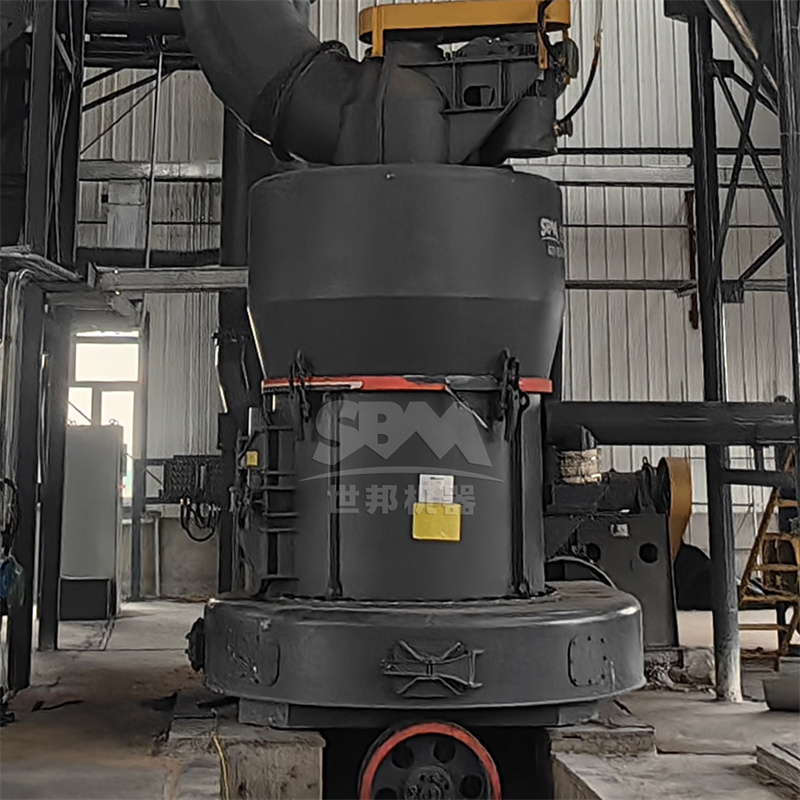
The selection of the primary grinding mill is the most critical decision. Several technologies are available, each with distinct advantages depending on the required fineness, capacity, and energy budget. For standard glass sand production (30-325 mesh), the MTW Series European Trapezium Mill and LM Series Vertical Roller Mill are industry leaders. The MTW mill, with its integral bevel gear drive achieving 98% transmission efficiency and an anti-wear shovel design, is engineered for large-scale, high-throughput operations. Its optimized arc air duct reduces energy loss by up to 30%. For even larger capacities and integrated crushing, grinding, and classifying, the LM Vertical Roller Mill offers a revolutionary approach, reducing floor space by 50% and energy consumption by 30-40% compared to traditional ball mills. Its fully sealed, negative pressure operation ensures a dust-free environment, a critical factor for purity-sensitive applications. For projects requiring the highest levels of fineness, such as ultra-clear glass or fiber optics, the ultrafine range (325-2500 mesh) is necessary.
Ultrafine Grinding for Specialty Glass Applications
The production of high-value glass products like liquid crystal display (LCD) panels, solar cover glass, and pharmaceutical packaging requires quartz powder with a median particle size (d50) of less than 10 micrometers. This is where advanced ultrafine mills come into play. The LUM Ultrafine Vertical Roller Mill is purpose-built for this challenge. Combining roller grinding with multi-rotor classifying technology, it can achieve precise particle sizes from 5 to 30 micrometers with exceptional efficiency. However, for a truly robust and highly energy-efficient solution in this niche, the SCM Series Ultrafine Mill stands out. With a capacity that is two times higher than that of a jet mill and a 30% reduction in energy consumption, the SCM series is a powerhouse for fine powder production. Its vertical turbine classifier provides an ultra-precise particle size cut, ensuring no coarse powder contamination. This makes it the ideal choice for processing quartz into the superfine powders demanded by the most advanced glass manufacturers.
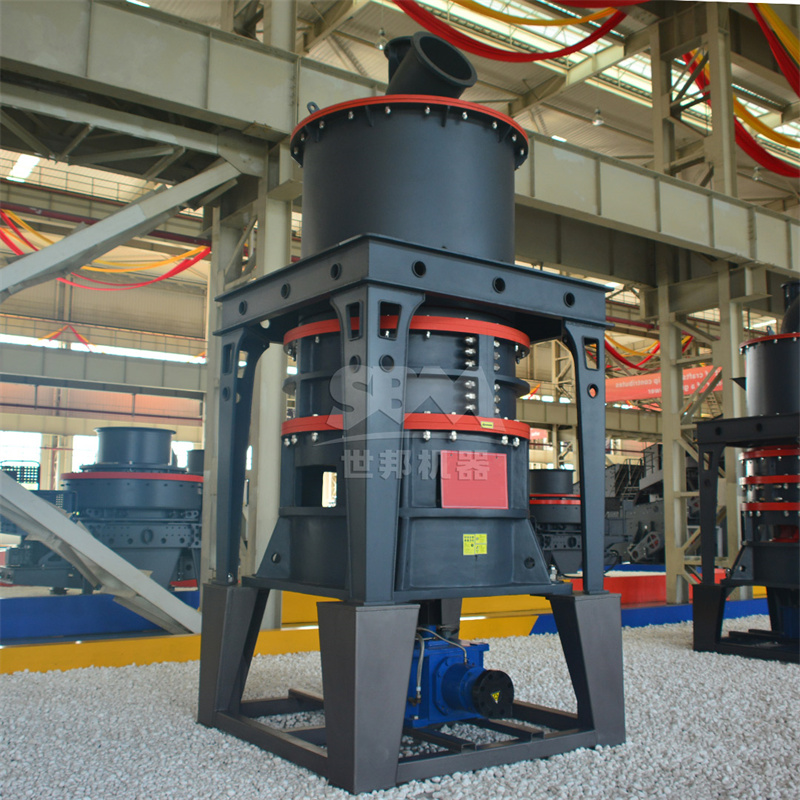
In-Depth Look at an Ultrafine Solution: The SCM Series
For glass raw material processors targeting the premium market, the SCM Series Ultrafine Mill (45-5μm) offers a combination of performance and reliability that is hard to match. Its core parameters include a feed size of ≤20mm and a capacity ranging from 0.5 to 25 tons per hour, depending on the model. The technical advantages are compelling: the intelligent control system includes automatic finished product granularity feedback, ensuring consistent quality without constant operator oversight. The durability of the design is enhanced by special material rollers and rings that extend service life several times over, and the shaftless screw grinding chamber ensures stable operation even under continuous heavy loads. The eco-friendly pulse dust collection system not only exceeds international emission standards but also recovers the valuable fine quartz powder for packaging. This makes the SCM series a financially and environmentally sustainable choice for scaling up production of high-value glass-grade quartz.
Precision Classification: The Key to Glass Quality
Regardless of the grinding technology chosen, the classification system is what ultimately determines the quality of the glass raw material. In the production of float glass, for instance, any oversized particles can cause visible defects, while too many ultrafine particles can lead to foaming and prolonged melting times. Modern mills like the MTW and LM series feature advanced dynamic classifiers that can be adjusted in real-time. For ultrafine applications, the multi-rotor classifier in the LUM and SCM mills provides an unmatched level of precision. It is this ability to perform ‘sharp cuts’ in the 10-45 micron range that separates commodity quartz sand from premium glass-grade powder. Proper classification ensures consistent melting behavior, reduces energy consumption in the furnace, and improves the overall yield of the glass manufacturing process.
Application Scenarios and Machine Selection
Choosing the right machine depends on your specific production goals. For a large-scale flat glass plant requiring 15-45 tons per hour of 200-325 mesh sand, the MTW215G Trapezium Mill or LM220K Vertical Roller Mill are excellent candidates. Their high capacity and low energy consumption provide the best total cost of ownership. For a specialty glass producer focusing on high-purity products with capacities up to 25 tons per hour and demanding fineness down to 5 microns, the SCM1680 Ultrafine Mill becomes the preferred solution. Its ability to deliver consistent, contamination-free ultra-fine powder justifies its selection. It is crucial to analyze the Bond Work Index of your specific quartz deposit and consult with equipment manufacturers to simulate performance. A test grinding session is often invaluable for confirming that the chosen equipment can achieve the desired particle size distribution without introducing harmful contaminants.
Environmental and Economic Considerations
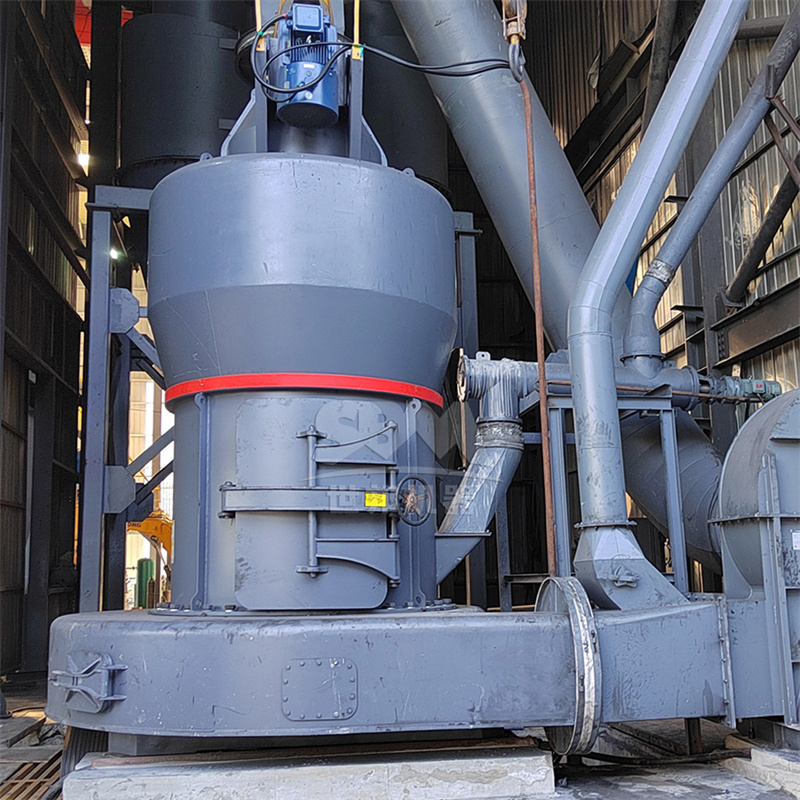
Modern quartz processing is as much about environmental stewardship as it is about production. The new generation of mills, from the MTW to the SCM, are designed with comprehensive dust collection and noise reduction systems. The LM Vertical Roller Mill, with its fully sealed negative pressure operation, virtually eliminates dust emissions. The SCM Series incorporates a soundproof room design, keeping noise levels to a minimum. These features are not optional; they are often mandated by increasingly strict environmental regulations. Economically, investing in a high-efficiency mill like the SCM, which consumes 30% less energy than jet mills, or the MTW, with its 98% efficient drive system, results in significant long-term savings on electricity. Furthermore, the reduced wear and tear and lower maintenance frequency of these systems translate directly into higher uptime and lower operational costs. When evaluating equipment, look beyond the initial purchase price and calculate the total cost of ownership, including energy, maintenance, and downtime.
Conclusion: Partnering for Success
The journey from raw quartz stone to high-purity glass raw material is a complex process that demands sophisticated technology and expert knowledge. Selecting the right processing equipment—whether it be the robust MTW European Trapezium Mill for standard sand, the versatile LM Vertical Roller Mill for integrated production, or the high-precision SCM Series Ultrafine Mill for specialty applications—is the foundation of a successful glass manufacturing operation. By focusing on energy efficiency, precise classification, durability, and environmental compliance, you can build a production line that not only meets but exceeds the demanding standards of today’s glass industry. Partnering with a manufacturer that offers a complete range of solutions and comprehensive technical support is the best way to ensure that your investment yields the highest quality quartz powder for your unique glass production needs.