
Introduction
In the cement manufacturing industry, the selection of raw material processing equipment is a critical decision that directly impacts production efficiency, product quality, and operational costs. Cement-grade raw materials, including limestone, clay, shale, and gypsum, require precise grinding to achieve the fineness necessary for high-quality clinker production. With a wide range of grinding technologies available—from ball mills to vertical roller mills and ultrafine mills—choosing the right equipment can be challenging. This article provides a comprehensive guide to selecting the best cement-grade raw material processing equipment for efficient grinding, considering key factors such as material characteristics, capacity requirements, energy consumption, and maintenance costs. Our company specializes in advanced grinding solutions, and we will highlight two exemplary products that meet diverse cement production needs.
Key Factors in Selecting Grinding Equipment
Material Characteristics and Feed Size
The physical and chemical properties of raw materials, such as hardness, moisture content, and abrasiveness, play a significant role in equipment selection. For instance, limestone with a Mohs hardness of 3-4 can be processed efficiently by medium-speed mills, while harder materials like clinker may require more robust solutions. The feed size is another critical parameter. Equipment with larger input capacities, such as the MTW Series European Trapezium Mill (accepting up to 50mm feed size), is ideal for primary grinding stages, whereas ultrafine mills like the SCM Series (≤20mm feed size) are better suited for final product refinement. Understanding your material’s grindability index helps in matching the equipment to the task, thereby reducing wear and energy consumption.
Output Fineness and Capacity Requirements
Cement production demands specific fineness levels, typically ranging from 45μm to 2500 mesh (5μm), depending on the application. For ordinary Portland cement, a fineness of 300-400 m²/kg Blaine is common, while specialized cements may require ultrafine particles. Equipment capacity must align with production targets. For large-scale operations, the LM Series Vertical Roller Mill offers capacities up to 250 tons per hour, making it suitable for high-volume grinding. Conversely, for finer grinding with lower throughput, the SCM Series Ultrafine Mill (0.5-25 t/h) provides exceptional precision. Balancing fineness and capacity ensures that the grinding system operates within optimal parameters, avoiding bottlenecks under or over-utilization.
Energy Efficiency and Operating Costs
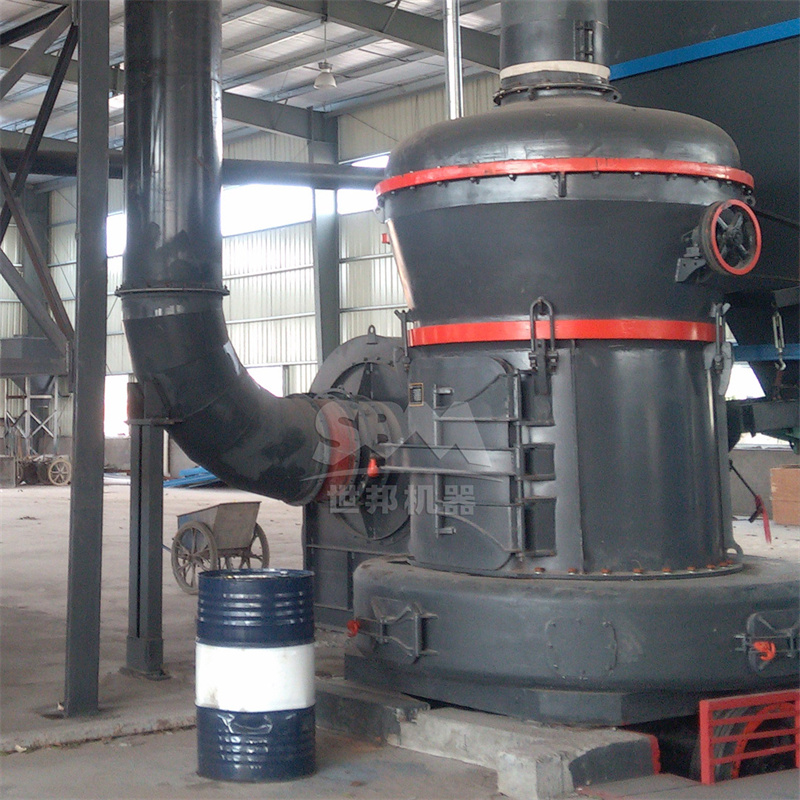
Energy consumption accounts for a substantial portion of cement production costs, often exceeding 60% of total operational expenses. Modern grinding technologies have made significant strides in reducing energy usage. For example, vertical roller mills consume 30-40% less energy than traditional ball mills due to their efficient bed-grinding principle. The LM Series Vertical Roller Mill exemplifies this advantage, with its non-contact roller and table design extending wear part life while minimizing power draw. Additionally, intelligent control systems, such as those in the SCM Series Ultrafine Mill, automatically adjust grinding parameters based on real-time feed-back, optimizing energy use and maintaining consistent product quality. When evaluating equipment, consider total cost of ownership, including initial investment, energy costs, and maintenance expenses.
Maintenance and Durability
Downtime due to equipment failure can severely disrupt production schedules. Therefore, selecting machinery with robust construction and easy maintenance features is essential. The SCM Series Ultrafine Mill features specially formulated rollers and rings that extend service life several times over, while its shaftless screw grinding chamber ensures stable operation. Similarly, the MTW Series European Trapezium Mill incorporates an anti-wear shovel designed with combined blades and a curved profile that reduces maintenance costs. Look for equipment with modular components, accessible wear parts, and advanced lubrication systems (e.g., thin oil lubrication in the MRN Pendulum Mill) to minimize downtime. Pulse dust collectors and soundproof enclosures also contribute to a safer, more eco-friendly working environment, aligning with modern regulatory standards.
Technology Overview: Comparing Grinding Mill Types
Ball Mills
Ball mills are a traditional choice for cement grinding, offering a high crushing ratio (up to 300:1) and versatility for both dry and wet processes. They are suitable for large-capacity continuous production, with models like the GMQY3685 handling up to 45 tons per hour. However, ball mills are less energy-efficient compared to newer technologies, consuming 30-50% more power for the same output. Their high noise levels and maintenance requirements for steel balls and liners may also be drawbacks. Ball mills remain viable for coarse grinding stages but are increasingly replaced by vertical roller mills for energy-sensitive applications.
Vertical Roller Mills (VRM)
Vertical roller mills have become the industry standard for efficient cement grinding. They integrate crushing, grinding, and classification in a single unit, reducing floor space by up to 50% and infrastructure costs by 40%. The LM Series from our company offers capacities from 3 to 250 t/h, with fineness ranging from 170 to 45 microns. Its intelligent control system monitors parameters in real-time, reducing manual intervention. For ultrafine applications, the LUM Ultrafine Vertical Roller Mill achieves fineness down to 325-2500 mesh, ideal for high-performance cements. VRMs are particularly effective for grinding blended cements and slag, thanks to their low energy consumption and excellent product quality.
Ultrafine Mills
For specialized cement products requiring ultra-high fineness, ultrafine mills like the SCM Series are indispensable. With an output fineness of 325-2500 mesh (45-5μm), these mills use a three-layer grinding ring system that applies centrifugal force and roller pressure for efficient size reduction. The SCM800 model, for instance, processes 0.5-4.5 t/h with a main power of 75 kW, making it ideal for small to medium-scale operations. Its vertical turbine classifier ensures precise particle size cutting with no coarse powder mixing, guaranteeing uniformity. Energy consumption is 30% lower than jet mills, while capacity is twice as high. The inclusion of pulse dust collection systems ensures emissions compliance, making it an eco-friendly choice.
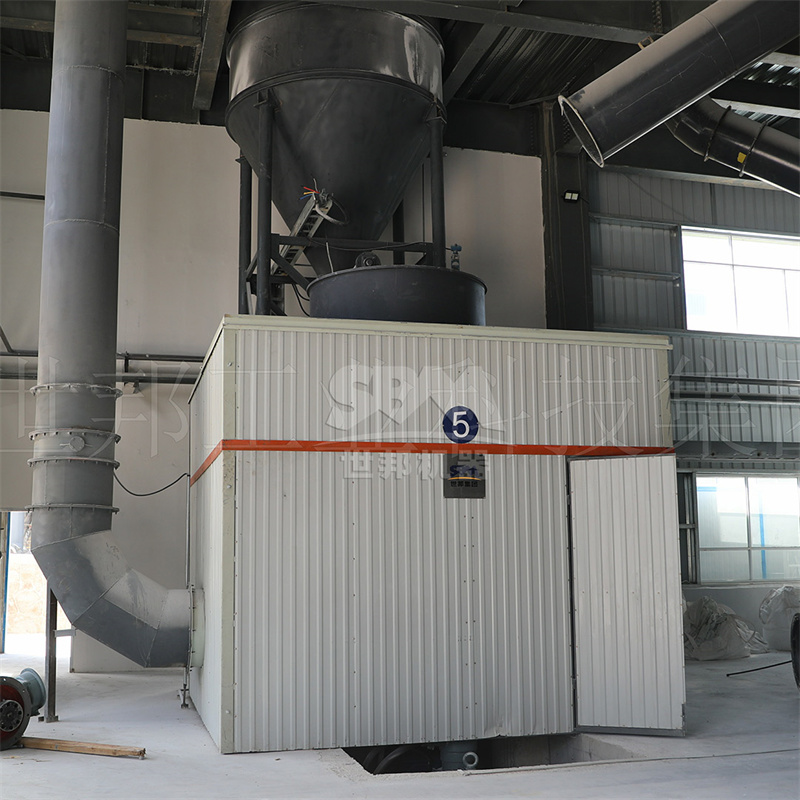
Product Spotlight: SCM Series Ultrafine Mill and MTW Series European Trapezium Mill
Based on our extensive product portfolio, we highly recommend the SCM Series Ultrafine Mill for applications requiring fine to superfine grinding of cement raw materials. This mill is designed for high efficiency and energy saving, with a capacity that is 2x that of jet mills and 30% lower energy consumption. The intelligent control system provides automatic feedback on finished product granularity, ensuring consistent quality. For example, the model SCM1250 can process 2.5-14 t/h with fineness down to 5 microns, suitable for producing high-strength cement or additives. Its durable design, featuring special material rollers and rings, extends service life while the soundproof room keeps noise levels low. For medium-fineness grinding with higher throughput, the MTW Series European Trapezium Mill is an excellent choice. The MTW175G model, with a capacity of 9.5-25 t/h and fineness of 10-325 mesh, utilizes an integral bevel gear drive with 98% transmission efficiency and an optimized arc air duct that reduces energy loss. Combined shovel blades in the anti-wear design reduce maintenance costs by 30%. Both products embody our commitment to innovation and reliability.
Intelligent Control and Automation
Modern cement plants increasingly rely on automation to maintain consistency and reduce labor costs. Equipment with advanced PLC systems and remote monitoring capabilities, such as the LM Series Vertical Roller Mill, enables operators to adjust grinding parameters in real-time based on feed material variations. This reduces the risk of over-grinding or under-grinding, ensuring that the final product meets specific surface area requirements. The SCM Series includes automatic classification feedback that adjusts the airflow and classifier speed to maintain target fineness. Investing in intelligent equipment not only improves efficiency but also facilitates predictive maintenance, preventing unexpected breakdowns.
Environmental and Regulatory Considerations
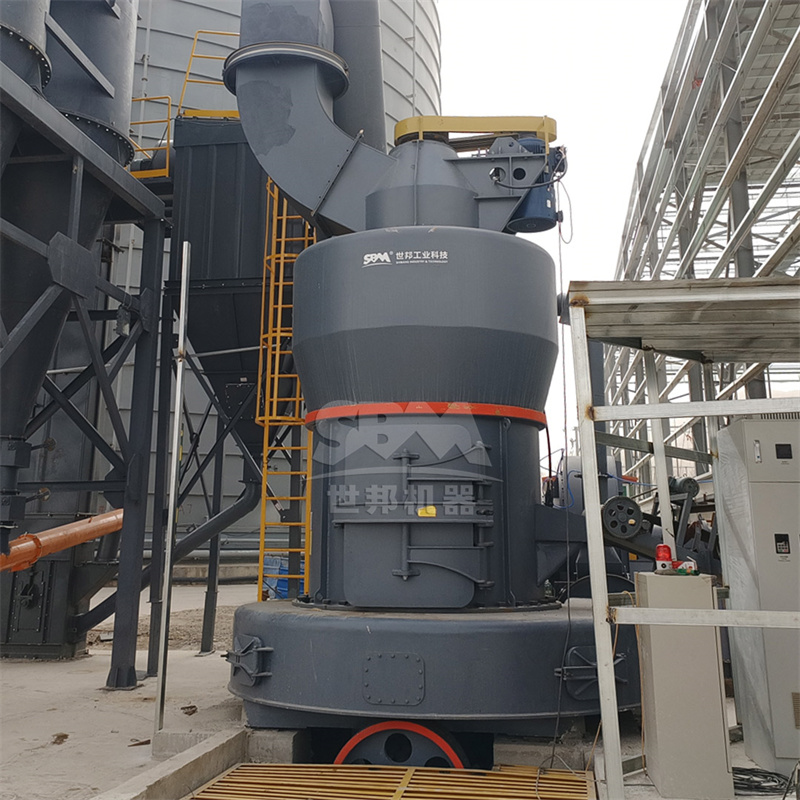
Cement production is subject to stringent environmental regulations regarding dust emissions and noise. Selecting equipment with built-in environmental controls is essential. Our grinding mills, including the SCM and MTW series, feature pulse dust collection systems that exceed international standards, capturing particulate matter effectively. The negative pressure operation of the LM Series ensures no dust leakage, while soundproof designs maintain noise levels below 85 dB. Compliance with local regulations not only avoids penalties but also enhances corporate reputation. Additionally, the use of energy-efficient mills contributes to lower carbon footprints, aligning with global sustainability goals in the cement industry.
Conclusion
Choosing the best cement-grade raw material processing equipment requires a balanced evaluation of material characteristics, desired fineness, capacity, energy efficiency, maintenance requirements, and environmental compliance. For ultrafine grinding needs, the SCM Series Ultrafine Mill offers unparalleled precision and energy savings, while the MTW Series European Trapezium Mill provides robust performance for medium-fineness applications with higher capacities. Both products are backed by years of engineering expertise and patented technologies, ensuring reliable operation and long service life. We encourage cement manufacturers to assess their specific production requirements and consult with our technical team to determine the optimal solution. Investing in the right grinding equipment is a strategic decision that will yield returns through reduced operational costs, improved product quality, and enhanced competitiveness in the global market.