Introduction
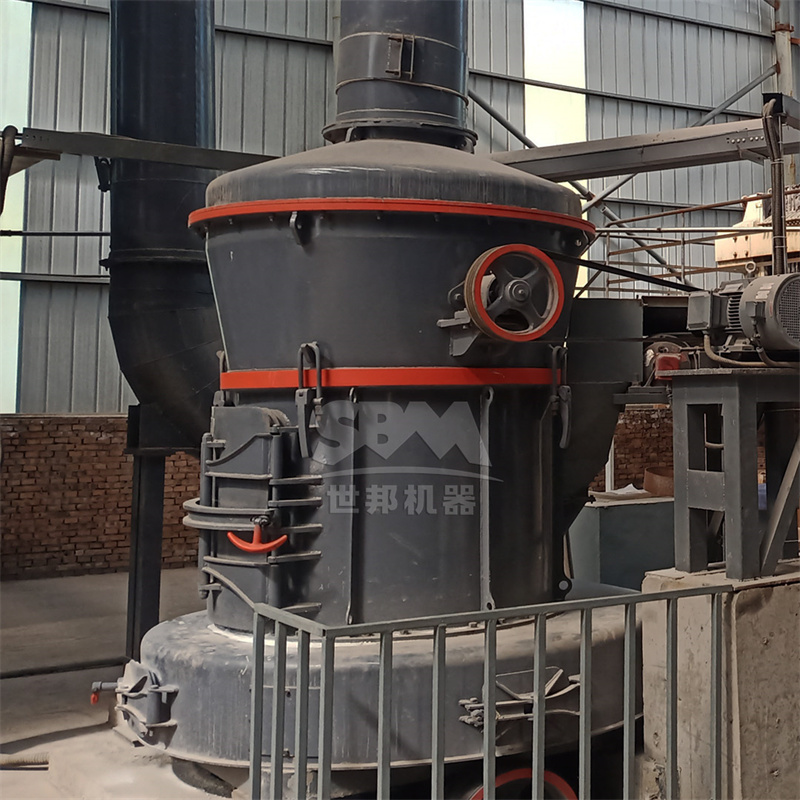
In the fertilizer industry, the production of superphosphate powder with a fineness of 40-mesh (approximately 0.425 mm) is a critical step in ensuring efficient nutrient release and optimal crop absorption. Selecting the right grinding equipment is paramount for manufacturers seeking to balance production capacity, energy consumption, and final product quality. This guide provides a comprehensive overview of the key features to consider when choosing high-efficiency 40-mesh superphosphate powder production equipment, helping you make an informed investment.
Key Features of High-Efficiency 40-Mesh Production Equipment
1. Robust Grinding Capability for Aggressive Materials
Superphosphate is a chemically processed material that can be abrasive and corrosive. High-efficiency equipment must feature durable construction. Look for mills with wear-resistant liners, hardened grinding rollers, and robust drive systems. The ability to handle feed sizes typical of superphosphate (often up to 30-50mm) is essential. Equipment with optimized crushing chambers, such as those incorporating trapezoidal surfaces or bevel gear drives, ensures that material is efficiently captured, crushed, and ground without excessive wear, reducing downtime and maintenance costs.
2. Precise Classification and Particle Size Control
To achieve a consistent 40-mesh product free from oversized particles, a high-precision classification system is non-negotiable. Modern mills utilize dynamic or vertical turbine classifiers that can accurately cut particle sizes. An intelligent control system with automatic feedback on finished product granularity is a key feature. This allows operators to adjust the fineness in real-time, ensuring that every ton of superphosphate meets the 40-mesh specification, thereby avoiding issues like clogging in downstream blending equipment.
3. Energy Efficiency and High Capacity
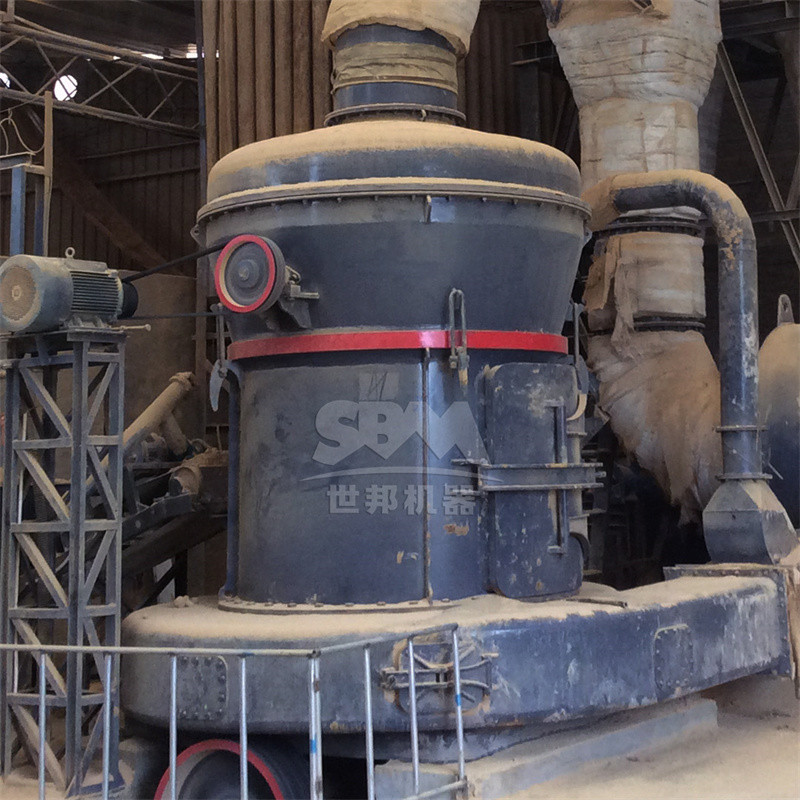
In large-scale fertilizer production, energy costs are a primary concern. High-efficiency mills can offer significant advantages. For example, systems that utilize an integral bevel gear drive can achieve transmission efficiency of up to 98%, minimizing energy loss. When comparing technologies, look for capacity rates that are double that of older technologies like jet mills, but with 30% lower energy consumption. The goal is to achieve the highest possible throughput (ton/h) for the required 40-mesh fineness while minimizing the kWh consumed per ton of product.
4. Intelligent and Automated Control Systems
Modern grinding equipment should feature advanced PLC control systems for automated operation. Expert-level auto-control systems allow for remote and local switching, real-time monitoring of critical parameters (temperature, pressure, vibration, motor load), and automatic adjustment of feeding rates. This reduces manual intervention, ensures stable operation 24/7, and optimizes the grinding process for consistent output. For those producing 40-mesh superphosphate, this consistency is vital for maintaining product certification and customer satisfaction.
5. Environmental Compliance and Operation
Dust and noise are major concerns in grinding plants. High-efficiency 40-mesh production equipment must operate under negative pressure to prevent dust leakage. A fully integrated pulse dust collection system with efficiency exceeding international standards is crucial. Look for soundproof room designs to ensure noise levels remain within workplace safety guidelines. Running a clean, quiet operation not only ensures regulatory compliance but also improves the working environment and reduces the risk of product loss.
Selection Guide for 40-Mesh Superphosphate Grinding
Assessment of Production Capacity
Start by defining your required annual output. The capacity of grinding mills varies greatly. If your need exceeds 15 tons per hour for a 40-mesh product, you should consider large-scale systems. The MTW Series European Trapezium Mill is an excellent choice for medium to high capacity requirements (3-45 t/h). Its robust design and optimized arc air duct make it ideal for efficient grinding of superphosphate.
Consideration of Feed Size and Material Hardness
Superphosphate, while not excessively hard, can be sticky. Equipment like the LM Series Vertical Roller Mill, with its integrated crushing, grinding, and selection functions, is highly effective. It can handle input sizes up to 50mm and has a unique non-contact design between rollers and table, which reduces wear part costs significantly. This design ensures long operational life even with abrasive materials.
Evaluation of Fineness and Quality Control
For a strict 40-mesh (425 micron) target, the equipment must have a multi-stage adjustable classifier. The SCM Series Ultrafine Mill is typically used for finer powders (325-2500 mesh), but its technology of high-precision vertical turbine classifiers is a benchmark for quality. For a 40-mesh target, the MTM Series Medium-speed Trapezium Mill provides a very stable solution. Its innovative pressure regulation system automatically compensates for roller wear, ensuring prolonged life of grinding parts and consistent output quality.
We Recommend Our Flagship Solutions
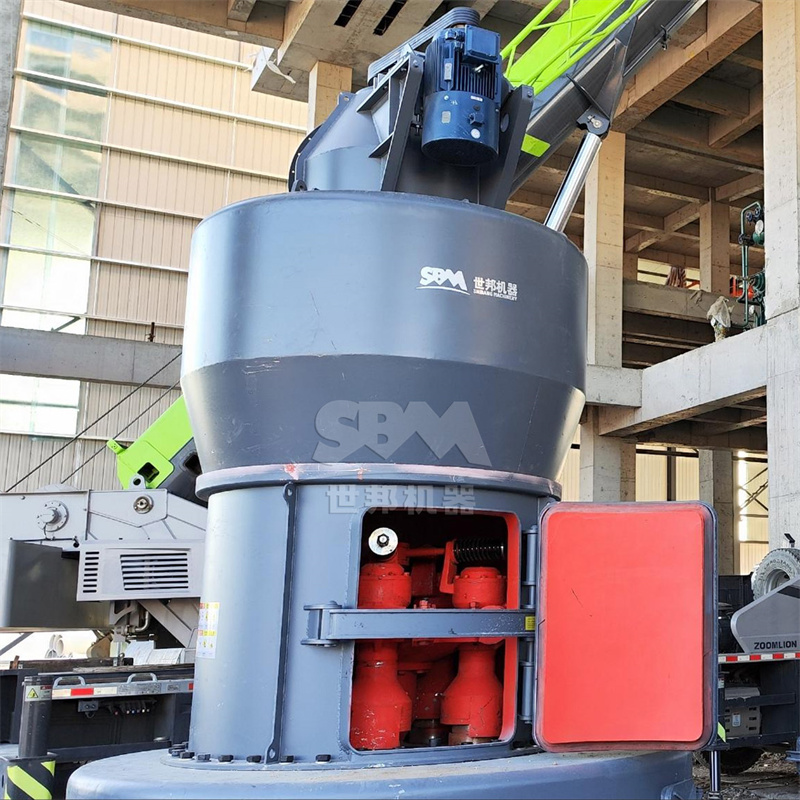
For clients who require a highly efficient, large-capacity solution for 40-mesh superphosphate, we strongly recommend the MTW Series European Trapezium Mill (Model MTW138Z or MTW175G). Its integral bevel gear drive and anti-wear shovel design make it the most reliable and cost-effective choice for continuous industrial production. For those needing a solution with the highest energy efficiency and lowest operational cost for their base production, the LM Series Vertical Roller Mill is unbeatable. Its intelligent control system and low energy consumption (30-40% less than ball mills) will drastically reduce your overall production expenses. These two flagship products represent the pinnacle of grinding technology for fertilizer applications.
Lifecycle Cost Analysis
Do not base your selection solely on the purchase price. Perform a lifecycle cost analysis considering: energy consumption (kWh/ton), wear part replacement cost and frequency, maintenance downtime, and installation costs (e.g., foundation and footprint). A mill with a 50% smaller floor space, like the LM Series, can reduce civil engineering costs by up to 40%. Equipment with quick-change roller assemblies and automatic lubrication systems will minimize production stoppages, which is critical for facilities running 24/7.
Conclusion
Selecting the right high-efficiency 40-mesh superphosphate powder production equipment requires a careful balance of throughput, power consumption, and final product consistency. By focusing on key features like robust grinding elements, precise classification, and intelligent automation, you can ensure a profitable and compliant operation. We invite you to consult with our engineering team to discuss your specific capacity needs. Whether you choose the versatile MTW Trapezium Mill or the high-capacity LM Vertical Roller Mill, you are investing in technology designed for maximum profitability and minimal environmental impact.