
Introduction
Bamboo charcoal is gaining significant traction globally due to its remarkable properties—porous structure, high absorption capacity, and eco-friendly nature. From water purification and air filtration to cosmetics and soil amendment, the applications of bamboo charcoal are expanding rapidly. For manufacturers and investors looking to enter or scale up in this market, understanding the processing equipment is crucial. This comprehensive guide explores the machinery behind bamboo charcoal processing, focusing on grinding and pulverizing technologies essential for producing high-quality bamboo charcoal powder.
Why Bamboo Charcoal Requires Specialized Processing
Raw bamboo must first be carbonized into charcoal, which is then ground into a fine powder. The fineness of this powder directly impacts its application—coarser powders for agriculture, medium fineness for activated carbon, and ultra-fine powders (down to 5 microns) for cosmetics and high-end filtration. Processing bamboo charcoal presents unique challenges: it is abrasive, fibrous, and requires precise particle size control to unlock its full potential. Therefore, selecting the right grinding equipment is not just a technical decision but a strategic business move.
Core Processing Stages
The journey from charcoal chunks to finished powder typically involves multiple stages: primary crushing, fine grinding, and classification. While hammer mills handle initial size reduction, the real value lies in the precision grinding stage, which determines product quality and market value.
How Modern Grinding Mills Transform Bamboo Charcoal
1. The Principle of Layer-by-Layer Grinding
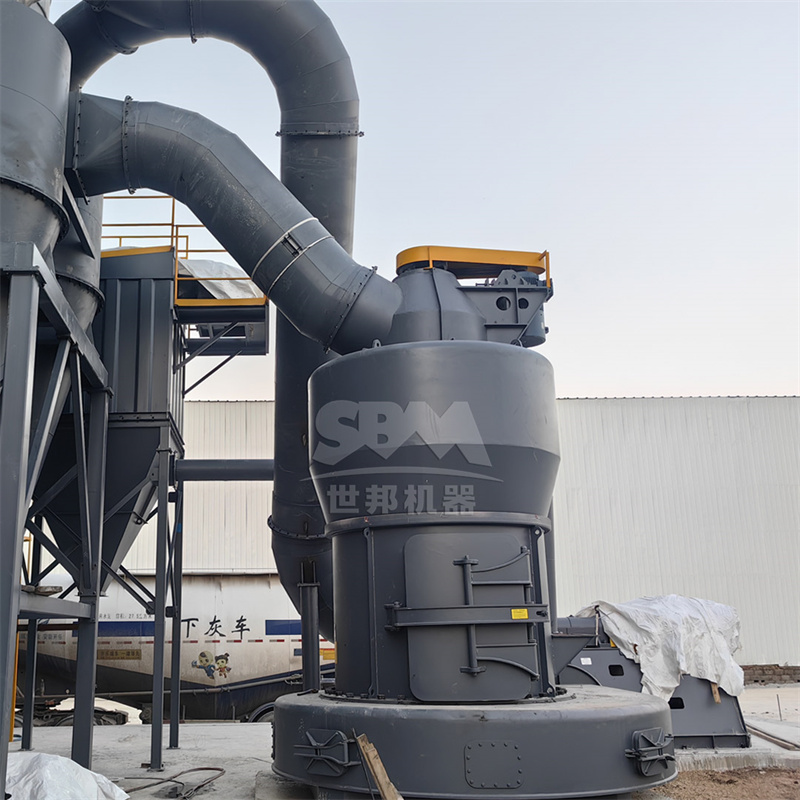
Advanced grinding technologies, such as those employed in the SCM Series Ultrafine Mill, utilize a layer-by-layer grinding approach. The main motor drives multiple grinding rings to rotate at high speeds. Bamboo charcoal particles, fed into the machine, are dispersed by centrifugal force into the grinding path. Roller pressure crushes the material against the rings, grinding it layer by layer until the desired fineness is achieved. This method ensures uniform particle size while minimizing energy waste.
2. Precision Classification
Classification is the heart of any fine grinding system. Vertical turbine classifiers, designed with high-precision blades, achieve exact particle size cutting. This means no coarse powder contamination in the final product—a critical factor for manufacturers selling into high-end markets like cosmetics or pharmaceuticals. The SCM Series, for example, can produce fineness ranging from 325 mesh (45 microns) down to 2500 mesh (5 microns), offering manufacturers exceptional flexibility.
3. Eco-Friendly and Intelligent Operation
Modern bamboo charcoal processing equipment integrates pulse dust collection systems that far exceed international environmental standards. Combined with soundproof room designs, these systems ensure noise levels remain below 85 dB, creating a safer and more compliant working environment. Intelligent control systems automatically adjust grinding parameters based on real-time feedback, maintaining consistent output quality while reducing operator intervention.
Recommended Equipment for Bamboo Charcoal Processing
For manufacturers seeking to produce ultra-fine bamboo charcoal powder for high-value applications, our SCM Series Ultrafine Mill is an ideal solution. With an input size capacity of ≤20mm and an incredible output fineness ranging from 325 to 2500 mesh (45-5μm), it delivers capacity between 0.5 and 25 tons per hour depending on the model. Compared to jet mills, the SCM Series offers twice the capacity with 30% lower energy consumption. Its special material rollers and rings ensure durability, while the shaftless screw grinding chamber guarantees stable operation even during extended production runs.
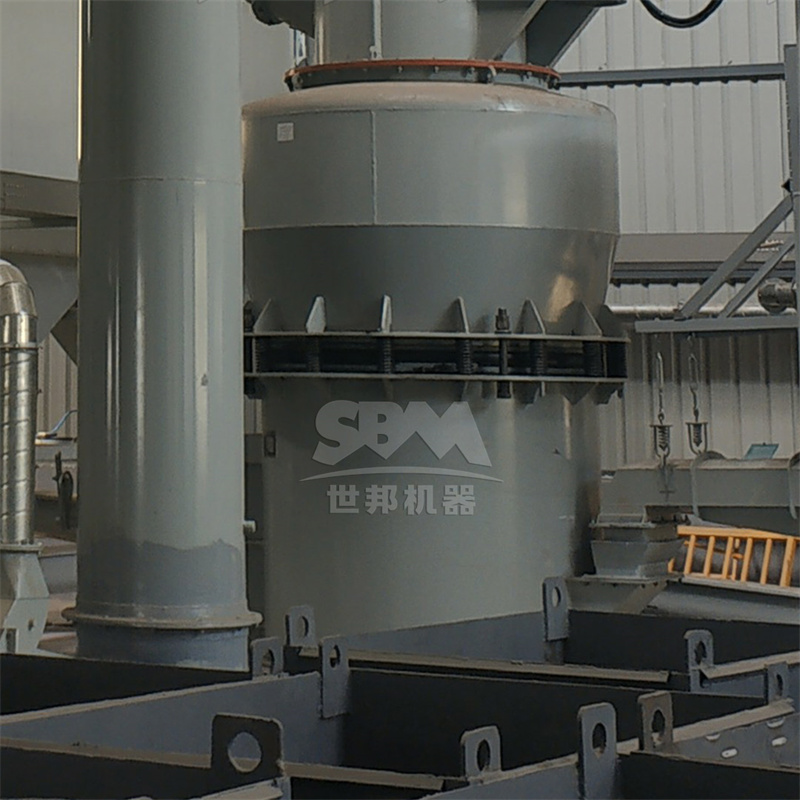
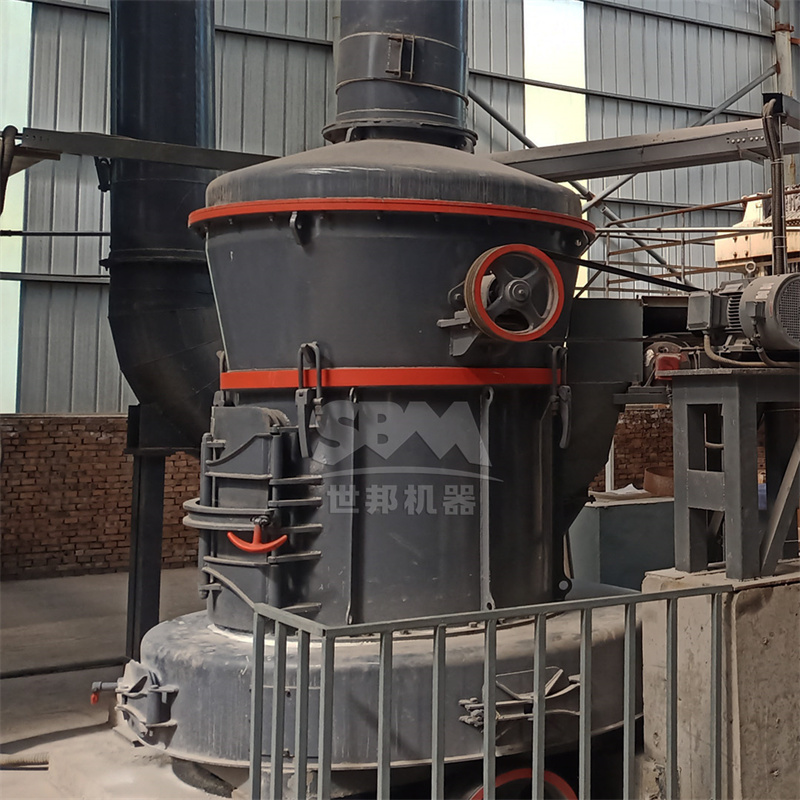
For manufacturers focusing on medium-fineness bamboo charcoal powder for applications like soil remediation or water filtration filters, the MTW Series European Trapezium Mill provides an excellent balance of cost and performance. This mill handles input sizes up to 50mm and produces fineness from 30 to 325 mesh (600-45μm), with capacities reaching up to 45 tons per hour. Its integral bevel gear drive achieves 98% transmission efficiency, and the optimized arc air duct reduces energy losses. The anti-wear shovel design and replaceable wear parts significantly reduce long-term maintenance costs—a key consideration for high-volume production.
Detailed Working Principle of Key Equipment
SCM Series Ultrafine Mill
The working principle of the SCM Series is elegantly simple yet highly effective. The main motor drives three layers of grinding rings to rotate. Bamboo charcoal material enters the machine and is dispersed into the grinding path by centrifugal force generated by the rotating rings. Rollers press against the rings, crushing the bamboo charcoal particles layer by layer. The ground material is then carried upward by airflow into the classifier. Coarse particles are rejected and returned for further grinding, while qualified fine powder passes through and is collected by a cyclone collector and a pulse dust removal system. This closed-loop system ensures high efficiency and product consistency.
MTW Series European Trapezium Mill
The MTW Series operates on a different principle. The main motor drives grinding rollers to revolve around a central axis while simultaneously self-rotating. This dual rotation generates centrifugal force that throws bamboo charcoal particles between the grinding ring and rollers, forming a material layer. Efficient crushing occurs through extrusion. A separate classification system then precisely controls the finished product size, ensuring that only material meeting the target fineness exits the mill.
Key Technical Advantages for Bamboo Charcoal Manufacturers
- Energy Efficiency: Advanced mills like the SCM and MTW series consume 30-40% less energy compared to traditional ball mills, directly improving profit margins.
- Product Consistency: High-precision classifiers ensure that every batch of bamboo charcoal powder meets exact specifications—essential for maintaining customer trust and brand reputation.
- Reduced Maintenance: Wear parts made from special alloys and innovative designs like combined shovel blades extend service life and reduce downtime.
- Environmental Compliance: Fully sealed negative pressure systems and high-efficiency pulse dust collectors ensure emissions are well within environmental standards, protecting both workers and the planet.
Selecting the Right Model for Your Production Goals
Investors must match equipment specifications to their target markets. For ultra-fine bamboo charcoal powder used in cosmetics, high-end paints, or pharmaceutical applications, the SCM Series models ranging from the SCM800 (0.5-4.5 t/h) to the SCM1680 (5.0-25 t/h) provide the necessary fineness and capacity. For standard industrial applications such as water filter cartridges, agricultural soil conditioners, or lower-grade activated carbon production, the MTW Series offers robust performance with models like the MTW110 (3-9 t/h) up to the MTW215G (15-45 t/h).
Conclusion
Understanding how bamboo charcoal processing equipment works is fundamental for manufacturers and investors aiming to capitalize on this growing market. From layer-by-layer grinding in ultrafine mills to precision classification and eco-friendly dust collection, modern machinery transforms raw bamboo charcoal into valuable products. By investing in advanced systems like the SCM Series Ultrafine Mill or the MTW Series European Trapezium Mill, businesses can achieve superior product quality, operational efficiency, and long-term cost savings—critical factors for success in the competitive global bamboo charcoal market.