
Introduction to 60-Mesh Magnesite Powder Production
Magnesite (MgCO₃) is a critical mineral used extensively in the production of refractory materials, magnesium chemicals, and construction products. Producing high-quality 60-mesh (approximately 250 microns) magnesite powder requires a carefully designed production line that balances efficiency, particle size consistency, and operational cost. This guide provides a comprehensive overview of the equipment and processes required to establish an efficient magnesite grinding plant, focusing on achieving the target fineness of 60 mesh.
Understanding the Raw Material: Magnesite Characteristics
Before selecting equipment, it is essential to understand the properties of magnesite. Typically, raw magnesite ore has a feed size ranging from 0 to 50 mm. It has a Mohs hardness of 3.5 to 4.5, making it moderately soft but abrasive due to the presence of silica impurities. The material also tends to contain varying levels of moisture. Therefore, the production line must be robust enough to handle these variations while maintaining high throughput.
Stage 1: Primary Crushing
The first step in any magnesite processing line is primary crushing. A jaw crusher or hammer crusher is typically used to reduce the run-of-mine ore to a size suitable for the grinding mill. For 60-mesh production, the feed size should be reduced to below 20-30mm. Our Hammer Mill (PC Series) is an excellent choice for this stage due to its high crushing ratio and compact structure. It can efficiently reduce magnesite ore from 40mm down to 0-3mm, preparing it perfectly for the subsequent grinding stage. The wear-resistant high manganese steel liners ensure longevity even when processing abrasive magnesite.
Stage 2: Grinding to 60 Mesh
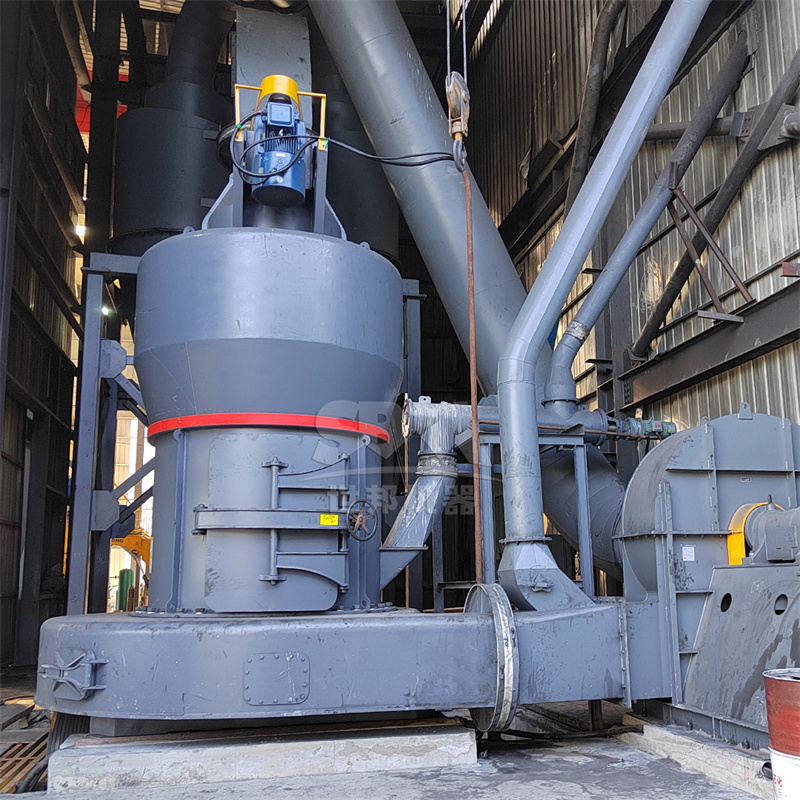
This is the core of the production line. For producing 60-mesh magnesite powder (typically ranging from 30 to 325 mesh), several mill types are suitable. However, efficiency and energy consumption are paramount. The MTW Series European Trapezium Mill stands out as the ideal workhorse for this application. With an output fineness of 30-325 mesh (45-600μm) and a capacity ranging from 3 to 45 ton/h, it precisely targets the 60-mesh requirement.
Why MTW Series is Ideal for 60-Mesh Magnesite:
- Optimized Arced Air Duct: Reduces airflow resistance and energy loss, directly improving grinding efficiency.
- Integral Bevel Gear Drive: Achieves transmission efficiency up to 98%, saving power and installation space.
- Wear-resistant Volute Structure: Non-resistance flow design reduces maintenance costs by up to 30%, crucial for abrasive magnesite.
- Precise Classification: The built-in classifier ensures that the final product is uniformly 60 mesh without coarse particles mixing in.
For projects requiring higher capacity and a lower initial investment, the MTM Series Medium-speed Trapezium Mill is also a strong contender. It features an intelligent spring pressure system that automatically compensates for roller wear, extending the life of wear parts by 30%. Its innovative roller assembly and damping technology ensure stable, low-noise operation.
Stage 3: Classification and Collection
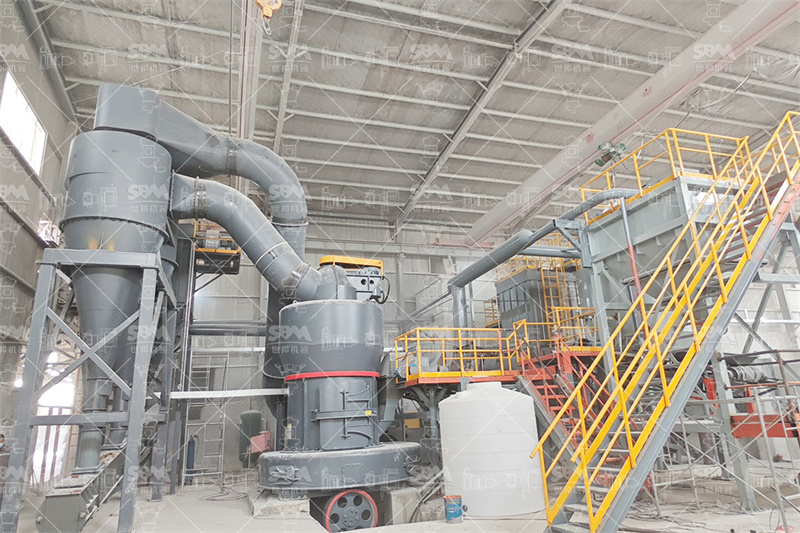
After grinding, the powder must be efficiently separated and collected. The MTW mill integrates a vertical turbine classifier that provides precise particle size cutting. Airflow carries the fine particles to the cyclone collector and then to the pulse dust collector. Our advanced pulse dust removal technology ensures that the plant meets strict environmental standards by capturing all fine particles. The entire system operates under negative pressure, preventing dust leakage and creating a cleaner working environment.
Complete Production Line Configuration Example
A typical 60-mesh magnesite powder production line (10-20 ton/h capacity) might be configured as follows:
- Feed Hopper & Vibrating Feeder (GZ Series): Ensures uniform material feeding.
- Hammer Mill (PC4008-75): Primary crushing to <3mm.
- Bucket Elevator: Transfers material to the mill hopper.
- MTW138Z Trapezium Mill: The core grinding unit. With a main power of 90kW and a fineness set to 250 microns (60 mesh), it can produce 6-17 ton/h depending on material hardness.
- Cyclone Collector & Pulse Dust Filter: High-efficiency collection and gas cleaning.
- Induced Draft Fan & Air Lock: Maintains airflow and negative pressure.
- Control Cabinet (PLC): Intelligent control for automated operation and real-time monitoring.
Key Performance Metrics & We recommend MTW138Z
When selecting your equipment, pay close attention to the following metrics. For our MTW138Z model, as a specific recommendation for a medium-capacity line producing 60-mesh magnesite, it offers the best balance of power consumption and throughput.
| Parameter | MTW138Z Value | Benefit |
|---|---|---|
| Main Motor Power | 90 kW | Lower energy consumption vs. ball mills |
| Capacity (60 mesh) | 6-17 t/h | Ideal for medium-scale enterprises |
| Classifier Power | 18.5 kW | Ensures high-precision classification |
| Fan Power | 110 kW | Optimized air volume for drying/transport |
Conclusion: Building an Efficient Line
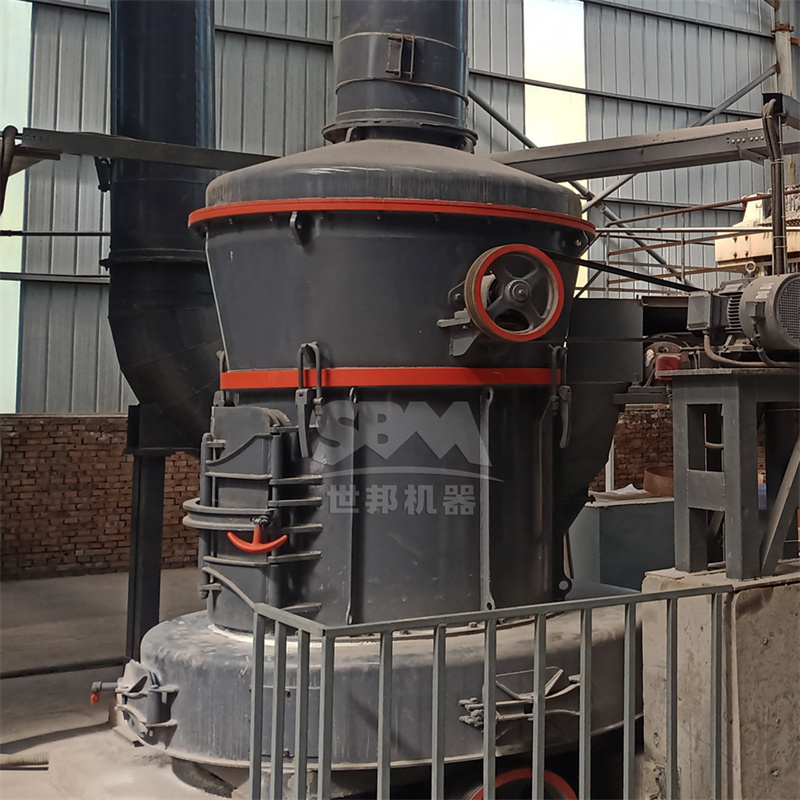
Producing 60-mesh magnesite powder is a straightforward process when the correct equipment is selected. Focus on a setup that includes a robust primary crusher, an energy-efficient grinding mill like the MTW Series, and an effective classification and collection system. This approach guarantees not only the required fineness and capacity but also long-term reliability and low operating costs. For companies looking to process magnesite into a high-value product, investing in our advanced pendulum and trapezium mills ensures a competitive edge in the market.
By integrating patented technologies such as the internal suction oil lubrication system and the optimized arc air duct, the MTW series provides a sustainable solution for industrial mineral processing. Whether you are starting a new plant or upgrading an existing one, our equipment is designed to deliver maximum return on investment.