
Introduction: The Importance of Proper Equipment Selection
In the production of fertilizer gypsum additives, selecting the right grinding and milling equipment is critical to ensuring product quality, operational efficiency, and long-term profitability. Gypsum-based additives require precise particle size distribution, consistent fineness, and high throughput to meet the demanding standards of the agricultural and industrial sectors. Whether you are producing soil conditioners, cement retarders, or specialized fertilizer blends, the milling equipment you choose will directly impact your plant’s performance, energy consumption, and maintenance costs. This article provides a comprehensive guide to the key factors and features you must consider when selecting fertilizer gypsum additive production equipment, with a focus on advanced milling technologies that can transform your production line.
Understanding Gypsum Additive Processing Requirements
Gypsum (calcium sulfate dihydrate) is a soft mineral that requires careful processing to achieve the desired additive properties. Typical applications include:
- Fertilizer fillers and carriers: Requiring fine powders in the 100-400 mesh range.
- Soil amendments: Often needing coarser particles (30-100 mesh) for slow-release benefits.
- Cement retarder additives: Demanding consistent fineness around 80-200 mesh.
- Specialty agricultural products: Requiring ultrafine powders down to 5 microns for enhanced reactivity.
The moisture content of gypsum can vary significantly (typically 5-20% as-mined), and the presence of impurities like clay, limestone, or anhydrite must be considered. The ideal equipment must handle these variations while maintaining precise control over output fineness.
Key Factor 1: Output Fineness Requirements
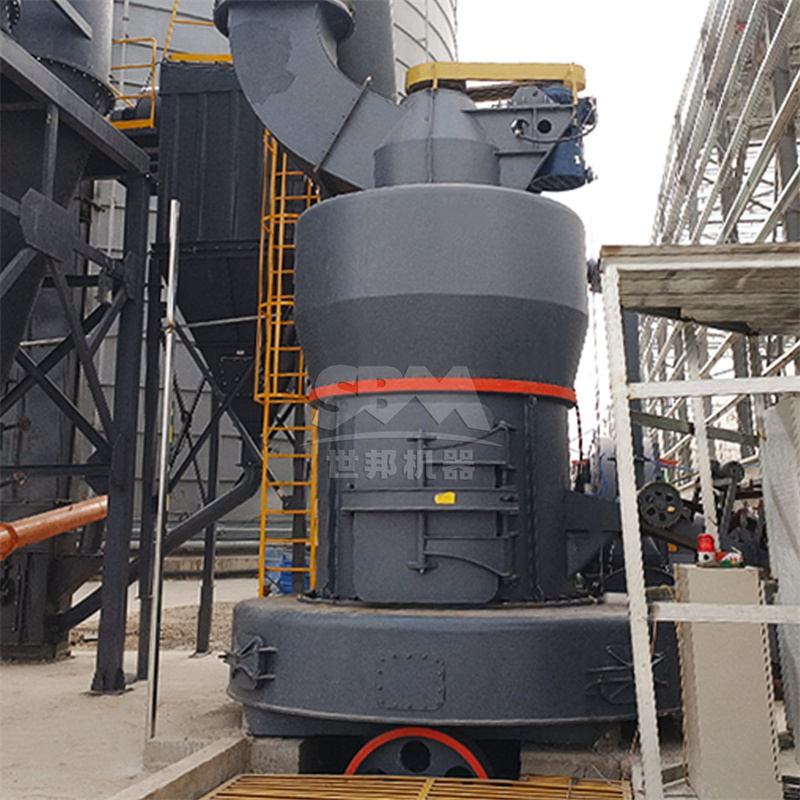
Different fertilizer applications demand different particle sizes. For standard gypsum additives used as fillers in granular fertilizers, a fineness of 30-200 mesh (approximately 600-75 microns) is common. For high-end agricultural applications where rapid dissolution or suspension properties are required, fineness down to 325-2500 mesh (45-5 microns) may be necessary.
Your selection must match the fineness capabilities of the mill. For instance:
– For medium-fine production (30-325 mesh), European-style trapezium mills or pendulum mills offer excellent efficiency.
– For ultrafine requirements (325-2500 mesh), specialized ultrafine mills or vertical roller mills with high-precision classifiers are essential.
Key Factor 2: Production Capacity and Throughput
Plant capacity is one of the most decisive factors. A small operation might require only 0.5-5 tons per hour, while an industrial-scale plant could need 50 tons per hour or more. When evaluating equipment, consider not just the nominal capacity but also the system’s ability to handle variations in feed size and moisture.
For reference:
– Small to medium plants (0.5-25 t/h) benefit from compact ultrafine mills or medium-speed trapezium mills.
– Large-scale operations (10-250 t/h) typically require vertical roller mills or large ball mill systems for consistent high volume.
It is also important to factor in future expansion plans. Choosing a modular system that can be upgraded or scaled offers significant long-term advantages.
Key Factor 3: Energy Efficiency and Operating Costs
Energy consumption can account for 30-50% of total operating costs in a grinding plant. Modern milling technologies have made significant strides in reducing power consumption per ton of product. Look for equipment that incorporates:
- Bed-of-material grinding principles: which consume 30-40% less energy than traditional ball mills.
- Intelligent control systems: that automatically adjust operating parameters to maintain optimal efficiency.
- High-efficiency classifiers: that reduce recirculation loads and unnecessary grinding.
For example, advanced vertical roller mills utilize non-contact roller-and-table designs that minimize mechanical wear while achieving energy savings of up to 40% compared to ball mill systems. Similarly, ultrafine mills with vertical turbine classifiers can achieve precise particle size cutting without the energy waste associated with over-grinding.
Key Factor 4: Wear Resistance and Equipment Durability
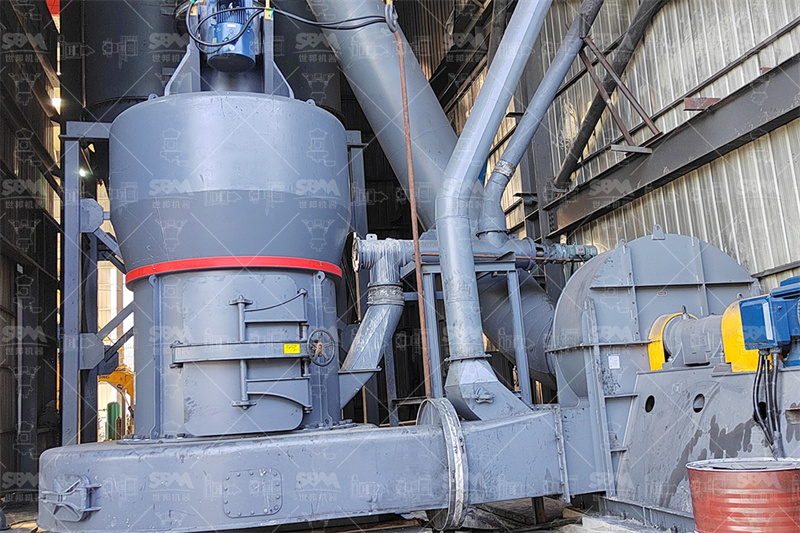
Gypsum contains calcium sulfate and may include abrasive impurities like silica. The equipment’s wear parts must be designed for longevity to minimize downtime and replacement costs. Features to prioritize include:
- Special alloy rollers and grinding rings: engineered to resist abrasion from gypsum and contaminants.
- Hardfacing or ceramic-lined components: for high-wear zones such as air ducts, classifiers, and chutes.
- Modular and quick-change systems: that allow worn parts to be replaced without extensive disassembly.
Many modern mills now incorporate anti-wear shovel designs and high-strength guard plates that protect critical airflow surfaces. These innovations can extend maintenance intervals by 2-3 times compared to conventional equipment.
Key Factor 5: Environmental Compliance and Dust Control
Environmental regulations are becoming increasingly stringent worldwide. Gypsum processing generates fine dust that must be captured to protect workers and comply with emission standards. Essential features include:
- Pulse jet dust collectors: with filtration efficiencies exceeding 99.9%.
- Negative pressure operation: which prevents dust leakage from the system.
- Soundproof enclosures: for noise reduction to safe occupational levels.
Some advanced machines now offer integrated dust collection as a standard feature, eliminating the need for separate external baghouses. Fully sealed systems with automated cleaning cycles ensure continuous compliance with minimal operator intervention.
Key Factor 6: Maintenance and Ease of Operation
Downtime is costly. Equipment that is difficult to maintain or requires specialized skills for operation can cripple production schedules. Look for:
- Intelligent PLC control systems: that monitor real-time parameters (vibration, temperature, amperage) and provide automatic adjustments or alarms.
- Quick access maintenance doors: for inspection and replacement of internal components.
- Automatic lubrication systems: that reduce manual servicing and ensure consistent bearing protection.
The best equipment designs incorporate self-diagnostic capabilities and remote monitoring options, allowing plant managers to anticipate issues before they cause downtime.
Recommended Product: SCM Series Ultrafine Mill for Precision Ultrafine Grinding
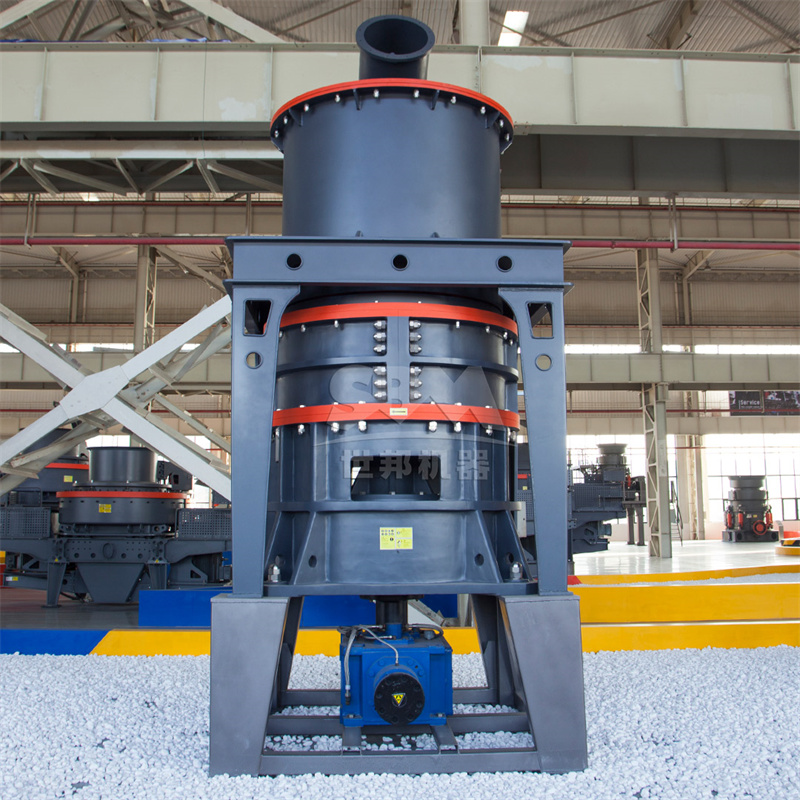
For plants requiring ultrafine gypsum additives in the 325-2500 mesh range (5-45 microns), we highly recommend the SCM Series Ultrafine Mill. This machine is specifically engineered for high-fineness applications and offers exceptional efficiency. Its capacity ranges from 0.5 to 25 tons per hour, making it suitable for both pilot-scale and production-scale operations.
The SCM Series features a unique three-layer grinding ring design and a vertical turbine classifier that ensures absolutely no coarse powder mixing. With intelligent control and automatic finished product granularity feedback, operators can consistently achieve target particle sizes. Power consumption is 30% lower than jet mills, while capacity is double – a significant operational advantage.
Recommended model for mid-range production: SCM1000 – capacity 1.0-8.5 t/h, 132kW main power, suitable for 325-2500 mesh output. For larger requirements, the SCM1680 offers a capacity range of 5.0-25 t/h with 315kW power.
Recommended Product: MTW Series European Trapezium Mill for Medium-Fine Production
For plants producing standard gypsum additives in the 30-325 mesh range (600-45 microns) with higher throughput requirements of 3-45 tons per hour, the MTW Series European Trapezium Mill is an outstanding choice. This mill combines a patented integral bevel gear drive (98% transmission efficiency) with an optimized arc air duct design that reduces energy loss.
Its anti-wear curved shovel design extends roller life while reducing maintenance costs. The wear-resistant volute structure improves air selection efficiency and lowers maintenance expenses by 30%. The MTW Series is ideal for plants that prioritize reliability, low operating costs, and flexibility in handling different feed sizes up to 50mm.
Recommended model: MTW138Z – capacity 6-17 t/h, 90kW main power, input size <35mm. For larger continuous operations, the MTW215G handles 15-45 t/h with 280kW power.
Conclusion: Making the Right Investment
Choosing the right fertilizer gypsum additive production equipment requires careful evaluation of fineness requirements, capacity targets, energy costs, durability, environmental compliance, and maintenance needs. Modern milling technology offers solutions that can dramatically improve your plant’s efficiency and product quality.
Whether you need ultrafine powders for high-value agricultural additives or large volumes of medium-fine material for fertilizer fillers, the SCM Series Ultrafine Mill and MTW Series European Trapezium Mill represent the gold standard in performance and reliability. We invite you to contact our engineering team for a personalized recommendation based on your specific raw material analysis, production targets, and budget constraints. With the right equipment, your gypsum additive production can achieve new levels of profitability and quality.