
Introduction to Calcinated Petroleum Coke (CPC) Processing
Calcinated Petroleum Coke (CPC) is a crucial carbon material derived from the high-temperature treatment of green petroleum coke. It is widely used in the production of anodes for aluminum smelting, titanium dioxide, and various carbon products. The processing of CPC requires specialized grinding equipment that can handle its high hardness, abrasiveness, and specific particle size distribution requirements. Choosing the right processing equipment is paramount to achieving operational efficiency and product quality.
This article explores the key features of high-efficiency CPC processing equipment and provides a comprehensive selection guide to help industry professionals make informed decisions.
Key Features of High-Efficiency CPC Processing Equipment
When evaluating equipment for CPC grinding, several critical features distinguish high-performance machinery from conventional options. These features are designed to maximize throughput, minimize energy consumption, and ensure product consistency.
1. High Grinding Efficiency and Energy Savings
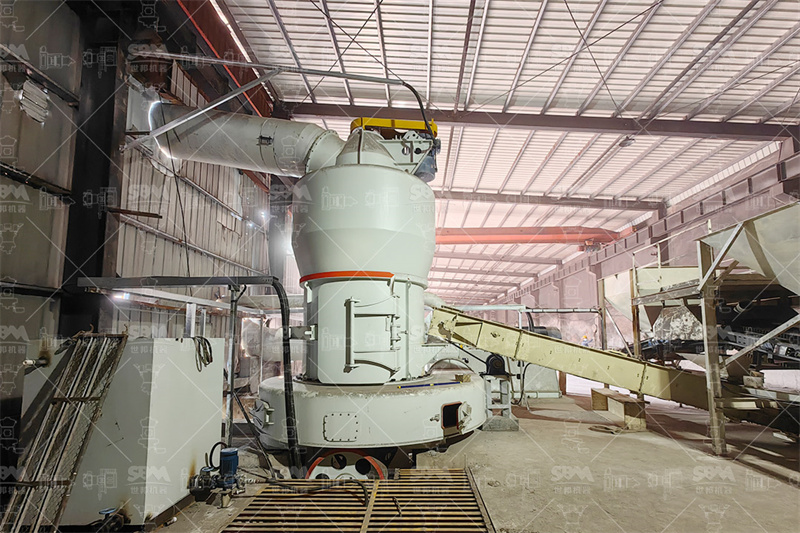
Energy consumption is a primary operational cost in CPC processing. Modern high-efficiency mills are designed to reduce specific energy consumption (kWh/ton) significantly. Technologies such as advanced roller pressure systems and optimized grinding curves allow for higher capacity while consuming less power compared to traditional ball mills or jet mills.
2. Precise Classification Systems
The fineness of CPC powder directly impacts its performance in downstream applications like anode manufacturing. High-efficiency equipment incorporates advanced classification technology, such as vertical turbine classifiers. These systems ensure a precise cut point, eliminate coarse particle contamination, and guarantee a uniform finished product. This is critical for producing CPC powder within the 45-600μm range or even finer applications.
3. Durable and Wear-Resistant Construction
CPC is highly abrasive, which can lead to rapid wear of grinding components. Top-tier equipment uses specialized materials for rollers, rings, and liners, such as high-chrome alloys or composite materials. These wear parts can extend the service life several times over, reducing maintenance frequency and downtime. Designs like the shaftless screw grinding chamber also contribute to more stable and reliable operation.
4. Intelligent Control and Automation
Modern processing equipment integrates intelligent control systems. These systems can automatically monitor and adjust key parameters like feed rate, grinding pressure, and classifier speed based on real-time feedback of product fineness. This automation reduces manual intervention, ensures consistent product quality, and allows for remote operation.
5. Environmental Compliance
Environmental regulations are becoming increasingly strict. High-efficiency CPC equipment features advanced dust collection systems, such as pulse dust collectors, which achieve emission levels below 10mg/Nm³. Furthermore, soundproofing designs and enclosed negative-pressure systems minimize noise pollution and prevent dust leakage, ensuring a safe and eco-friendly work environment.
Selection Guide for CPC Processing Equipment
Selecting the correct mill for CPC processing depends on several key factors. Below is a step-by-step guide to help you choose.
Step 1: Define Your Capacity Requirements
Your required throughput (ton/hour) is the starting point. For small to medium-scale operations, a mill with a capacity of 3-25 t/h might suffice. For large-scale industrial production, capacities can exceed 45 t/h or even reach 250 t/h in some configurations.
Step 2: Determine Required Output Fineness
The end-use of the CPC powder dictates the required mesh or micron size. For standard anode production, a fineness of 80-200 mesh (180-74μm) is common. For specialty carbon products or battery applications, finer powders down to 325-600 mesh (43-25μm) or even ultrafine grades (5-30μm) may be required. Choose equipment that offers a flexible range of fineness adjustment.
Step 3: Analyze Feed Material Characteristics
CPC has a Mohs hardness of around 7-8. The feed size can vary, typically ≤20mm or ≤50mm. Your equipment must be designed to handle this hardness and feed size. For instance, vertical roller mills and trapezium mills are known for their ability to handle larger feed sizes efficiently.
Step 4: Evaluate Total Cost of Ownership (TCO)
Beyond the initial purchase price, consider energy consumption, maintenance costs, and wear part replacement frequency. A mill with higher initial investment but 30% lower energy consumption and a 3x longer wear part life will offer a significantly lower TCO over its lifespan.
Step 5: Consider Integration and Footprint
Modern integrated systems that combine crushing, grinding, classification, and collection in a single unit can reduce floor space by up to 50%. This simplifies installation and reduces civil infrastructure costs.
Recommended Solutions for CPC Processing
Based on the above criteria, we recommend two high-performance solutions from our product line tailored for CPC processing.
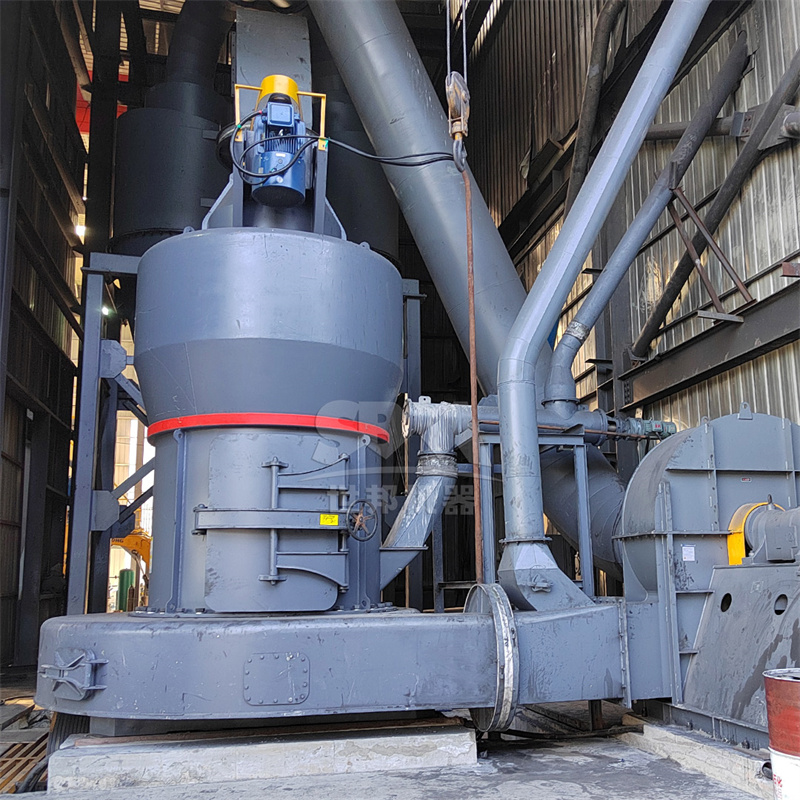
For medium-scale production (3-25 t/h) requiring consistent quality: The MTW Series European Trapezium Mill is an excellent choice. Its integral bevel gear drive (98% transmission efficiency) and optimized arc air duct deliver high capacity with low energy consumption. The anti-wear shovel and curved roller design extend service life, making it ideal for the abrasive nature of CPC. Models like the MTW175G (up to 25 t/h with 160kW) offer a perfect balance of performance and robustness.
For large-scale, high-efficiency production (up to 250 t/h): The LM Series Vertical Roller Mill is our flagship solution. This integrated system offers 30-40% lower energy consumption than ball mills and a 3x longer wear part life due to its non-contact roller-to-table design. Its intelligent control system and fully sealed negative-pressure operation ensure both high efficiency and environmental compliance. The LM220K model, for example, can handle up to 105 t/h, while the LM280K can process up to 170 t/h, making it suitable for the largest CPC processing plants.
Conclusion
Investing in high-efficiency calcinated petroleum coke processing equipment is a strategic decision that impacts production costs, product quality, and environmental footprint. By focusing on key features like energy efficiency, classification precision, wear resistance, and intelligent control, and by following a structured selection guide, processors can achieve significant operational advantages. Whether you require a mid-range trapezium mill or a high-capacity vertical roller mill, our advanced grinding solutions are engineered to maximize your return on investment.
Contact us today for a detailed consultation and equipment recommendation based on your specific CPC processing needs.