
Introduction: The Critical Role of Magnesite Processing in Modern Industry
Magnesite (MgCO₃) is a fundamental mineral source for producing high-purity magnesium compounds, including caustic calcined magnesia (CCM), dead-burned magnesia (DBM), and fused magnesia (FM). These materials are indispensable in industries ranging from refractory linings for steelmaking to flame-retardant fillers for plastics, agricultural feed supplements, and environmental wastewater treatment. The inherent value of the final product is directly proportional to the purity and consistency of the processed magnesite. Achieving these demanding specifications requires a meticulously engineered processing line, where the calcination and grinding stages are the most critical determinants of quality and cost-efficiency. This article delves into the advanced mechanical solutions that optimize these two pivotal stages, focusing on equipment that maximizes output, minimizes energy consumption, and guarantees the ultra-fine, uniform particle size distribution essential for high-value magnesium compounds.
Stage 1: The Foundation of Quality – Effective Crushing and Pre-Grinding
Before magnesite can be calcined or finely ground, it must be reduced from run-of-mine size to a manageable feed. While often considered a preparatory step, the efficiency of the entire downstream process hinges on this stage. Traditional jaw crushers and hammer mills serve as the primary crushers, reducing large rocks to a size suitable for secondary processing. For instance, our robust Hammer Mill series, with models like the PC4015-132 offering capacities up to 70 t/h and an output size down to 0-3mm, provides a high crushing ratio and stable operation, ensuring a consistent feed for subsequent grinding stages. However, for operations aiming to optimize energy consumption in the final grinding phase, pre-grinding technology offers a significant advantage.
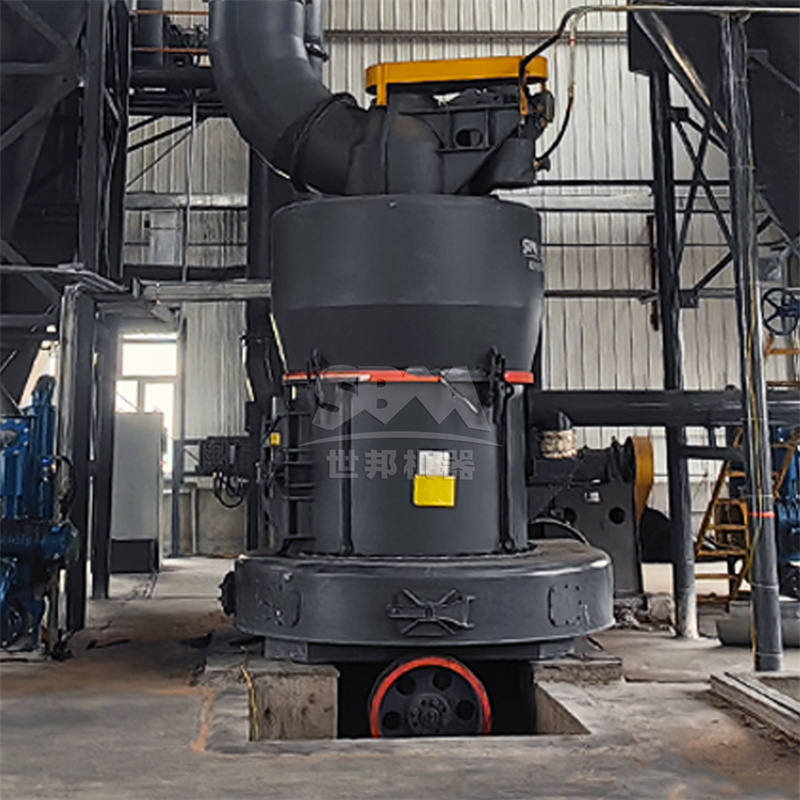
The LM-Y Vertical Pre-grinding Roller Mill is specifically designed for this purpose. By applying the principle of inter-particle comminution through a bed of material, the LM-Y system can pre-process clinker or raw magnesite with up to 30-50%% less power consumption compared to conventional ball mill circuits. Its integrated design, which combines sand-making and grinding capabilities, reduces the burden on the final grinding mill. With models like the LM150Y (280kW, 6-10 t/h) scaling up to the LM340Y (2500kW, 80-100 t/h), this pre-grinding solution is ideal for large-scale chemical magnesite processing plants looking to boost overall throughput and reduce specific energy costs. The stable hydraulic system for quick roller changes further ensures minimal downtime, a crucial factor in continuous industrial operations.
Stage 2: The Core of the Process – Optimizing Calcination with Precise Milling
Calcination, the thermal decomposition of MgCO₃ to MgO and CO₂, is the heart of magnesite processing. However, the reactivity and purity of the final MgO are heavily influenced by the particle size and uniformity of the feed material entering the kiln. Inconsistent feed can lead to under-calcined (soft-burned) or over-calcined (hard-burned) particles, creating an inhomogeneous final product that fails to meet strict chemical specifications. This is where the selection of the grinding mill becomes paramount. For standard calcination feed, the MTW Series European Trapezium Mill and the MTM Series Medium-speed Trapezium Mill offer robust and reliable solutions. The MTW series, with its integral bevel gear drive achieving 98%% transmission efficiency and anti-wear shovel designs, is engineered for high-capacity throughput (up to 45 t/h) while producing a consistent fineness of 30-325 mesh, perfectly suited for calcination feed.
Yet, for the production of high-purity magnesium compounds like electro-fused magnesia (EFM) or high-grade CCM, the demand shifts toward ultrafine powders. These products, often used in advanced ceramics, high-performance plastics, and specialized chemical catalysts, require particle sizes in the micron or even sub-micron range. The SCM Series Ultrafine Mill is the benchmark for this critical application. With an output fineness ranging from 325 to 2500 mesh (45-5μm), this mill is purpose-built for precision. Its vertical turbine classifier ensures a sharp particle size cut, eliminating coarse powder contamination that can ruin the quality of a high-purity batch. With the capacity to be up to twice that of jet mills while consuming 30%% less energy, the SCM series is the most economical and high-efficiency solution for achieving the stringent fineness requirements of advanced magnesite products. Models like the SCM1250 (2.5-14 t/h) and SCM1680 (5-25 t/h) provide the scalability needed for industrial production.
Stage 3: Ultra-Fine Grinding for High-Purity Magnesium Compounds
When the target is the absolute highest purity and finest particle size, such as for pharmaceutical-grade magnesium or high-performance flame retardants, the grinding equipment must deliver exceptional precision and avoid any contamination. The LUM Ultrafine Vertical Roller Mill is another advanced option that excels in this domain. Through unique roller and liner curves and a multi-rotor classification system, the LUM mill achieves a fineness of 325-2500 mesh with incredible sharpness, ensuring no coarse particles are present in the final product. Its fully automated PLC system allows for precise control of the grinding parameters, ensuring batch-to-batch consistency that is vital for high-value chemical applications. Models like the LUM1836 (355-400kW, 2.3-15 t/h) are ideal for specialized production lines focusing on the most demanding magnesium compounds.
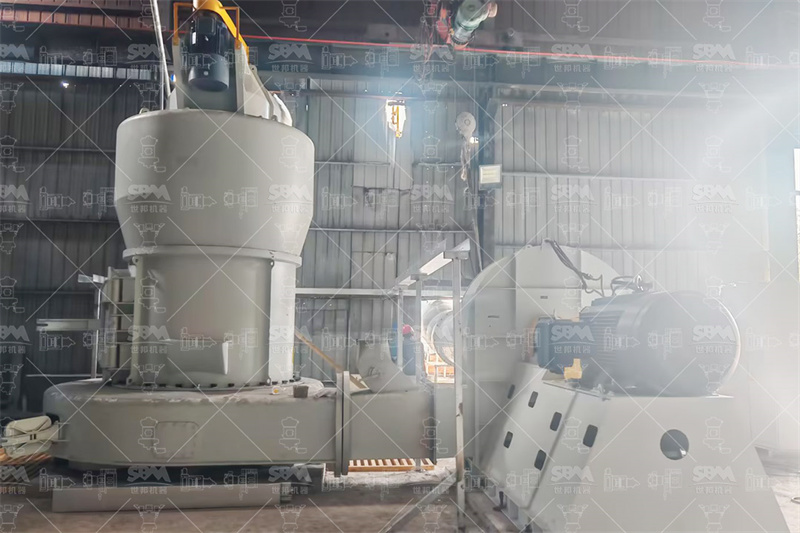
For operations that require a more traditional but highly reliable approach for high-volume, medium-to-coarse grinding (down to 0.074mm), our optimized Ball Mill systems remain indispensable. With a high crushing ratio of up to 300:1 and massive capacities (e.g., GMQY3685: 400-45 t/h), these mills are the workhorses for large-scale dead-burned magnesia (DBM) production where extreme fineness is not the primary goal, but high throughput and reliability are. The stability of the proven ball mill technology, combined with modern wear-resistant liners, ensures long operational life cycles and low maintenance costs.
Conclusion: Selecting the Optimal Grinding Solution for Your Magnesite Operation
The production of high-purity magnesium compounds from magnesite is a delicate interplay of chemistry and mechanical engineering. The optimal processing line is not a one-size-fits-all solution but a carefully curated assembly of equipment designed to meet specific output fineness, purity, and throughput targets. From the initial reduction in a Hammer Mill to the energy-efficient pre-grinding of the LM-Y Series, and from the consistent calcination feed of the MTW Series to the ultra-precise ultrafine grinding of the SCM Series Ultrafine Mill, the choice of equipment dictates the final product’s commercial value.
Investing in advanced, intelligent grinding technology is not just an operational expense; it is a strategic decision that enhances product quality, reduces energy costs, and ensures environmental compliance. By leveraging technology like the intelligent automatic feedback systems on our SCM mills or the state-of-the-art pulse dust collectors that exceed international emission standards, a modern magnesite processing plant can achieve remarkable efficiency and product excellence.
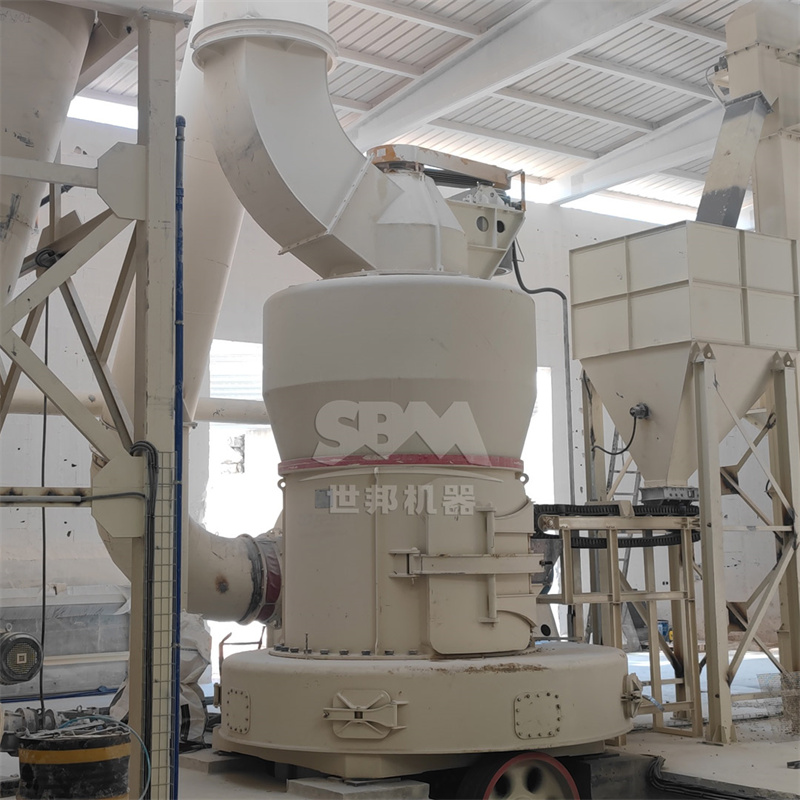
Ultimately, whether you are producing standard refractory grade magnesia or high-value specialty chemicals, the path to superior product quality begins with the right milling technology. Our comprehensive range of mills, from the robust MTW and MTM series to the ultra-fine precision of the SCM and LUM series, provides the foundational technology required to dominate the competitive landscape of high-purity magnesium compound production. We invite you to evaluate the specific parameters of your process and select the machine that will become the cornerstone of your productivity and profitability.