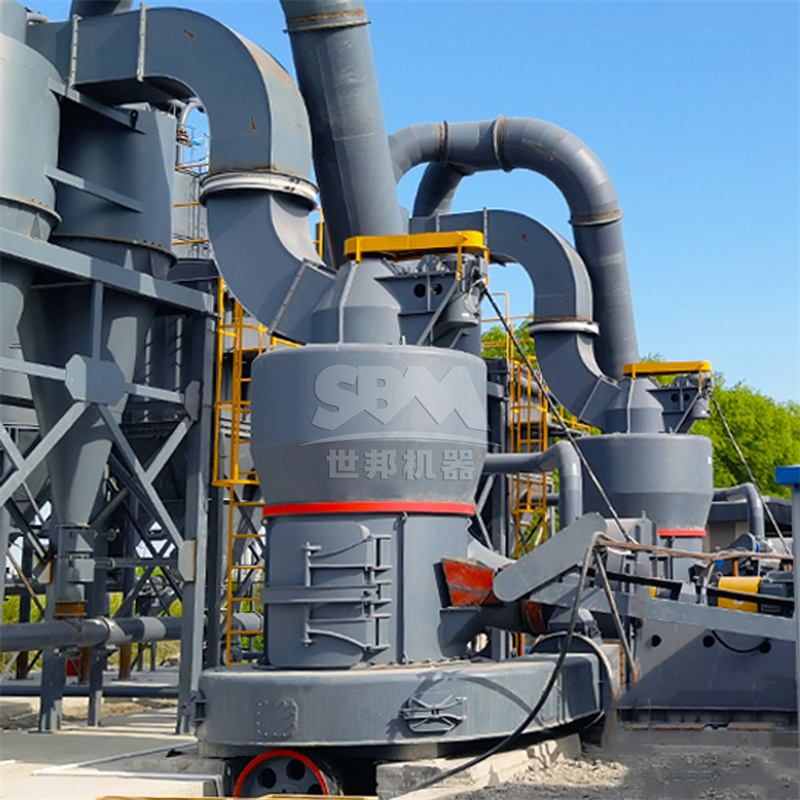
Coconut shell charcoal powder is a highly valued raw material in industries ranging from metallurgy and chemical manufacturing to water filtration and agriculture. Producing a fine, uniform powder from hard, brittle coconut shell charcoal requires specialized milling equipment that can deliver high throughput, precise particle size control, and low energy consumption. This guide provides a comprehensive overview of setting up and operating a high-efficiency coconut shell charcoal powder production line, highlighting key equipment considerations, system configuration, and best practices for optimal performance.
1. Raw Material Preparation and Pre-Crushing
The journey from raw coconut shell charcoal to a fine powder begins with proper material preparation. Raw charcoal, which often arrives in irregular chunks of up to 50mm, must first be reduced to a manageable size for subsequent fine grinding. A hammer mill is the ideal choice for this initial stage. These robust machines use high-speed rotating hammers to shatter brittle charcoal against a wear-resistant lining. Key advantages for coconut shell charcoal include high capacity, a compact footprint, and the ability to produce a consistent output size of 0-3mm or finer, depending on the screen aperture. The material must be dry, as moisture above 5% can significantly impact grinding efficiency and cause clogging in downstream equipment. A pre-drying step using a rotary drum dryer is recommended if moisture content is high.
2. The Core of the System: Fine Grinding Mills
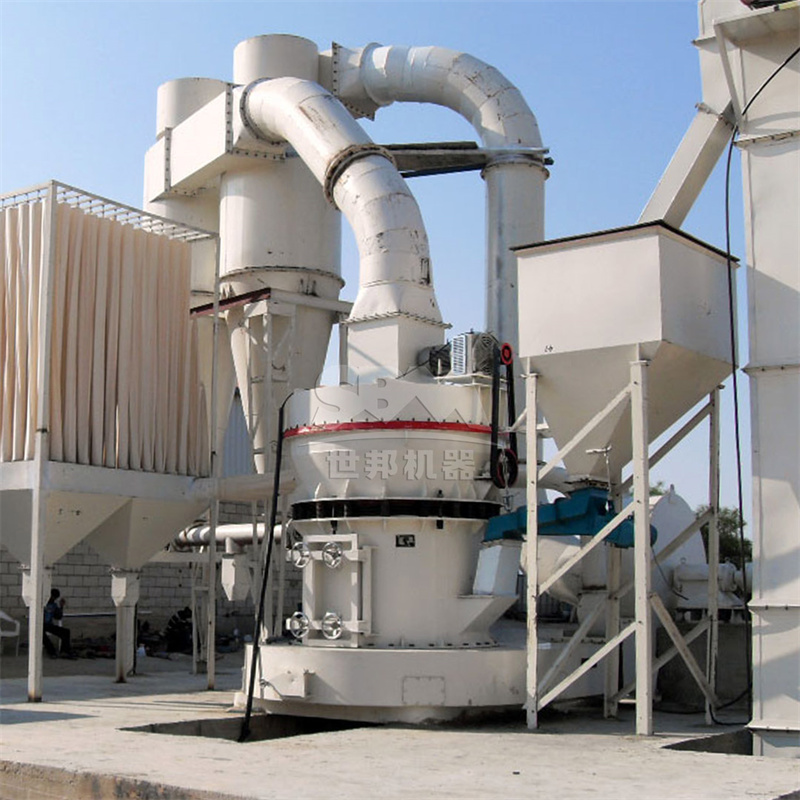
Once the charcoal is pre-crushed to ≤20mm, the material is ready for the fine grinding stage. The choice of mill determines the final powder fineness, capacity, and overall efficiency of the line. For applications requiring a powder fineness between 30 and 325 mesh (600-45µm), an MTW Series European Trapezium Mill or an MTM Series Medium-speed Trapezium Mill are excellent options. These mills offer proven reliability and moderate throughput. For high-capacity production (3-250 ton/h), the LM Series Vertical Roller Mill provides integrated crushing, grinding, and classification with significantly lower energy consumption compared to traditional ball mills. However, the real star for producing ultra-fine coconut shell charcoal powder (325-2500 mesh, or 45-5µm) is the SCM Series Ultrafine Mill.
Recommended Product: SCM Series Ultrafine Mill
For producers targeting the premium market for ultra-fine charcoal powder, the SCM Series Ultrafine Mill is the definitive solution. Its capacity is double that of jet mills while consuming 30% less energy. The integrated vertical turbine classifier ensures a particle size cut that is both precise and uniform, with zero coarse powder mixing. The durable design features special material rollers and rings that significantly extend service life, while the intelligent control system provides automatic feedback on finished product granularity. With models like the SCM1000 (1.0-8.5 t/h) and the SCM1250 (2.5-14 t/h), it is perfectly scalable for small to medium-large production lines.
3. System Configuration and Material Handling
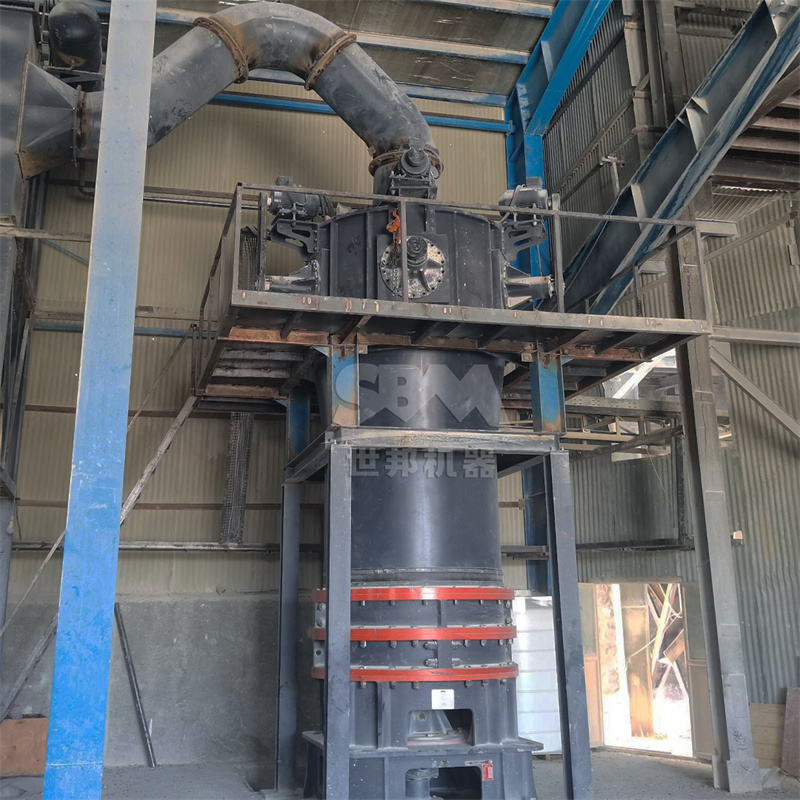
A successful coconut shell charcoal powder production line is more than just a mill. It is an integrated system that requires careful configuration. Firstly, the feeding system. A uniform and controlled feed rate is critical. A vibrating feeder or a screw conveyor controlled by a variable frequency drive (VFD) ensures the mill is not overloaded or underfed. Secondly, the classifying system. Most high-efficiency mills, like the SCM and MTW series, have an integrated air classifier. For the SCM mill, this is a high-precision vertical turbine classifier that guarantees the desired mesh size (e.g., 1250 mesh for very fine carbon black applications). Thirdly, the air flow system. A powerful fan draws air through the mill, carrying the ground powder to the classifier. The system must be airtight to prevent dust leakage. Fourthly, the collection system. A high-efficiency pulse dust collector is non-negotiable. It captures 99.9% of the fine powder from the air stream, ensuring environmental compliance and product recovery. A cyclone collector can be used in series before the pulse collector to reduce the load on the filter bags.
4. Operational Parameters and Best Practices
Successful operation requires careful monitoring of several key parameters. Feed Material Quality: Maintain consistent feed size (≤20mm for SCM and LM fine powder mills) and moisture content (ideally <3% for ultrafine grinding). Mill Speed and Air Flow: The main motor speed and fan air volume must be balanced. Higher air flow increases throughput but can carry coarse particles to the classifier, reducing fineness. The intelligent control system on the SCM mill simplifies this by automatically adjusting parameters. Classifier Speed: This is the primary control for final product fineness. A higher classifier speed produces a finer powder. Regular calibration and monitoring of the classifier ensure consistent product quality. Grinding Roller and Ring Wear: Regularly inspect the rollers and grinding rings for wear. The SCM mill’s special material components greatly extend maintenance intervals, but periodic checks are essential to maintain grinding efficiency. Dust Collector Maintenance: The pulse jet system and filter bags should be checked weekly to prevent pressure build-up, which can reduce suction capacity and cause mill choking.
5. Advantages of the SCM Series for Coconut Charcoal
The SCM Ultrafine Mill offers particular advantages for this specific application. Coconut shell charcoal is abrasive and hard. The mill’s durable roller and ring design, combined with a shaftless screw grinding chamber, ensures stable, long-term operation even under heavy load. The high precision of the classification system is crucial because many high-value applications for charcoal powder (such as in high-performance batteries, specialized filters, and advanced composites) require a very tight particle size distribution. The ability to achieve a fineness of 325-2500 mesh within a single pass reduces the need for multiple grinding stages, saving both capital and operational costs. Furthermore, its eco-friendly design with a soundproof room ensures noise levels remain low, and the pulse dust collection system meets all international environmental standards.
6. Conclusion
Setting up a high-efficiency coconut shell charcoal powder production line is a strategic investment. The choice of the fine grinding mill is the single most important decision. For producers requiring high capacity, ultra-fine fineness, and superior energy efficiency, the SCM Series Ultrafine Mill stands out as the premier choice. When combined with a robust pre-crushing hammer mill, a precise feeding system, and a reliable dust collection unit, it forms the backbone of a profitable and environmentally responsible operation. By following the setup and operational guidelines outlined above, producers can ensure maximum throughput, consistent product quality, and a long, trouble-free service life for their equipment.