
Introduction
In the plastics industry, limestone (calcium carbonate) powder is one of the most widely used mineral fillers and additives. When processed to the correct fineness and particle distribution, it can significantly improve product stiffness, dimensional stability, and surface finish, while reducing production costs. However, achieving the precise particle size required for high-performance plastic applications—ranging from 45 to 5 micrometers—demands specialized grinding equipment that combines energy efficiency, precision classification, and consistent throughput. This complete guide explores the key technologies and machinery available for producing high-quality limestone additives, with a special focus on solutions that optimize both output and product uniformity.
Why Limestone Additives Matter in Plastics
Limestone filler is added to polypropylene (PP), polyethylene (PE), PVC, and other polymers to enhance mechanical properties and reduce material cost. For example, a fine calcium carbonate powder with a particle size of 5–10 micrometers can improve tensile strength and impact resistance in automotive parts and packaging films. Coarser grades (30–100 micrometers) are commonly used in pipes, profiles, and sheets where stiffness and opacity are prioritized. The key to successful application lies in the grinding equipment’s ability to produce a narrow particle size distribution with minimal coarse particles, as even a small percentage of oversized grains can cause surface defects or weaken the final product.
Core Technologies for Fine Limestone Grinding
To meet the diverse requirements of plastic manufacturers, several grinding technologies have evolved. The most effective systems for limestone additive production are those that combine high-capacity grinding with precision classification. Among these, ultrafine mills and vertical roller mills stand out for their ability to produce consistent, high-quality powder with low energy consumption.
1. Ultrafine Grinding (45–5 μm)
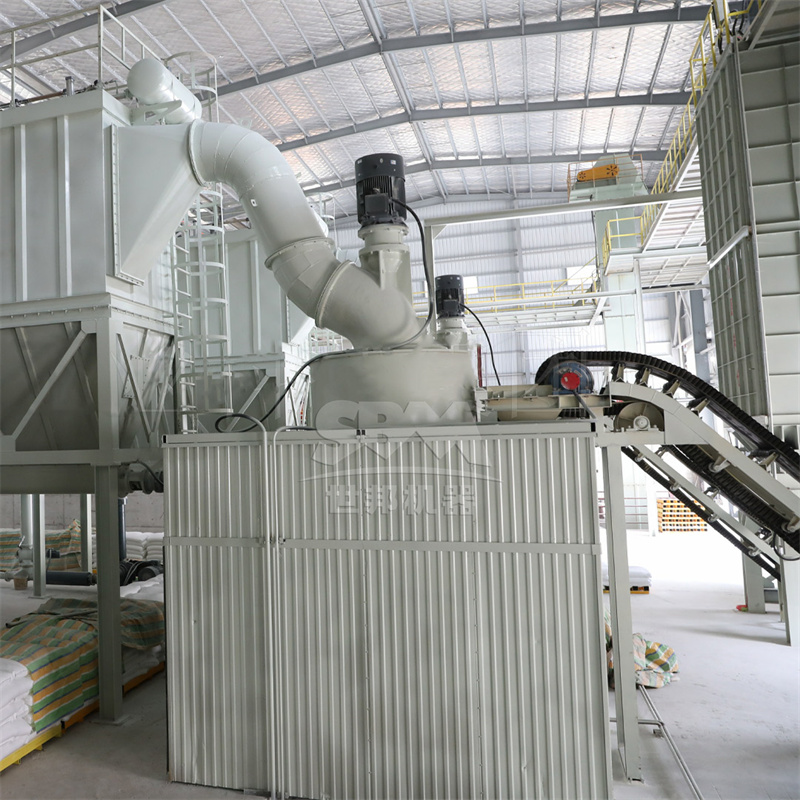
For applications demanding extremely fine fillers—such as masterbatch production or thin-film extrusion—ultrafine grinding mills are the preferred choice. These mills typically operate with a multi-stage grinding ring and roller mechanism that crushes material layer by layer, ensuring minimal contamination and uniform particle reduction. A key feature is the vertical turbine classifier, which can precisely cut particle sizes as fine as 5 micrometers. This technology eliminates the risk of coarse powder mixing, which is critical for high-end plastic products.
One of the most advanced solutions in this category is the SCM Series Ultrafine Mill, capable of producing fineness from 325 to 2500 mesh (45–5 μm). With a capacity ranging from 0.5 to 25 tons per hour depending on the model, it offers an output that is twice that of jet mills while consuming 30% less energy. The intelligent control system automatically adjusts parameters based on real-time granularity feedback, ensuring consistent product quality. For plastic manufacturers who require extreme fineness and high purity, the SCM800 or SCM1000 models are ideal choices, as they combine compact design with robust performance.
2. Medium-to-Fine Grinding (600–45 μm)
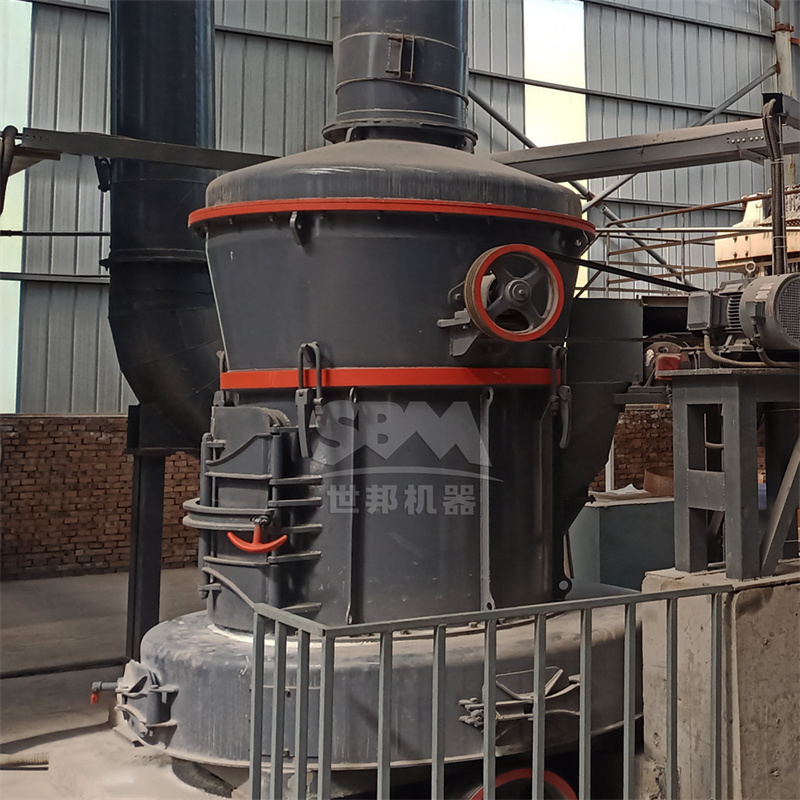
When the target fineness is between 30 and 325 mesh (600–45 μm), European trapezium mills and medium-speed trapezium mills provide an excellent balance of capacity and cost. These machines feature an integral bevel gear drive with transmission efficiency up to 98%, and an optimized arc air duct that reduces airflow energy loss. The anti-wear shovel design further extends service life and lowers maintenance costs, which is a significant advantage for continuous industrial production.
The MTW Series European Trapezium Mill is a market leader in this segment. It accepts feed sizes up to 50mm and delivers fineness down to 0.038mm (325 mesh) with capacities from 3 to 45 tons per hour. Models like the MTW138Z (capacity 6–17 t/h) are particularly well-suited for mid-scale plastic compounding operations. The patented internal suction oil lubrication system and pulse dust removal technology ensure clean, low-noise operation, making it a preferred choice for facilities with strict environmental regulations.
3. Large-Scale Production with Vertical Roller Mills
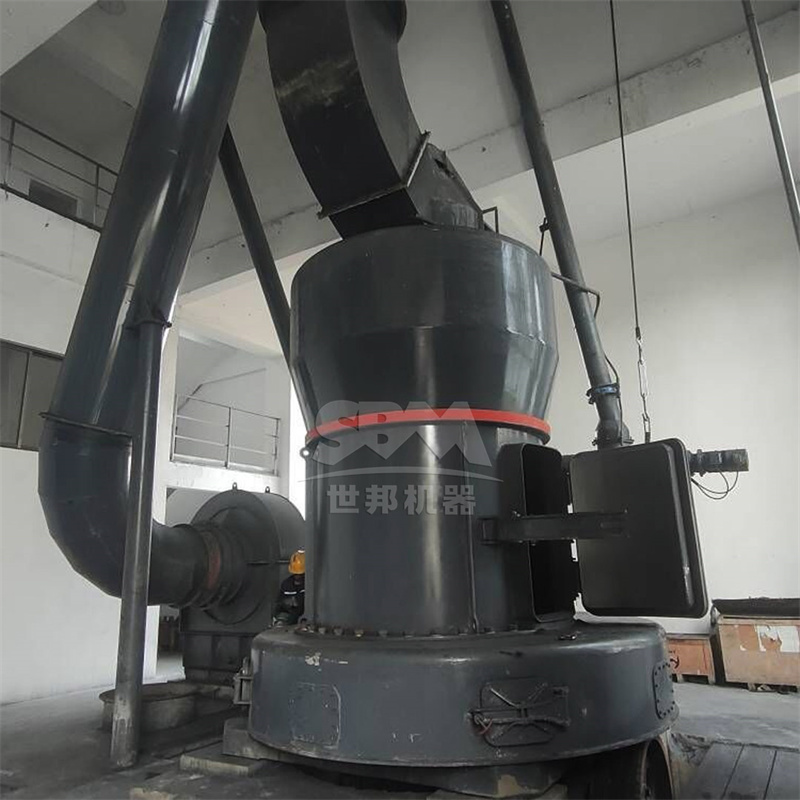
For high-volume limestone additive production, vertical roller mills (VRM) offer unmatched integration and efficiency. These systems combine crushing, grinding, and classification in a single unit, reducing floor space by up to 50% compared to traditional ball mill systems. Energy consumption is 30–40% lower, and the non-contact design between rollers and table increases wear part life by three times. Intelligent control systems support remote monitoring and real-time parameter adjustment, minimizing manual intervention.
The LM Series Vertical Roller Mill covers a wide spectrum of applications with models ranging from 3 to 250 tons per hour. For limestone filler used in plastics, the LM130K or LM150K models are typical choices, delivering fineness from 170 to 40 μm. The fully sealed negative pressure operation ensures zero dust leakage, keeping the working environment clean and safe. Additionally, the modular grinding roller assembly allows quick replacement, reducing downtime during maintenance.
Working Principles: From Feed to Finished Powder
Understanding the working principle of each mill type helps manufacturers select the right equipment for their specific additive requirements.
Ultrafine Mill (SCM Series): The main motor drives three layers of grinding rings to rotate at high speed. Materials are fed into the grinding chamber and dispersed by centrifugal force toward the inner wall of the rings. Rollers press the material against the rings, crushing it layer by layer. The airflow carries fine particles to the classifier, where a rotary turbine ensures only particles below the set size pass through. Oversized particles are returned for further grinding. The final powder is collected by a cyclone separator and a pulse dust collector.
European Trapezium Mill (MTW Series): The motor drives the grinding rollers to revolve around the central axis while they also self-rotate. Shovels lift the material and throw it between the ring and rollers, forming a material layer that is crushed by extrusion. The classification system uses a multi-blade impeller to precisely control finished product size. Airflow carries the fines upward, while coarse particles fall back for re-grinding.
Vertical Roller Mill (LM Series): The grinding table rotates driven by a reducer. Material enters through the central feed port and spreads evenly across the table due to centrifugal force. Grinding rollers apply hydraulic pressure to crush the material layer. Hot air (when drying is needed) or ambient air carries the ground fines upward to the classifier. Coarse particles return to the table for further grinding, while qualified powder exits the system.
Key Selection Criteria for Plastic Additive Production
When choosing limestone grinding equipment for plastic filler production, consider these factors:
- Fineness range: Plastic applications typically require 45–600 μm (325–30 mesh). Ultrafine mills are needed for sub-10 μm products.
- Capacity: Match the mill’s throughput to your production volume. For small to medium lines, 1–10 t/h is common; large plants may need 20+ t/h.
- Energy efficiency: Look for mills with energy-saving features like intelligent control and optimized air ducts, as energy costs represent a major operating expense.
- Maintenance: Mills with durable wear parts, automatic lubrication, and quick-change assemblies reduce downtime.
- Environmental compliance: Ensure the equipment includes pulse dust collection and soundproofing to meet local emission and noise standards.
Recommended Products for Plastic Limestone Additive Production
Based on the technical advantages and proven performance in the industry, we highly recommend two models that cover both ultrafine and fine grinding needs:
SCM1000 Ultrafine Mill – For applications requiring 325–2500 mesh (45–5 μm) with capacity up to 8.5 t/h. Its energy-saving design and intelligent feedback system make it ideal for masterbatch and film-grade fillers.
MTW138Z European Trapezium Mill – For general plastic filler production (30–325 mesh) with capacity up to 17 t/h. The anti-wear components and efficient classification ensure consistent quality with minimal operational cost.
Conclusion
Producing high-quality limestone additives for plastic products requires grinding equipment that combines precision, efficiency, and reliability. Whether your target is ultrafine powders for high-performance films or standard fillers for injection-molded parts, the right mill can make a significant difference in product quality and production economy. By leveraging advanced technologies such as intelligent control, durable wear parts, and integrated classification, manufacturers can achieve consistent particle size distribution while minimizing energy and maintenance costs. We invite you to explore our full range of mills and contact our technical team for a customized solution tailored to your specific limestone additive requirements.