
Introduction to Magnesia Processing
Magnesia, derived from magnesite (MgCO₃), is a critical raw material used in refractory bricks, fertilizers, construction materials, and environmental applications. The quality of magnesia products depends heavily on the grinding and classification processes that determine particle size, consistency, and purity. Selecting the right milling equipment is essential for achieving optimal production efficiency, energy savings, and product quality. This comprehensive guide explores the key factors in choosing magnesia processing equipment and highlights advanced mill technologies designed for high-efficiency grinding and classification.
Understanding Magnesia Grinding Requirements
Magnesia is known for its hardness and abrasiveness, which demands robust grinding equipment with wear-resistant components. The typical feed size for magnesia processing ranges from 20mm to 50mm, while the desired output fineness can vary from 45μm (325 mesh) for refractory applications to 5μm (2500 mesh) for high-precision chemical uses. The production capacity requirements can range from a few tons per hour for small-scale operations to over 100 tons per hour for large industrial plants.
Key Factors in Selecting Magnesia Grinding Mills
1. Output Fineness Requirements
The most critical factor is achieving the precise particle size distribution. For magnesia used in high-grade refractory bricks, a fineness of 325 mesh (45μm) is often required. For specialized applications such as electronic ceramics or pharmaceutical excipients, ultrafine grinding down to 5μm may be necessary. Different mill types offer varying degrees of fineness control, from coarse grinding (0-3mm) with hammer mills to ultrafine grinding (325-2500 mesh) with vertical roller mills or ultrafine mills.
2. Capacity and Throughput
Production scale determines the appropriate mill model and configuration. Small to medium operations (0.5-25 t/h) may benefit from compact ultrafine mills, while large-scale mineral processing plants (up to 250 t/h) require heavy-duty vertical roller mills or ball mills. Matching capacity to demand prevents bottlenecks and ensures ROI optimization.
3. Energy Efficiency
Grinding is one of the most energy-intensive processes in magnesia processing. Modern mills incorporate intelligent control systems, optimized airflow designs, and wear-resistant materials to reduce energy consumption by 30-50% compared to traditional ball mills. For example, advanced vertical roller mills utilize bed grinding principles that require less power per ton of material processed.
4. Wear Resistance and Maintenance
Magnesia’s abrasiveness quickly degrades standard mill components. Equipment with specially hardened rollers, rings, and liners extends service life significantly. Features like combined shovel blades, modular roller assemblies, and thin oil lubrication systems reduce maintenance frequency and costs.
Types of Mills for Magnesia Processing
Vertical Roller Mills (VRM)
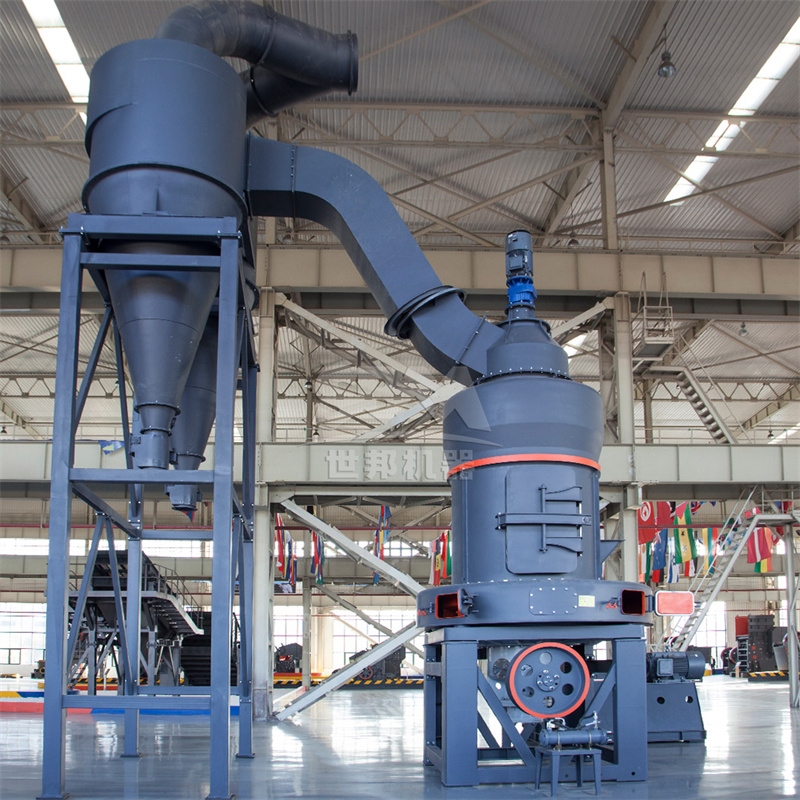
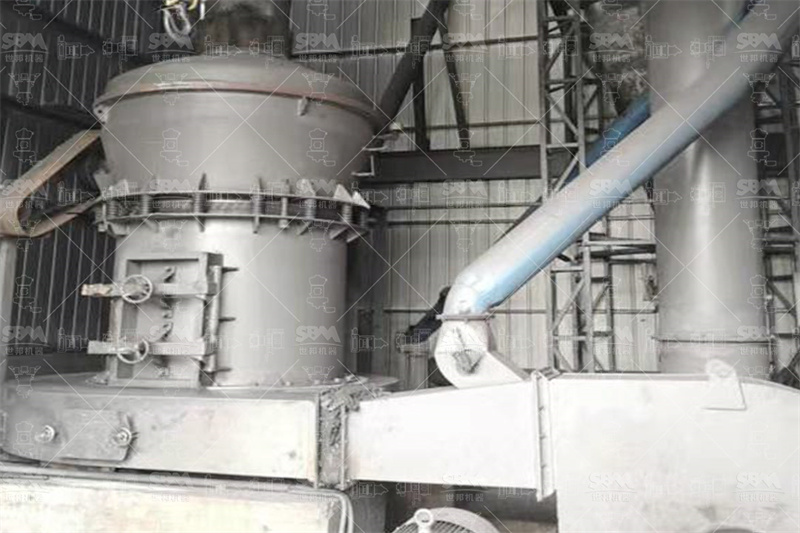
Vertical roller mills have become the industry standard for large-scale magnesia processing due to their high capacity, energy efficiency, and integrated classification systems. The LM series vertical roller mill incorporates an integrated design that combines crushing, grinding, and selection in one unit, reducing floor space by up to 50%. These mills feature non-contact roller and table designs that increase wear part life by three times and reduce energy consumption by 30-40% compared to ball mill systems. Intelligent control systems with remote monitoring capabilities ensure consistent product quality while minimizing manual intervention.
Ultrafine Vertical Roller Mills
For applications requiring ultra-fine magnesia powder (325-2500 mesh), the LUM series ultrafine vertical roller mill offers exceptional performance. With unique roller and liner curves, multi-rotor classification technology, and PLC automation, these mills achieve precise particle size cutting without coarse powder mixing. Production capacities range from 1.6 to 15 t/h, making them ideal for specialized refractory and chemical applications.
European Trapezium Mills
The MTW series European trapezium mill is designed for medium to fine grinding of magnesia (30-325 mesh) with capacities from 3 to 45 t/h. Key features include anti-wear combined shovel blades, optimized arc air ducts that reduce energy loss, and integral bevel gear drives with 98% transmission efficiency. The wear-resistant volute structure reduces maintenance costs by 30%, making this an excellent choice for continuous production environments.
Ball Mills
Traditional ball mills remain viable for coarse magnesia grinding (0.074-0.8mm) with capacities up to 450 t/h. Modern ball mills incorporate high-chrome steel balls and wear-resistant liners to handle magnesia’s abrasiveness. However, their higher energy consumption and larger footprint make them less attractive for fine grinding applications compared to newer technologies.
Recommended Products for Magnesia Processing
Based on extensive experience in mineral processing, we recommend two highly efficient solutions for magnesia grinding and classification:
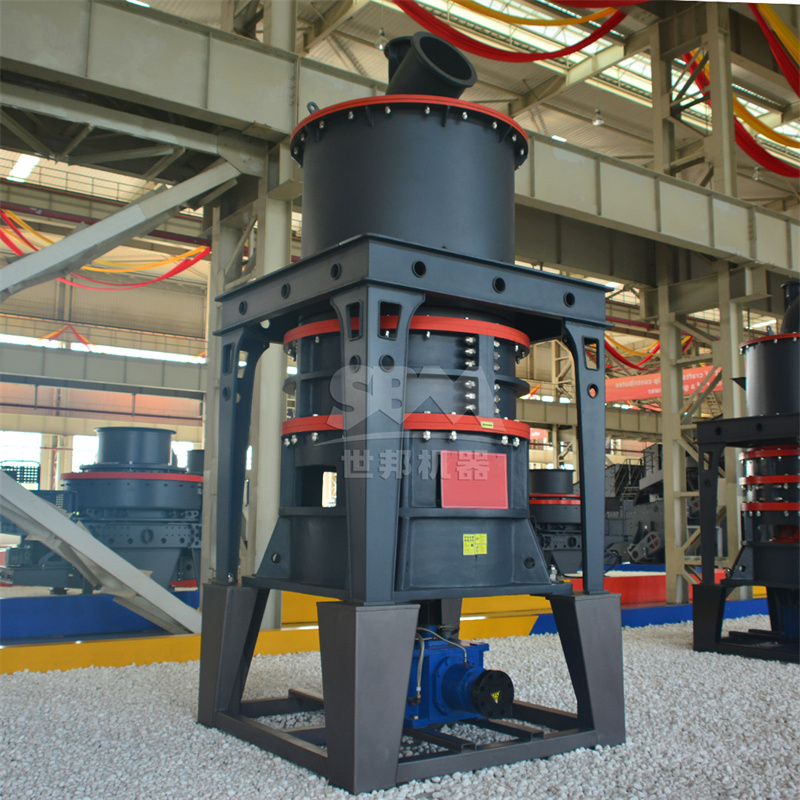
SCM Series Ultrafine Mill (45-5μm) – Ideal for producing ultra-fine magnesia powder (325-2500 mesh) with capacities from 0.5 to 25 t/h. This mill delivers twice the capacity of jet mills with 30% lower energy consumption. The vertical turbine classifier ensures precise particle size cutting without coarse powder contamination. Special material rollers and rings extend service life several times over, while the pulse dust collection system exceeds international environmental standards. Available models include SCM800, SCM900, SCM1000, SCM1250, and SCM1680 to match various production scales.
LM Series Vertical Roller Mill (600-45μm) – For large-scale magnesia processing requiring high capacity (3-250 t/h) and consistent fineness (30-325 mesh). This integrated system reduces floor space by 50% and infrastructure costs by 40%. The non-contact roller and table design extends wear part life by three times, while energy consumption is 30-40% lower than ball mill systems. Expert-level auto-control with remote monitoring ensures stable 24/7 operation. Multiple configurations are available including the LM130K through LM280K for mineral processing, plus specialized models for coal, slag, and fine-powder applications.
Classification Systems for Magnesia
Precise classification is essential for producing consistent magnesia powder. Modern mills integrate dynamic classifiers that use rotating impellers to separate fine particles from coarse materials. Advanced systems like the vertical turbine classifier in ultrafine mills achieve cut points as fine as 5μm while maintaining narrow particle size distributions. Multi-rotor technology in vertical roller mills prevents coarse powder carryover, ensuring product uniformity. For applications requiring strict quality control, classification systems can be adjusted in real-time via intelligent control interfaces.
Environmental and Operational Considerations
Magnesia processing must comply with stringent environmental regulations. Modern grinding equipment incorporates pulse dust collection systems with efficiency exceeding international standards, fully sealed negative pressure operation to prevent dust emissions, and soundproof room designs to maintain noise levels below 85dB. Energy-saving features such as hot air circulation systems and optimized airflow paths further reduce operational costs and environmental impact.
Conclusion
Selecting the right magnesia processing equipment requires careful evaluation of fineness requirements, production capacity, energy efficiency, and maintenance considerations. The SCM Series Ultrafine Mill excels in producing ultra-fine magnesia powder with exceptional energy efficiency, while the LM Series Vertical Roller Mill offers unmatched capacity and integrated processing for large-scale operations. Both systems incorporate advanced classification technology, durable wear components, and intelligent controls to ensure consistent product quality and maximum return on investment. By partnering with experienced equipment manufacturers, processors can optimize their magnesia grinding operations for long-term success.