
Introduction
Calcite, a naturally occurring calcium carbonate mineral, is one of the most widely used industrial minerals in the world. From construction materials and paints to plastics, rubber, and paper manufacturing, finely ground calcite powder serves as a critical filler and extender. The profitability of a calcite grinding plant hinges not only on the quality of the raw material but, more critically, on the efficiency and reliability of the processing equipment. Selecting the correct grinding mill is a strategic decision that impacts energy consumption, product quality, maintenance frequency, and overall operational costs.
This comprehensive guide explores the primary types of calcite processing equipment available in the modern market, provides a framework for selecting the right machine based on your specific requirements, and offers actionable strategies for cost optimization. Whether you are processing for coarse powders or ultra-fine grades, understanding these principles is essential for building a competitive and sustainable grinding operation.
Understanding the Calcite Grinding Process
Before delving into equipment types, it is crucial to understand the fundamental stages of calcite processing. The typical process flow involves: Crushing (reducing run-of-mine calcite to a manageable feed size), Grinding (the core process where material is milled to the desired fineness), and Classification (separating fine particles from coarse ones for recirculation). The choice of grinding equipment is central to the efficiency of the entire plant.
Types of Calcite Grinding Equipment
The market offers a diverse range of mills, each suited to specific fineness ranges, capacities, and material characteristics. Here is a breakdown of the most common types used in calcite processing plants.
1. Vertical Roller Mills (VRMs)
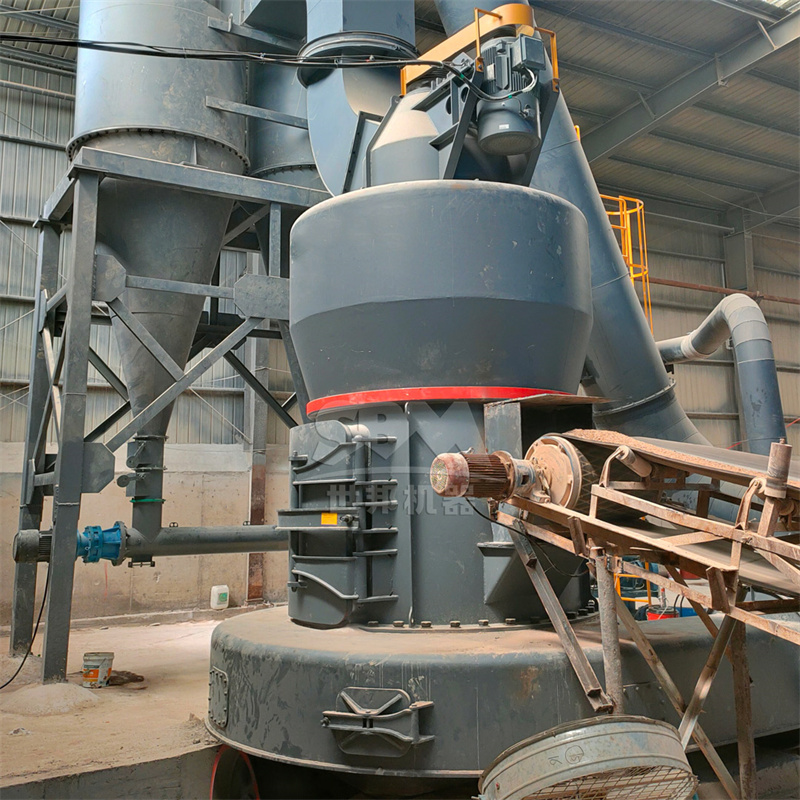
Vertical Roller Mills have become the backbone of large-scale mineral grinding due to their high capacity, energy efficiency, and integrated drying and classifying functions. In a VRM, the material is fed onto a rotating grinding table and crushed under the pressure of hydraulically or mechanically loaded rollers. The ground material is carried by an air stream to a dynamic classifier, which returns oversized particles to the table for further grinding.
Typical Application: Ideal for medium to coarse grinding of calcite, typically producing powder in the 100-600 mesh (150-25 μm) range. They are also excellent for pre-grinding applications before ball mills.
2. Ball Mills
Ball mills are a classic and reliable solution for grinding, operating on the principle of impact and attrition. A rotating cylinder contains grinding media (usually steel balls) that cascade and crush the material. While robust and capable of handling large throughputs, ball mills are known to be less energy-efficient than modern roller mill technologies.
Typical Application: Suitable for producing a wide range of fineness (from 0.8mm to 74μm). Often used in the cement industry and for mineral processing where very large capacities are required, though operating costs can be higher.
3. Raymond Mills & Pendulum Mills
These are the workhorses of the industrial powder industry. In a pendulum or Raymond mill, a central shaft drives several rollers that swing outward by centrifugal force, pressing against a stationary grinding ring. Material is fed between the roller and ring and crushed. A shovel blade continuously lifts material onto the ring surface.
Typical Application: Excellent for standard fineness applications (30-400 mesh), offering a good balance between investment cost, operational cost, and production capacity. They are particularly robust and easy to maintain.
4. Ultrafine Grinding Mills
For high-value applications requiring ultra-fine powders (below 325 mesh or 45 μm), specialized ultrafine mills are necessary. These include jet mills and ultrafine vertical roller mills. They are designed to produce extremely narrow particle size distributions with top cuts as fine as 5 μm.
Typical Application: Producing high-end calcite for PVC pipes, masterbatch, paper coating, and sealants. These mills require higher energy input per ton but yield higher market prices for the product.
Key Factors in Equipment Selection
Choosing the right calcite grinding equipment is not a one-size-fits-all decision. Several critical factors must be evaluated to ensure the selected mill aligns with your business goals.
- Target Fineness and Particle Size Distribution: The most important factor. For coarse powder (30-200 mesh), a pendulum mill or high-capacity VRM is ideal. For fine powder (200-600 mesh), the MTW or LM series offer high efficiency. For superfine powder (325-2500 mesh), a dedicated ultrafine mill is mandatory.
- Production Capacity Requirements: Your target tonnage per hour dictates the size and type of mill. For small plants (under 10 t/h), pendulum mills or smaller VRMs are cost-effective. For massive operations (over 50 t/h), large-scale vertical roller mills are the only practical choice.
- Moisture Content of Feed Material: Calcite is generally dry, but any surface moisture can affect grinding. VRMs are excellent for drying within the mill if hot air is introduced.
- Energy Costs and Efficiency: Energy is the single largest operating cost in a grinding plant. Modern VRMs can reduce power consumption by 30-50% compared to ball mills. Selecting an energy-efficient machine has a direct and immediate positive impact on profitability.
- Material Abrasiveness and Maintenance: Calcite has a moderate hardness (Mohs 3). However, grit and impurities can cause wear. Mills with durable liners, wear-resistant rollers, and easy-to-replace parts (like the MTW series and LM series) reduce downtime and maintenance costs.
Cost Optimization Strategies for Your Grinding Plant
Optimizing costs is not just about the purchase price of the equipment. It is a holistic approach that encompasses energy consumption, maintenance, and operational efficiency.
1. Prioritize Energy Efficiency
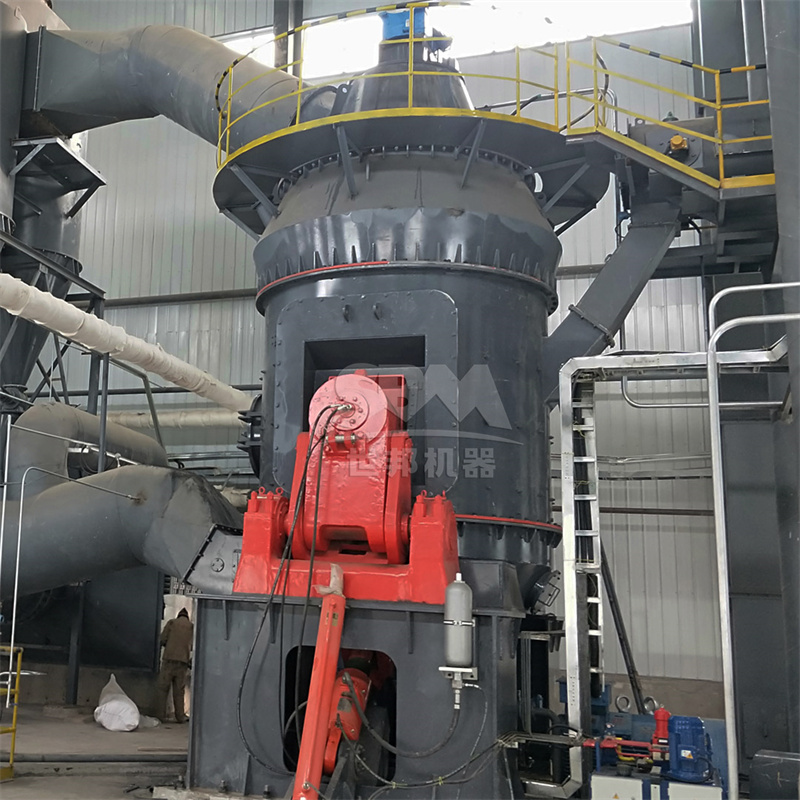
As mentioned, energy accounts for the largest share of operating costs. Investing in a high-efficiency mill with an intelligent control system, like our LM Series Vertical Roller Mill, can lead to substantial savings. The LM Series features an integrated grinding, classifying, and drying system, reducing the need for auxiliary equipment and cutting power consumption by up to 40% compared to traditional ball mill systems. Its non-contact roller and table design maximizes wear part life, reducing replacement costs.
2. Optimize the Classification System
Precise classification is key to both product quality and mill efficiency. An inefficient classifier forces the mill to over-grind material to achieve the required fineness, wasting energy. High-performance vertical turbine classifiers, such as those used in our SCM Series Ultrafine Mill, ensure sharp particle size cuts with no coarse powder mixing. This not only improves product quality but also maximizes the mill’s throughput, reducing the specific energy consumption per ton of finished product.
3. Reduce Maintenance Downtime
Unplanned downtime is a major cost driver. Selecting equipment designed for durability and easy maintenance is a critical cost-saving measure. Look for features like:
- Wear-resistant materials: Special alloy rollers and liners that extend service life.
- Modular design: Quick-change roller and shovel assemblies that minimize shutdown time.
- Automated lubrication systems: Such as the thin oil lubrication found in the MRN Pendulum Mill series, which reduce maintenance labor and prevent failures.
4. Implement Intelligent Control
Modern mills are equipped with PLC and expert control systems that automatically adjust parameters like feed rate, pressure, and air flow. This ensures the mill operates at its optimal point, regardless of variations in feed material. This automation reduces the need for manual intervention, prevents overloads, and stabilizes output, leading to more consistent quality and lower operational costs.
Case Study: Matching the Mill to the Product
Consider a plant that needs to produce both standard filler (200 mesh) for the construction industry and high-value ultra-fine powder (1250 mesh) for the plastics industry.
Recommended Solution:
- For the bulk 200 mesh product, a MTW Series European Trapezium Mill (like the MTW138Z or MTW175G) is an excellent choice. It offers high capacity (up to 25 t/h), low energy consumption, and a robust design for continuous operation. Its integral bevel gear drive and optimized air duct ensure high transmission efficiency and low maintenance.
- For the ultra-fine 1250 mesh product, a dedicated SCM Series Ultrafine Mill is required. With its unique shaftless screw grinding chamber and high-precision vertical turbine classifier, the SCM series can produce powders from 325 to 2500 mesh with a capacity 2 times that of jet mills and 30% lower energy consumption. This dual-mill approach allows the plant to serve two distinct markets efficiently.
Conclusion
The selection of calcite processing equipment is a multifaceted decision that requires a deep understanding of your product requirements, capacity goals, and financial constraints. From the high-capacity, all-in-one LM Series Vertical Roller Mill to the energy-saving, precision-grinding SCM Series Ultrafine Mill, the right technology exists to optimize your plant for success. By focusing on energy efficiency, classification precision, and robust construction, you can minimize operating costs, maximize uptime, and produce a high-quality product that commands a premium in the market. We invite you to explore our comprehensive range of grinding solutions and consult with our engineers to design the most cost-effective system for your specific calcite processing needs.