
Introduction to Graphite Processing
Graphite, a naturally occurring form of crystalline carbon, is a critical mineral used extensively in industries ranging from refractories and batteries to lubricants and steelmaking. The processing of graphite ore into high-purity, fine powder is a complex operation that requires specialized crushing and grinding machinery. Selecting the right equipment is crucial for maximizing yield, reducing energy consumption, and achieving the precise particle size distribution required for specific applications. This article provides a comprehensive overview of essential graphite processing equipment, focusing on types, selection criteria, and applications, to help producers optimize their operations for efficient and cost-effective production.
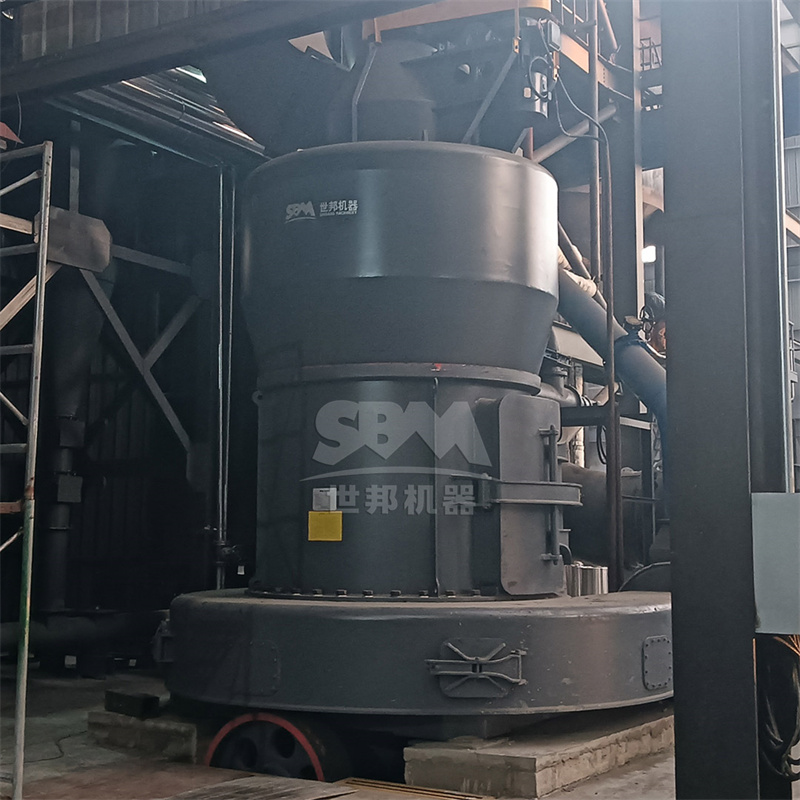
Primary Crushing: Reducing Run-of-Mine Ore
The first step in graphite processing involves reducing the large chunks of run-of-mine (ROM) ore to a manageable size. This is typically achieved using jaw crushers or cone crushers. While crushers are not the primary focus of this article (as we specialize in grinding), their importance cannot be overstated. For downstream efficiency, it is vital that the feed size to the grinding mills is consistent and optimally sized. For instance, our Hammer Mill (0-3mm) is an excellent solution for secondary crushing. It accepts feed sizes up to 40mm and reduces it to 0-3mm with high capacity and a compact structure. Its wear-resistant high manganese steel liners ensure a long service life, making it ideal for preparing material for finer grinding stages.
Fine Grinding: The Core of Graphite Liberation
After primary and secondary crushing, the graphite ore must be ground to liberate the individual graphite flakes from the gangue (waste rock). This is where fine grinding mills become the heart of the processing plant. The selection of a grinding mill depends heavily on the desired final product fineness, capacity requirements, and material characteristics. For graphite, which is often processed to achieve a flake size between 30 and 325 mesh (600-45µm), a robust and efficient mill is needed.
For large-scale operations requiring high capacity and low energy consumption, the MTW Series European Trapezium Mill (600-45μm) is a top-tier choice. This mill features an integral bevel gear drive with a transmission efficiency of up to 98%, significantly reducing energy costs. Its anti-wear shovel design and optimized arc air duct ensure low maintenance and stable operation. The MTW series can handle feed sizes up to 50mm and offers capacities from 3 to 45 tons per hour, making it suitable for medium to large graphite production lines. Its precise classification system guarantees a uniform product, which is critical for high-end applications like battery anodes.
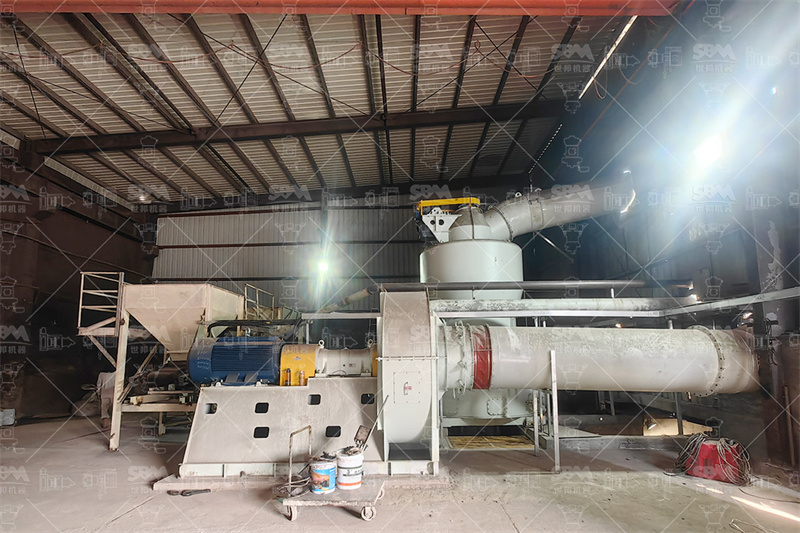
Ultrafine Grinding: Producing High-Value Products
For applications demanding extremely fine powders, such as expandable graphite, conductive additives, or advanced lubricants, an ultrafine grinding mill is required. The target fineness for these products often ranges from 325 to 2500 mesh (45-5µm). Achieving this level of fineness requires specialized equipment that combines high grinding power with high-precision classification.
Our SCM Series Ultrafine Mill (45-5μm) is specifically engineered for this demanding task. With an output fineness ranging from 325 to 2500 mesh, it is the ideal solution for producing high-value graphite micro-powders. One of its key technical advantages is its high efficiency: its capacity is twice that of a traditional jet mill, while consuming 30% less energy. This is achieved through its unique working principle, where layers of grinding rings rotate, and material is crushed layer by layer under roller pressure. The vertical turbine classifier ensures sharp particle size cuts with no coarse powder mixing, guaranteeing a uniform final product. The SCM series is available in models from SCM800 to SCM1680, with capacities up to 25 tons per hour, offering flexibility for various production scales.
For producers requiring vertical roller mill technology for ultrafine grinding, the LUM Ultrafine Vertical Roller Mill is an excellent alternative. It offers the same fineness range (325-2500 mesh) with a compact footprint and intelligent PLC control for stable, automated operation. Both the SCM and LUM series are built with durable materials, including special material rollers and rings, which extend their service life significantly, reducing total cost of ownership.
Vertical Roller Mills for Large-Scale & Specialized Applications
For graphite processing plants looking for integrated solutions that combine crushing, grinding, drying, and classification in a single unit, the LM Series Vertical Roller Mill (600-45μm) is unmatched. Its integrated design reduces floor space by 50% and infrastructure costs by 40%, as it can be installed outdoors. The LM series is highly versatile, with models capable of handling capacities from 3 up to 250 tons per hour. It is particularly effective for processing graphite concentrates with high moisture content, as the hot air circulation system can efficiently dry the material while grinding. The non-contact design between the rollers and the table means wear part life is increased by 3 times compared to traditional ball mills, and energy consumption is 30-40% lower.
For operations that need a robust, pendulum-style mill, the MRN Pendulum Mill offers thin oil lubrication for maintenance-free operation and a square pipe collector system that reduces resistance. Its models range from 2.7 to 83 tons per hour, covering both laboratory and industrial scales.
Pre-grinding and Ball Milling for Cement and Bulk Materials
While less common for high-purity graphite flake processing, Ball Mills (0.074-0.8mm) are widely used in the graphite industry for grinding synthetic graphite or for pre-grinding steps in anode material production. Their high crushing ratio (up to 300:1) and ability to operate in both dry and wet modes make them versatile. However, they are generally less energy-efficient than roller mills for modern graphite processing.
For cement clinker or limestone pre-grinding in integrated graphite electrode plants, the LM-Y Vertical Pre-grinding Roller Mill is a perfect choice. It combines sand making and grinding into one process, reducing energy consumption by 30-50% compared to conventional methods. Its hydraulic system allows for easy roller change-out, minimizing downtime.
Selection Criteria for Graphite Processing Equipment
When selecting equipment for graphite processing, several key factors must be considered:
1. Feed Size and Material Hardness: Graphite is relatively soft, but its flaky structure presents unique challenges. Feed size dictates the choice of crusher or mill. For example, the SCM series requires feed material of ≤20mm.
2. Target Fineness and Capacity: The required final particle size directly determines whether you need a trapezium mill (for 30-325 mesh) or an ultrafine vertical mill (for 325-2500 mesh). Capacity requirements will guide you to the right model, such as the larger MTW215G (45 t/h) vs. the SCM1680 (25 t/h).
3. Energy Efficiency: Graphite processing is energy-intensive. Opting for high-efficiency mills like the LM or MTW series reduces operational costs by 30-40% compared to older technologies.
4. Environmental Compliance: Modern plants must meet strict dust emission and noise regulations. All our equipment is designed with advanced pulse dust collectors and soundproofing to ensure compliance. The SCM series, for example, features a pulse dust collection efficiency exceeding international standards.
Conclusion
Efficient graphite production hinges on selecting the right processing equipment. From secondary crushing with our Hammer Mill to fine grinding with the MTW European Trapezium Mill and ultrafine processing with the SCM Ultrafine Mill, our product portfolio covers every stage of the graphite size reduction chain. By understanding the technical specifications and application strengths of each machine, producers can significantly enhance their operational efficiency, product quality, and profitability. We recommend the SCM Series Ultrafine Mill for high-value ultrafine graphite powder and the MTW Series European Trapezium Mill for reliable, high-capacity fine grinding. For a comprehensive solution that integrates multiple functions, the LM Series Vertical Roller Mill remains the industry standard.