
Introduction
The global cement industry is under increasing pressure to reduce carbon emissions and operational costs. One of the most effective strategies is the use of supplementary cementitious materials (SCMs), such as ground granulated blast furnace slag (GGBS) and various water slag additives. These materials, when finely ground, not only replace a portion of clinker but also significantly enhance the durability and workability of concrete. However, the grinding of slag is highly energy-intensive, often requiring specialized equipment to achieve the necessary fineness and specific surface area. This article explores the critical role of high-efficiency grinding equipment in the production of cement water slag additives, focusing on advanced technologies that deliver superior performance, energy savings, and product quality.
The Challenge of Grinding Water Slag
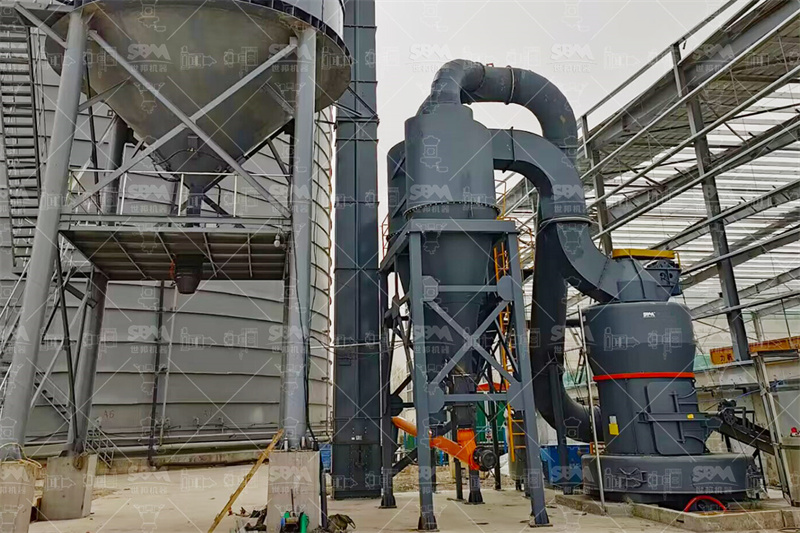
Water slag, a byproduct of iron smelting, is characterized by its high hardness and abrasiveness. Traditional ball mill systems, while reliable, often suffer from low grinding efficiency, high energy consumption (typically 40-50 kWh/t for slag), and significant wear and tear. Achieving a fineness of 400-500 m²/kg (Blaine) for optimal reactivity in cement requires long grinding times and high energy input. This has driven the industry towards more efficient grinding technologies, particularly vertical roller mills (VRMs) and advanced ultrafine mills, which can reduce energy consumption by 30-50% compared to ball mills while producing a more uniform particle size distribution.
Technological Solutions for Enhanced Grinding
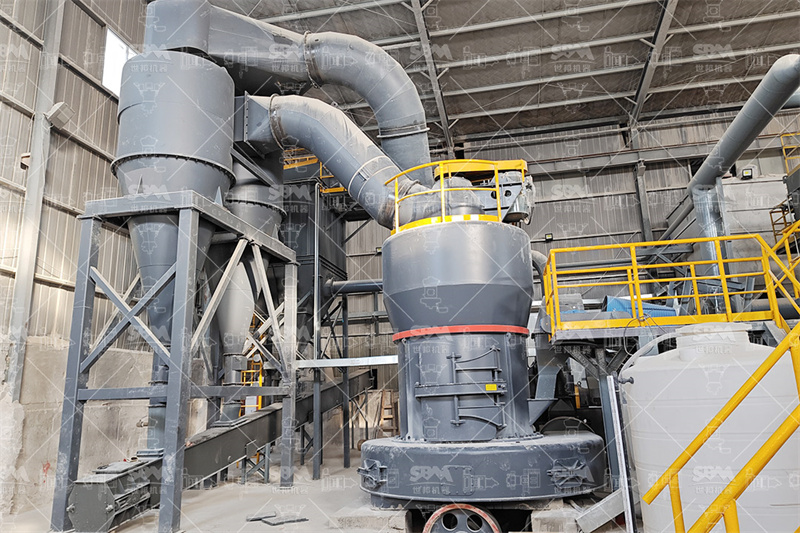
Modern high-efficiency water slag additive production equipment integrates several key technological advantages to overcome the challenges of grinding hard materials. These systems combine crushing, grinding, drying, and classification into a single unit, streamlining the production process. Our advanced milling solutions are designed to maximize throughput while minimizing operational costs. The core of the system lies in its grinding mechanism and classification precision.
Key Features of High-Efficiency Additive Production Equipment
Energy Efficiency and Capacity: State-of-the-art mills, such as our SCM Series Ultrafine Mill, demonstrate a capacity that is up to twice that of conventional jet mills, with a 30% reduction in energy consumption. For example, the SCM1680 model can process up to 25 tons per hour with a fineness down to 5 microns (2500 mesh). This is achieved through a unique multi-layer grinding ring design that maximizes the grinding force applied to the material layer. Intelligent control systems provide automatic feedback on finished product granularity, optimizing the grinding process in real-time for consistent quality and minimal energy waste.
High-Precision Classification: The uniformity of the final product is critical for additive performance. A vertical turbine classifier ensures a precise particle size cut without the mixing of coarse powders, guaranteeing a uniform finished product. This precision is essential for achieving the high specific surface area required for rapid hydration and pozzolanic reaction in cement.
Durable and Eco-Friendly Design: Equipment durability is paramount when processing abrasive slag. Our mills utilize specially formulated materials for rollers and grinding rings, extending their service life several times over. The shaftless screw grinding chamber design ensures stable and reliable operation even under heavy loads. Furthermore, the systems are built for environmental compliance, featuring pulse dust collection systems that exceed international emission standards and soundproof room designs that keep noise levels well within safe operating limits.
Recommended Product: SCM Series Ultrafine Mill (45-5μm)
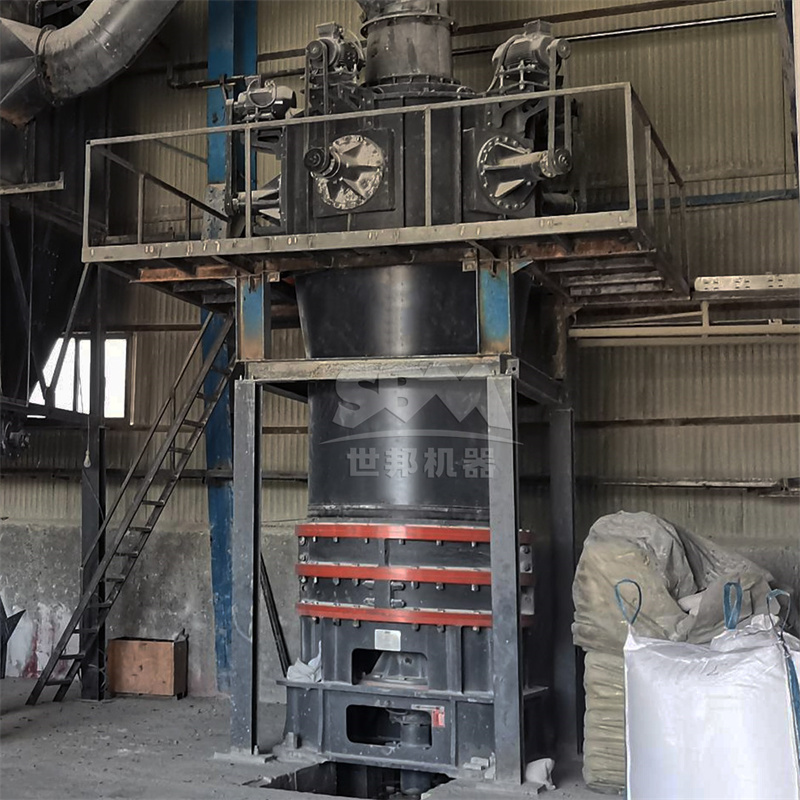
For producers specializing in high-value, ultra-fine slag powders for premium cement additives, the SCM Series Ultrafine Mill is the ideal solution. It is engineered for fineness ranges from 325 to 2500 mesh (45 to 5 microns), making it perfect for the most demanding applications. With a feed size of up to 20mm, it can directly process granulated slag without pre-crushing. Models range from the SCM800, with a capacity of 0.5-4.5 t/h and a 75kW main motor, to the high-capacity SCM1680, which delivers up to 25 t/h. This series is the benchmark for ultrafine grinding of hard, abrasive materials, providing both the energy savings and the precise particle size control necessary for top-tier cement additives.
Alternative Solution: LM Series Vertical Roller Mill
For large-scale operations requiring high throughput for standard slag fineness (400-500 m²/kg), the LM Series Vertical Roller Mill offers unmatched efficiency. For instance, the LM280N slag mill can process over 100 tons per hour. Its integrated design reduces floor space by up to 50%, significantly lowering infrastructure costs. The non-contact design between rollers and table not only extends wear part life by up to three times but also reduces energy consumption by 30-40% compared to ball mill systems. The LM series is perfect for cement plants and slag grinding stations looking for a robust, intelligent, and environmentally friendly solution for bulk additive production.
Working Principle of Typical Systems
The working principle of these high-efficiency mills is based on the bed of material grinding. The main motor drives the grinding table (or rings) to rotate. Materials are fed into the center of the mill and are dispersed evenly across the grinding surface by centrifugal force. Grinding rollers or rings pressurize the material, crushing it under pressure and shearing action. The finely ground material is then carried by an upward air stream to the dynamic classifier. Coarse particles are rejected and fall back to the grinding table for further reduction, while the air stream carries the fine powder out of the mill to a cyclone collector and a pulse dust filter. This closed-loop system ensures high efficiency and low dust emissions.
Conclusion
The production of high-performance cement water slag additives demands equipment that can match the material’s hardness with precision and efficiency. By investing in modern, high-efficiency grinding solutions like the SCM Series Ultrafine Mill or the LM Series Vertical Roller Mill, producers can significantly lower their energy bills, reduce maintenance downtime, and produce a superior product that enhances the performance of blended cements. The move towards these advanced technologies is not just an operational improvement but a strategic necessity for a more sustainable and profitable cement industry.