
Introduction
The global push for sustainable industrial practices has placed activated carbon at the forefront of environmental remediation technologies. From water purification and air filtration to gold recovery and food processing, the demand for high-quality activated carbon continues to rise. However, the production of activated carbon itself must evolve to meet stricter environmental standards. Choosing the right processing equipment is not merely a matter of output; it is a strategic decision that impacts energy consumption, waste generation, emission levels, and the overall carbon footprint of your production line. This article provides a comprehensive guide on how to select environmentally friendly activated carbon processing equipment, focusing on grinding and milling technologies that form the backbone of any modern production facility.
Understanding the Activated Carbon Production Chain
Activated carbon production typically involves two main stages: carbonization and activation. Raw materials such as coconut shells, wood, coal, or peat are first carbonized to produce char. This char is then activated, usually through physical (steam or gas) or chemical processes, to develop its porous structure. The final product must be ground to a specific particle size distribution to meet customer specifications. The grinding stage is energy-intensive and a significant source of dust and noise if not managed properly. Therefore, selecting grinding equipment that is efficient, precise, and environmentally compliant is critical for sustainable production.
Key Criteria for Environmentally Friendly Equipment Selection
When evaluating processing equipment for activated carbon, sustainability is a multi-faceted concept. Here are the key criteria to consider:
1. Energy Efficiency and Lower Carbon Footprint
The energy consumed during grinding directly translates to operational costs and environmental impact. Traditional ball mills, while robust, are notoriously energy-hungry. Modern roller mills and ultrafine mills have been designed with energy conservation in mind. Look for equipment with intelligent control systems that automatically adjust parameters to maintain optimal grinding conditions. For instance, a mill that offers a 30% reduction in energy consumption compared to a jet mill or a 30-40% reduction compared to a ball mill system is a significant step toward sustainability. This is not just about saving electricity; it is about reducing the carbon emissions associated with power generation.
2. Dust Emission and Air Quality Control
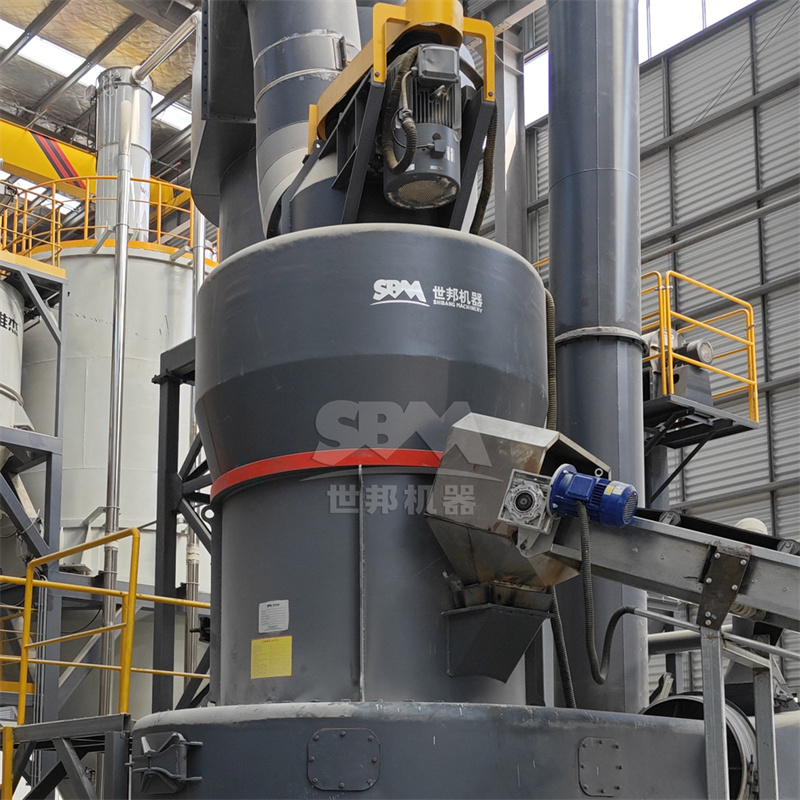
Activated carbon is a fine, low-density material that can easily become airborne, creating workplace hazards and environmental pollution. An eco-friendly equipment choice must feature advanced dust collection systems. Pulse dust collectors with high filtration efficiency (exceeding international standards) are essential. Fully sealed, negative-pressure operating systems prevent any dust leakage into the environment. When evaluating equipment, ask about the integration of the dust collector and the overall sealing design. A mill that combines grinding, classification, and collection in a closed loop is ideal.
3. Noise Pollution Reduction
Industrial noise is a form of pollution that affects worker health and community relations. Traditional mills can produce noise levels exceeding 100 decibels. Environmentally responsible equipment incorporates noise reduction technologies. Look for features like soundproof room designs, damping springs and sealing strips that minimize vibration, and low-noise drive systems (such as integral bevel gear drives). Operators should be able to work near the equipment without requiring extreme hearing protection, and the facility should not be a noise nuisance to its surroundings.
4. Precision Classification and Material Utilization
Sustainability is also about resource efficiency. Producing oversized or undersized material is wasteful. High-precision classification systems, such as vertical turbine classifiers or multi-stage dynamic classifiers, ensure a uniform finished product. This eliminates the need for re-processing or disposal of out-of-specification materials. Precise particle size cutting reduces the amount of coarse powder mixing, ensuring that every gram of material is correctly processed. This not only improves product quality but also maximizes the yield from your raw materials.
5. Durability and Wear Life
Frequent replacement of worn parts generates industrial waste and increases manufacturing costs. Equipment with a durable design, using special materials for rollers, rings, and liners, extends service life several times over. Anti-wear shovel designs, non-resistance flow volute structures, and combined shovel blades reduce the frequency of maintenance and the need for spare parts. A machine that lasts longer and needs fewer repairs is inherently more sustainable. It reduces the consumption of resources used to manufacture replacement parts and the downtime associated with maintenance.
Recommended Solutions for Sustainable Activated Carbon Grinding
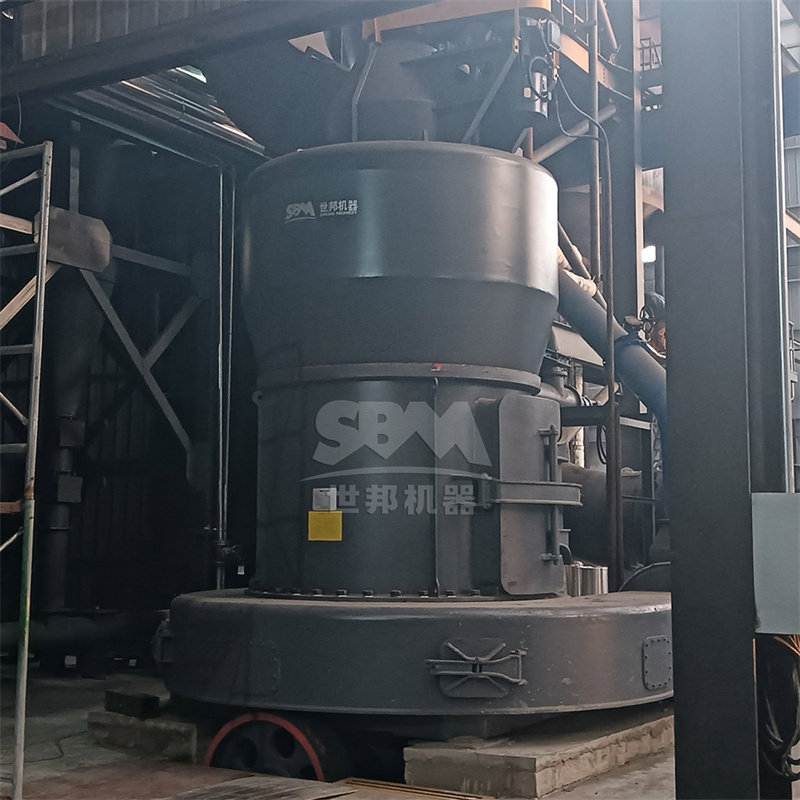
Based on the criteria of energy efficiency, precision, and environmental protection, we recommend the following two product lines from our portfolio for activated carbon processing.
Recommendation 1: SCM Series Ultrafine Mill (45-5μm)
For applications requiring a very fine and uniform powder, the SCM Series is the ideal choice. This series is designed for high efficiency and environmental protection.
- High Efficiency & Energy Saving: The SCM Series offers a capacity that is twice that of jet mills, with 30% lower energy consumption. This directly translates to a lower carbon footprint for your production.
- High-Precision Classification: The vertical turbine classifier ensures precise particle size cutting, eliminating coarse powder mixing and ensuring a uniform finished product, which is critical for high-value activated carbon applications.
- Durable Design: The use of special material rollers and rings extends service life several times, reducing waste and maintenance costs. The shaftless screw grinding chamber ensures stable operation.
- Eco-friendly & Low Noise: The pulse dust collection efficiency exceeds international standards, and the soundproof room design keeps noise levels low, ensuring a safe and comfortable working environment.
- Scalable Models: With models ranging from the SCM800 (0.5-4.5 t/h) to the SCM1680 (5.0-25 t/h), you can find the perfect capacity for your production line. For example, the SCM1250 model offers a capacity of 2.5-14 t/h with a main power of 185kW, making it a robust and efficient solution for medium-scale production.
Recommendation 2: MTW Series European Trapezium Mill (600-45μm)
For general activated carbon grinding where a medium to coarse fineness is required, the MTW Series offers unbeatable efficiency and durability.
- Anti-wear Shovel Design: The combined shovel blades and curved design extend grinding roller life and reduce maintenance costs, aligning with sustainable resource use.
- Optimized Arc Air Duct: This design reduces airflow energy loss and improves transmission efficiency. High-strength guard plates protect the air duct, ensuring longevity.
- Integral Bevel Gear Drive: With transmission efficiency up to 98%, this drive system saves space and reduces energy loss, a key factor for sustainable production.
- Wear-resistant Volute Structure: The non-resistance flow design improves air selection efficiency and reduces maintenance costs by 30%.
- Proven Technology: The MTW Series is a workhorse in the industry, with models like the MTW175G offering a capacity of 9.5-25 t/h and the MTW215G handling up to 15-45 t/h, making it suitable for large-scale, continuous production.
Conclusion
Choosing environmentally friendly activated carbon processing equipment is a critical investment in the future of your business and the planet. By prioritizing energy efficiency, dust and noise control, precision, and durability, you can build a production line that is not only profitable but also responsible. The SCM and MTW series mills represent the forefront of this technology, offering tangible benefits that lead to sustainable production. When evaluating your next equipment purchase, consider the total cost of ownership, including energy, maintenance, and environmental compliance costs. The right choice will help you produce the highest quality activated carbon while minimizing your ecological footprint.