
Introduction to Copper Ore Processing
Copper ore processing is a critical industry that demands high efficiency, durability, and precision in every stage of milling and grinding. From primary crushing to ultrafine powder preparation, selecting the right equipment directly impacts operational costs, throughput, and final product quality. This comprehensive guide explores the key machinery used in copper ore processing, with a focus on maximizing yield while minimizing energy consumption and downtime. We will analyze crushing, grinding, classification, and material handling systems, providing insights into how modern technology can transform your mining operations.
Primary Crushing: The Foundation of Efficient Processing
Before any milling can occur, copper ore must be reduced to a manageable size. Primary crushers, such as jaw crushers or gyratory crushers, handle run-of-mine material, typically reducing it from 1-1.5 meters down to 100-200 mm. The choice of crusher depends on ore hardness, moisture content, and throughput requirements. Modern crushers feature hydraulic adjustment systems and wear-resistant liners to maintain consistent product size and reduce maintenance intervals. For medium-hard copper ores, impact crushers may also be used to achieve higher reduction ratios in a single pass.
Secondary and Tertiary Crushing: Preparing for Grinding
Secondary cone crushers and tertiary impact crushers further reduce ore size to 10-30 mm, preparing it for the grinding circuit. This stage often incorporates closed-circuit operation with vibrating screens to ensure feed consistency. Advanced control systems monitor crusher wear and adjust settings in real-time, optimizing power consumption and preventing blockages. The use of high-chrome hammers in hammer mills or manganese bowl liners in cone crushers significantly extends component life, even when processing abrasive copper ores.
Grinding Mills: The Heart of Copper Ore Processing
Grinding is the most energy-intensive step in copper ore processing, often accounting for 40-50% of total plant power consumption. The goal is to liberate copper minerals from gangue material, achieving a particle size suitable for flotation or leaching. Various mill types are employed, each with distinct advantages depending on feed characteristics and desired fineness.
Ball Mills for Coarse to Medium Grinding
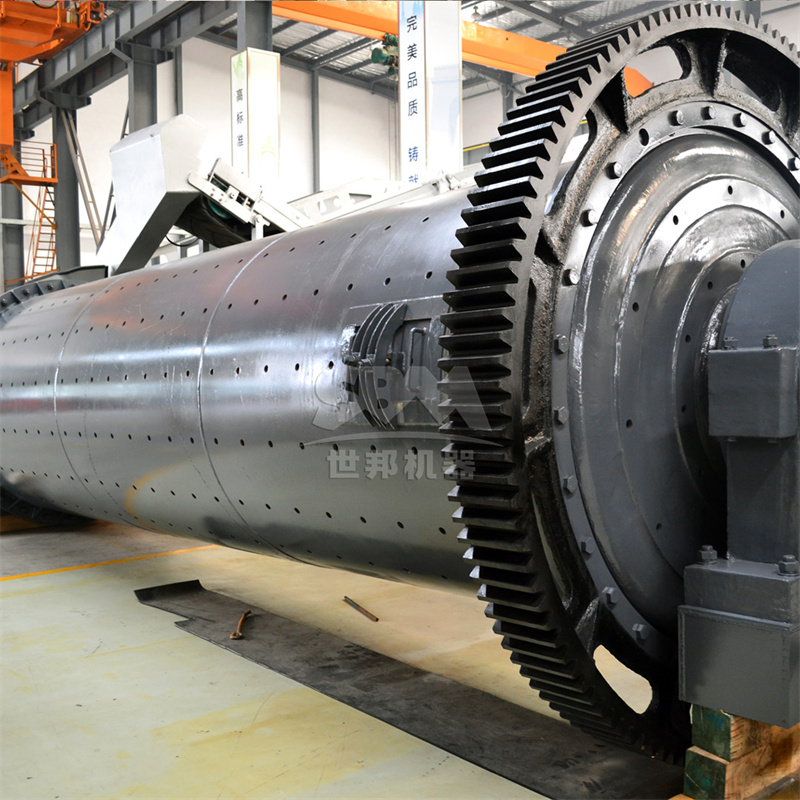
Ball mills remain the workhorse of many copper concentrators, particularly for primary grinding down to 0.074mm (200 mesh). Modern ball mills feature large-diameter shells, high-efficiency gear drives, and composite liners that reduce noise and wear. For copper ore, wet grinding is typical, with slurry densities controlled to optimize viscosity and mill throughput. Advanced discharge grates and lifter bars ensure efficient material flow, while automatic ball charging systems maintain optimal media levels. Our GMQG series ball mills, with capacities up to 450 t/h, are designed for continuous operation under heavy loads, featuring wave liners and high-chrome steel balls for maximum wear resistance.
Vertical Roller Mills for Energy Efficiency
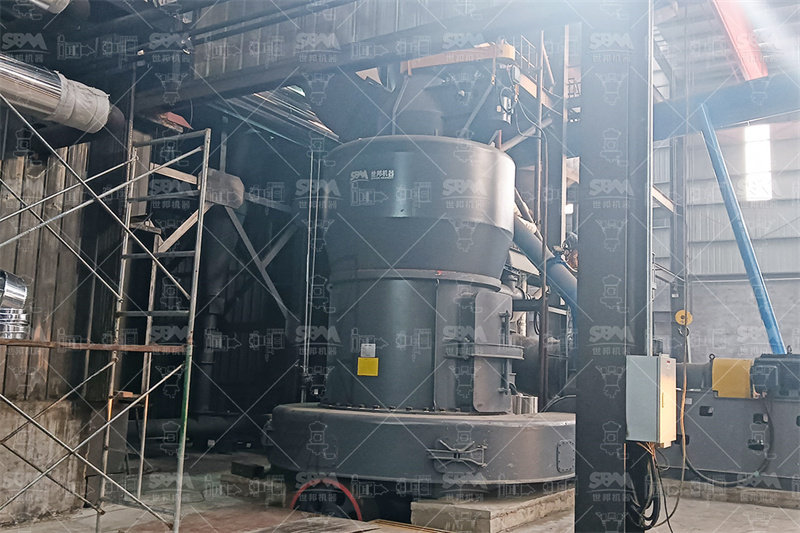
Vertical roller mills (VRMs) have gained popularity in copper processing due to their 30-40% lower energy consumption compared to traditional ball mills. VRMs integrate crushing, grinding, and classification in a single unit, reducing floor space by 50% and eliminating the need for separate classifiers. The bed-grinding principle minimizes impact wear, with rollers and table liners lasting up to three times longer than ball mill media. Our LM series vertical mills handle feed sizes up to 50mm and produce fineness down to 45 microns, making them ideal for both copper concentrate regrinding and whole-ore milling. Intelligent control systems automatically adjust roller pressure and classifier speed to maintain consistent product quality while maximizing throughput.
Trapezium Mills for Medium-Fine Grinding
For applications requiring medium-fine grinding (30-325 mesh), trapezium mills offer an excellent balance of capacity and capital cost. The MTW series European Trapezium Mill features an innovative arc air duct design that reduces airflow resistance and improves separation efficiency. Its integral bevel gear drive achieves up to 98% transmission efficiency, and the combined shovel blade design extends service life while reducing maintenance costs. This mill is particularly effective for copper oxide ores and other materials that benefit from controlled particle size distribution.
Ultrafine Grinding: Unlocking Higher Recovery Rates
As copper ore grades decline and mineral liberation sizes decrease, ultrafine grinding has become essential for maximizing recovery. Producing particles in the 5-45 micron range (325-2500 mesh) requires specialized equipment capable of generating high shear forces while maintaining energy efficiency.
Our SCM Series Ultrafine Mill achieves output fineness from 325 to 2500 mesh with an input size of up to 20mm. Its capacity is double that of traditional jet mills, with 30% lower energy consumption. The vertical turbine classifier precisely cuts particle size without coarse powder mixing, ensuring uniform product quality. The shaftless screw grinding chamber design eliminates bearing contamination, while the soundproof enclosure maintains noise levels below industry standards. For operations targeting maximum copper liberation from refractory ores, the SCM series delivers consistent, high-value concentrates.
Alternatively, the LUM Ultrafine Vertical Roller Mill utilizes multi-rotor classification technology to produce ultra-fine powders with no coarse particles. Its PLC-based automation system ensures stable operation, with negative pressure design preventing dust leakage. Both mills are compatible with pulse dust collection systems that exceed international emission standards.
Classification and Material Handling
Efficient classification is critical for controlling circuit load and final product quality. Hydrocyclones are widely used in closed-circuit grinding operations, separating coarse material for regrinding from fine material sent to flotation. Modern cyclones feature replaceable rubber or polyurethane liners that reduce wear rates by 40%. Vibrating screens and air classifiers are also employed for dry grinding circuits, with multi-deck arrangements achieving precise cut points. For material transport, belt conveyors with impact idlers and magnetic separators protect downstream equipment from tramp metal. Pneumatic conveying systems are preferred for fine powders, preventing dust emissions and reducing product degradation.
Case Study: Optimizing a Copper Concentrator
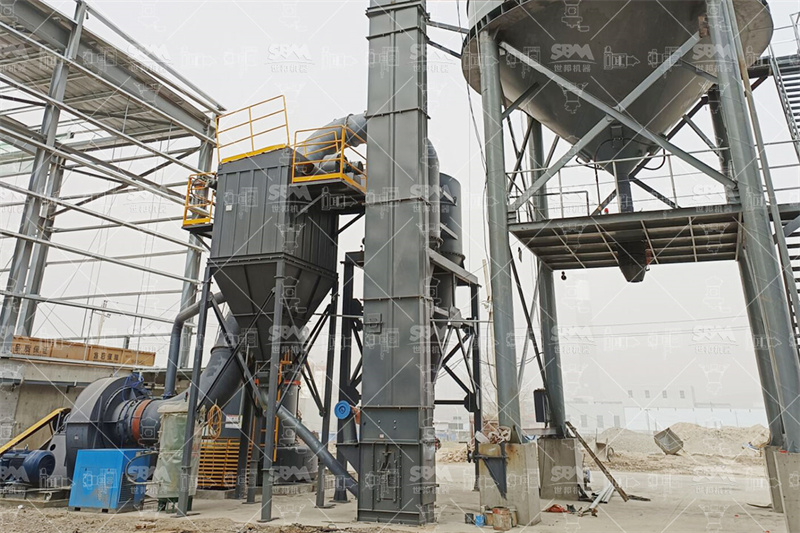
A copper mine in South America processing 40,000 tpd of porphyry ore faced high energy costs and low recovery from their existing ball mill circuit. By replacing two ball mills with a single LM220K vertical roller mill, the plant reduced specific energy consumption by 35%, from 18 kWh/t to 11.7 kWh/t. The integrated classifier improved product uniformity, increasing copper recovery in the flotation circuit by 2.3%. The VRM’s outdoor installation capability saved $1.2 million in civil works costs, and the modular roller assembly allowed for a single eight-hour shift for complete roller replacement. After two years of operation, wear part life exceeded 12,000 hours, compared to 4,500 hours for the previous ball mill liners.
Maintenance and Safety Considerations
Proper maintenance is vital for maximizing equipment lifespan and preventing unplanned downtime. Key practices include: daily vibration monitoring for rotating equipment, monthly lubricant analysis for gearboxes and bearings, and quarterly inspection of wear liners. For VRMs, monitoring the grinding bed thickness and roller pressure prevents metal-to-metal contact. Ball mills require regular inspection of discharge grates and lifter bars, with replacement schedules based on wear patterns rather than fixed intervals. Safety features such as automatic fire suppression systems, emergency stops, and explosion-proof electrical enclosures are mandatory for coal and sulfide ore processing. Remote condition monitoring solutions now allow operators to track equipment health in real-time, predicting failures before they occur.
Future Trends in Copper Ore Processing
The industry is moving toward fully autonomous grinding circuits, where AI-driven systems optimize mill speed, feed rate, and classification cut point in real-time. Sensor-based sorting technology before grinding can reject up to 30% of waste rock, reducing energy consumption and tailings volume. High-pressure grinding rolls (HPGR) are increasingly adopted for their energy efficiency in tertiary crushing, reducing the work index for subsequent grinding. For ultra-fine grinding, stirred mills continue to evolve, with ceramic media achieving 95% energy transfer efficiency. Sustainability requirements are driving demand for waterless grinding systems and photovoltaics-powered operations, making energy-efficient mills like the LM series a strategic choice for future-proofing copper production.
Conclusion
Selecting the optimal copper ore processing equipment requires careful analysis of ore characteristics, production targets, and total cost of ownership. From primary crushing to ultrafine grinding, modern mills offer significant improvements in energy efficiency, wear life, and product quality. By integrating intelligent control systems and modular maintenance designs, mining operations can achieve higher recovery rates with lower environmental impact. For copper producers seeking to maximize efficiency in the 325-2500 mesh range, the SCM Series Ultrafine Mill provides industry-leading throughput and precision, while the MTW series trapezium mill offers reliability and low operating costs for medium-fine applications. Investing in advanced grinding technology today ensures competitiveness for the high-grade copper concentrates of tomorrow.