
Introduction
In the industrial minerals processing sector, calcite is a fundamental raw material for lime production, serving industries ranging from construction and steelmaking to environmental remediation and agriculture. For manufacturers, selecting the right calcite processing equipment is not merely a technical decision; it is a strategic one that directly impacts operational efficiency, product quality, energy consumption, and long-term profitability. The journey from raw calcite ore to high-quality lime powder involves several critical stages—crushing, grinding, classifying, and sometimes drying—and each stage demands equipment tailored to specific material properties and production targets.
This comprehensive guide will walk you through the essential factors to consider when choosing calcite processing equipment for lime production. We will analyze key parameters such as feed size, required fineness, capacity demands, and energy efficiency, while also exploring the various types of mills available on the market. By understanding the strengths and limitations of each technology, you can make an informed investment that aligns with your operational goals and budget constraints.
Understanding Calcite and Its Processing Requirements for Lime
Calcite (calcium carbonate, CaCO3) is a relatively soft mineral (Mohs hardness of 3) that responds well to compression and impact crushing. For lime production, calcite is typically calcined in a kiln to produce quicklime (CaO), but the efficiency of this process depends heavily on the particle size and uniformity of the feed material. Oversized particles can lead to incomplete calcination, while excessively fine dust can cause handling issues and energy waste.
The processing chain usually begins with primary crushing to reduce run-of-mine ore to a manageable size, followed by secondary or tertiary crushing, and finally grinding to achieve the target fineness—commonly between 30 mesh (about 600 μm) and 2500 mesh (about 5 μm), depending on the application. For lime kiln feed, a typical target is around 10-40 mm, while for pulverized lime used in environmental applications, fineness can reach 200 mesh or finer.
Key Factors to Consider When Selecting Grinding Equipment
1. Feed Size and Crushing Ratio
The maximum feed size your equipment can accept is a primary constraint. Larger feed sizes reduce the need for pre-crushing stages, saving capital and operational costs. For example, our MTW Series European Trapezium Mill accepts feed sizes up to 50mm, making it suitable for directly processing secondary crushed calcite without an additional tertiary crusher. In contrast, ultrafine mills like the SCM Series Ultrafine Mill require a feed size of ≤20mm, necessitating a finer upstream crushing stage.
The crushing ratio—the ratio of feed size to product size—determines the number of processing stages required. A mill with a high crushing ratio can reduce multiple stages into one, simplifying the flowsheet and reducing equipment footprint.
2. Required Product Fineness
Fineness is the most critical quality parameter for lime products. For standard lime used in construction or agriculture, a fineness of 100-200 mesh (74-149 μm) is often sufficient. However, for specialized applications such as paper coating, plastics, or pharmaceuticals, ultrafine powders of 800-2500 mesh (5-18 μm) are required.
| Application | Typical Fineness | Recommended Mill Type |
|---|---|---|
| Lime Kiln Feed | 10-40 mm | Hammer Mill or Impact Crusher |
| Agricultural Lime | 30-100 mesh | MTW Series or MTM Series |
| Construction Lime | 100-200 mesh | MTW Series or LM Vertical Mill |
| Fine Coating Grade | 325-600 mesh | LM Vertical Fine-powder Mill |
| Ultrafine (Paper/Plastics) | 800-2500 mesh | SCM Series or LUM Series |
3. Capacity and Throughput
Your production capacity requirements will dictate the size and number of mills needed. For small to medium operations (0.5-10 tons per hour), the SCM Series or MTM Series offer cost-effective solutions. For high-volume production exceeding 10 t/h, the MTW Series (up to 45 t/h) or the LM Vertical Roller Mill (up to 250 t/h) are more appropriate.
4. Energy Efficiency and Operating Costs
Grinding is one of the most energy-intensive processes in mineral processing. Energy costs can represent 30-50% of total operating expenses. Advanced mill designs incorporate energy-saving features such as optimized air ducts, intelligent control systems, and efficient classification technologies. The MTW Series features an optimized arc air duct that reduces airflow energy loss, while the SCM Series consumes 30% less energy compared to traditional jet mills.
5. Wear Part Life and Maintenance
Calcite is abrasive over time, especially when impurities like silica are present. Equipment with longer-lasting wear parts reduces downtime and maintenance costs. The MTW Series uses combined shovel blades and curved grinding rollers to extend service life. The LM Vertical Mill features a non-contact roller and table design that increases wear part life by up to three times compared to traditional mills.
Comparative Analysis of Grinding Mill Technologies
Trapezium Mills (MTW & MTM Series)
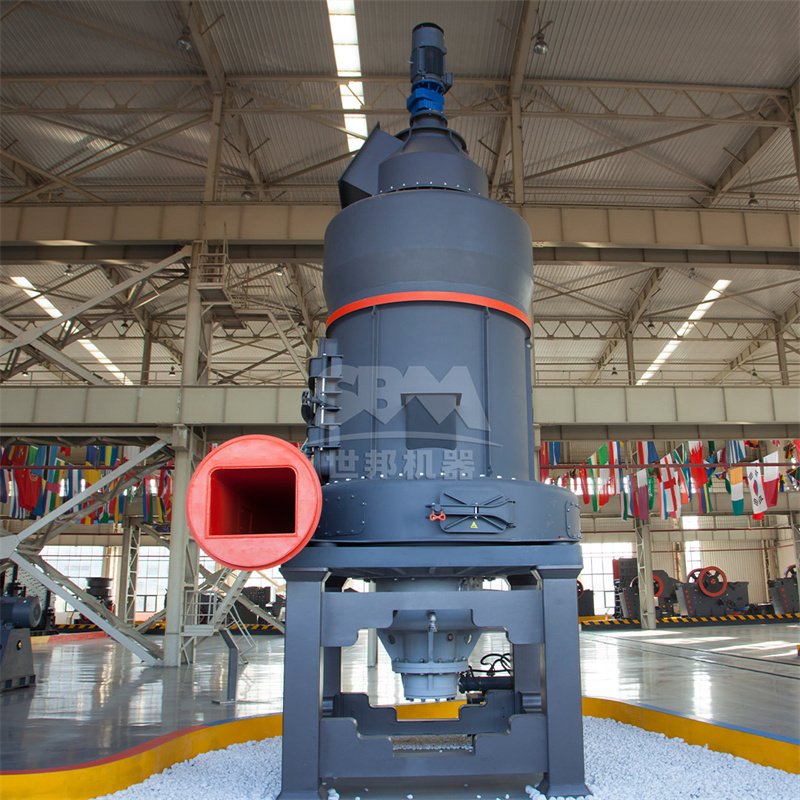
These mills are the workhorses of the calcite grinding industry, offering a balance of capacity, fineness, and cost. The MTW European Trapezium Mill is particularly well-suited for producing lime powders in the 30-325 mesh range with capacities up to 45 t/h. Its integral bevel gear drive achieves 98% transmission efficiency, and the anti-wear shovel design reduces maintenance. For manufacturers processing standard lime products, the MTW series represents the best value proposition.
Recommended Product: For medium to large scale lime production requiring fineness of 30-325 mesh, consider the MTW215G model with a capacity of 15-45 t/h and main power of 280 kW. This model features a robust feed size tolerance of ≤50mm and advanced pulse dust removal technology for environmental compliance.
Ultrafine Mills (SCM & LUM Series)
When the market demands high-value ultrafine lime powders, the SCM Series Ultrafine Mill (325-2500 mesh) and LUM Ultrafine Vertical Roller Mill are the technologies of choice. The SCM800 model, with a capacity of 0.5-4.5 t/h and 75 kW main power, is ideal for specialty lime producers. Its vertical turbine classifier ensures precise particle size cutting without coarse powder mixing, and the pulse dust collection system meets stringent environmental standards.
Recommended Product: For ultrafine calcite powder production (325-2500 mesh) with demanding quality requirements, the SCM1250 model (capacity 2.5-14 t/h, 185 kW main power) offers the best combination of capacity and precision. Its special material rollers and rings extend service life, and the intelligent control system provides automatic finished product granularity feedback.
Vertical Roller Mills (LM Series)
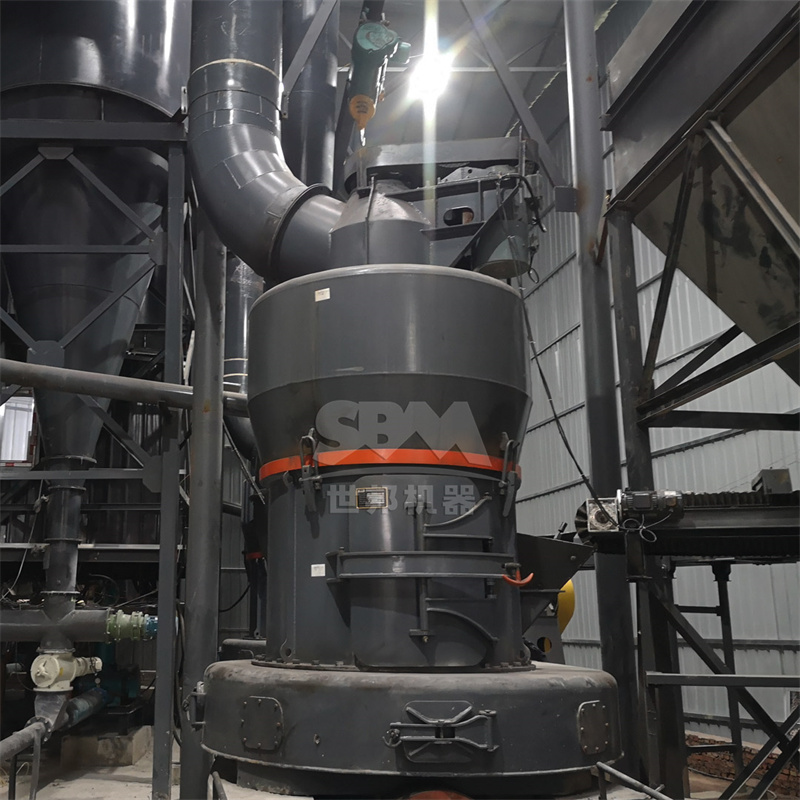
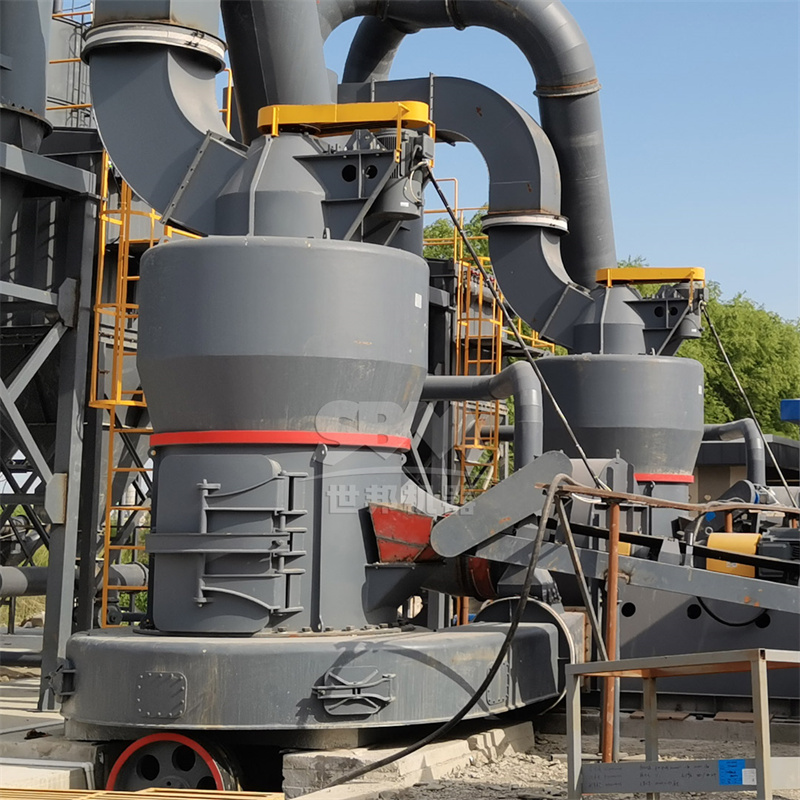
For the largest scale operations, the LM Vertical Roller Mill series offers integrated crushing, grinding, and classifying in a single unit. Its floor space is 50% less than a traditional ball mill system, and energy consumption is 30-40% lower. The LM190K model (capacity 23-68 t/h) is a highly popular choice for large lime plants. The series also includes specialized models for pre-grinding (LM-Y series), which can be integrated with existing ball mills to boost total system capacity by 30-80%.
Ball Mills
While traditional ball mills are robust and reliable, they are gradually being replaced in new installations due to their high energy consumption (30-40% more than vertical mills) and larger footprint. However, they remain viable for very coarse grinding (0.074-0.8 mm) at very high capacities (up to 450 t/h), particularly in retrofit applications where existing infrastructure is already in place.
Step-by-Step Selection Framework
Follow this systematic approach to select the optimal equipment for your lime production plant:
- Define Product Specifications: Determine the target fineness (D90 or D97), acceptable moisture content, and purity requirements.
- Calculate Capacity Needs: Estimate annual production volume, factoring in operating hours and expected efficiency.
- Analyze Feed Material: Test calcite hardness, moisture, and silica content. If silica > 2%, prioritize wear-resistant components.
- Evaluate Power Infrastructure: Check voltage availability (380V vs 6-10kV) as this influences motor selection for large mills.
- Consider Environmental Regulations: Select mills with pulse dust collectors and soundproofing if noise limits apply.
- Perform Lifecycle Cost Analysis: Include initial purchase price, energy costs (using local electricity rates), wear part replacement frequency, and maintenance labor.
- Compare Total System Configuration: Factor in feeders, crushers, elevators, conveyors, and storage silos to ensure balanced flow.
Case Studies: Matching Equipment to Applications
Case A: Small Agricultural Lime Producer
A manufacturer needs 5 t/h of 100-mesh lime. The MTM130 Series (5 rollers, 75 kW main power, capacity 6-11 t/h) is ideal. Its spring pressure system automatically compensates for roller wear, and the damping design reduces noise—important for rural installations.
Case B: Large Steel Industry Lime Supplier
A plant requires 80 t/h of 200-mesh lime with high uniformity. The LM280K Vertical Mill (table Φ2800mm, 1250 kW main power, capacity 50-170 t/h) integrates drying, grinding, and classifying. The intelligent expert system controls product fineness in real-time.
Case C: Specialty Chemical Grade Lime
For 2 t/h of D97 < 10 μm (1250 mesh) lime, the SCM1000 model (capacity 1.0-8.5 t/h, 132 kW) provides the necessary precision. The vertical turbine classifier achieves sharp particle size cuts, and the pulse dust collector ensures a clean operation.
Conclusion
Choosing the right calcite processing equipment for lime production requires a thorough understanding of your material, target market, and operational constraints. The market offers a spectrum of technologies—from the versatile MTW Trapezium Mill for standard applications to the precision SCM Ultrafine Mill for high-value products, and the high-capacity LM Vertical Mill for industrial-scale operations. By systematically evaluating feed size, fineness, capacity, energy costs, and wear part life, you can select equipment that not only meets today’s production needs but also positions your plant for future growth. We recommend consulting with experienced engineers and conducting on-site tests with your specific calcite ore to validate performance before making a final decision.