
Introduction
The production of high-purity metallurgical grade titanium powder is a critical process in the aerospace, medical implant, and advanced manufacturing industries. The demand for titanium powder with exceptional purity, precise particle size distribution, and consistent quality has never been higher. Selecting the right production equipment is not merely a matter of throughput; it is a complex decision that directly impacts the final product’s chemical composition, morphology, and performance characteristics. This article provides a comprehensive guide to choosing the best equipment for high-purity titanium powder production, focusing on key selection criteria and advanced milling technologies.
Understanding the Purity Requirements for Metallurgical Titanium
Metallurgical grade titanium powder, often used in powder metallurgy (PM), additive manufacturing (AM), and thermal spray coatings, requires strict control over impurities such as oxygen, nitrogen, hydrogen, iron, and chlorine. High oxygen content, for instance, can embrittle the final titanium component, making it unsuitable for critical load-bearing applications. The equipment you choose must therefore minimize cross-contamination and avoid introducing new impurities during the grinding process. This means selecting mills with wear-resistant components made from materials that do not react with titanium, such as ceramic-lined chambers or specialized alloy steels.
Key Selection Criteria for Titanium Grinding Equipment
- Contamination Control: The grinding chamber and internal parts must be made from non-contaminating materials. Ti-based or ceramic components are ideal.
- Particle Size Distribution (PSD): The ability to achieve a narrow, controlled PSD is crucial. For AM, typical particle sizes range from 15-45µm or 45-106µm. Equipment must offer precise classification.
- Energy Efficiency & Heat Management: Titanium is reactive at high temperatures. Efficient milling with low heat generation and integrated cooling systems prevent oxidation and sintering.
- Inert Atmosphere Capability: The equipment should support operation under an argon or nitrogen atmosphere to prevent oxidation during the grinding process.
Grinding Technologies Suitable for High-Purity Titanium
Not all mills are created equal when it comes to titanium. While ball mills can be used, they often suffer from high wear rates and contamination. Jet mills are common for producing fine powders but are energy-intensive. For superior results, especially when aiming for a fine and uniform product, advanced roller mills and ultrafine grinding systems offer distinct advantages. They provide better control over the grinding environment and produce less noise and dust.
Advanced Solution: SCM Series Ultrafine Mill for High-Purity Titanium
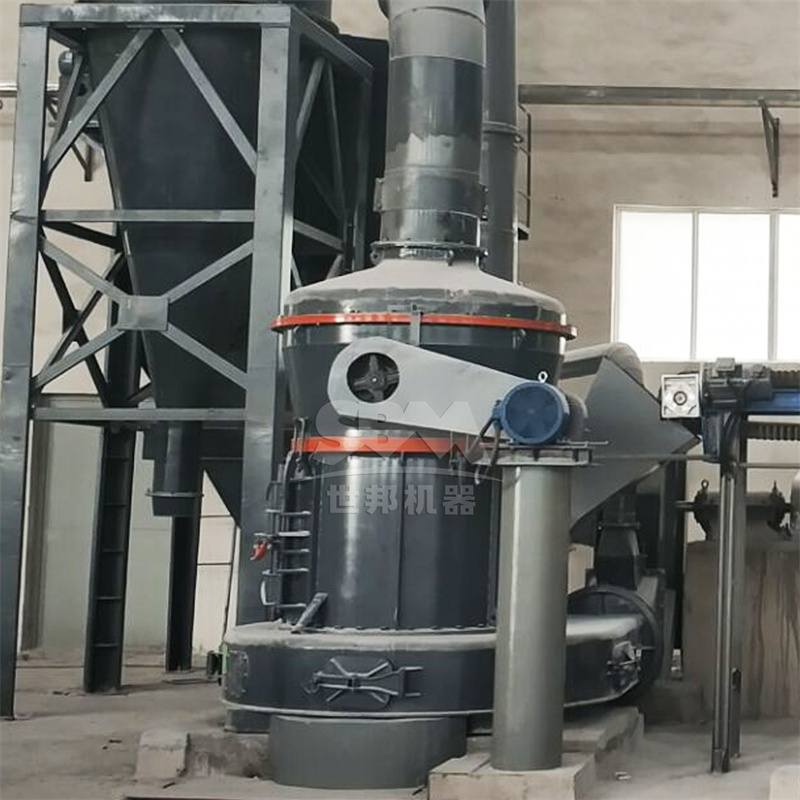
For applications requiring exceptional fineness down to the 5μm range (325-2500 mesh), the SCM Series Ultrafine Mill stands out as a premier choice. Its design directly addresses the challenges of milling reactive metals like titanium. The vertical turbine classifier ensures a sharp particle size cut without mixing coarse powder, which is vital for maintaining a consistent PSD in high-value metallurgical powders. Furthermore, the special material used for the rollers and rings extends service life several times, reducing the risk of iron contamination from worn parts.
We highly recommend the SCM1000 Ultrafine Mill for pilot to medium-scale production. With a main power of 132kW and a capacity of 1.0-8.5 t/h, it can consistently produce powders with an output fineness of 325-2500 mesh, meeting the stringent demands of high-purity titanium processing.
Alternative Solution: LUM Ultrafine Vertical Roller Mill for Large-Scale Production
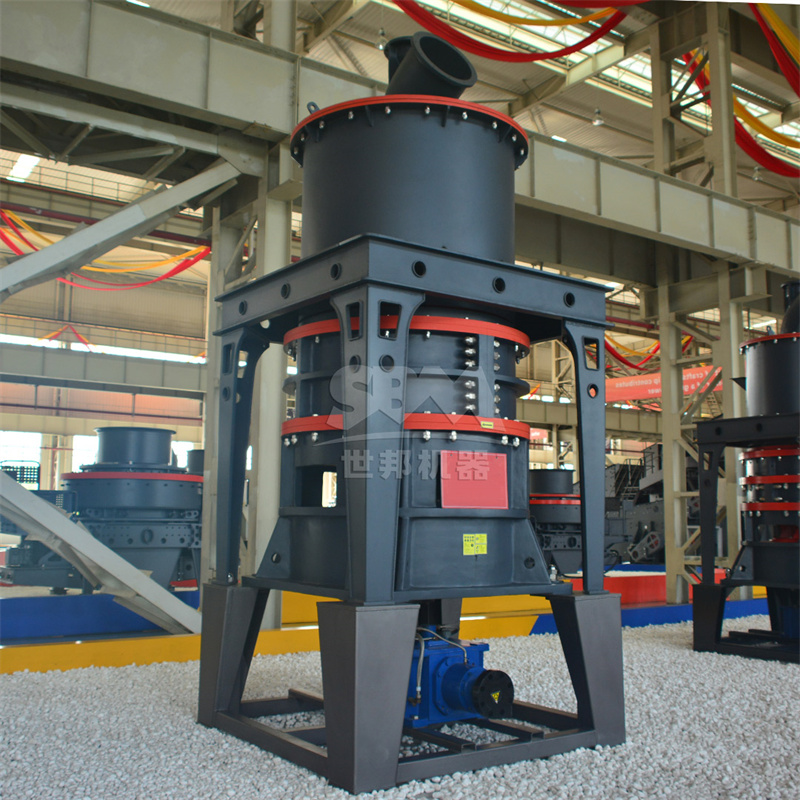
For larger-scale operations requiring consistent throughput and ultra-fine output from 5μm to 30μm, the LUM Ultrafine Vertical Roller Mill is an exceptional alternative. Its unique roller and liner curves maximize grinding efficiency while minimizing energy consumption. The multi-rotor classification technology ensures that no coarse particles enter the final product, a critical factor for high-purity results where any large, un-melted particle can be a defect in AM parts. The PLC automation system provides stable, unattended operation, crucial for maintaining quality over long production runs. Consider the LUM1836 model, with a power range of 355-400kW and a capacity of up to 15 t/h, for high-volume, high-purity titanium powder production.
The Importance of the Classification System
In high-purity grinding, the mill is only half the equation. The classifier plays an equally vital role. A high-efficiency dynamic classifier, like the vertical turbine type used in the SCM mill or the multi-rotor system in the LUM mill, is essential. These classifiers can spin at high speeds to separate fine particles precisely. They allow the operator to adjust the cut point on the fly, optimizing the PSD for specific customer requirements without stopping the mill. This level of control is indispensable for producing premium metallurgical grade titanium powder.
Operational and Maintenance Considerations
- Eco-friendly Operation: The SCM series features a pulse dust collection system with efficiency exceeding international standards, capturing all fine titanium particles and protecting the operator and environment.
- Durability: The shaftless screw grinding chamber design in the SCM mill ensures stable operation and reduces maintenance downtime, which is critical for continuous production schedules.
- Intelligent Control: Both the SCM and LUM series offer intelligent controls with automatic finished product granularity feedback, ensuring that the final powder meets the most stringent quality specs batch after batch.
Conclusion
Choosing the right equipment for high-purity metallurgical grade titanium powder production requires a careful analysis of purity, particle size, efficiency, and operability. Technologies like the SCM Series Ultrafine Mill and the LUM Ultrafine Vertical Roller Mill offer advanced solutions that minimize contamination, deliver precise particle sizes, and operate with high energy efficiency. By partnering with a supplier that understands the unique challenges of titanium processing and investing in robust, high-precision machinery, manufacturers can ensure they produce a consistently superior product that meets the demanding needs of the modern metallurgical industry. Prioritizing contamination control, intelligent classification, and durable design is the key to success in this high-stakes field.