
Introduction
Limestone is one of the most abundant and versatile minerals on Earth. When ground to a fine powder, particularly at 150 mesh (approximately 100 microns), it becomes a critical raw material in countless industries, including power plant desulfurization, construction materials, animal feed, and soil conditioning. Selecting the right production equipment is crucial for achieving the desired fineness, maximizing throughput, and minimizing operational costs. This comprehensive guide delves into the machinery, process flow, and cost considerations for setting up a 150 mesh limestone powder production line, providing expert insights to help you make an informed investment.
Understanding 150 Mesh Limestone
150 mesh limestone powder represents a particle size where approximately 95% of the material passes through a No. 150 standard sieve (105 microns). This specific fineness is widely used as a desulfurization agent in coal-fired power plants, a filler in asphalt and concrete, and a calcium source in animal feed. The production process requires robust machinery capable of consistent, high-volume output with precise particle size control.
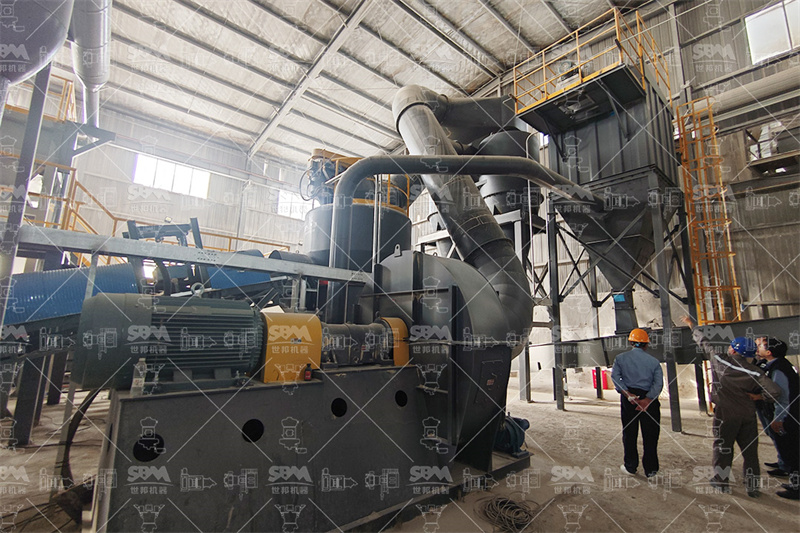
Key Machines for 150 Mesh Limestone Production
Primary Crushing Equipment
Before fine grinding, raw limestone (typically up to 300-500mm in size) must be reduced. A Hammer Crusher or Jaw Crusher is used for primary crushing. The choice depends on the feed size and desired output (usually 0-40mm). For example, our PC Series Hammer Crusher can efficiently reduce limestone to a manageable size for the main grinding mill, featuring high crushing ratio and wear-resistant liners.
The Main Grinding Mill: Heart of the Production Line
This is the most critical component. For 150 mesh (100 micron) production, several options exist, each with distinct advantages:
- MTW Series European Trapezium Mill: Ideal for medium to large-scale production. It offers high capacity (3-45 t/h) and low energy consumption due to its optimized arc air duct and integral bevel gear drive (efficiency up to 98%). Its anti-wear shovel design reduces maintenance frequency.
- LM Series Vertical Roller Mill: Best for very large-scale operations (up to 250 t/h). It features an integrated design that combines crushing, grinding, and classification, reducing the footprint by 50%. Its non-contact roller and table design significantly extends wear part life.
Powder Classifying and Collection System
A high-efficiency Classifier ensures that only particles meeting the 150 mesh standard pass through. Coarse particles are returned to the mill for further grinding. Following classification, a Pulse Dust Collector captures the fine powder, ensuring eco-friendly operation and high product yield.
Auxiliary Equipment
This includes a Feeder (e.g., electromagnetic vibrating feeder) for controlled material input, a Bucket Elevator for material transport, and a Control Cabinet for system automation.
The Production Process: Step-by-Step
The entire process is typically a closed-loop system designed for efficiency and consistency.
- Crushing: Raw limestone is first crushed by a jaw crusher or hammer crusher to a size suitable for the main mill (usually ≤50mm).
- Feeding and Grinding: The crushed material is fed into the main grinding mill via a vibrating feeder. Inside the mill, the material is ground between rollers and the grinding ring under centrifugal force.
- Classification: The ground material is carried by airflow to the classifier. The rotating classifier vanes separate the fine powder (≤150 mesh) from coarse particles, which drop back for re-grinding.
- Collection: The fine powder-laden air enters a cyclone collector and then a pulse dust collector. The clean air is expelled, and the collected 150 mesh powder is discharged as the final product.
- Packaging: The powder is conveyed to a storage silo or directly to an automatic packing machine for bagging.
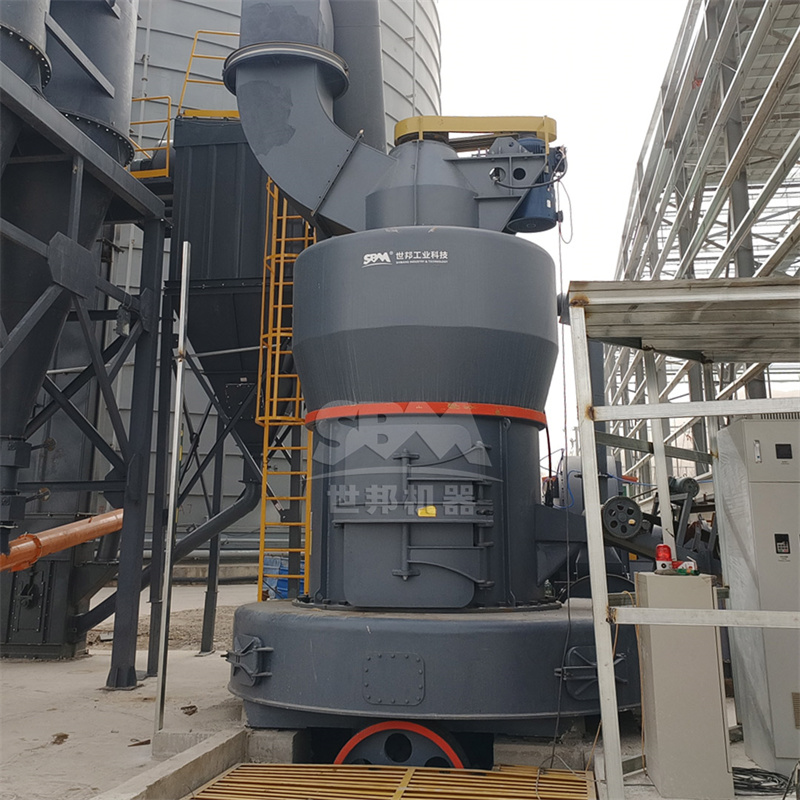
Detailed Equipment Recommendation
For a production line targeting high-throughput and energy efficiency for 150 mesh (100 micron) limestone powder, we strongly recommend our flagship product:
MTW Series European Trapezium Mill is the optimal choice for medium to large-scale projects. Its proven trapezium-shaped grinding ring and roller combine high pressure and high volume to maximize output while maintaining a uniform particle size distribution. The integral bevel gear drive ensures smooth, low-noise operation with transmission efficiency as high as 98%, translating directly into lower electricity costs per ton of finished product. For smaller to medium capacities with a need for ultra-high precision, the SCM Series Ultrafine Mill is also an excellent, flexible option.
Cost Analysis
The total cost of a 150 mesh limestone powder production line is a sum of several factors:
- Capital Expenditure (CAPEX): The cost of the main mill, crusher, classifier, dust collector, and other auxiliary equipment. A premium mill like the MTW Series may have a higher upfront cost but offers lower long-term maintenance.
- Operational Expenditure (OPEX): Primarily energy consumption. Vertical roller mills and advanced trapezium mills like the MTW can save 30-40% in electricity compared to traditional ball mills. For a 10 t/h line grinding limestone, this can mean tens of thousands of dollars in annual savings.
- Wear Parts and Maintenance: The cost of grinding rollers, rings, and liners. Anti-wear designs using special materials, such as those in our mills, dramatically increase service life.
- Labor and Infrastructure: Integrated mill designs require less floor space and are easier to install, reducing civil engineering and labor costs.
To estimate a specific cost, consider the capacity needed. A typical 5 t/h line using an MTW110 might have a total equipment cost in a specific price range, while a 20 t/h line using an LM190K will require a significantly higher investment but offers the lowest cost per ton.
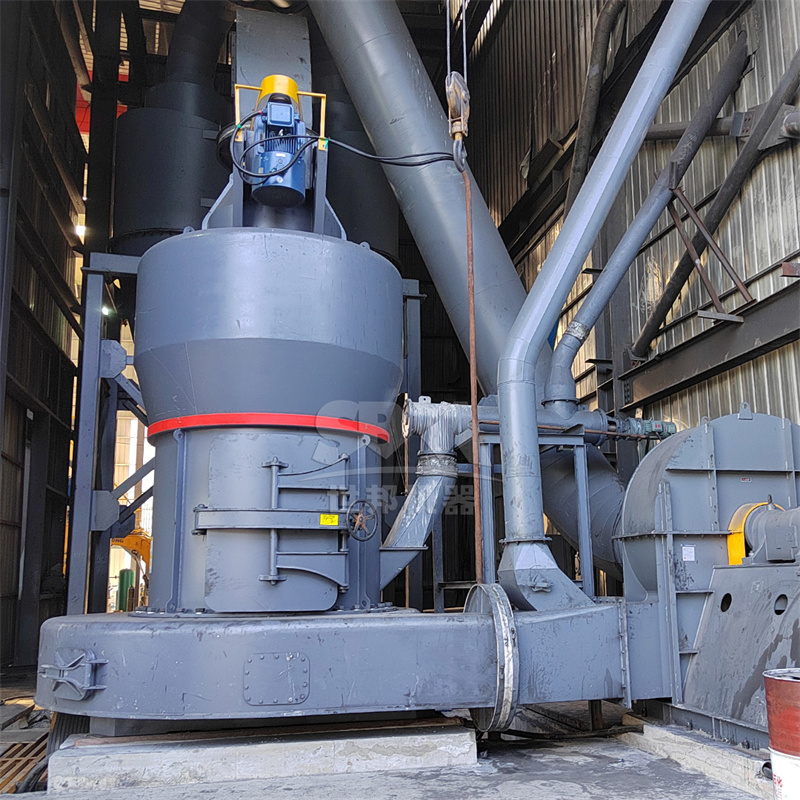
Choosing the Right Equipment
Your choice depends on your specific needs. Here is a quick decision guide:
- Small to Medium Capacity (3-10 t/h): Consider the MTW110/MTW110Z European Mill for its efficiency and low operational cost. The SCM800/900 Ultrafine Mill is also a great choice if you need flexibility for finer products later.
- Medium to High Capacity (10-45 t/h): The MTW138Z/MTW175G or LM130K/LM150K Vertical Roller Mill are ideal. The LM series offers the highest capacity and lowest power consumption per ton.
- Very High Capacity (>45 t/h): The LM190K and higher models are the undisputed industry standard for large-scale, high-efficiency high-volume grinding.
Conclusion
Investing in a 150 mesh limestone powder production line is a significant capital decision. By understanding the process, evaluating the key machinery, and analyzing the total cost of ownership, you can build a profitable and sustainable operation. The MTW Series European Trapezium Mill and LM Series Vertical Roller Mill represent the pinnacle of modern grinding technology, offering the best balance of capacity, energy efficiency, and reliability. Contact us today for a custom design and equipment quotation tailored to your specific material characteristics and production targets.