
Introduction
Activated carbon is a cornerstone of modern gas purification systems, widely used in industries ranging from wastewater treatment and air filtration to chemical processing and food production. Its high porosity and enormous surface area make it exceptionally effective at adsorbing contaminants, volatile organic compounds (VOCs), odors, and toxic gases. However, the efficiency of activated carbon in gas purification is not solely dependent on the raw material or activation process; it is significantly influenced by the particle size, uniformity, and quality of the carbon powder. This is where advanced grinding and milling equipment plays a pivotal role. By precisely controlling the fineness and distribution of activated carbon particles, modern processing machinery can dramatically enhance adsorption kinetics, reduce energy consumption, and improve overall system performance. In this article, we will explore the key mechanisms by which activated carbon processing equipment boosts gas purification efficiency, with a focus on cutting-edge milling technologies.
The Role of Particle Size in Adsorption
Gas purification using activated carbon relies on the physical adsorption of molecules onto the carbon’s internal pore structure. The rate and capacity of adsorption are directly related to the available surface area and the accessibility of micropores. When activated carbon is ground into finer particles, several beneficial effects occur:
- Increased Surface Area: Smaller particles expose more external surface area and shorten diffusion paths, allowing gas molecules to reach internal pores faster.
- Improved Kinetics: Finer powders reduce mass transfer resistance, leading to quicker adsorption equilibrium and higher throughput in continuous systems.
- Enhanced Dispersion: Uniform particle size distribution ensures consistent packing density and avoids channeling in fixed-bed reactors.
Therefore, milling equipment that can produce ultra-fine, narrowly distributed powders is essential for maximizing the performance of activated carbon in gas purification applications.
Key Processing Technologies for Activated Carbon
Several types of grinding mills are employed in the production of activated carbon powders. Each offers distinct advantages depending on the desired fineness, capacity, and material characteristics.
Ultrafine Grinding for High-Performance Applications
For applications requiring extremely fine powders—ranging from 325 mesh (45 μm) down to 2500 mesh (5 μm)—ultrafine grinding mills are indispensable. These mills utilize advanced principles such as multi-layer grinding rings, high-speed centrifugal forces, and precise air classification to achieve consistent product fineness.
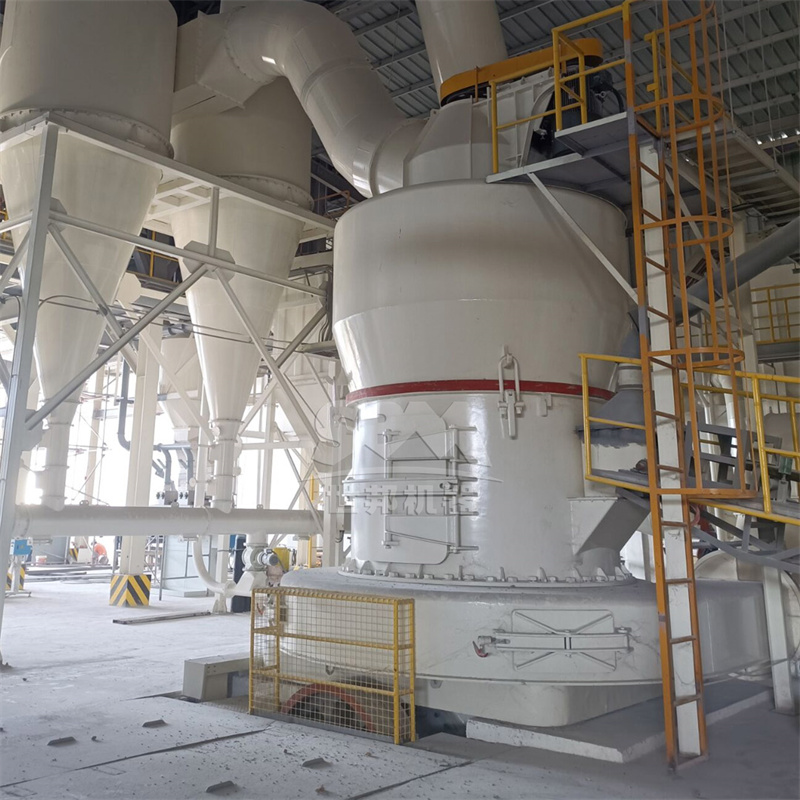
One outstanding example is the SCM Series Ultrafine Mill. With an input size of up to 20 mm and output fineness adjustable from 325 to 2500 mesh, this machine is specifically designed to produce high-value activated carbon powders. Its capacity ranges from 0.5 to 25 tons per hour, depending on the model. The SCM series offers twice the capacity of traditional jet mills while consuming 30% less energy. An intelligent control system automatically adjusts for granularity feedback, ensuring stable and repeatable quality. The vertical turbine classifier delivers precise particle size cutting, eliminating coarse powder contamination. This makes the SCM series an ideal choice for manufacturers targeting premium-grade activated carbon for demanding gas filtration systems.
For larger-scale operations where output fineness is between 30 and 325 mesh (600–45 μm), the MTW Series European Trapezium Mill provides a robust solution. This mill features an integral bevel gear drive with 98% transmission efficiency, an arc air duct design to minimize energy loss, and a combined shovel blade structure that extends service life. With capacities reaching up to 45 tons per hour and models like the MTW215G and MRN218, it is well-suited for high-volume production of standard activated carbon powders used in industrial gas scrubbers and HVAC systems.
Vertical Roller Mills for Integrated Systems
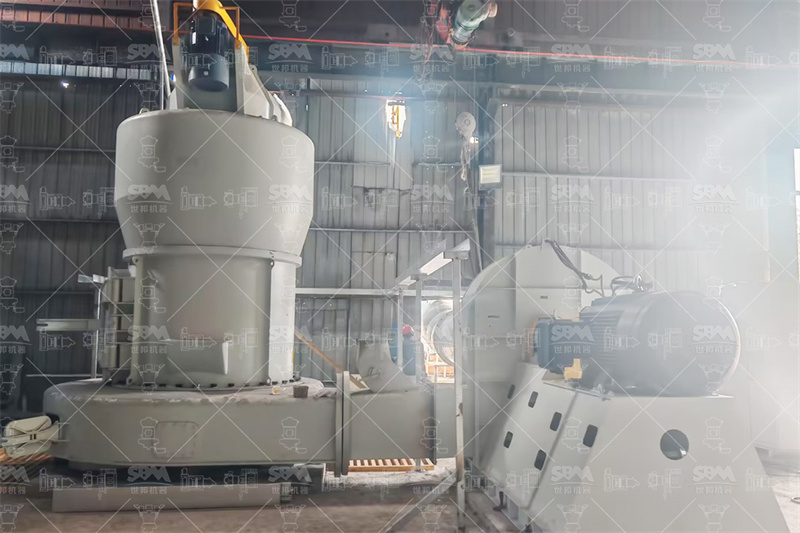
Another highly efficient approach is the use of vertical roller mills (VRM), which integrate crushing, grinding, and classification into a single unit. The LM Series Vertical Roller Mill is a prime example of this technology. Its integrated design reduces floor space by 50% and lowers infrastructure costs by 40%. The non-contact design between rollers and grinding table extends wear part life by three times, while energy consumption is 30–40% lower than traditional ball mill systems. The fully sealed, negative-pressure operation ensures dust emissions are effectively controlled, making it environmentally friendly. With capacities spanning from 3 to 250 tons per hour and models like the LM130K or LM280K, the LM series is ideal for large-scale activated carbon plants where consistent product fineness (30–325 mesh) is required.
Impact on Gas Purification Efficiency
When activated carbon is processed using advanced milling equipment, the downstream gas purification systems operate more effectively in several ways:
- Higher Adsorption Capacity: Finer particles provide a larger surface area-to-volume ratio, allowing more active sites for contaminant binding.
- Faster Adsorption Rates: Reduced particle size minimizes internal diffusion resistance, enabling rapid capture of gas molecules, which is crucial for high-flow-rate applications.
- Lower Pressure Drop: In fixed-bed adsorbers, uniform particle size distribution leads to more consistent bed porosity, reducing energy losses from fans and blowers.
- Reduced Usage of Activated Carbon: With higher efficiency per gram of carbon, less material is needed to achieve the same purification performance, lowering operational costs and waste generation.
These improvements are particularly valuable in industries such as semiconductor manufacturing, pharmaceutical production, and chemical processing, where even trace contaminants can compromise product quality or safety.
Environmental and Economic Benefits
Adopting high-performance grinding equipment for activated carbon processing not only boosts purification efficiency but also delivers significant environmental and economic advantages. Energy-efficient mills like those in the SCM and MTW series consume less power per ton of product, reducing the carbon footprint of the manufacturing process. The ability to produce finer powders with less energy also translates to lower production costs. Furthermore, the enhanced durability and reduced maintenance requirements of modern mills—such as the special material rollers in the SCM series or the anti-wear shovels in the MTW series—minimize downtime and extend equipment lifespan, offering a compelling return on investment.
Choosing the Right Equipment
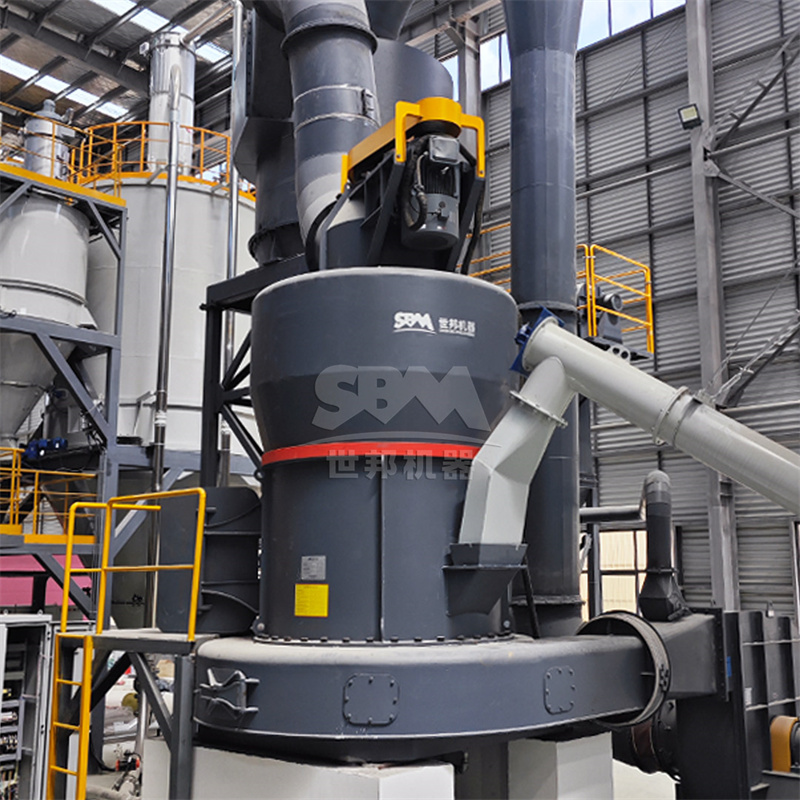
Selecting the appropriate mill for activated carbon grinding depends on several factors: desired fineness, required capacity, feed material properties, and budget. For ultra-fine applications (5–45 μm), the SCM Series Ultrafine Mill is unmatched in efficiency and precision. For standard fine powders (45–600 μm) with high throughput, the MTW Series European Trapezium Mill offers excellent reliability and low operating costs. For integrated large-scale systems, the LM Series Vertical Roller Mill provides a compact, energy-saving solution. Each of these product lines from our company is backed by decades of engineering expertise, patented technologies, and comprehensive after-sales support.
Conclusion
Activated carbon remains an indispensable material for gas purification, and its effectiveness is directly linked to the quality of its particle processing. Modern milling equipment, particularly those designed for precise grain size control and energy efficiency, can dramatically enhance adsorption performance, reduce operational costs, and support environmental sustainability. By investing in advanced technologies such as the SCM Series Ultrafine Mill or the MTW Series European Trapezium Mill, companies can unlock the full potential of activated carbon in their gas purification systems. As industrial regulations become stricter and the demand for cleaner air grows, the role of high-efficiency processing equipment will only become more critical. Our company is committed to providing these cutting-edge solutions, helping our customers achieve superior purification outcomes while optimizing their production processes.