
Introduction
Calcined petroleum coke (CPC) is a critical carbon material derived from the high-temperature treatment of green petroleum coke. It is widely used in the production of anodes for the aluminum industry, as a recarburizer in steelmaking, and as a carbon raiser in various industrial applications. To meet the stringent quality requirements of modern industries, grinding CPC to a fine and uniform powder, typically around 200 mesh (75 microns), is essential. This guide provides a comprehensive overview of the key machinery required for high-efficiency 200-mesh CPC powder production, focusing on the latest technologies in grinding, classification, and dust collection. We will explore the working principles, technical advantages, and selection criteria for each machine to help you build a state-of-the-art production line.
Understanding Calcined Petroleum Coke (CPC) Grinding
Calcined petroleum coke is a hard, brittle, and highly graphitizable carbon material. Its high hardness and low volatile content make it challenging to grind compared to other minerals. Achieving a uniform particle size distribution (PSD) at 200 mesh requires specialized equipment that can handle the material’s abrasive nature while maintaining high throughput and energy efficiency. The selection of the right grinding mill is the cornerstone of any successful CPC grinding plant.
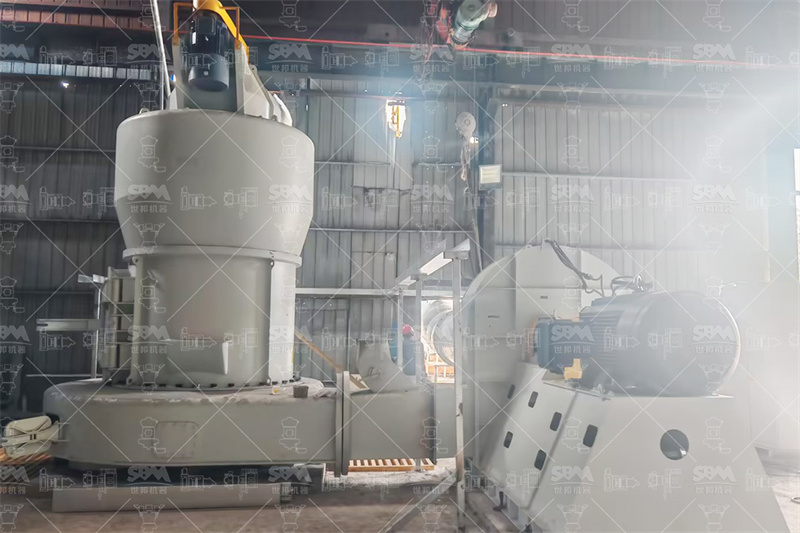
The primary objective is to produce a consistent powder with a particle size of approximately 74 microns (200 mesh), which is ideal for applications like anode paste manufacturing. Oversized particles can lead to inconsistencies in the final product, while excessive fines can increase costs and processing difficulties. Therefore, a grinding system that offers precise control over the final fineness is non-negotiable.
Key Machines for High-Efficiency CPC Powder Production
A complete CPC powder production line typically consists of a primary crusher, a feeding system, a grinding mill, an air classifier, a dust collector, and a finished product storage system. Among these, the grinding mill is the heart of the operation. For achieving a 200-mesh output with high efficiency, two types of mills stand out: the Ultrafine Vertical Roller Mill and the Ultrafine Grinding Mill.
1. Ultrafine Grinding Mill (SCM Series) – For High-Fineness & Precision Control
When the target fineness is around 200 mesh (75 microns) or finer, the SCM Series Ultrafine Mill is an excellent choice. This mill is designed to produce powders ranging from 325-2500 mesh, with a 200 mesh output being easily achievable. Its core advantage lies in its high-efficiency and energy-saving capabilities.
Working Principle: The main motor drives three layers of grinding rings to rotate at high speed. Material is fed into the grinding path by centrifugal force and crushed by the pressure exerted by multiple grinding rollers against the rings. This multi-layer grinding action ensures that the material is pulverized efficiently. The finished powder is then carried by the airflow to a high-precision vertical turbine classifier, which ensures that no coarse powders contaminate the final product.
Why it is ideal for CPC grinding:
- High Energy Efficiency: The SCM series boasts double the capacity of traditional jet mills, with 30%% lower energy consumption. This is a critical factor for large-scale CPC processing where energy costs are a major concern.
- High-Precision Classification: The vertical turbine classifier guarantees a very sharp particle size cut-off, ensuring that the final product is uniformly 200 mesh without any oversized particles.
- Durable Design: The use of special alloy materials for the rollers and grinding rings significantly extends their service life, reducing downtime and maintenance costs when processing abrasive materials like CPC.
- Intelligent Control: The system features automatic finished product granularity feedback, allowing operators to adjust settings remotely for consistent quality.
2. Ultrafine Vertical Roller Mill (LUM Series) – For Large-Scale & Stable Operation
For operations requiring higher throughput and absolute reliability, the LUM Series Ultrafine Vertical Roller Mill offers a robust solution. This mill is specifically engineered for grinding non-metallic minerals up to 325-2500 mesh, making it perfect for a 200-mesh CPC application.
Working Principle: The grinding table rotates, and the material is fed onto its center. Centrifugal force moves the material outward, where it is ground between the rollers and the table. Hot air (or ambient air) lifts the fine particles to the separator. The unique multi-rotor classification system ensures high precision, while coarse particles are returned to the table for regrinding.
Selection Guide for 200-Mesh CPC Production:
- Capacity Requirements: For a CPC line targeting 1-10 tons per hour, the SCM series (e.g., SCM1250 with a capacity of 2.5-14t/h) is ideal. For higher outputs, consider the LUM series or the larger LM Vertical Roller Mill.
- Fineness Control: Both the SCM and LUM mills offer excellent control. For a strict 200-mesh cut, ensure the classifier system is tuned correctly.
- Material Hardness: CPC is abrasive. Opt for mills with wear-resistant liners and hardened grinding elements. Our SCM mills excel in this area due to their special material rollers.
- Moisture Content: CPC typically has very low moisture, so a drying system is usually not required. However, the mill should be capable of handling slight variations without clogging.
- Environmental Compliance: Choose a mill that integrates seamlessly with a pulse dust collector to ensure dust-free operation and compliance with environmental standards.
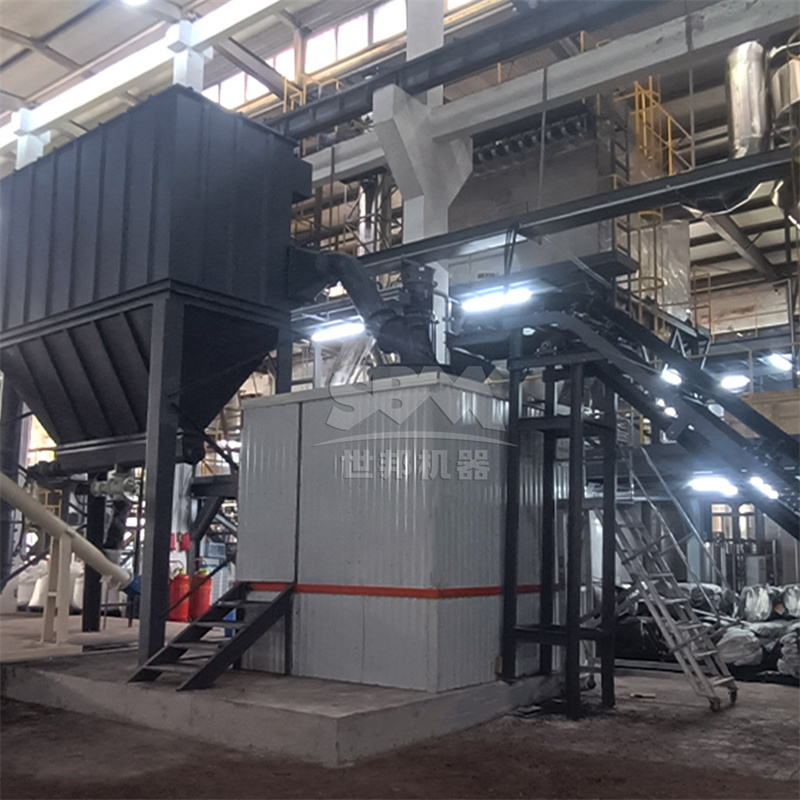
Featured Product Recommendation: The SCM1250 Ultrafine Mill
For medium to high-capacity 200-mesh CPC powder production, we highly recommend the SCM1250 Ultrafine Mill. This model perfectly balances capacity and fineness. With a main power of 185kW and a capacity of 2.5-14 tons per hour, it is engineered to handle the demanding task of grinding petroleum coke. Its intelligent control system automatically adjusts to maintain a consistent 200-mesh output, while its robust construction, featuring special alloy rollers and rings, ensures years of dependable service. For operations requiring the highest level of precision and durability without sacrificing energy savings, the SCM1250 is the optimal solution.
An Alternative High-Capacity Solution: LM Series Vertical Roller Mill
If the production goal exceeds 15 tons per hour, the LM Series Vertical Roller Mill becomes the most economical choice. Specifically, the LM130K or larger models can efficiently produce 200-mesh powder. While traditionally used for coarser materials like cement, the LM series with its integrated classifier can be adjusted to produce a 200-mesh product with high output and low operating costs.
The LM series offers an integrated design that combines crushing, grinding, and selection, reducing the factory footprint by up to 50%%. Its operating cost is 30-40%% lower than traditional ball mill systems, and the intelligent control system ensures minimal manual intervention. The non-contact design between rollers and the table means that wear part life is extended dramatically, reducing maintenance frequency.
Conclusion and Final Selection Guide
Selecting the right equipment for high-efficiency 200-mesh calcined petroleum coke powder production is a critical business decision. The key is to match the machine’s capabilities with your specific production needs. For most CPC grinding applications where a high-quality, consistent 200-mesh powder is required, the SCM Series Ultrafine Mill (specifically the SCM1250) offers the best combination of energy efficiency, precision, and durability. Its ability to handle abrasive materials while maintaining a sharp particle size distribution makes it a top-tier investment. For extremely high-tonnage operations, the LUM Ultrafine Vertical Roller Mill or the LM Vertical Roller Mill provide unmatched capacity and integrated functionality.
When making your final choice, always consider the total cost of ownership, including initial investment, energy consumption, wear part replacement costs, and maintenance labor. Partner with a manufacturer that offers comprehensive after-sales support and spare parts availability. With the correct machinery in place, your 200-mesh CPC powder production line can achieve peak productivity, product quality, and profitability.
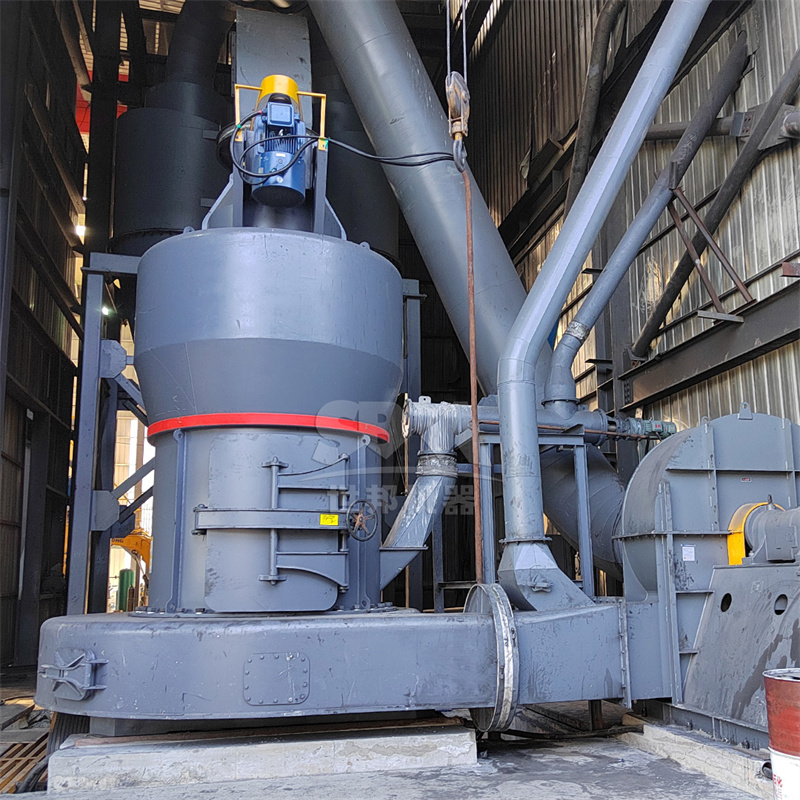
Investing in a high-efficiency mill from a trusted manufacturer ensures reliability and a quick return on your investment. The integration of modern technology, such as intelligent automation and high-performance classification, will future-proof your facility and meet the growing global demand for high-quality calcined petroleum coke powder.