
Introduction
Fly ash aerated concrete (FAAC) is a lightweight, highly insulated building material that plays a crucial role in modern green construction. The quality and efficiency of your FAAC production line depend heavily on the raw material processing equipment you select. The core of this process involves grinding fly ash, lime, gypsum, and other siliceous materials to the optimal fineness for slurry mixing and autoclave curing. Choosing the wrong mill can lead to high energy consumption, inconsistent product quality, and increased operational costs. This article provides a comprehensive guide on how to select the right processing equipment, tailored to the specific requirements of your FAAC production line.
Understanding the Raw Material Requirements for FAAC
Before selecting equipment, you must understand the grinding demands of FAAC. The primary raw material—fly ash—requires grinding to a fineness where the majority of particles pass through a 325-mesh sieve (45μm). Reactive silica (SiO2) content must be liberated to ensure proper hydrothermal reactions during autoclaving. Similarly, quicklime must be crushed and milled to a fine powder to control hydration rates. The ideal equipment must offer high precision in particle size distribution, low iron contamination (to maintain product whiteness), and the ability to handle materials with varying moisture content.
Key Factors to Consider When Choosing Grinding Equipment
1. Output Fineness and Capacity
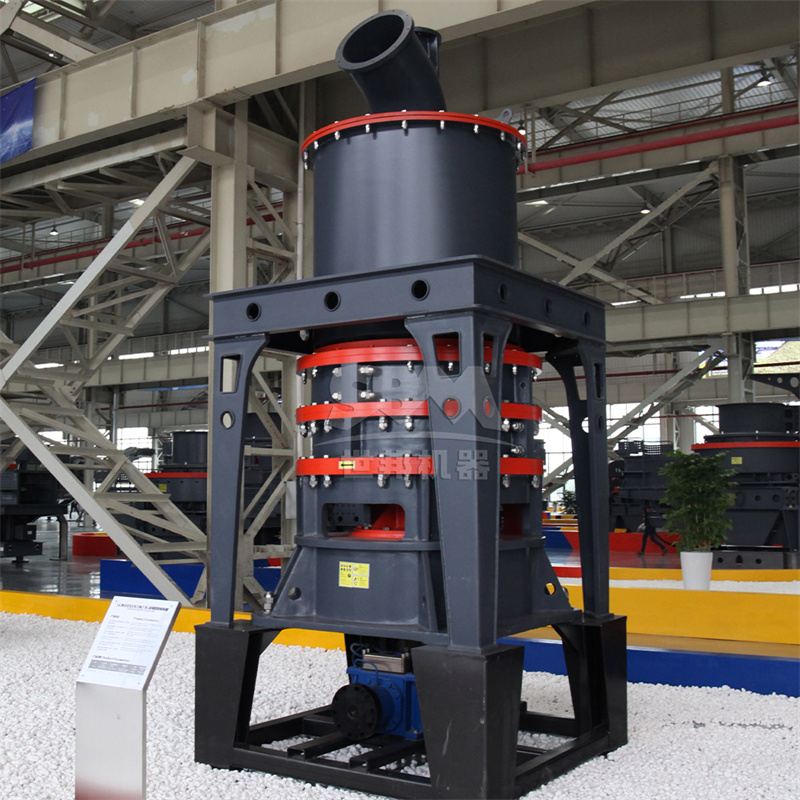
The target fineness for FAAC raw meal typically ranges from 45μm to 80μm (180 to 325 mesh). Your production capacity dictates the mill’s throughput. For small to medium lines (under 50,000 m³/year), a system processing 5-15 tons per hour is adequate. For large-scale operations, you need mills capable of 25+ tons per hour. Equipment like the SCM Series Ultrafine Mill excels here, offering outputs from 0.5 to 25 tons per hour with a precise output fineness of 325-2500 mesh. This ensures your fly ash and lime are ground to the exact specifications required for high-strength aerated concrete blocks.
2. Energy Efficiency and Operating Costs
Grinding is the most energy-intensive stage in FAAC production. Look for equipment that provides the highest capacity per kilowatt-hour. Advanced mills utilize layer grinding principles which consume 30-40% less energy than traditional ball mills. The SCM Series Ultrafine Mill offers a distinct advantage here: its capacity is up to twice that of jet mills with 30% lower energy consumption. This directly translates to lower electricity bills and a faster return on investment.
3. Wear Life and Maintenance
Fly ash contains abrasive silica particles. Frequent replacement of wearing parts like grinding rollers and rings can cripple production schedules. Choose equipment with durable components. The SCM Series features special material rollers and rings designed to extend service life several times over. Its shaftless screw grinding chamber ensures stable operation without frequent jamming, reducing downtime significantly.
4. Classification Precision
In FAAC, coarse particles above 90μm are detrimental as they reduce the material’s reactivity and cause structural defects. The classifier must be highly efficient. Vertical turbine classifiers, such as those integrated into the SCM Series, perform precise particle size cutting. This ensures no coarse powder mixes into the final product, guaranteeing uniform finished products that meet strict industry standards for aerated concrete.
5. Environmental and Noise Control
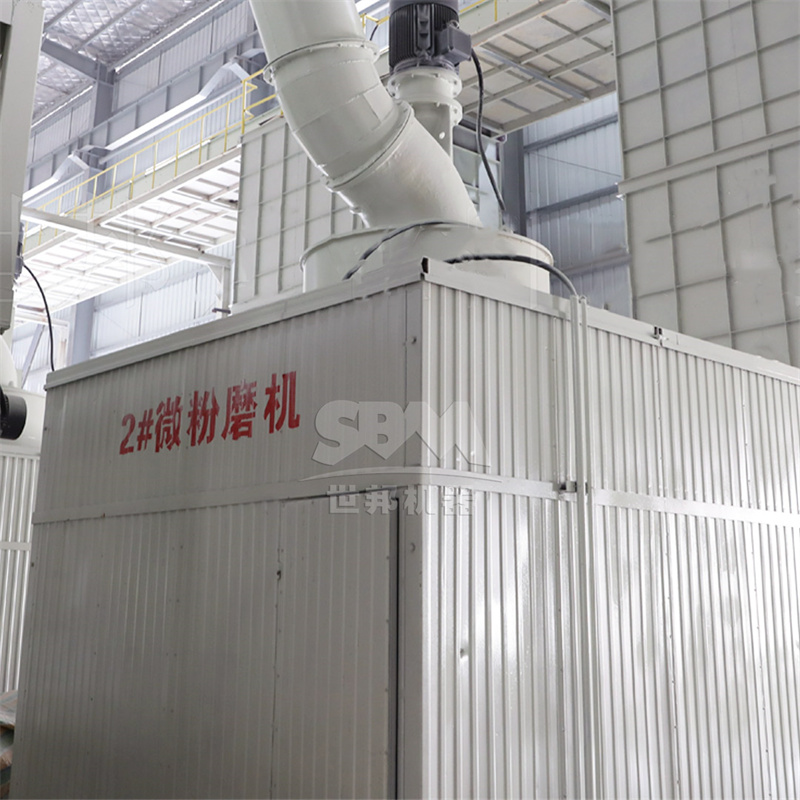
Modern factories must comply with stringent environmental regulations. A fully sealed, negative pressure system is non-negotiable. The SCM Series is engineered with an advanced pulse dust collection system whose efficiency exceeds international standards. Combined with a soundproof room design, it ensures noise levels remain within comfortable limits, creating a safer and more compliant working environment.
Comparison with Other Mill Types
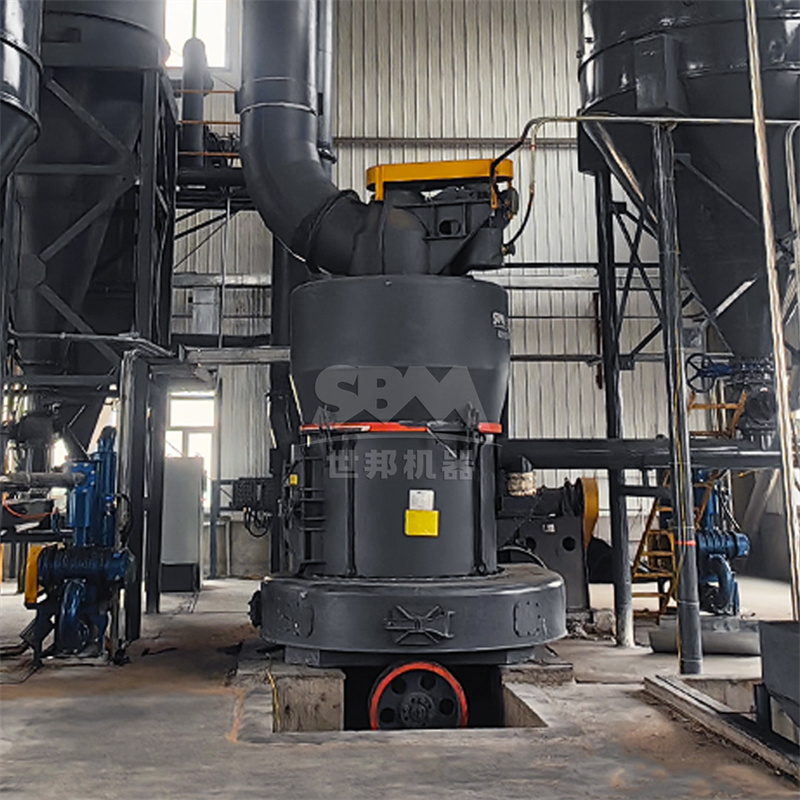
While ball mills are traditional, they suffer from high energy waste. Vertical roller mills (like the LM Series) are excellent for large throughputs but often require higher capital investment. The SCM Series strikes a perfect balance between capacity, fineness, and cost for medium-to-high end FAAC production. For lines requiring coarser feed (0-50mm) and higher throughput for pre-crushing lime, equipment like the MTW European Trapezium Mill is also a partner solution, but for the critical step of final fine grinding of fly ash, the SCM is the optimal choice.
Our Recommended Solution: The SCM Series Ultrafine Mill
Based on the specific demands of fly ash aerated concrete material processing, our company highly recommends the SCM Series Ultrafine Mill. It is the industry benchmark for producing high-value, fine-grade powders.
- Model Selection Guide: For a typical FAAC line requiring 5 tons/hour of fly ash powder (325 mesh), the SCM900 (0.8-6.5 t/h) is an ideal fit. For larger lines requiring up to 15 tons/hour, the SCM1250 (2.5-14 t/h) or SCM1680 (5.0-25 t/h) would be the perfect primary grinder.
- Working Principle: The main motor drives three layers of grinding rings. Materials are dispersed into the grinding path by centrifugal force, crushed by roller pressure, and ground layer by layer. This ensures high efficiency and uniform particle size distribution.
- Key Technical Advantage: Its intelligent control system with automatic finished product granularity feedback allows for hands-off operation, ensuring that every batch of fly ash powder has the precise fineness required for optimal autoclave strength.
Conclusion
Choosing the right fly ash aerated concrete material processing equipment is not a one-size-fits-all decision. It requires analyzing your capacity, fineness targets, energy budget, and maintenance capabilities. The SCM Series Ultrafine Mill, with its high efficiency, precision classification, and durable design, emerges as the superior solution for fine grinding in the FAAC industry. By integrating this advanced mill into your production line, you secure a competitive edge in producing lightweight, high-strength, and green building materials.