
1. Introduction: The Importance of Gypsum Additives in Plastic Products
In the modern plastics industry, quality and cost-efficiency are paramount. One of the most effective ways to achieve both is through the use of high-quality mineral additives, particularly gypsum. When processed to the correct fineness and purity, gypsum powder acts as a functional filler in various plastic products, improving dimensional stability, fire resistance, and mechanical strength, while also reducing production costs. However, the benefits are directly tied to the quality of the grinding and classification process. This is where specialized, high-efficiency gypsum additive production equipment becomes critical. Choosing the right mill can mean the difference between a competitive, high-quality product and a substandard one.
This comprehensive guide will explore the key features to look for in gypsum processing machinery, delve into the technical advantages of modern milling technologies, and provide a practical buying guide to help you make an informed investment.
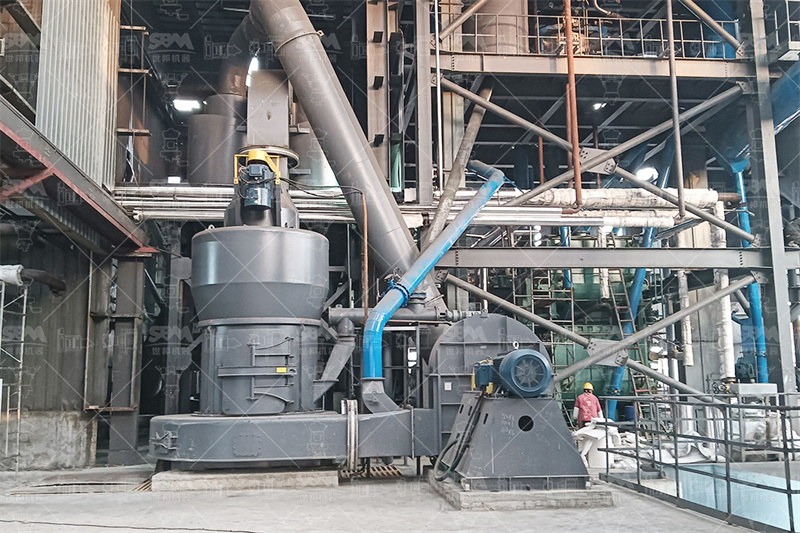
2. Understanding the Critical Role of Fineness and Purity
For gypsum to be an effective additive in plastics, it must be ground to specific particle sizes, typically ranging from 45 microns (325 mesh) down to 5 microns (2500 mesh). The finer the powder, the better its dispersion within the polymer matrix, leading to enhanced mechanical properties and a smoother surface finish. Coarse or inconsistent particles can act as stress concentrators, weakening the final product.
Furthermore, purity and uniformity are non-negotiable. Inconsistent particle size distribution can lead to processing issues, such as uneven mixing or clogging during injection molding. Therefore, your production equipment must offer high-precision classification to ensure a consistent, clean cut of the desired particle size, with zero coarse powder mixing.
3. Key Features of High-Efficiency Gypsum Additive Equipment
When evaluating machinery for producing gypsum additives for plastics, several core features distinguish industry-leading equipment from standard mills.
3.1 High Energy Efficiency and Capacity
Grinding is an energy-intensive process. Advanced mills, like the SCM Series Ultrafine Mill (45-5μm), are engineered for high efficiency. With a capacity 2x that of traditional jet mills and 30% lower energy consumption, they dramatically reduce operating costs. This is achieved through optimized grinding mechanisms and intelligent control systems that automatically adjust parameters based on the finished product’s granularity feedback. This guarantees you are not wasting energy on over-grinding.
3.2 High-Precision Classification System
The heart of any fine powder mill is its classifier. A high-quality vertical turbine classifier provides precise particle size cutting. This ensures that the final product is free from coarse particles that can ruin the homogeneity of plastic mixtures. This feature is paramount for applications requiring ultrafine gypsum powder (e.g., 800-2500 mesh).
3.3 Durable and Long-Lasting Components
Gypsum is an abrasive material. Production equipment must be built to last. Look for mills featuring special material rollers and grinding rings that extend service life several times longer than standard components. Features like a shaftless screw grinding chamber also contribute to stable operation and reduced mechanical failure, ensuring high uptime.
3.4 Eco-Friendly and Low-Noise Operation
Modern manufacturing facilities must comply with strict environmental regulations. Top-tier equipment integrates pulse dust collection systems with efficiency exceeding international standards. Soundproof room designs and advanced damping technologies ensure that the mill operates at noise levels well within occupational safety limits, creating a better working environment and avoiding costly fines.
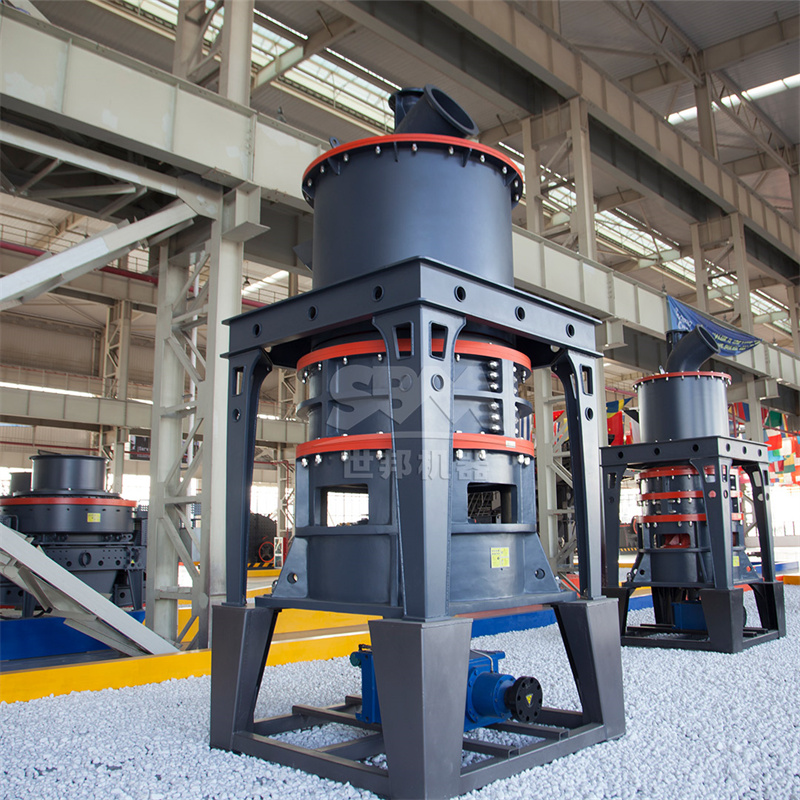
4. Recommended Product Spotlight: The SCM Series Ultrafine Mill
For manufacturers focused on the high-value segment of plastics that require ultrafine gypsum fillers (325-2500 mesh), we highly recommend the SCM Series Ultrafine Mill. Its unique three-layer grinding ring design and vertical turbine classifier make it the ideal solution for producing premium-grade additives.
- Input Size: ≤20mm
- Output Fineness: 325-2500 mesh (45-5μm)
- Capacity: 0.5-25 ton/h
- Key Advantage: Capacity is 2x that of jet mills with 30% lower energy consumption. The intelligent feedback system automatically maintains consistent product quality.
The SCM series is the gold standard for applications where purity, uniformity, and ultra-fine particle size are the primary drivers of product value.
5. Recommended Product Spotlight: The MTW Series European Trapezium Mill
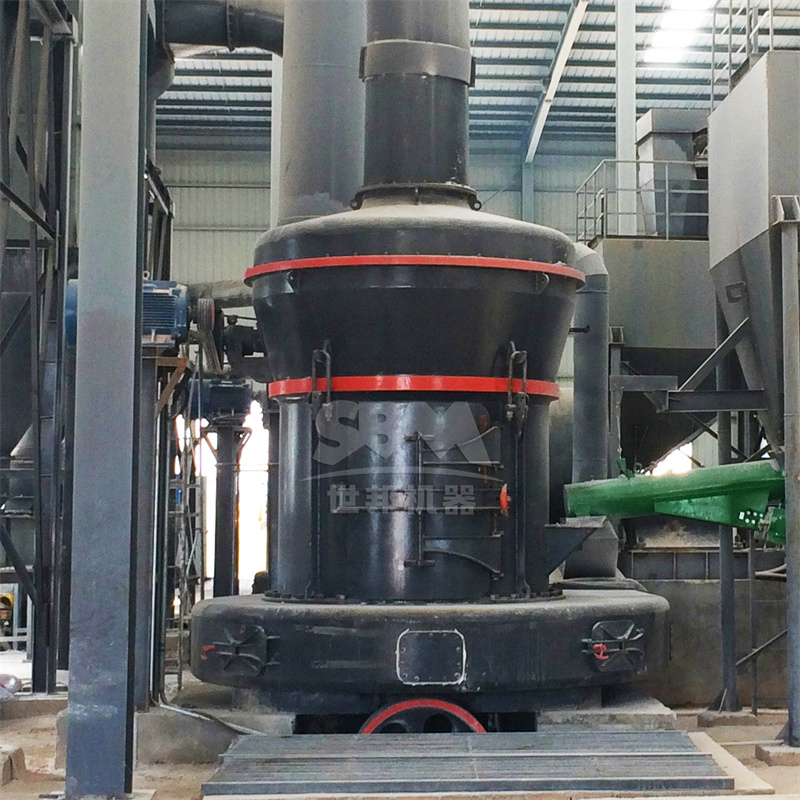
For larger volume production of gypsum powder for general plastic applications (30-325 mesh), the MTW Series European Trapezium Mill offers an unbeatable combination of high capacity, low maintenance, and cost-efficiency. It features a patented anti-wear shovel design and an optimized arc air duct that reduces airflow energy loss. Its integral bevel gear drive system achieves a remarkable 98% transmission efficiency, saving space and power.
- Input Size: ≤50mm
- Output Fineness: 30-325 mesh (600-45μm)
- Capacity: 3-45 ton/h
- Key Advantage: The wear-resistant volute structure and combined shovel blades reduce maintenance costs by 30%, making it a workhorse for continuous, high-volume production.
Whether your focus is on high-volume standard grades or niche ultrafine products, selecting the right mill is the first step to success.
6. A Practical Buying Guide: How to Choose the Right Mill
Investing in gypsum additive equipment is a significant decision. Here is a step-by-step guide to help you choose.
6.1 Define Your Feed and Final Product
- Target Fineness: Do you need powder for basic filling (e.g., 100-200 mesh) or high-end, high-performance plastics (e.g., 800-2500 mesh)? The SCM or LUM series is best for the latter; the MTW or MTM series is excellent for the former.
- Throughput (Capacity): How many tons per hour do you need to produce? For small to medium batches, MTW models like the MTW110 or MTW138 are suitable. For mega-factories, consider the LM series Vertical Roller Mill with capacities reaching up to 250 ton/h.
- Feed Size: What is the maximum size of your raw gypsum? Mills like the MTW series can accept up to 50mm, while the SCM requires a feed of ≤20mm. You may need a primary crusher (e.g., a Hammer Mill) to reduce feed size before the main mill.
6.2 Evaluate Total Cost of Ownership (TCO)
Price is just one factor. Consider:
- Energy Consumption: A mill that is 30% more efficient will save thousands of dollars in electricity annually.
- Wear Part Life: Mills with special material rollers and rings (like the SCM) or anti-wear shovel designs (like the MTW) require less frequent part replacement, reducing downtime and procurement costs.
- Maintenance Complexity: Look for designs that simplify maintenance. The integrated bevel gear drive in the MTW series, or the modular grinding roller assembly in the LM series, are designed for quick servicing.
6.3 Assess System Integration and Environmental Compliance
- Eco-Friendliness: Ensure the system has a high-efficiency pulse dust collector and a fully sealed operation to meet environmental standards.
- Intelligent Control: An expert-level auto-control system with remote monitoring capabilities minimizes the need for manual intervention and maintains consistent quality, a crucial feature for modern factories aiming for Industry 4.0 readiness.
7. Conclusion: Partner for Success
The production of high-efficiency plastic product gypsum additives is a specialized field that demands equally specialized equipment. Whether you choose the ultra-fine precision of the SCM Series Ultrafine Mill or the high-capacity, cost-effective performance of the MTW Series European Trapezium Mill, investing in advanced technology is the key to producing superior plastic products while optimizing operational costs.
By carefully evaluating your specific requirements for fineness, capacity, and cost-efficiency, and by choosing a partner that offers robust, durable, and intelligent machinery, you can secure a significant competitive advantage in the global plastics market. The right equipment not only meets today’s production targets but also positions your business for future growth and innovation.