Introduction
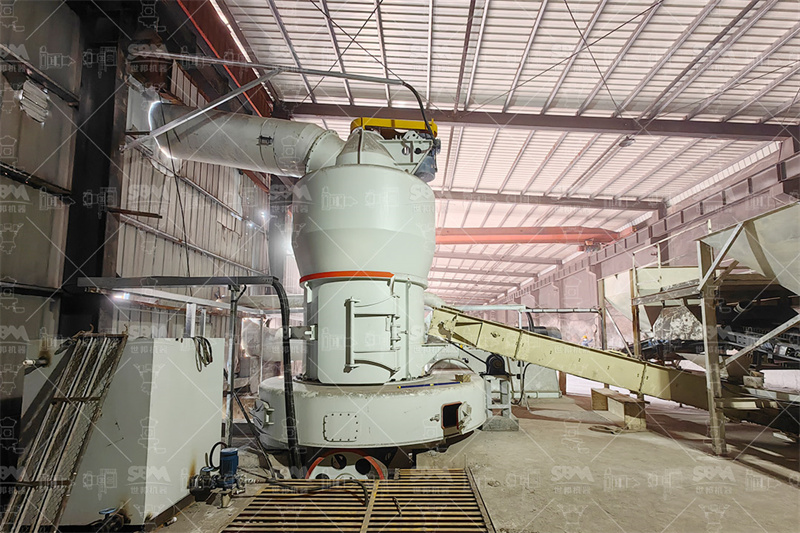
Fly ash, a byproduct of coal combustion in thermal power plants, has become an essential component in modern cement production. Its incorporation not only enhances the mechanical properties of concrete but also contributes to environmental sustainability by reducing carbon emissions and conserving natural resources. However, to unlock its full potential, cement manufacturers must invest in advanced processing equipment capable of grinding fly ash into fine, uniform particles with high precision and efficiency. This article explores the critical features required for optimizing fly ash processing equipment, provides a comprehensive selection guide for cement production lines, and highlights industry-leading solutions designed to meet these demanding requirements.
Importance of Fly Ash in Cement Production
Fly ash serves as a pozzolanic material that reacts with calcium hydroxide to form additional cementitious compounds, improving the durability, workability, and long-term strength of concrete. When processed correctly, fly ash can replace a significant portion of Portland cement, reducing production costs and lowering the carbon footprint. The key to successful utilization lies in achieving consistent fineness and particle size distribution, which directly impacts the reactivity and performance of the final product. Therefore, selecting the right grinding equipment becomes a strategic decision for any cement plant aiming to optimize its operations.
Key Features of High-Performance Fly Ash Processing Equipment
1. High Grinding Efficiency and Energy Savings
Energy consumption is one of the largest operational costs in cement production. Modern fly ash mills must deliver high throughput while minimizing power usage. Technologies such as vertical roller mills and ultrafine mills have revolutionized the industry by offering capacity up to twice that of traditional jet mills, with energy savings exceeding 30%. Intelligent control systems that provide automatic feedback on product granularity further enhance efficiency by adjusting parameters in real-time to maintain optimal performance.
2. Precision Classification Systems
The quality of fly ash is largely determined by its fineness and the absence of coarse particles. High-performance classifiers, such as vertical turbine classifiers, ensure precise particle size cutting without mixing coarse powder into the finished product. This capability is critical for meeting strict industry standards and for applications requiring uniform particle distribution, such as high-strength concrete production.
3. Durable and Wear-Resistant Design
Fly ash is an abrasive material that can accelerate wear on grinding components. Equipment designed with special materials for rollers and rings, such as high-chrome alloys or ceramic composites, can extend service life several times over. Additionally, shaftless screw grinding chambers and optimized roller assemblies reduce mechanical stress and ensure stable operation over extended periods. Such durable designs minimize downtime and maintenance costs, providing a higher return on investment.
4. Environmental Compliance and Low Noise Operation
Stringent environmental regulations demand that grinding equipment achieves near-zero dust emissions. Pulse dust collection systems with efficiency exceeding international standards ensure that the entire operation is eco-friendly. Soundproof room designs and damping technologies also play a crucial role in keeping noise levels within acceptable limits, making it possible to install equipment near residential areas or within existing plant infrastructure without major modifications.
5. Intelligent and Automated Control
Industry 4.0 principles have made their way into cement production, and fly ash processing equipment is no exception. Expert-level auto-control systems support remote and local switching, real-time monitoring of key parameters, and automatic adjustments to grinding pressure, classifier speed, and feed rate. These smart features reduce the need for manual intervention, improve consistency, and enable predictive maintenance, thereby enhancing overall equipment effectiveness.
Selection Guide for Fly Ash Processing Equipment
Assessing Feed Material Characteristics
Before selecting equipment, it is essential to analyze the physical and chemical properties of the fly ash. Parameters such as moisture content, feed size, and abrasiveness will influence the choice of mill type. For dry fly ash with a feed size of up to 20mm, ultrafine mills or vertical roller mills are typically suitable. For materials with larger feed sizes, European trapezium mills or medium-speed mills may be more appropriate.
Defining Output Fineness Requirements
The desired fineness is a primary selection criterion. For applications requiring fly ash processed to 325-2500 mesh (45-5 microns), ultrafine mills like the SCM Series Ultrafine Mill are ideal. For coarser specifications, such as 30-325 mesh (600-45 microns), options like the MTW Series European Trapezium Mill or MTM Series Medium-speed Trapezium Mill offer excellent performance. It is important to match the equipment’s fineness range to the specific end-use requirements.
Evaluating Capacity and Scale of Production
Cement production lines vary widely in capacity, from small-scale operations to large integrated plants. Equipment selection must consider both current throughput needs and potential future expansion. For example, the LM Series Vertical Roller Mill offers capacities ranging from 3 to 250 tons per hour, making it suitable for large-scale operations. In contrast, the SCM Series Ultrafine Mill provides capacities of 0.5 to 25 tons per hour, which is ideal for specialized or medium-scale production.
Considering Total Cost of Ownership
Beyond the initial purchase price, factors such as energy consumption, maintenance frequency, spare parts availability, and service life significantly affect the total cost of ownership. Equipment with integrated design features, such as combined crushing, grinding, and classification in a single unit, can reduce floor space requirements and infrastructure costs. Low-operating-cost designs, including non-contact roller-table arrangements and optimized air ducts, further contribute to long-term savings.
Reviewing Environmental and Regulatory Compliance
Many regions have strict limits on dust emissions and noise levels. Selecting equipment that is already designed to meet or exceed these standards can simplify permitting processes and avoid costly retrofits. Fully sealed negative-pressure systems, multi-stage dust collection, and noise-dampening features are essential for compliance.
Recommended Products for Fly Ash Processing
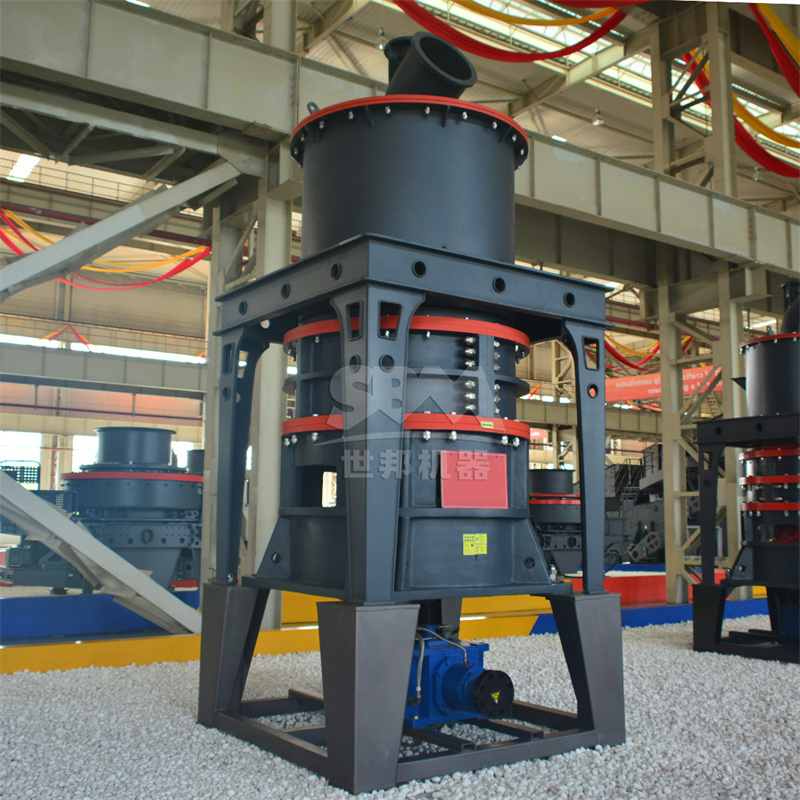
Based on the above criteria, our company offers two exceptional solutions that have proven to be highly effective for fly ash processing in cement production lines. The SCM Series Ultrafine Mill (45-5μm) is engineered for achieving ultra-fine powder with high efficiency. Its capacity reaches up to 2 times that of jet mills with 30% lower energy consumption, making it ideal for producing high-quality fly ash for premium concrete applications. The intelligent control system ensures automatic granularity feedback, while the durable roller and ring materials extend service life significantly. This mill is particularly recommended for plants requiring output fineness between 325 and 2500 mesh.
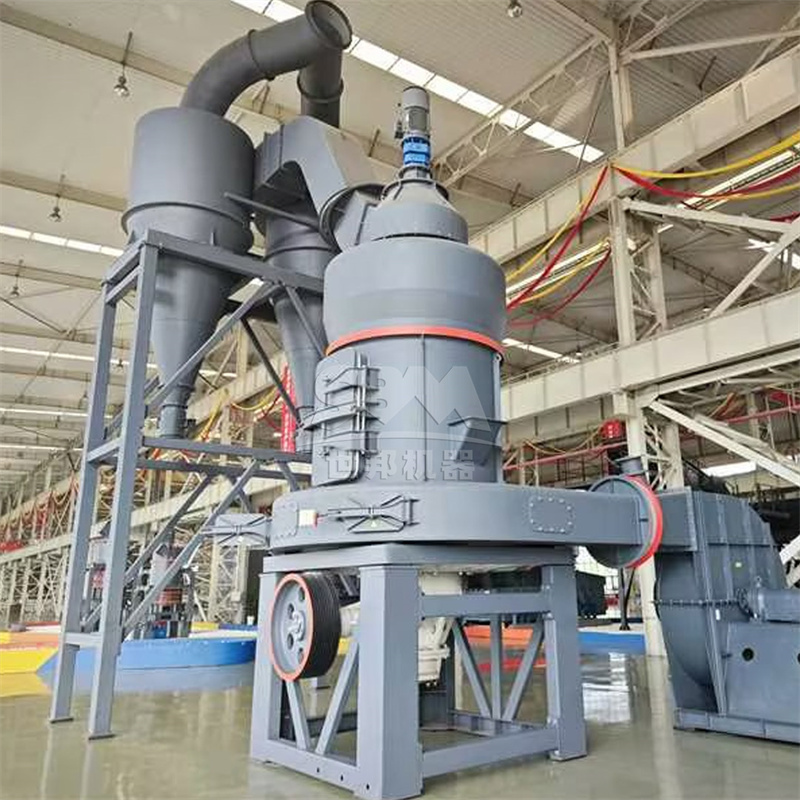
For operations demanding higher throughput and coarser fineness ranges, the MTW Series European Trapezium Mill (600-45μm) is an outstanding choice. With capacities from 3 to 45 tons per hour and feed sizes up to 50mm, it delivers robust performance. Its anti-wear shovel design and optimized arc air duct reduce maintenance costs and improve energy efficiency. The integral bevel gear drive achieves a transmission efficiency of up to 98%, saving both space and installation costs. This mill is perfectly suited for large-scale cement plants that need consistent and reliable grinding of fly ash to a fineness of 30-325 mesh.
Conclusion
Optimizing fly ash processing equipment is a multifaceted challenge that requires careful consideration of efficiency, durability, environmental impact, and automation. By selecting equipment with advanced features such as high-precision classification, intelligent control, and robust construction, cement manufacturers can significantly improve product quality and operational profitability. Our SCM Series Ultrafine Mill and MTW Series European Trapezium Mill represent the cutting edge of grinding technology, offering tailored solutions for diverse production needs. Investing in the right equipment today will ensure that cement plants remain competitive in an increasingly demanding market while contributing to a more sustainable future.