
Introduction to Carbon Materials Processing
The global demand for high-quality graphite and carbon materials has surged in recent years, driven by applications in lithium-ion batteries, refractory materials, lubricants, and advanced composites. Processing these materials requires specialized machinery capable of achieving precise particle size distribution, high throughput, and consistent quality. From natural flake graphite to synthetic carbon black, the grinding and classification stages are critical to final product performance.
Modern carbon processing lines integrate multiple technologies including crushing, grinding, classification, and dust collection. The choice of equipment depends on the raw material characteristics, target fineness, and production scale. This article explores the key machinery used in graphite and carbon materials manufacturing, highlighting technical innovations that enable efficient production.
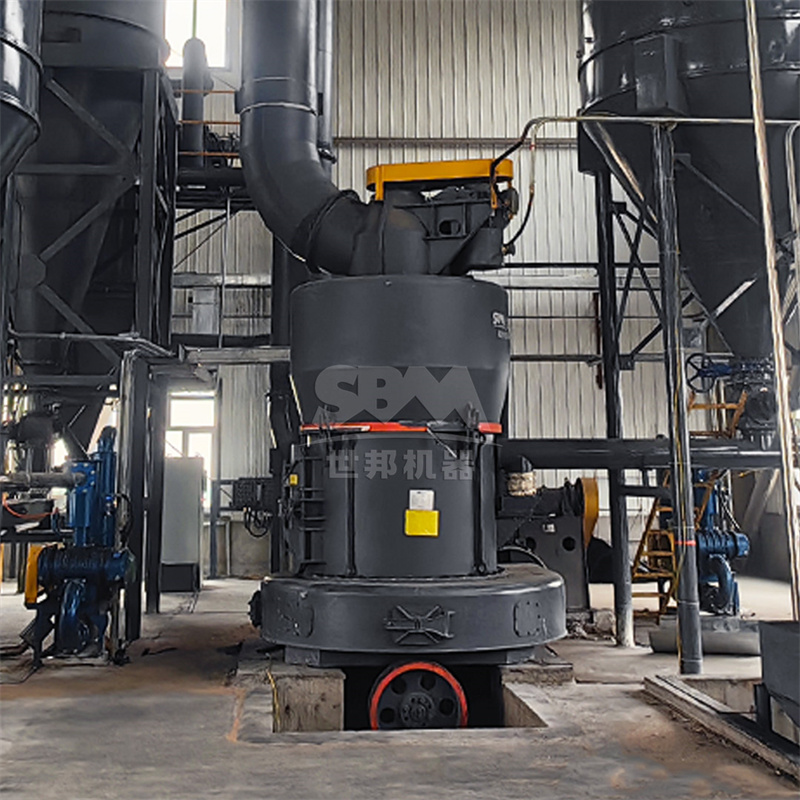
Primary Crushing and Coarse Grinding Solutions
For graphite ore and carbon raw materials, the first processing stage typically involves size reduction from run-of-mine size to manageable feed for fine grinding. Hammer mills and ball mills serve as primary and secondary crushers in many operations.
The Hammer Mill (0-3mm output) is ideal for initial crushing of carbon materials with feed sizes up to 40mm. Its high-speed rotating hammers impact materials against wear-resistant liners, achieving high reduction ratios. Models like PC4015-132 (40-70t/h capacity) are commonly used for graphite ore pre-crushing before fine grinding.
For applications requiring wet or dry grinding in the 0.074-0.8mm range, Ball Mills offer proven reliability. With crushing ratios up to 300:1 and capacities reaching 450t/h, ball mills handle large-scale production. The GMQY3685 model, featuring 131 tons of grinding media and 1500kW main power, exemplifies industrial-scale equipment for carbon material preparation.
Fine Grinding Technologies for Carbon Products
When processing graphite and carbon materials to micron-level fineness, roller mills and vertical mills become essential. These technologies offer superior energy efficiency and precise classification compared to traditional ball mills.
The MTW Series European Trapezium Mill (600-45μm) represents a breakthrough in fine grinding technology. Its integral bevel gear drive achieves 98% transmission efficiency, while the anti-wear shovel design reduces maintenance intervals. For graphite processing requiring 30-325 mesh fineness, the MTW215G model delivers 15-45t/h capacity with 280kW power. The optimized arc air duct reduces energy loss by 15%, making it ideal for continuous carbon material production.
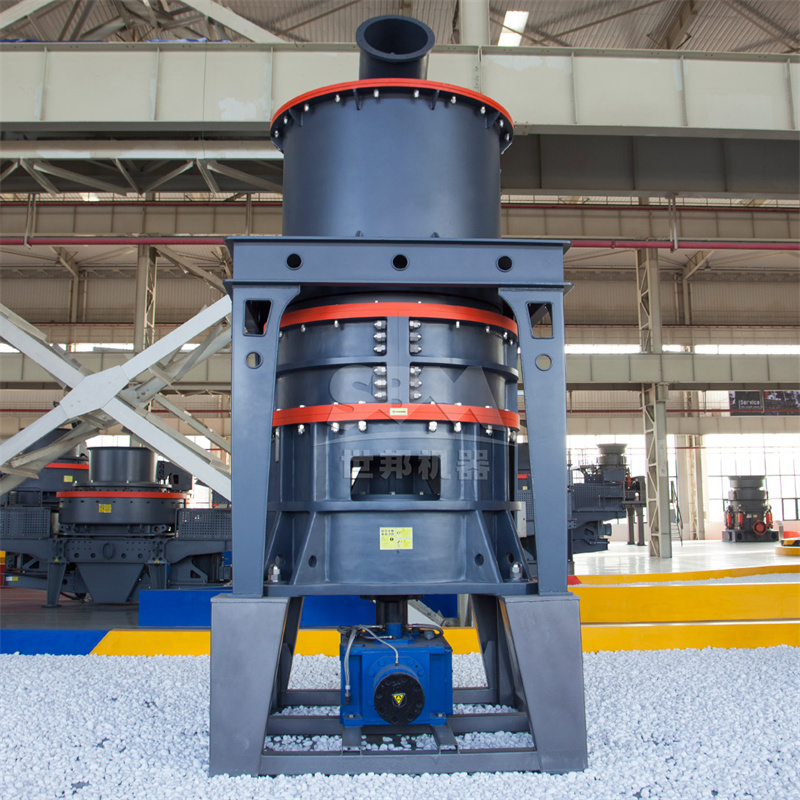
SCM Series Ultrafine Mill (45-5μm) is specifically designed for ultra-fine graphite and carbon black applications. With output fineness reaching 325-2500 mesh, it produces powders suitable for battery anode materials and specialty lubricants. The vertical turbine classifier ensures no coarse powder mixing, critical for consistent product quality.
Vertical Roller Mills for Large-Scale Production
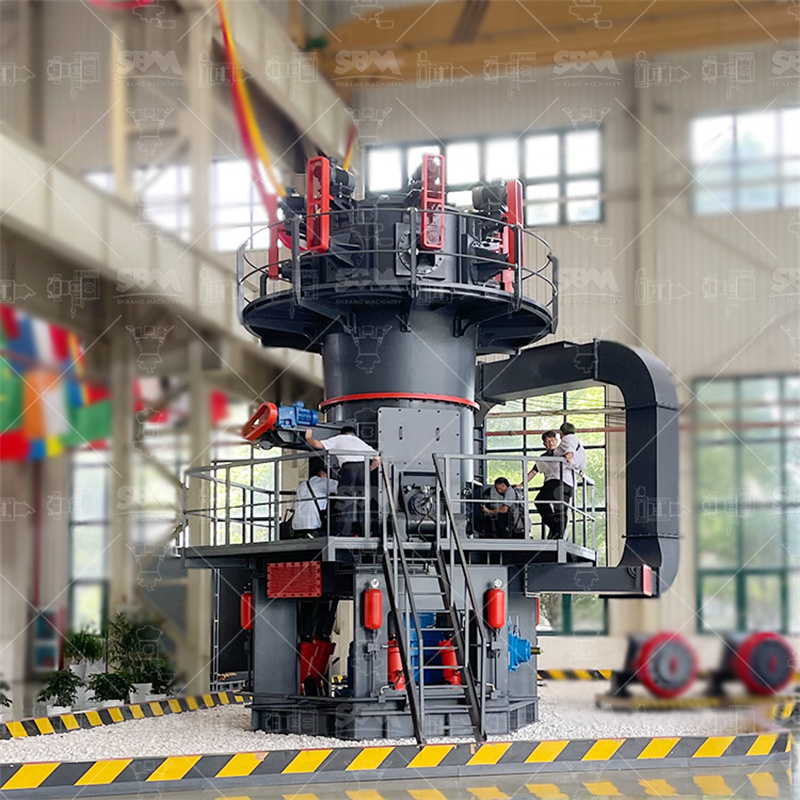
For high-capacity carbon processing plants, vertical roller mills (VRMs) offer the lowest operating costs and smallest footprint. The LM Series Vertical Roller Mill integrates crushing, grinding, and classification in a single system, reducing floor space by 50% and infrastructure costs by 40%.
The LM170K model (18-48t/h capacity) and LM280K (50-170t/h) are widely used in graphite processing lines. Their non-contact roller-table design extends wear part life by 3x compared to ball mills, while energy consumption is 30-40% lower. The expert-level auto-control system allows remote monitoring of critical parameters like grinding pressure and classifier speed.
For ultra-fine graphite applications requiring 325-600 mesh, the LUM Ultrafine Vertical Roller Mill combines efficient grinding with multi-rotor classification technology. The LUM1836 model (2.3-15t/h) produces powders with D97 of 5-30μm, making it suitable for high-value carbon products.
Specialized Equipment for Carbon Additives
Carbon processing often requires dedicated machinery for specific applications such as pre-grinding cement additives or processing metallurgical coke. The LM-Y Vertical Pre-grinding Roller Mill handles feed sizes up to 20mm for cement clinker and limestone pre-grinding, with circulation capacities reaching 1000t/h.
The MRN Pendulum Mill series offers a unique alternative for medium-fineness carbon grinding. With capacities from 2.7 to 83t/h and thin oil lubrication systems, these mills provide maintenance-free operation for extended periods. The MB5X298 model (48-83t/h) is particularly effective for large-scale carbon black production.
Environmental and Efficiency Considerations
Modern carbon processing equipment prioritizes environmental compliance alongside production efficiency. All major mill systems now feature fully sealed negative pressure operation and pulse dust collection technology. For example, the SCM Ultrafine Mill achieves dust emissions below 20mg/Nm³, exceeding international standards.
Energy efficiency remains a key driver. The SCM Series delivers 2x the capacity of jet mills with 30% lower energy consumption, while soundproof room designs maintain noise levels below 85dB. Intelligent control systems automatically adjust grinding parameters based on real-time product fineness feedback, reducing waste and ensuring consistent quality.
Conclusion and Product Recommendation
The choice of carbon processing equipment directly impacts final product quality, production costs, and environmental compliance. From coarse crushing to ultra-fine grinding, each stage demands specialized machinery optimized for specific material characteristics.
For companies seeking to establish or upgrade graphite and carbon material production lines, we recommend two flagship solutions:
SCM1250 Ultrafine Mill – Ideal for producing 325-2500 mesh graphite powders with 2.5-14t/h capacity. Its vertical turbine classifier and intelligent control system ensure consistent quality for battery-grade materials.
MTW175G European Trapezium Mill – Perfect for medium-fineness carbon processing (10-325 mesh) with 9.5-25t/h capacity. The integral bevel gear drive and optimized air duct reduce energy costs by 20% compared to conventional mills.
Both systems incorporate advanced pulse dust collection and noise reduction technology, meeting strict environmental standards while maximizing production efficiency. For customized solutions tailored to specific carbon materials, our engineering team provides complete system design and commissioning support.